How to Tell If a Pineapple Is Ripe: A Complete Guide
Discover expert tips to select a perfectly ripe pineapple every time, using color, texture, smell, and more for maximum flavor and sweetness.
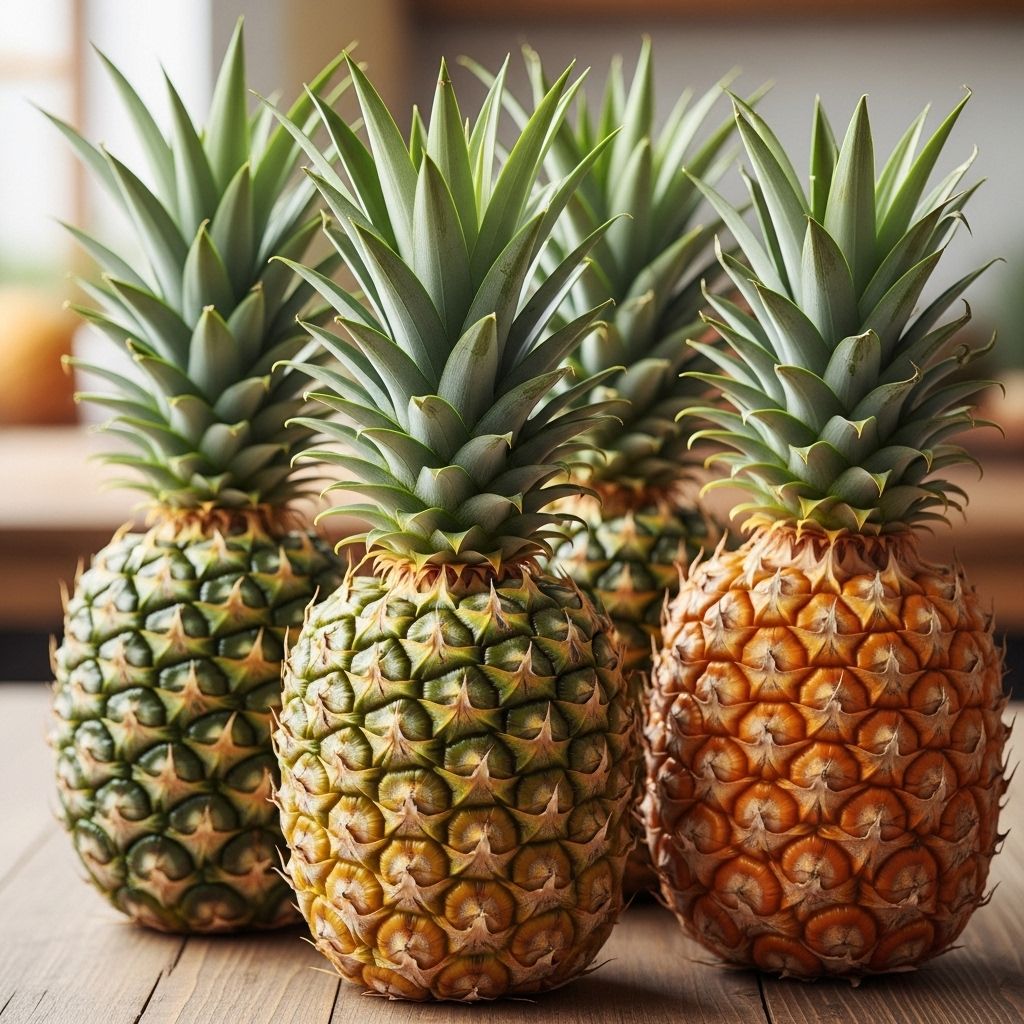
How to Tell If a Pineapple Is Ripe
A perfectly ripe pineapple delivers a vibrant burst of tropical flavor, combining sweetness and juiciness that elevate fruit salads, desserts, and drinks. But with pineapples’ thick, spiky skin and variable coloring, determining optimal ripeness can be tricky. This comprehensive guide covers every aspect of identifying a ripe pineapple—at the store or at home—so you can confidently choose the sweetest fruit every time.
Understanding Pineapple Ripeness
Pineapples do not continue to ripen significantly after harvest. This makes it critical to select a ripe pineapple when shopping; otherwise, you may end up with a tart or flavorless fruit. While some softening and mellowing can occur at room temperature, the sugar content of a pineapple will not increase once it’s picked.
Top Indicators of a Ripe Pineapple
- Color: Look for a vibrant golden-yellow shade, especially at the base.
- Smell: A ripe pineapple should emit a sweet, fruity, tropical aroma at its base.
- Feel: The fruit should yield slightly to gentle pressure without being mushy.
- Leaf Test: The inner leaves should pull out with gentle tugging.
- Weight: Choose pineapples that feel heavy for their size, indicating juiciness.
What Does a Ripe Pineapple Look Like?
Contrary to popular belief, a ripe pineapple isn’t just about a bright yellow color. The fruit’s appearance gives clues but should be combined with other sensory tests.
- Color: A ripe pineapple usually exhibits a golden-yellow color extending from the base toward the crown. While some green is acceptable (especially in the upper portion), a predominantly green hue often indicates underripeness. However, color alone can be misleading since some ripe varieties may retain green shades.
- Eyes: These are the spiky patterns on the skin. They should appear flat rather than raised or protruding.
- Bottom Tip: Check the base for deep yellow coloring and a fragrant aroma—this region ripens first.
Pineapple Color Guide
| Skin Color | Ripeness | Notes |
|---|---|---|
| Mostly Green | Underripe | Little or no sweetness |
| Yellow-Green | Nearly Ripe | Partially sweet—can be used soon |
| Golden Yellow | Ripe | Best flavor and juiciness |
| Mottled with Brown | Overripe/Possibly Spoiling | May have fermented aroma, mushy spots |
The Importance of Smell
The aroma of a pineapple offers another reliable clue to ripeness. Smell the base of the fruit. If it’s ripe, you’ll notice a pronounced, sweet, tropical fragrance. A pineapple that doesn’t smell like much is likely underripe, while a vinegary, fermented, or off odor signals overripeness or spoilage.
How Should a Ripe Pineapple Feel?
Texture is another significant cue.
- Firmness: Gently squeeze the pineapple. The surface should yield slightly under pressure but should never feel soft or mushy. Very hard fruit is a sign it’s not yet ripe, while a fruit that’s squishy may be overripe or spoiled.
- Skin: Avoid fruit with wrinkled, dry, or cracked patches—that’s a sign it’s past its prime.
The Leaf Test: Do Pineapple Leaves Tell You If It’s Ripe?
Another popular method is the leaf test: Gingerly grasp a center leaf from the pineapple crown and tug. If it slides out with gentle resistance, the pineapple is ready to eat. If it refuses to budge, the fruit might still be underripe. Conversely, if all leaves come out too easily or appear dry/brittle, it may be overripe.
Pineapple Weight Matters Too
Heaviness is a reliable (but often overlooked) indicator of juiciness. Ripe pineapples should feel substantial for their size. A lightweight pineapple is likely dry inside, while a hefty one is loaded with sweet juice. When in doubt, heft a couple of pineapples of similar size and pick the heavier one.
Common Mistakes When Picking Pineapples
- Relying on Color Alone: While yellow coloring is a helpful sign, some ripe pineapples remain partially green, and color can sometimes be misleading.
- Ignoring Aroma: A fragrant base is often the best sign of ripeness.
- Overlooking Soft Spots: Soft, mushy areas can mean overripe or spoiled fruit.
- Premature Refrigeration: Refrigerating a whole pineapple halts any ripening, so only chill it after cutting.
- Buying for Immediate Use: If you need pineapple today, buy one that is already showing all prime ripeness signs.
Can You Ripen a Pineapple at Home?
Once picked, pineapples stop becoming sweeter, though their texture may soften slightly. Minor color changes might occur if left at room temperature, but the fruit’s sugar content will not increase. Store your pineapple at room temperature if you plan to eat it within a day or two. For longer storage, cut the pineapple and refrigerate the pieces.
How to Store a Pineapple
- Whole Pineapple (Uncut): Store at room temperature for up to two days for best flavor.
- Cut Pineapple: Refrigerate in an airtight container for up to five days.
- Freezing: Pineapple chunks freeze well for later use in smoothies, baking, or cooking.
Do not store whole pineapples for extended periods in the refrigerator, as this can lead to chill injury and flavor loss.
Signs That a Pineapple Is Overripe or Spoiled
- Fermented or Vinegary Smell: Indicates the fruit has begun to spoil.
- Mushy or Leaky Texture: Soft spots, leaking juice, or squishing under the fingers are bad signs.
- Mold: White, gray, or black mold particularly around the base or crown means it should be discarded.
- Wrinkled or Dry Skin: Excessive dehydration or wrinkling are signs of advanced age.
- Off Taste: If the fruit tastes sour or “off,” do not eat it.
Common Questions About Choosing Pineapples
Is a green pineapple ever ripe?
Some pineapple varieties will remain partly green at peak ripeness, so green does not always equate to underripe. However, most commercial pineapples are their ripest when golden-yellow hues dominate the lower half.
Can you eat an underripe pineapple?
While underripe pineapples are safe to eat, they are less sweet and can be more acidic and tough, leading to a less pleasant eating experience and potential mouth irritation.
How long does a ripe pineapple last once cut?
After cutting, store pineapple in an airtight container in the refrigerator. It will retain peak flavor and texture for up to five days.
What’s the best way to cut and serve a ripe pineapple?
Trim off the crown and base, then slice away the rough outer skin. Remove the eyes and tough core, then cut the flesh into rings, spears, or cubes as desired.
Tips for Enjoying Pineapple at Its Best
- Use pineapple promptly after cutting for maximum freshness and juiciness.
- Add pineapple to fruit salads, salsas, smoothies, and grilled dishes for sweet, tangy flavor.
- Try pairing pineapple with savory ingredients—like chilies, cilantro, or pork—for exciting flavor contrasts.
- Freeze diced pineapple for ice-cold, healthy snacks or to chill drinks.
Frequently Asked Questions (FAQs)
Q: Can you ripen a pineapple faster at home?
A: Pineapples do not significantly ripen further after harvest, so it’s best to select a ripe one at the store.
Q: Should you wash a pineapple before cutting?
A: Yes, rinse the skin under cool water to remove any dirt or pesticide residue before cutting, especially if you plan to cut through the rind.
Q: Which pineapple variety is best?
A: The most common variety in stores is ‘Smooth Cayenne,’ prized for its sweet-tart flavor and juiciness, but look for regional varieties at farmers markets for unique tastes and textures.
Q: How can you tell if pineapple is bad?
A: Signs include a sour or fermented smell, mushy texture, leaking juice, significant browning or mold.
Q: Can you eat the core of a pineapple?
A: The core is edible but tough; many prefer to remove it, but it can be juiced, frozen for smoothies, or grilled.
Conclusion
Selecting a ripe pineapple is a skill rooted in using all your senses: observe the color, inhale the aroma, feel the texture, check the weight, and don’t be afraid to try the leaf test. These steps ensure you enjoy the full potential of pineapple’s sweet, tangy flavor—whether snacked fresh, blended into drinks, or highlighted in savory dishes. Next time you’re in the produce aisle, use these clues to become a pineapple pro.
Similar Articles



Read full bio of medha deb