How to Tell If Your Mango Is Ripe: The Complete Guide
Unlock the secrets to perfectly ripe mangoes—learn expert tips for choosing, ripening, storing, and enjoying this delicious tropical fruit.
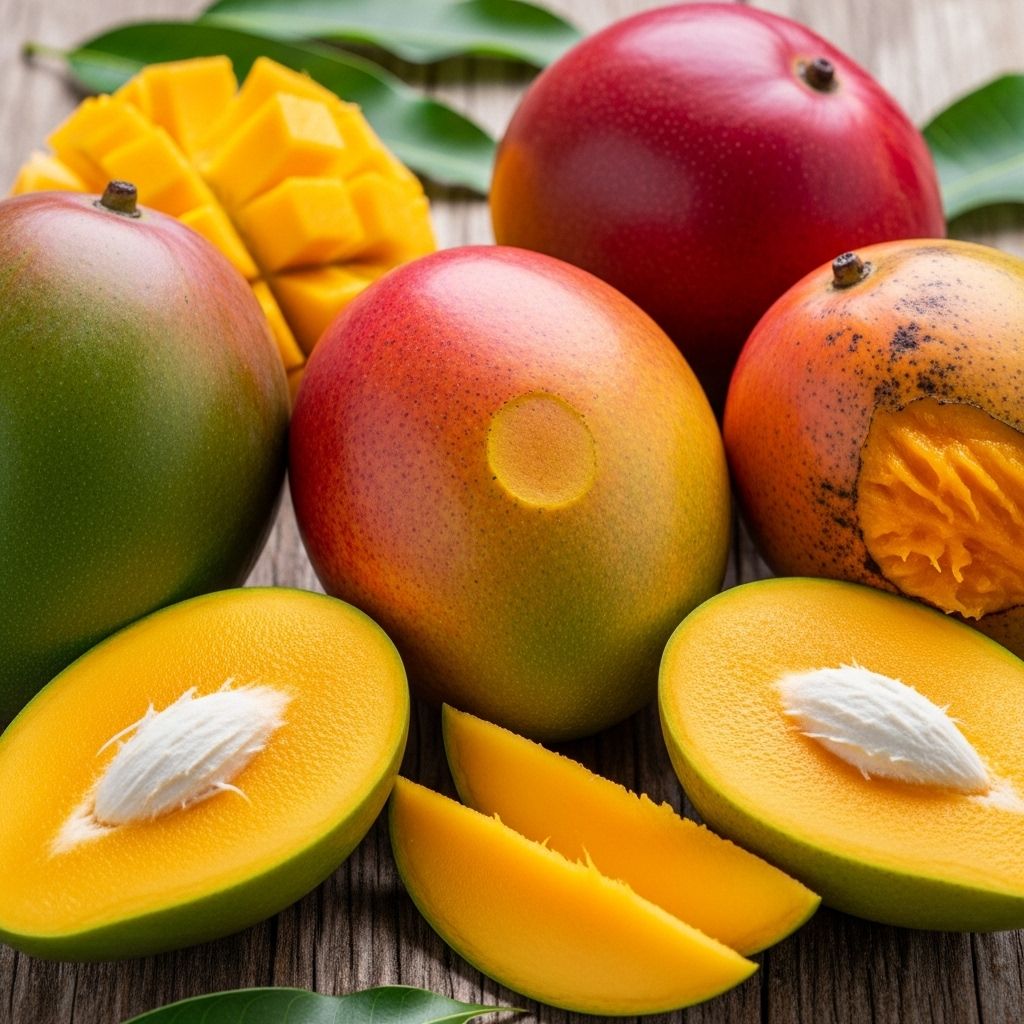
Mangoes are among the world’s most beloved fruits, prized for their juicy texture and luscious sweetness. However, knowing exactly when a mango is ripe and ready to eat isn’t always obvious. This comprehensive guide walks you through every method and expert tip so you can select, ripen, store, and savor mangoes like a pro, whether shopping at the store or picking from a home tree.
Why Mango Ripeness Matters
The flavor, aroma, and texture of a mango are directly affected by its ripeness. Eating mangoes before they’re ripe can result in a fibrous, sour disappointment, while an overripe mango may be mushy or even spoiled. Achieving that perfect window of ripeness ensures you experience mangoes at their peak—bursting with sweetness, fragrance, and juiciness.
How to Tell If a Mango Is Ripe
There are several sensory cues to help you distinguish a ripe mango from an unripe or overripe one. While mangoes come in many varieties and sizes, the following tips work for most common types found globally.
1. Check for Visual Cues: Skin Color
- Color is a clue, but not a guarantee. Many believe mangoes should be mostly red or blush when ripe, but this isn’t always true. Some varieties, like the Ataulfo (Honey mango), ripen to a vibrant yellow, while others, such as Haden or Kent, turn from green to an orange-yellow or red.
- Look for a transition in color. Most mangoes become less green and more yellow, orange, or red as they ripen. However, some varieties remain green even when ripe, so don’t rely on color alone.
- The presence of wrinkles is a good sign. Slight wrinkling around the stem or at the base of the mango often indicates the sugars have concentrated and the fruit is ripe.
2. Give It a Gently Squeeze: Texture Matters
- A ripe mango yields slightly to gentle pressure. Use your palm (not fingertips) and press the mango softly. Similar to a ripe avocado or peach, you want some give, but not mushiness.
- Very firm mangoes are not ripe yet. Leave them at room temperature to soften over a few days.
- Extremely soft mangoes may be overripe. If the skin feels bumpy and there are sunken or leaking spots, the fruit is likely past its peak.
3. Use Your Nose: The Scent Test
- A ripe mango gives off a strong, sweet, and fruity aroma, especially near the stem end.
- If the mango is odorless, it’s probably not ripe yet.
- If it smells slightly sour, fermented, or like alcohol, it is likely overripe or starting to spoil.
4. Look for Shape and Feel
- A perfectly ripe mango appears plump and slightly rounded, especially at the base near the stem. Flat or shriveled spots could suggest overripeness.
- The skin should appear taut with maybe slight wrinkling. Dried or cracked skin usually signifies overripeness.
Table: Signs of Mango Ripeness
| Ripeness Stage | Visual Clues | Touch | Scent |
|---|---|---|---|
| Unripe | Mostly green, firm skin, no wrinkles | Very hard | Odorless |
| Ripe | Yellow/orange/reddish blush, taut skin, slight wrinkling | Gently yields to pressure | Sweet, fruity aroma |
| Overripe | Wrinkled, possibly sunken spots, very soft | Very soft or mushy | Sour or fermented |
Different Mango Varieties and Their Ripening Cues
Mangoes come in dozens of varieties, and each has its own set of ripening indicators. Here are some of the most popular types and what to look for:
- Tommy Atkins: Skin turns from dark green to shades of orange and red. Yields to gentle squeeze when ripe.
- Ataulfo (Honey or Champagne): Turns golden yellow and develops a few small wrinkles at full ripeness.
- Haden: Skin changes from green to yellow with red on top. Slight give at the touch and strong fragrance appear when ready.
- Kent: Primarily green with a blush. Looks plump and softens slightly when ripe. Minimal aroma.
- Keitt: Remains green even when ripe. Reliance on softness and aroma is best for these varieties.
Should Mangoes Be Soft or Firm?
Texture is a better indicator of ripeness than color. Ripe mangoes should be soft but not mushy. Use your palm for an even squeeze and avoid pressing with your fingertips to prevent bruising the flesh. Compare the feel to that of a ripe peach or avocado—there should be a little give, but not so much that it feels collapsed or spongey.
How Do You Ripen Mangoes Faster?
If your mangoes are still firm and unripe, there are several effective ways to speed up the ripening process at home:
- Keep Mangoes at Room Temperature: The simplest approach—place unripe mangoes on your kitchen counter. Flip them every day to encourage even ripening.
- Paper Bag Method: Place mangoes in a brown paper bag and fold it shut. This traps the ethylene gas that mangoes naturally release, which accelerates ripening.
- Pair With Other Fruits: Adding a banana or an apple to the bag releases extra ethylene, further speeding up the process.
Mangoes ripen within 2 to 5 days at room temperature, depending on their starting point and variety. Check daily by feel, smell, and appearance.
How to Store Mangoes for Maximum Freshness
Storing Unripe Mangoes
- Leave unripe mangoes at room temperature until they soften and give off a fruity scent.
- Do not refrigerate unripe mangoes, as cold temperatures halt the ripening process.
Storing Ripe Mangoes
- Once ripe, move mangoes to the refrigerator to slow further ripening and preserve the flavor. Ripe mangoes in the fridge keep fresh for 4 to 7 days.
- If cut, store pieces in an airtight container in the fridge for up to five days.
- For long-term storage, freeze peeled and chopped mango in a single layer before transferring to a freezer bag. Use within six months for the best quality.
How to Tell If a Mango Has Gone Bad
- Unpleasant odor: Smells sour, fermented, or alcoholic.
- Appearance: Dark spots, sunken or shriveled skin, and signs of mold indicate spoilage.
- Texture: Feels overly soft, mushy, or leaks liquid.
- If you notice any of these signs, it’s best to discard the mango.
Expert Tips for Choosing Mangoes
- Don’t judge by color alone. Some varieties stay green when ripe; always consider scent and feel.
- Shop in season for the best selection and flavor. Mangoes are usually at their peak from late spring through summer depending on your region.
- Buy in various stages of ripeness if you want fresh fruit over several days. Select some softer (eat soon), some firmer (ripen at home).
- Handle mangoes gently to avoid bruising.
Frequently Asked Questions
Are mangoes supposed to be soft?
Ripe mangoes should be slightly soft, similar to a ripe peach. Avoid ones that are rock-hard (unripe) or extremely mushy (overripe).
Do mangoes ripen after being picked?
Yes. Mangoes continue to ripen off the tree, so even those that are picked firm will gradually soften and become sweeter at home.
Is it safe to eat a mango that is partially green?
Many mangoes are edible even when some green remains near the stem, provided the fruit yields slightly to pressure and gives off a sweet aroma. The flavor may be less sweet and more tart at this stage.
How long does it take for a mango to ripen on the counter?
Depending on its ripeness at purchase and the ambient temperature, most mangoes ripen in 2 to 5 days at room temperature.
Can you ripen a mango in the fridge?
No. Cold temperatures slow or halt the ripening process. Ripen mangoes at room temperature before refrigerating.
Creative Ways to Use Ripe Mangoes
- Chop into chunks or slices to eat as a snack or dessert
- Blend into smoothies or lassi
- Toss into salsas or salads for a tropical twist
- Layer on top of yogurt, pancakes, or oatmeal
- Puree for sauces, dressings, or sorbet
Quick Tips for Mango Success
- Squeeze gently, check aroma, look for plump shape
- Ripen on the counter, refrigerate only after ripe
- Avoid bruised, overly soft, or foul-smelling mangoes
Conclusion
Picking a perfectly ripe mango is a blend of sight, touch, and smell. With these expert-backed tips, you can enjoy mangoes at their juicy best—every time. Don’t be afraid to experiment with different varieties and ripening techniques to discover your personal mango preference.
Similar Articles






Read full bio of medha deb