Jamaican Sorrel (Hibiscus) Drink: History, Recipe, and Tradition
Discover the vibrant flavors and festive heritage behind Jamaican Sorrel, a spiced hibiscus drink that embodies the Caribbean holiday spirit.
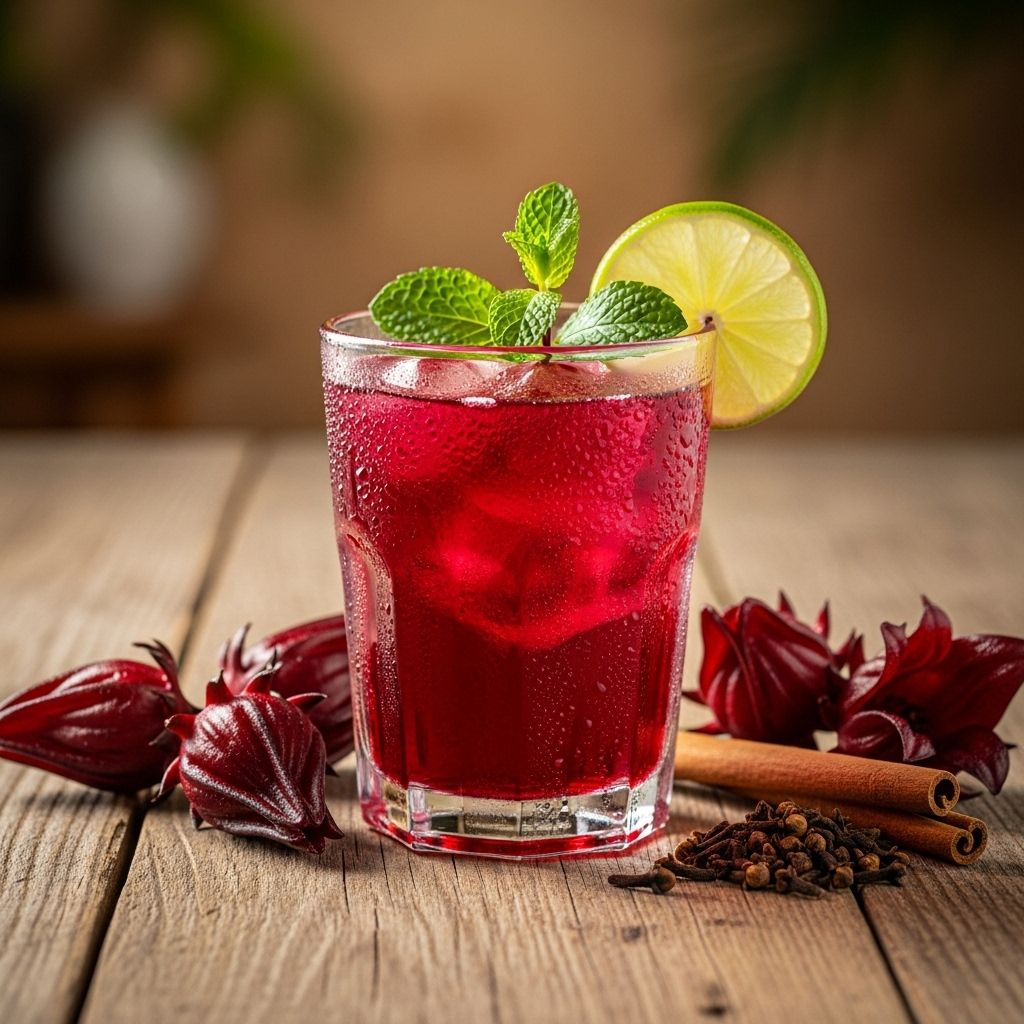
Jamaican Sorrel (Hibiscus) Drink: A Caribbean Holiday Tradition
Jamaican Sorrel drink, known elsewhere as hibiscus drink, is a cornerstone of Caribbean holiday celebrations. With its beautiful deep red hue and aromatic spice blend, sorrel bridges culinary tradition and festive cheer, offering both hydration and heritage in every glass. The drink’s roots are interwoven with Jamaica’s history and the broader African diaspora, where hibiscus teas are cherished for their lively flavors and health benefits.
What Is Jamaican Sorrel Drink?
Sorrel refers to the hibiscus sabdariffa plant in Jamaica. The drink, made by steeping either fresh or dried hibiscus flowers with ginger and a unique blend of Caribbean spices, is especially popular during Christmas and New Year’s festivities. Its tart, floral character, often mellowed by sweetener and enlivened by citrus or rum, captures the essence of island celebration.
In Jamaica, “sorrel” is synonymous with this holiday beverage, not to be confused with leafy garden sorrel found in European cuisine. Sorrel drink showcases the Caribbean’s affinity for transforming simple botanicals and imported spices into complex, aromatic elixirs.
History and Cultural Significance
The tradition of making sorrel drink dates back centuries, tracing influences from West Africa, where hibiscus teas—known as zobo in Nigeria or bissap in Senegal—have been enjoyed for their refreshing qualities and health attributes. Enslaved Africans maintained their ancestral beverage customs, merging them with local island ingredients. Sorrel became embedded in Jamaican Christmas celebrations, both as a symbol of unity and festive spirit.
Families gather each December to prepare large batches, often sharing with neighbors and guests. Sorrel also features in other Caribbean nations with regional tweaks in spice blends and techniques, making it a pan-Caribbean custom that evokes nostalgia and togetherness.
Key Ingredients of Jamaican Sorrel Drink
- Sorrel (Hibiscus Sabdariffa): Fresh flowers are preferred for depth of flavor and vibrant color, but dried hibiscus (often sold in packs) are widely used and readily available.
- Ginger: Enhances warmth and lively spice; Jamaican ginger is prized for its potency.
- Pimento (Allspice) Berries: Imparts a distinct Jamaican note—sweet, savory, and slightly peppery.
- Cinnamon Sticks or Leaves: Adds aromatic sweetness and structure to the flavor profile.
- Cloves: Often included for depth and a fragrant finish.
- Sugar: Sweetens the naturally tart hibiscus base; brown sugar is typically used for richer undertones.
- White Rum: Traditionally added for a festive kick, especially Wray & Nephew white rum in Jamaica. Omit or substitute with rum flavoring for non-alcoholic versions.
- Water: Forms the base for steeping the botanicals.
- Citrus Zest (Orange or Lemon): Provides brightness and counterbalances floral notes; optional but recommended.
Optional Additions
- Nutmeg, Star Anise, Cardamom, Mace: Used in some family recipes for complexity.
- Honey or Maple Syrup: Healthier sweetener alternatives.
- Orange Peel: Common in many regional variations for a citrusy lift.
How Does Sorrel Taste?
Sorrel drink offers a harmonious balance of tartness from hibiscus, spiciness from ginger and pimento, and warmth from cinnamon and cloves. Sweetener tames its sharp floral notes, while citrus and rum add brightness or depth. The result is a refreshingly bold beverage, often served chilled over ice, that appeals to both adults and children, especially in its non-alcoholic form.
| Ingredient | Flavor Contribution |
|---|---|
| Sorrel (Hibiscus) | Tart, floral |
| Ginger | Lively spice, warmth |
| Pimento (Allspice) | Peppery, sweet, savory |
| Cinnamon | Sweet, woody |
| Cloves | Earthy, aromatic |
| Citrus Peel | Bright, zesty |
| Rum | Rich, festive warmth |
| Sugar | Balances tartness |
Traditional Jamaican Sorrel Drink Recipe
Below is an authentic recipe adapted from Jamaican home kitchens. Adjust sweetness and spice levels to suit personal preference.
Ingredients
- 1 lb (450g) fresh sorrel (hibiscus flowers) or 2 cups dried sorrel
- 5 oz (140g) fresh ginger, thinly sliced or grated
- 10 pimento berries (allspice) or 1 tbsp dried allspice
- 1 cinnamon stick
- 4–8 cloves
- 1–2 pieces orange peel
- 6–8 cups (1.9 liters) water
- 1½ cups (300g) brown sugar (adjust to taste)
- 1 cup (240ml) white rum (optional)
Instructions
- Wash the sorrel thoroughly. Remove seeds if using fresh flowers.
- In a large stainless steel pot, combine sorrel, ginger, pimento, cinnamon, cloves, and orange peel. Add water.
- Bring to a boil over medium heat. Boil for 5–10 minutes, then turn off the heat.
- Steep the mixture overnight (or at least 4 hours) to allow flavors to blossom. Cover the pot while steeping.
- Strain the mixture through a fine mesh sieve or cheesecloth, discarding solids.
- Sweeten the strained liquid with sugar to taste. Stir until dissolved.
- For a festive twist, add white rum. Chill thoroughly before serving.
- Serve over ice. Garnish with lime slices or mint, if desired.
Recipe Notes
- Rum: Wray & Nephew is the traditional choice for an authentic Jamaican flavor.
- Sorrel: Dried hibiscus flowers can be substituted if fresh are unavailable; seek out those labeled “sorrel” for authenticity.
- Ginger: Jamaican ginger is more potent and highly regarded.
- Sweetener: Adjust sugar for individual preference, or substitute honey or agave for lower glycemic options.
- Non-alcoholic version: Omit rum or use rum flavoring for child-friendly, driver-safe variations.
- Citrus: Orange peel or lemon zest brings brightness, especially in modern takes.
Variations and Modern Twists
- Sugar Alternatives: Maple syrup, agave nectar, or honey for a healthier profile.
- Slow Cooker/Instant Pot: For convenience, steep ingredients using a slow cooker or pressure cooker.
- Slow Cooker: Combine all but sweetener, cook on low for 60–90 minutes, then steep overnight and strain.
- Instant Pot: Pressure cook all ingredients (except sweetener) on high for 5 minutes, release pressure, steep overnight, then strain and sweeten.
- Spice Additions: Nutmeg, cardamom, and even star anise appear in some recipes.
- Citrus Juice: Some families add lemon or lime juice for tartness and brightness.
Frequently Asked Questions (FAQs)
Q: Is Jamaican sorrel drink the same as hibiscus tea?
A: Sorrel drink uses hibiscus flowers as its base but typically includes Caribbean spices and sweetener, making it richer and spicier than standard hibiscus teas.
Q: Is the drink alcoholic?
A: Traditionally, white rum is added for a festive punch, but sorrel can be made alcohol-free for children or drivers.
Q: What’s the difference between fresh and dried sorrel?
A: Fresh sorrel gives a deeper color and richer flavor. Dried sorrel is convenient and widely used outside harvest season.
Q: When is sorrel drink served?
A: Sorrel is traditionally served during Christmas and New Year’s in Jamaica and other Caribbean islands, but can be enjoyed year-round.
Q: How long can sorrel drink be stored?
A: Stored in the refrigerator, sorrel can keep for up to a week. If rum is added, shelf life may extend longer due to alcohol’s preservative effect.
Serving Suggestions
- Chilled over ice: Sorrel is best served cold, especially on hot Caribbean days.
- Garnish: Use mint leaves, lime slices, or a cinnamon stick for presentation.
- Pairing: Enjoy alongside Christmas cake, black cake, or festive Jamaican meals.
- Bottling: Sorrel can be bottled for gifting or sharing; ensure a tight seal for freshness.
Health Benefits of Sorrel Drink
In addition to its festive appeal, sorrel (hibiscus) is valued for its potential health benefits:
- Rich in Vitamin C: Supports immune health.
- Antioxidant Properties: Hibiscus contains anthocyanins, linked to heart health.
- Hydration: Provides refreshing hydration, especially when served iced.
- Digestive Aid: Ginger and spices may assist digestion.
Tips for Perfect Sorrel Drink
- Steeping Time: The longer sorrel steeps, the richer and more flavorful the drink. Overnight is best, but even a few hours brings notable improvement.
- Balance Spices: Avoid overpowering hibiscus with excessive ginger or cloves; taste as you go.
- Sweeten Gradually: Add sugar or honey in increments for optimal balance.
- Use Clean Equipment: Metallic tastes can leach from non-stainless cookware; stick to glass or stainless steel.
- Garnish Creatively: To impress guests, serve with festive fruit or spice garnishes.
Preserving the Heritage
Making sorrel at home is an act of preservation, connecting generations and sustaining cultural roots. Sharing the process and beverage encourages exploration of Caribbean identity, storytelling, and culinary craftsmanship.
Many families thrive on debate over the best spice combinations, the “right” amount of ginger, and the most memorable Christmas batch. Sorrel is more than a drink—it’s a celebration of heritage, flavor, and creative hospitality.
Easy Adaptations for Special Diets
- Low GI/Diabetic-Friendly: Sweeten with agave or maple syrup; adjust spices for pronounced flavor.
- Alcohol-Free: Simply omit rum or use natural rum essence for flavor.
- Vegan: All ingredients are plant-based; select vegan-friendly sweeteners as needed.
Nutritional Information (Per Serving)
| Nutrient | Est. Value |
|---|---|
| Calories | ~210 kcal |
| Sugar | 40–50g (variable) |
| Vitamin C | 20–30% daily value |
| Alcohol | Varies depending on rum addition |
Final Thoughts
Jamaican Sorrel drink endures as a symbol of warmth, tradition, and festive generosity. Whether served at a bustling family gathering or enjoyed quietly on the porch, its vibrant color and flavor evoke the beauty of Caribbean holiday life. By making sorrel, you honor ancestral wisdom and celebrate the joyous spirit of the islands.
Similar Articles



Read full bio of Sneha Tete