The Ultimate Guide to Cloud Biscuits: Fluffy Perfection Every Time
Discover how to make light, airy cloud biscuits with step-by-step guidance, expert baking tips, and serving inspiration.
The Ultimate Guide to Perfect Cloud Biscuits
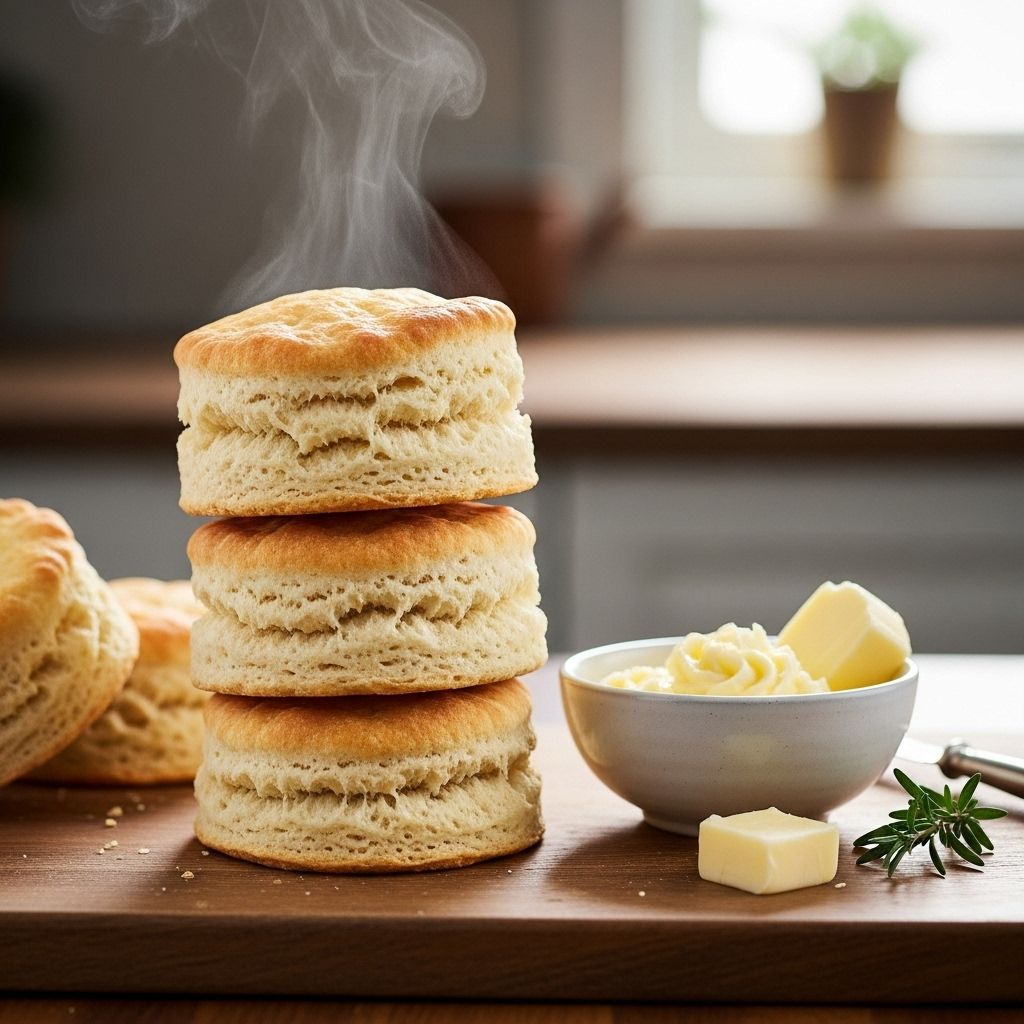
Cloud biscuits live up to their delightful name, offering a pillowy, soft texture and a delicate crumb. These biscuits are renowned for their rich, yet airy bite, making them a favorite for both sweet and savory applications. Whether you’re a seasoned baker or a newcomer to the craft, this comprehensive guide will walk you through every step and secret to creating the perfect batch of cloud biscuits in your own kitchen. From gathering the right ingredients and equipment to mastering precise techniques, you’ll be armed with all you need for biscuit success.
What Makes Cloud Biscuits Unique?
Cloud biscuits distinguish themselves from traditional drop biscuits primarily through their lightness and flakiness. The secret is in the chemistry: a lower liquid content compared to drop biscuits ensures they remain fluffy but not overly moist, striking the perfect balance between a classic buttermilk biscuit and a delicate scone. The inclusion of whole milk and an egg ensures the dough rises just enough while staying tender, while shortening provides that signature flaky texture. Unlike many store-bought options, homemade cloud biscuits are free from unnecessary additives, allowing their simple, wholesome flavors to shine through.
Ingredients: The Building Blocks of Fluffiness
Every ingredient in cloud biscuits plays a crucial role. Here’s a detailed look at what you’ll need and why:
- All-Purpose Flour: Forms the base structure. Opt for unbleached flour without additives for a cleaner flavor and better texture.
- Sugar: Just a tablespoon lends subtle sweetness, making the biscuits versatile enough for breakfast or dinner.
- Baking Powder: Acts as the leavening agent, ensuring a good rise and airy crumb.
- Salt: Enhances all other flavors while assisting with the chemical leavening process.
- Shortening: Provides richness and helps build flaky layers. Choose a fresh, high-quality vegetable shortening for best results.
- Whole Milk: Adds moisture and richness; do not substitute with lower fat milks or non-dairy alternatives for classic results.
- Egg (Large): Binds the dough, enriches the flavor, and assists with the structure, helping the biscuits achieve their signature look and feel.
Quantities for a Classic Batch
- 2 cups all-purpose flour
- 1 tablespoon sugar
- 4 teaspoons baking powder
- 1/2 teaspoon salt
- 1/2 cup shortening
- 3/4 cup whole milk
- 1 large egg
Essential Equipment
Preparation and technique are as crucial as ingredients. Equip yourself with the right tools to achieve bakery-quality biscuits at home:
- Large mixing bowl: For combining dry ingredients.
- Small bowl: For beating the milk and egg together until frothy.
- Pastry cutter or 2 forks: To integrate the shortening into the flour mixture until pea-sized lumps form.
- 2-inch round biscuit cutter: Cuts uniform rounds that bake evenly.
- Baking sheet (ungreased): Ensures the biscuits crisp up nicely on the bottom while staying soft inside.
- Cooling rack: Cools the biscuits to just the right temperature for serving.
Preparation: Step-By-Step Instructions
- Preheat the oven: Set to 450°F (232°C). Position the oven rack in the upper third to promote even browning.
- Mix dry ingredients: In a large bowl, combine flour, sugar, baking powder, and salt. Stir well to distribute the leavening agent evenly.
- Incorporate shortening: Use your hands or a pastry cutter to blend the shortening into the flour mixture. The mixture should resemble coarse crumbs with some small lumps remaining—these pockets are essential for flakiness.
- Prepare wet mixture: In a small bowl, whisk together the whole milk and egg until slightly frothy. This ensures the egg is fully incorporated, yielding a lighter crumb.
- Combine wet and dry: Pour the milk-egg mixture into the dry ingredients all at once. Using a fork, gently stir until a shaggy dough forms and pulls away from the bowl. Do not overmix—overworking can produce tough biscuits.
- Let dough rest: Let the dough sit for 10 minutes. Resting allows the flour to fully hydrate and the ingredients to bind, resulting in a more cohesive biscuit.
- Shape the dough: Turn the dough onto a generously floured work surface. Pat (don’t roll) the dough gently to about 3/4-inch thickness. Dust the biscuit cutter with flour before cutting straight down without twisting to ensure maximum rise.
- Arrange on baking sheet: Place biscuits close but not touching on an ungreased baking sheet. This encourages them to push up rather than out while baking.
- Bake: Bake for 12–15 minutes, or until the tops are golden brown.
- Cool: Remove from oven and transfer to a cooling rack for a few minutes before serving. Enjoy warm for best flavor and texture.
Baker’s Tips for Best Results
- Temperature matters: Bring the milk and egg to room temperature before mixing to promote even blending and optimal texture.
- Keep ingredients fresh: Use only fresh baking powder and shortening for maximum rise and rich flavor.
- Handle dough gently: Overmixing or over-handling can make biscuits tough. Pat dough rather than rolling, and use a light touch.
- Flour your cutter: Dip your biscuit cutter in flour between cuts to avoid sticking and guarantee neat rounds.
- Sugar content: The single tablespoon of sugar is designed to complement both sweet jam and savory gravies—don’t add more unless you want a dessert biscuit.
- Resting is key: The 10-minute rest period hydrates the dough and lets gluten relax, ensuring softness.
- Cutting shapes: Cut biscuits straight down (no twisting) to help them rise evenly in the oven.
Common Troubleshooting
| Issue | Possible Cause | Solution |
|---|---|---|
| Biscuits are tough | Overmixed dough or rough handling | Mix just until combined; pat, don’t roll out dough |
| Flat biscuits | Old baking powder or rolling dough too thin | Fresh leavening; pat dough to 3/4-inch thickness |
| Biscuits stick to cutter | Cutter not floured or dough too wet | Keep cutter well-floured; add more flour to surface as needed |
| Dry or crumbly biscuits | Too much flour, not enough shortening or liquid | Measure carefully; do not over-flour surface |
| Pale tops | Oven not hot enough or not baking long enough | Check oven temp; use upper rack; bake until golden |
Nutrition Information
Each cloud biscuit (based on the standard batch) contains approximately:
- Calories: 171 kcal
- Carbohydrates: 18g
- Protein: 3g
- Fat: 9g
- Saturated Fat: 2g
- Cholesterol: 15mg
- Sodium: 110mg
- Potassium: 182mg
- Sugar: 1g
- Vitamin A: 45 IU
- Calcium: 80mg
- Iron: 1.1mg
Serving Suggestions
- Sweet: Serve warm with butter and your favorite jam, honey, or preserves for a classic breakfast or tea-time treat.
- Savory: Pair with sausage gravy, scrambled eggs, or fried chicken for a hearty meal. The neutral undertone works equally well with sharp cheeses and cured meats.
- Side Dish: Use cloud biscuits as a side for creamy soups or stews, where their soft texture soaks up rich broths beautifully.
- For Entertaining: Split and fill with ham, smoked salmon, or herbed cream cheese for elegant party snacks.
Kitchen Safety and Hygiene Tips
- Always wash hands and all equipment thoroughly before preparation.
- Use separate bowls for dry and wet ingredients to ensure even mixing and food safety.
- Never leave biscuit dough out at room temperature for long periods before baking, as eggs and milk are perishable.
- Allow baked biscuits to cool on a rack to prevent sogginess from residual steam.
FAQs About Cloud Biscuits
Q: Can I use butter instead of shortening?
A: While butter adds flavor, shortening provides extra flakiness. You can use a mix of both, but pure shortening will yield the fluffiest results.
Q: Can I freeze cloud biscuit dough?
A: Yes. Shape the dough into rounds and freeze on a tray. Once frozen, transfer to an airtight bag. Bake from frozen, adding 2–3 minutes to baking time.
Q: Why won’t my biscuits rise?
A: Leavening (baking powder) must be fresh for maximum lift. Also, cutting straight down without twisting helps prevent seals on the sides that hinder rise.
Q: Are cloud biscuits sweet or savory?
A: The single tablespoon of sugar provides balance—cloud biscuits are designed to be neutral, pairing well with both sweet and savory toppings.
Q: How do I store leftover biscuits?
A: Allow to cool fully, then store in an airtight container for up to 2 days. Reheat in the oven at 300°F for 5 minutes to revive texture.
Expert Touches and Variations
- Cheese Biscuits: Add 1/2 cup grated sharp cheddar for a savory boost.
- Herb Biscuits: Mix in 2 tablespoons chopped fresh chives, parsley, or dill for fragrant herbs throughout.
- Dessert Biscuits: Top with cinnamon and sugar before baking, or serve with fresh berries and whipped cream.
- Buttermilk Variation: Replace regular milk with buttermilk for a tangy, Southern-style biscuit.
Baker’s Community: Share Your Results
Have you tried making these cloud biscuits at home? Share your experience and creative variations! Tag your photos on social media with #CloudBiscuits and inspire fellow bakers to achieve fluffy, flavorful results.
Originally inspired by the love of homestyle American baking, these cloud biscuits offer a perfect starting point for beginner bakers and an enduring classic for experts seeking the softest, most inviting biscuit around.
Similar Articles







Read full bio of medha deb