The Ultimate Guide to Ultra-Crispy Roast Potatoes
Unlock the secrets of ultra-crispy roast potatoes with food science, technique, and no-fail step-by-step guidance.
The Best Roast Potatoes: A Comprehensive Guide
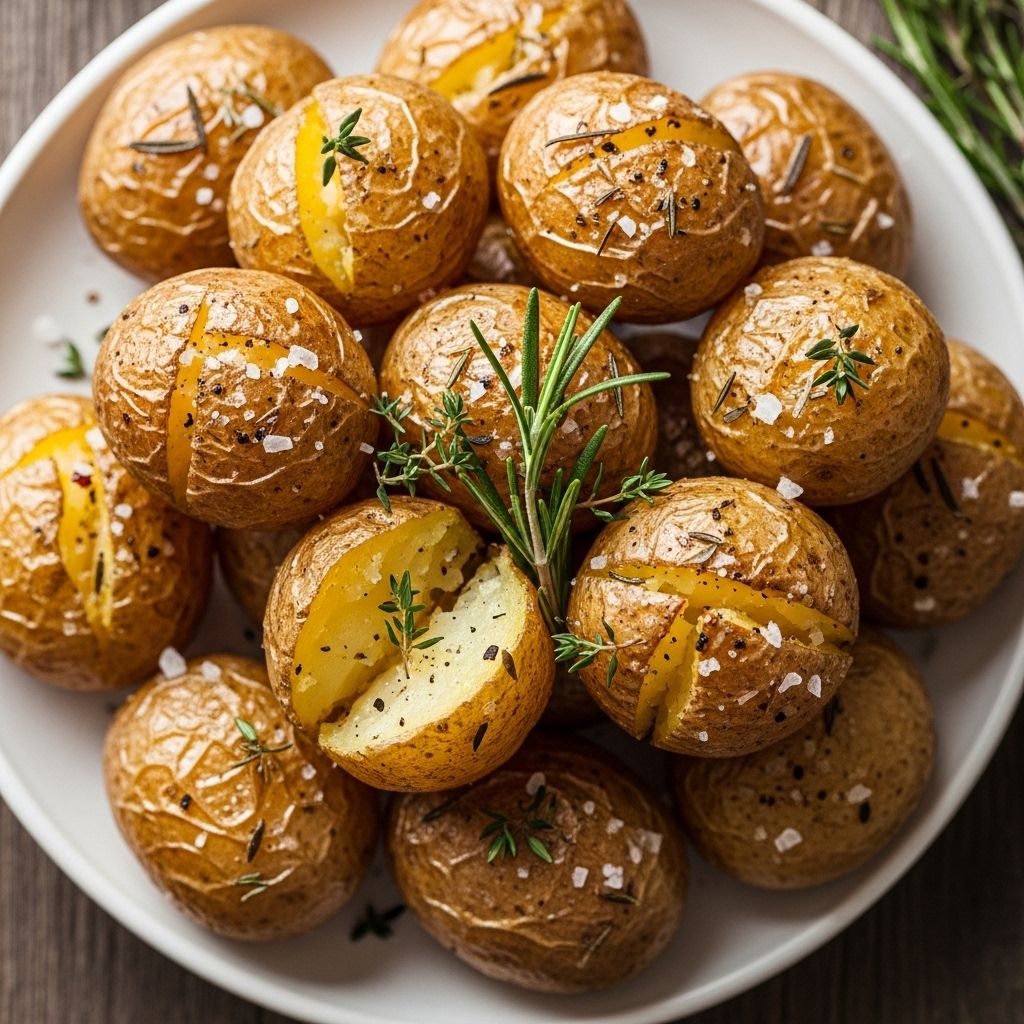
If you’ve ever wondered how to achieve impossibly crispy, golden roast potatoes—crunchy on the outside with a creamy, fluffy interior—you’re in the right place. This in-depth guide brings together kitchen-tested techniques and food science insights so you can master roast potatoes worthy of any feast.
Why Roast Potatoes Matter
Few side dishes match the universal appeal of roast potatoes. With the right technique, they elevate everyday meals and become showstoppers at special occasions. The magic lies in balancing a tender, creamy core with a shatteringly crisp exterior.
Choosing the Right Potato
Potato selection is foundational for this recipe. Different varieties yield different textures.
- Russet Potatoes: High in starch, low in moisture. These make for exceptionally crunchy exteriors and light, fluffy centers.
- Yukon Gold Potatoes: Medium starch with a buttery flavor. They yield a golden color and rich taste while still crisping beautifully.
- Red Potatoes: Waxy and less ideal for this method. Their low starch content limits crisping.
Recommended: Use Russet or Yukon Gold potatoes for the best combination of crunch and creaminess. If you can, mix both for variation in texture and color.
The Science of Crispiness
Achieving maximum crunch isn’t just luck—it’s science. Each step in the process brings you closer to roast potato nirvana.
Baking Soda in the Boil: The secret weapon for a crispy surface is a brief boil in alkaline water (achieved by adding baking soda). Higher pH breaks down pectin, the “glue” in potato cell walls, which in turn creates a rougher surface. These microscopic crags offer extra surface area for browning and crisping.
Boiling the potatoes also drives some starch outward, where it forms a starchy coating that’s crucial for the final crust.
Step-By-Step: Crafting the Ultimate Roast Potato
- Prep the Potatoes
Wash, peel (if desired), and cut your potatoes into large, even chunks—slightly larger than a golf ball recommended. Uniform size ensures even cooking. - Parboil with Baking Soda
Bring a large pot (about 2 quarts) of water to a boil. Add a full ounce of salt and ½ teaspoon of baking soda. Drop in 4 pounds of potato chunks. Boil until the potatoes are fork tender and the surfaces appear a bit ragged—usually 10 minutes. The potatoes should be tender inside but not breaking apart completely. - Infuse the Oil
While potatoes are boiling, infuse your oil. Warm 5 tablespoons of extra virgin olive oil in a skillet. Add freshly chopped rosemary and 3 cloves of minced or pressed garlic. Heat over medium until the garlic just begins to turn golden. Immediately strain the oil into a large bowl—this extracts flavors without risking burnt herbs later in the oven. Reserve the solids for tossing at the end. - Drain and Rough Up
Drain potatoes and let them steam for a minute in the colander—this evaporates excess moisture. Transfer to the bowl of infused oil. Season with a sprinkle of salt and pepper. Aggressively toss and shake the potatoes: the key is to roughen up the exteriors, creating a paste-like starch layer. This step lays the foundation for extreme crispiness. - Roast Hot and Fast
Preheat your oven to 450°F (232°C), or 400°F (204°C) if using convection. Spread potatoes evenly on a large rimmed baking sheet. Be sure the pan isn’t crowded, allowing air to circulate around each piece. - Don’t Disturb—Then Turn
Roast the potatoes for 20 minutes without touching them. This allows the crust to set, minimizing stickiness. After the initial roast, gently flip potatoes with a spatula and continue roasting, tossing and turning every 10-15 minutes. Roast until deeply golden brown and ultra-crisp—typically 30-40 minutes longer. - Finish with Freshness
Transfer finished potatoes back to a bowl. Toss with the reserved garlic and herb mixture and a shower of freshly chopped parsley or chives. Serve immediately for peak crunch.
Flavor Variations and Upgrades
- Fat Choices: Swap olive oil for duck fat, goose fat, or even beef tallow for a more decadent flavor.
- Herb Options: Substitute (or supplement) rosemary with thyme, sage, or oregano. Add fresh herbs only after roasting.
- Spiced Roast Potatoes: Toss with smoked paprika, ground cumin, or chili flakes along with the infused oil for a unique twist.
- Garlic-Lovers: Gently toast sliced garlic in the oil instead of mincing, then use both infused oil and chips to finish for an extra punch.
Common Mistakes (and How to Avoid Them)
- Undercooking during the boil: If the potatoes aren’t fully tender, the interiors won’t become creamy. Boil until easily pierced with a knife.
- Skipping the rough-up: The more “mashed” the surfaces, the better the crust. Don’t be gentle at this stage.
- Crowding the pan: Overlapping potatoes steam rather than roast. Always use a large enough baking sheet.
- Not enough oil: Ample fat is crucial for maximum crunch and even browning.
- Not serving immediately: Like all fried or roasted foods, these potatoes are at their best fresh from the oven.
The Science: Why These Steps Work
| Step | Scientific Benefit |
|---|---|
| Boiling in Salted Alkaline Water | Breaks down surface pectin, creates starch paste, improves crust formation |
| Roughing Up Surfaces | Increases surface area, allowing for more crispiness |
| High-Temperature Roasting | Drives off moisture, caramelizes and crisps starches on exterior |
| Finishing with Herbs & Aromatics | Adds complexity, freshness, and prevents burning during roasting |
Serving Suggestions
- Pair with roasted meats, poultry, or as a hearty vegetarian side dish.
- Dress with malt vinegar for a British pub-style snack.
- Top with grated Parmesan or crumbled feta for extra richness.
- Dip in aioli, mustard, or spicy ketchup for added depth.
Detailed Recipe Card
- Ingredients:
- 4 pounds Russet or Yukon Gold potatoes
- 2 quarts water
- 1 ounce (2 Tbsp) kosher salt, plus more to season
- 1/2 teaspoon baking soda
- 5 Tbsp extra virgin olive oil (or other fat)
- 3 garlic cloves, minced or pressed
- 1 handful fresh rosemary, chopped
- Freshly cracked black pepper
- Chopped parsley or chives (to garnish)
- Instructions:
- Peel and cut potatoes into large, even chunks.
- Bring water, salt, and baking soda to a boil. Add potatoes and boil until tender and rough on the outside (about 10 minutes).
- Meanwhile, heat oil with rosemary and garlic. As soon as garlic turns golden, strain oil into a bowl.
- Drain potatoes well. Let them sit for 1 minute before transferring to bowl with infused oil. Season and toss vigorously until surfaces form a thick, starchy paste.
- Arrange on a rimmed baking sheet, leaving room between pieces. Roast at 450°F for 20 minutes, then flip and continue roasting, tossing every 10-15 minutes, for 30-40 minutes more until deeply golden and crispy.
- Transfer to a bowl and toss with reserved garlic, rosemary, and fresh parsley. Serve immediately.
Storage & Reheating Tips
- Make Ahead: Parboiled, roughened potatoes can be cooled, covered, and refrigerated for up to one day before roasting.
- Leftovers: Keep crisp in an airtight container. Reheat on a rack in a hot oven (425°F) for best results—avoid microwaves, which soften the crust.
Frequently Asked Questions (FAQs)
Which potato variety is best for roast potatoes?
Russet potatoes excel for extra crispiness and fluff, while Yukon Golds add richness and golden color. Both work wonderfully, alone or mixed.
Can I skip adding baking soda?
Baking soda is crucial for breaking down surface pectin, yielding a thicker, crunchier crust. Omitting it will result in a smoother, less crisp surface.
How do I make them even crisper?
Rough up the potato surfaces as much as possible, don’t crowd the pan, and use ample oil or fat when roasting. Roasting at a high temperature is also key.
Why infuse the oil instead of roasting with fresh herbs and garlic?
Herbs and garlic can burn during the intense oven roast. Infusing flavors into oil separately captures all the aroma, while straining keeps the finish clean and flavorful.
Are roast potatoes gluten-free?
Yes, provided you use gluten-free external fat and flavorings, this recipe contains no gluten-containing ingredients.
Final Tips for Potato Perfection
- Use a heavy, rimmed sheet pan for even browning and heat.
- Preheat your baking sheet for an even greater crust at the start.
- Toss potatoes immediately upon coming out of the oven with the aromatics, ensuring every piece is well coated.
- Eat immediately to enjoy them at their crunchiest best.
Similar Articles


Read full bio of medha deb