African Violet Size Indoors: Growth, Care, and Maximizing Blooms
Discover how to nurture compact African violets for vibrant indoor blooms and optimal plant health.
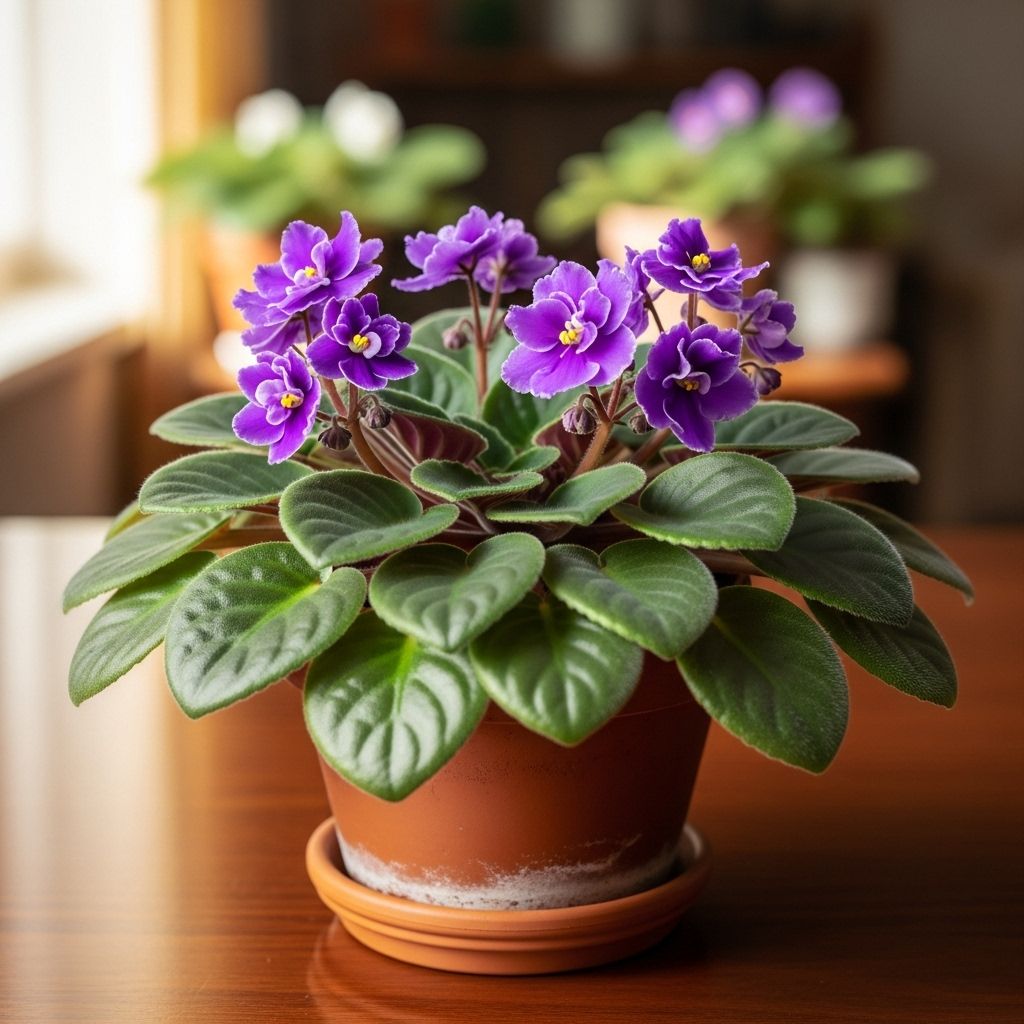
African violets (Saintpaulia) are cherished for their year-round blooms, compact size, and adaptability to indoor environments. Their manageable stature and vibrant flowers make them ideal for windowsills, desktops, and tabletops. However, achieving the perfect balance between size, blooming, and plant health requires understanding their growth habits and care requirements. This comprehensive guide explores how African violet size develops indoors, how to optimize their appearance, and what practices will keep them flourishing.
How Big Do African Violets Grow Indoors?
The typical African violet grows between 6 and 9 inches tall and wide, making them compact enough for small spaces. Miniature varieties may stay under 6 inches, while standard types can reach up to 12 inches across in ideal conditions. Their leaves are oval, fuzzy, and form a rosette pattern, with flower clusters rising from the center. The plant’s ultimate size is influenced by genetics, pot size, light, and care practices.
Factors Influencing African Violet Size
- Pot Size: African violets bloom best when slightly root-bound, so a small pot—about one-third the diameter of the leaf spread—is ideal.
- Light: Bright, indirect light encourages compact, bushy growth. Insufficient light leads to leggy, stretched plants.
- Potting Mix: A well-draining, loose mix designed for African violets supports healthy roots and controlled growth.
- Watering: Consistent moisture without waterlogging prevents stress and stunted growth.
- Fertilization: Regular feeding with a balanced, diluted fertilizer supports steady, healthy growth and blooming.
Choosing the Right Pot and Soil
The ideal pot for an African violet is about one-third the diameter of its leaf spread, with good drainage to prevent root rot. Miniature types thrive in 1- to 2-inch pots, standard varieties in 3- to 4-inch pots, and trailing types in shallow, wide containers. Self-watering pots are especially effective, maintaining consistent moisture without overwatering.
For soil, use a mix formulated for African violets or create your own with two parts sphagnum peat moss, one part vermiculite, and one part perlite. This blend ensures drainage, aeration, and moisture retention.
| Plant Type | Ideal Pot Diameter |
|---|---|
| Miniature | 1-2 inches |
| Standard | 3-4 inches |
| Trailing | Wide, shallow (min. 2 inches deep) |
Light Requirements for Controlled Growth
African violets require bright, indirect sunlight—ideally from a north- or east-facing window—to maintain compact, symmetrical growth. Direct sunlight can scorch leaves, while too little light causes elongated stems and sparse blooms. Rotate the pot weekly for even growth, and supplement with fluorescent or LED grow lights in darker months.
Watering and Humidity
Keep the soil consistently moist but never soggy. Water from below by filling the saucer and letting the plant soak for about an hour, then discarding any excess. Use room-temperature water to avoid shocking the roots. Avoid wetting the leaves to prevent spotting and rot. Maintain moderate humidity, especially in dry climates, by placing the pot on a tray of pebbles and water or using a humidifier.
Temperature and Air Circulation
African violets prefer temperatures between 70-80°F (21-27°C) during the day and 65-70°F (18-21°C) at night. Avoid drafts, sudden temperature changes, and placing plants near cold windows in winter. Good air circulation helps prevent fungal diseases but avoid direct, harsh drafts.
Fertilization for Healthy Growth
Feed African violets every 2-4 weeks during the growing season with a balanced, water-soluble fertilizer—preferably one formulated for African violets. Over-fertilizing can lead to salt buildup and leaf burn, while under-fertilizing may slow growth and reduce blooming.
Pruning and Grooming
Remove spent blooms and yellowing leaves regularly to encourage new growth and maintain a tidy appearance. Prune leggy stems and crowded leaves to improve air circulation and light penetration. Symmetrical pruning helps the plant maintain a balanced, attractive shape.
Repotting for Continued Health
African violets benefit from repotting every 6-12 months to refresh the soil, remove excess roots, and prevent compaction. When repotting, gently remove old soil, trim any dead roots, and place the plant in a slightly larger pot with fresh soil. Avoid pots that are too large, as this can lead to overwatering and reduced blooming.
Common Problems and Solutions
- Leggy Growth: Caused by insufficient light. Move to a brighter location or use artificial lighting.
- Leaf Spotting: Often due to cold water or water on leaves. Water from below and use room-temperature water.
- No Blooms: Check light, fertilization, and pot size. African violets bloom best when slightly root-bound in the right-size pot.
- Root Rot: Caused by overwatering or poor drainage. Repot in fresh, well-draining soil and adjust watering habits.
Propagating African Violets
Propagate African violets easily from leaf cuttings. Cut a healthy leaf with about 1.5 inches of stem, dip in rooting hormone, and plant in moist potting mix. Keep the soil lightly moist and provide indirect light until new growth appears. Once roots and small leaves form, transplant the young plant into its own pot.
Frequently Asked Questions (FAQs)
Q: How often should I repot my African violet?
A: Repot every 6-12 months, or when the plant becomes root-bound or the soil is depleted. Use a pot only slightly larger than the previous one and fresh African violet mix.
Q: Why are my African violet’s leaves turning yellow?
A: Yellow leaves can result from overwatering, underwatering, poor drainage, or nutrient deficiency. Check soil moisture, drainage, and fertilization schedule.
Q: Do African violets need direct sunlight?
A: No, they prefer bright, indirect light. Direct sun can burn leaves, while too little light causes leggy growth and fewer blooms.
Q: Can I grow African violets outdoors?
A: African violets are best grown as houseplants. They require consistent warmth and humidity, making outdoor cultivation challenging outside tropical climates.
Q: How can I encourage more blooms?
A: Provide bright, indirect light, regular fertilization, and keep the plant slightly root-bound in a small pot. Remove spent flowers to promote new blooms.
Q: What’s the best temperature for African violets?
A: Aim for 70-80°F (21-27°C) during the day and 65-70°F (18-21°C) at night. Avoid temperature extremes and drafts.
Summary
African violets are among the most rewarding houseplants, offering year-round color in a compact package. By understanding their growth habits, providing the right pot size, bright indirect light, proper watering, and regular care, you can keep your African violets healthy, well-proportioned, and blooming beautifully. Whether you’re a beginner or an experienced gardener, these versatile plants bring joy and vibrancy to any indoor space.
Similar Articles





Read full bio of Sneha Tete