Annual Begonias: Planting, Growing, and Care Guide
Unlock vibrant displays with wax begonias—learn expert tips on selecting, planting, and nurturing these versatile annuals, indoors or out.
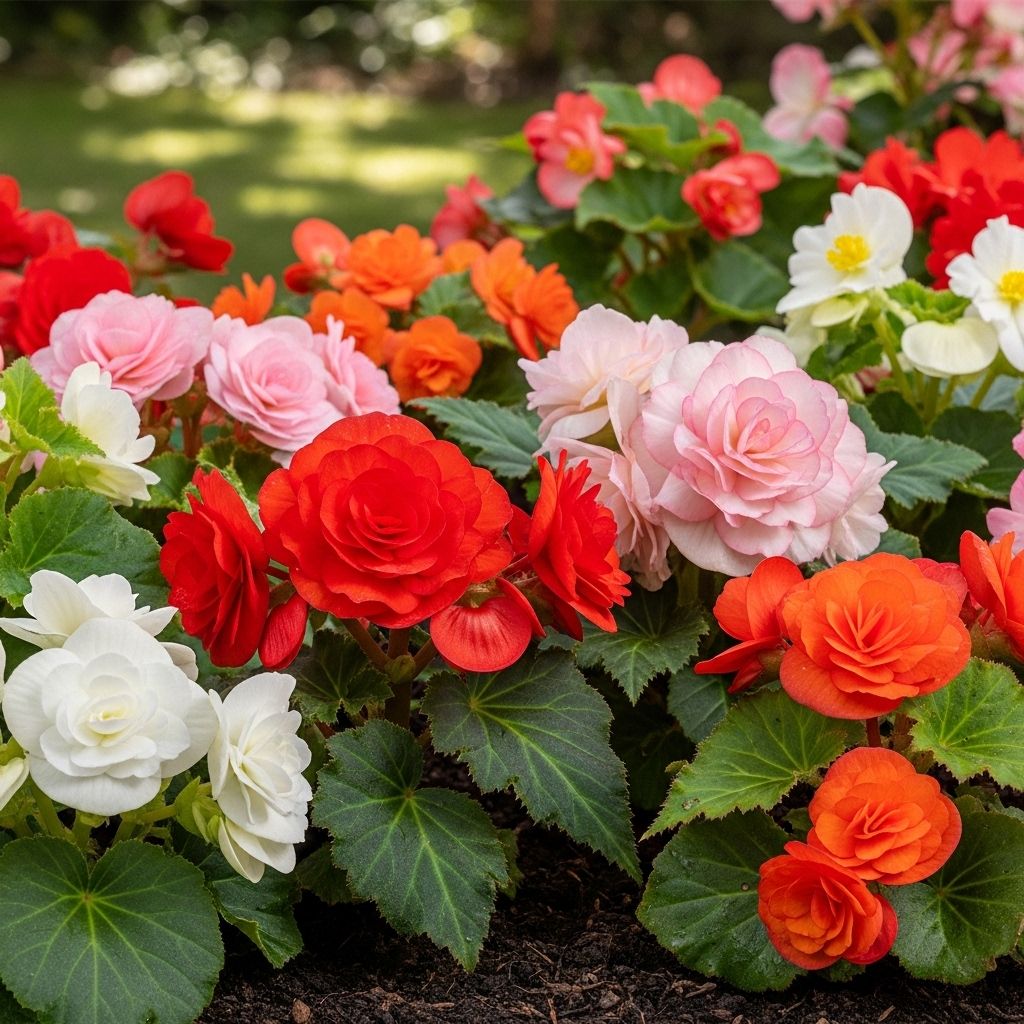
Annual begonias (Begonia semperflorens), also known as wax begonias, are prized for their long-lasting blooms, alluring foliage, and adaptability to varied garden conditions. Whether brightening up beds, containers, or shaded corners, these ornamental plants thrive with the right care. This comprehensive guide distills everything a gardener needs to know—from selection and planting to ongoing maintenance—ensuring your begonias flourish all season long.
About Annual Begonias
Annual begonias are non-stop performers in gardens, patios, and hanging baskets. Renowned for their plump, glossy leaves and vibrant colors—ranging from white and pink to deep red—they can be used in mass plantings or as colorful accents. Wax begonias are adaptable, mostly grown as annuals outside their hardiness zones, thriving both outdoors and indoors as decorative houseplants.
- Common Names: Wax begonia, bedding begonia
- Genus: Begonia
- Type: Tender annual (perennial in frost-free zones)
- Zones: Typically grown as annuals in USDA zones 3-8; perennial in zones 9-11
Choosing and Preparing a Site
Selecting the right spot is essential for begonia success. These plants reward best where they receive ample light without the harshness of unfiltered midday sun.
- Light: Morning sun with afternoon shade is ideal. In hotter climates, greater shade is preferred; in cooler climates, more light is tolerated. Red-leaved varieties can handle a bit more direct sunlight than green-leaved types.
- Temperature: Plant only after all danger of frost. Begonias are cold-sensitive and thrive in warm, protected environments. Temperatures consistently below 50°F (10°C) can damage them.
- Soil: Needs to be well-drained, slightly acidic, and rich in organic matter. Amend heavy soils with peat moss, compost, or coco coir to improve drainage and moisture retention.
- Space: Space plants 6–18 inches apart, depending on variety, to ensure good air circulation and reduce disease risk.
How to Plant Annual Begonias
Proper planting methods foster healthy root growth and vibrant blooms. Follow these best practices:
- Transplant begonias outdoors only after the final spring frost. Harden off seedlings by gradually exposing them to outdoor conditions over several days.
- For mass plantings, choose robust, healthy plants and plant as soon as possible after purchase to minimize stress.
- Dig a hole twice as wide and just as deep as the root ball. Mix compost into the soil as you backfill to enhance fertility and drainage.
- Water thoroughly after planting to settle roots. Apply mulch to help retain soil moisture and suppress weeds.
Container Culture
Annual begonias excel in pots, window boxes, and hanging baskets. Use a high-quality, well-draining potting mix enriched with organic matter. Ensure containers have drainage holes to prevent waterlogging. Groupings of contrasting foliage and flower colors create beautiful displays for patios and porches.
Light Requirements for Begonias
Optimal lighting balances bright indirect light with adequate shade. Too much sun can scorch leaves, while too little results in leggy, underperforming plants.
- Provide morning sun and afternoon shade for best results. Filtered sunlight works well, especially in hotter zones.
- Red-leafed cultivars tolerate more sun, while green-leafed forms are best protected from intense rays.
- Indoors, situate begonias near a bright window with filtered light or use grow lights if sunlight is limited.
Soil Preferences and Preparation
Healthy begonias emerge from the right soil foundation. Aim for these characteristics:
- Texture: Light, loose, and airy; avoid compacted or clay-heavy soils.
- Drainage: Crucial for root health; waterlogged soil breeds disease.
- pH: Slightly acidic (pH 5.5–6.5) is preferred.
- Amendments: Incorporate compost, peat moss, or coconut coir to enrich and aerate the soil. For pots, use a commercial soilless mix designed for flowers.
| Soil Component | Purpose |
|---|---|
| Compost/Organic Matter | Enhances soil fertility & water retention |
| Peat Moss/Cocopeat | Improves drainage, retains moisture |
| Perlite/Vermiculite | Increases aeration and prevents compaction |
Watering: Keeping Your Begonias Moist but Not Wet
Begonias crave consistent moisture but detest soggy conditions. Striking this balance is key:
- Check soil before watering. Water only when the top 1 inch of soil feels dry to the touch.
- Water at the base of the plant, avoiding wetting leaves to reduce the risk of foliar diseases.
- In ground beds, water every 2–4 days. Adjust frequency based on weather; pots may dry faster and need more frequent monitoring.
- Maintain evenly moist (not saturated) conditions throughout the growing season.
Feeding and Fertilizing Begonias
Regular fertilization supports lush growth and abundant blooms:
- Pre-planting: Mix a slow-release, balanced fertilizer or rich compost into the soil before planting.
- Ongoing: Apply a water-soluble balanced fertilizer (like 20-20-20 NPK) every 2–4 weeks during active growth. Container-grown begonias may need more frequent feeding.
- For heavy-flowering varieties, a monthly application supports continuous blooming.
- Foliage types (such as angel-wing or rex begonias) may benefit from a higher-nitrogen formula.
Pruning and Deadheading
Pinching, pruning, and deadheading help maintain shape and maximize flower production.
- Pinch back: When young plants reach 6 inches tall, pinch the growing tips to encourage branching in cane-type begonias.
- Deadhead spent blooms by cutting about 1/2 inch below the flower to stimulate new buds and keep plants tidy.
- Lightly prune leggy or overgrown plants to restore compactness. For younger wax or rhizomatous begonias, cut back to 1–2 nodes above the soil. For older plants, limit pruning to avoid stress.
Common Pests and Problems
Annual begonias are relatively resilient but susceptible to certain pests and diseases:
- Pests: Watch for mealybugs, spider mites, thrips, whiteflies, scale insects, nematodes, and slugs/snails.
- Diseases: Powdery mildew, bacterial leaf spot, botrytis blight, Pythium root rot, and rhizoctonia crown rot can all threaten begonias.
- Prevention:
- Good air circulation
- Avoid overhead watering
- Remove debris and diseased leaves
- Use sterilized pruning tools
- Use pest-specific controls if infestations arise
Winter Care and Overwintering
Annual begonias cannot survive frost and cold but can be kept alive indoors for the next season, or tubers can be stored:
- Move container-grown begonias indoors before the first expected frost. Place in bright, indirect light, and maintain humidity.
- Gradually acclimate plants when moving between outdoors and indoors to avoid shock and leaf drop.
- Reduce watering during dormancy; soil should be slightly moist, never soggy.
- Tuberous begonias: Dig up tubers before frost, gently clean, dry for a week, dust with sulfur to prevent mildew, and store in paper or cloth bags in a cool, dry place.
Frequently Asked Questions (FAQs)
Q: When should I plant annual begonias outdoors?
A: Plant begonias outdoors only after all danger of frost is past. These tender annuals are highly sensitive to cold and thrive only in warm, settled weather.
Q: How do I keep begonias blooming all summer?
A: Regular deadheading, consistent feeding, and ensuring proper lighting will keep your begonias producing flowers from late spring through the first frost.
Q: Why are my begonia leaves turning yellow or falling off?
A: Yellowing leaves often indicate overwatering, poor drainage, or fungal diseases. Allow the top inch of soil to dry before watering, and ensure excellent drainage in beds and containers.
Q: Can begonias grow indoors as houseplants?
A: Yes, wax begonias make excellent houseplants when provided with bright, indirect light and moderate humidity. Avoid placing them in direct scorching sunlight.
Q: What’s the best way to fertilize my begonias?
A: Use a balanced water-soluble fertilizer every 2–4 weeks during the active growing season. For foliage types, consider a higher-nitrogen blend.
Quick Care Tips Table
| Aspect | Recommendation |
|---|---|
| Light | Morning sun; afternoon shade; bright indirect light indoors |
| Soil | Loose, well-draining, rich in organic matter, slightly acidic (pH 5.5–6.5) |
| Water | Keep evenly moist; water at base; let topsoil dry between waterings |
| Fertilizer | Monthly with balanced fertilizer; more often in containers |
| Spacing | 6–18 inches, depending on variety |
| Pruning | Pinch or prune to shape and increase blooms; deadhead regularly |
| Pests/Diseases | Watch for mealybugs, mites, powdery mildew; maintain air flow |
Conclusion: Year-Round Begonia Success
With their ease of care, versatility, and dazzling appearance, annual begonias are a staple in both novice and expert gardens. Proper planting, balanced moisture, filtered light, and routine feeding are the keys to lush, long-lasting displays. Address problems quickly, overwinter container plants indoors if desired, and enjoy the cheerful color that begonias bring to every garden corner.
Similar Articles


Read full bio of Sneha Tete