Why Your Azalea Is Dying and How to Revive It
Discover every reason your azalea could be declining—and step-by-step solutions to bring it back to vibrant health.
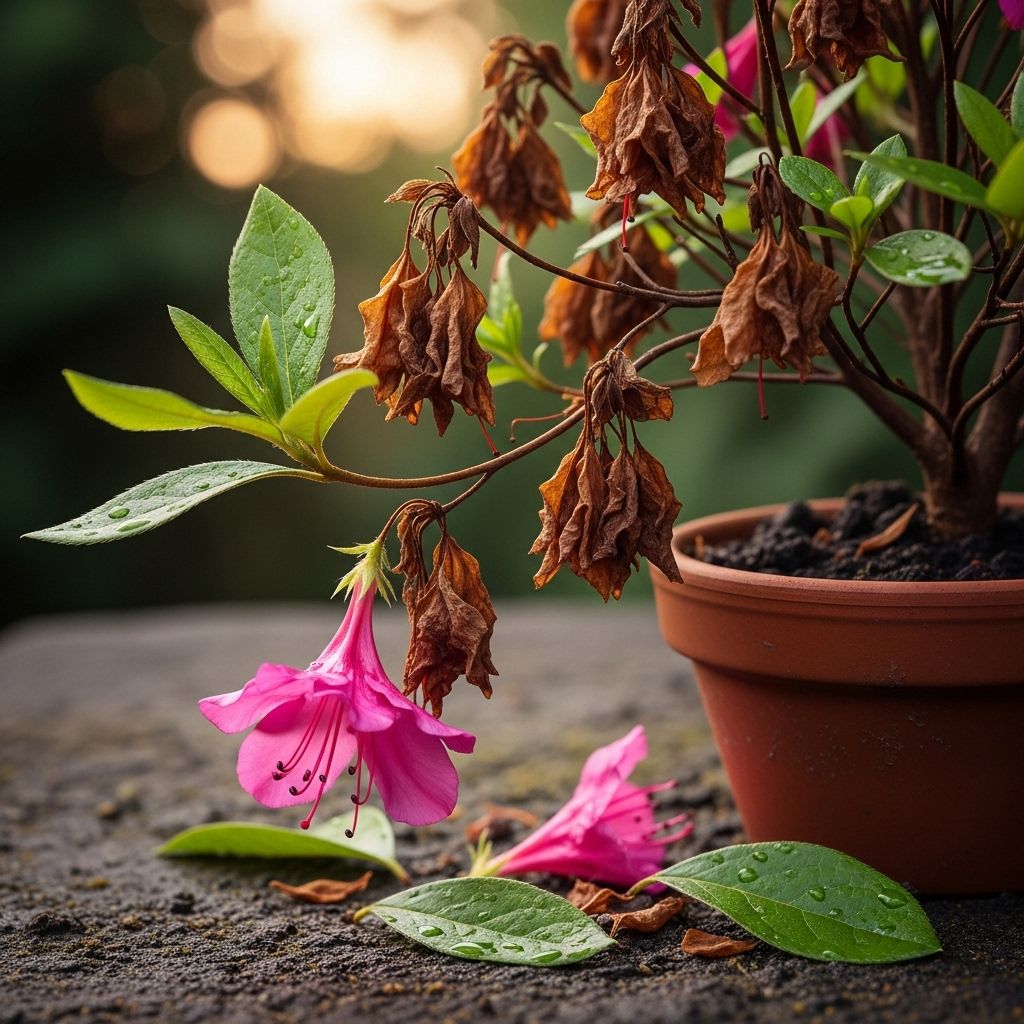
Azaleas brighten up gardens with their spectacular blooms, but even the most robust shrub can face distress. If your azalea appears to be dying, there are actionable steps you can take to nurse it back to health. Understanding common causes of decline—and how to correct them—can restore these beloved shrubs to their former vibrance.
Understanding Azalea Decline: Common Causes
Azaleas are generally resilient, but a number of environmental, cultural, and biological factors can cause them to falter. Knowing the underlying reasons is the first step towards effective treatment.
- Improper watering
- Excess sun exposure
- Over-fertilization
- Pest infestations
- Disease (such as root rot or dieback)
- Soil mismanagement
- Poor transplanting or location
Improper Watering
Azaleas possess shallow root systems that are sensitive to both excessive dryness and standing water. Water-related stress is a leading cause of azalea decline, particularly in young or recently transplanted shrubs.
Symptoms of Water Stress
- Drooping, wilted, or floppy leaves
- Crisp, browned leaf edges (from under-watering)
- Soft, mushy roots and yellowing foliage (from over-watering)
How to Fix Watering Issues
- Monitor water levels: Azaleas require about one inch of water per week. Use a rain gauge for accuracy.
- Water deeply and slowly: Especially if the plant has dried out, allowing the water to reach the entire root zone.
- Check drainage: Soggy soil or persistent standing water can indicate inadequate drainage. Improve site conditions if needed.
- Mulch: Apply a 2-3 inch layer of organic mulch to conserve moisture and protect roots from temperature extremes.
Too Much Sun
While some azalea varieties tolerate full sun, most thrive best with partial shade. Excessive sunlight can stress the plant, reducing vigor and bloom longevity.
Symptoms of Sun Stress
- Curling, browned, or yellowing leaves
- Premature flower drop
- Overall stunted growth
- Increased pest and disease susceptibility due to weakened condition
How to Fix Sun Exposure Problems
- Relocate the shrub: Transplant to a site with filtered light or dappled shade, especially in the heat of the afternoon.
- Install shade cloth or plant near taller shrubs/trees to naturally protect from harsh rays.
- Monitor moisture: Increased sun can dry the soil; ensure consistent watering during hot spells.
Too Much Fertilizer
While fertilization can enhance azalea health, excessive or poorly timed applications can cause more harm than good, leading to root and leaf burn or even permanent damage.
Symptoms of Fertilizer Burn
- Leaf edges or tips browning and curling
- Leaf drop, especially on older foliage
- Lack of new growth or general stunting
How to Fix Fertilizer Problems
- Flush the soil thoroughly: Use ample water to leach excess fertilizer from the root zone as soon as symptoms are noticed.
- Trim damaged foliage: Remove affected leaves and stems to promote healthy regrowth.
- Fertilize judiciously: Opt for a slow-release, balanced formulation (such as 10-10-10) or one tailored for acid-loving plants, and avoid feeding after midsummer.
- Apply mulch: Mulch around the base to protect roots recovering from burn.
Pests and Diseases
Several pests and diseases specifically target azaleas, especially when shrubs are already stressed by environmental conditions.
Common Pests
- Lace bugs: Cause stippled, faded, or yellow leaves; look for small insects underneath leaves.
- Spider mites: Lead to bronze or mottled foliage, often with fine webbing.
- Azalea caterpillars: Chew mass amounts of foliage when populations increase.
Common Diseases
- Root rot (Phytophthora): Symptoms include wilting, leaf discoloration, branch dieback, and brown, mushy roots. Poor drainage is the usual culprit.
- Petal blight: Blooms develop brown spots and mushy areas, quickly destroying flowers.
- Dieback (fungal disease): Causes twigs and leaves to yellow, wilt, and die. Can be identified by brown streaks inside cut stems.
- Leaf gall: Foliage swells and distorts, eventually turning white and dropping.
How to Address Pests and Diseases
- Inspect regularly: Catch issues early by examining foliage and stems.
- Remove affected parts: Prune diseased or infested branches and dispose of them to prevent spread.
- Use approved treatments: For pests, consider horticultural oils, insecticidal soap, or appropriate systemic insecticides. For fungal issues, use copper or sulfur-based fungicides, or specific treatments as recommended.
- Improve site conditions: Enhance drainage and reduce moisture on foliage by spacing plants and watering at the base.
Poor Soil or Wrong Location
Azaleas demand well-draining, acidic, organically rich soil (pH 4.5–6.0). Planting in unsuitable earth or in a location with poor air circulation can trigger decline, no matter what else you do right.
- Symptoms: Weak growth, yellow or pale leaves (chlorosis), browning edges, persistent wilting, overall thinning.
- Soil test: Check pH and nutrients; amend accordingly with compost, pine bark, or iron supplements if lack of acidity is the issue.
- Replant if necessary: Remove and relocate azaleas to suitable soil and exposure rather than fighting a losing battle.
Transplant Shock and Environmental Changes
Moving azaleas, especially during active growth or without care, can shock the plant. Symptoms mimic those from water or soil problems, including wilting, yellowing, and stunted growth.
How to Minimize Transplant Shock
- Transplant in early spring or fall, avoiding the hottest months.
- Retain as much root ball as possible and keep roots moist during the process.
- Water deeply after replanting and maintain consistent moisture as the plant re-establishes.
- Provide shade: Temporary shading can help transplanted shrubs recover.
Nutrient Deficiencies
Although not heavy feeders, azaleas require adequate amounts of iron, magnesium, and other micronutrients to avoid chlorosis and browning. Deficiency typically presents as pale or yellowing leaves with green veins.
Remedies for Nutrient Problems
- Apply an acid-forming fertilizer or chelated iron supplement based on soil test results.
- Top-dress with compost or well-rotted leaf mold annually to enrich the root zone.
- Mulch using pine bark or needles, which gradually acidify the soil.
Step-by-Step Recovery Guide
- Identify the cause: Examine symptoms carefully (wilting, browning, gall, etc.). Compare with known issue profiles above.
- Correct watering practices: Water deeply, but allow the soil to dry slightly before re-watering. Adjust schedule based on weather and soil conditions.
- Adjust light exposure: Relocate the shrub if it is suffering from excessive sun or deep shade.
- Amend soil: Add organic matter, check pH, and correct as needed for acidity and drainage.
- Prune damaged material: Remove all visibly dead, diseased, or infested branches and leaves. Clean pruning tools between cuts.
- Treat for pests/diseases: Apply appropriate organic or chemical controls, and improve air circulation to curb future outbreaks.
- Be patient: Recovery can take weeks to months depending on the severity of damage and the steps taken. Continue monitoring and caring for your azalea during regrowth.
Quick Troubleshooting Table
| Symptom | Likely Cause | Solution |
|---|---|---|
| Drooping/wilting leaves | Under/over-watering | Adjust watering, mulch, check drainage |
| Yellowed, mottled leaves | Chlorosis, nutrient deficiency | Apply iron/magnesium supplements, test pH |
| Leaf tips brown, drop | Fertilizer burn | Flush soil, cut damaged leaves, apply mulch |
| Patchy dieback | Fungal disease, root rot | Remove affected branches, improve drainage, use fungicides |
| Holes, chewed leaves | Pests (lace bugs, caterpillars) | Prune, manual removal, insecticidal soap |
| Stunted growth | Poor site, transplant shock | Relocate plant, provide shelter, consistent watering |
Extra Tips for Long-Term Azalea Health
- Monitor yearly: Walk your garden every season to catch issues early.
- Prune after blooming: Encourage bushy growth and remove spent flowers.
- Replenish mulch annually: Organic mulch regulates temperature and moisture, reducing stress.
- Avoid deep cultivation: Azalea roots are shallow and easily damaged by digging.
- Group with compatible plants: Choose acid-loving companions to maintain optimal soil conditions.
Frequently Asked Questions (FAQs)
Why are the leaves on my azalea turning brown?
Brown leaves can stem from over/under-watering, fertilizer burn, fungal diseases, or sun scorch. Assess watering routines, look for disease signs, and check for placement issues.
My azalea is dropping leaves—should I be worried?
Some leaf drop is normal, especially in adaptation after transplanting or seasonal changes. However, excessive or rapid leaf loss signals stress that needs prompt attention. Pinpoint environmental or biological causes to guide your intervention.
How do I know if my azalea is dead or just stressed?
Scratch the bark on a young branch. If the tissue beneath is green and moist, the plant is alive and may recover with care. Brittle, brown tissue indicates dead wood that should be pruned away.
Can I revive an old, declining azalea, or should I replant?
If roots appear healthy and new growth is present, azaleas can often recover with improved care. If roots are mushy or the majority of branches are dead, replanting may be more practical.
When is the best time to fertilize azaleas to avoid damage?
Fertilize azaleas in early spring to early summer. Avoid fertilizing after July, since late feeds can encourage weak, frost-sensitive growth.
Summary
Azalea decline is often reversible if you systematically check and improve their environment, watering, soil, and disease resistance. Consistent monitoring and a few simple adjustments can restore most azaleas to healthy, glorious bloom. Mind the critical factors—water, light, soil, and pest/disease defense—for resilient and thriving shrubs year after year.
Similar Articles




Read full bio of medha deb