Best Companion Plants for Thyme in Your Garden
Discover how to pair thyme with vegetables, herbs, and flowers to boost health, flavor, and pest resistance in your garden.
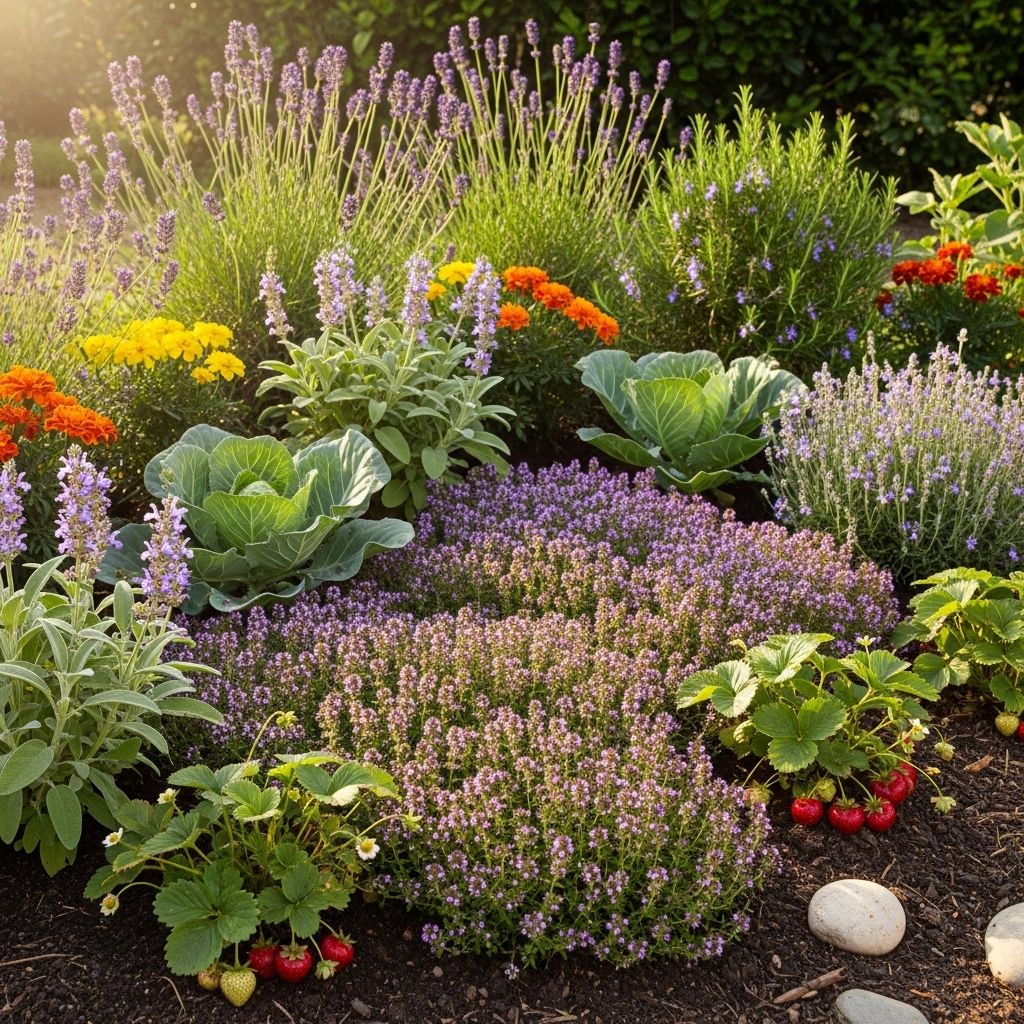
Companion planting is the art of grouping plants in ways that boost growth, prevent pests, and maximize garden health. Thyme, a drought-tolerant and fragrant perennial herb, is renowned not only in the kitchen but also as one of the most advantageous companion plants you can add to your vegetable or flower garden. But what are the best plants to grow with thyme, and which combinations should be avoided? This comprehensive guide covers practical advice, the science behind companion planting, compatible and incompatible plants, and garden design insights to help you create harmonious, flourishing spaces.
Contents
- Why Use Thyme for Companion Planting?
- Best Companion Plants for Thyme
- Compatible Herbs to Grow with Thyme
- Flower Companions for Thyme
- Plants to Avoid Near Thyme
- Garden Design Strategies with Thyme
- Practical Companion Planting Tips
- Frequently Asked Questions (FAQs)
Why Use Thyme for Companion Planting?
Thyme is not just an aromatic culinary delight; its qualities go far beyond taste and fragrance when used as a companion plant:
- Pest Control: Thyme repels certain insect pests, such as cabbage loopers, tomato worms, flea beetles, and carrot flies. Its aromatic oils confuse or deter some insects, acting as a natural pesticide.
- Pollinator Attraction: The small flowers of thyme attract honey bees, predatory wasps, and other pollinators, supporting healthy fruit and vegetable development.
- Soil Erosion Aid: By thriving in rocky, arid areas, thyme helps prevent soil erosion, especially on slopes or raised beds.
- Drought Tolerance: Thyme withstands dry periods and cold snaps, making it ideal for low-maintenance or xeriscape gardens.
- Flavor Enhancement: Anecdotal and some scientific reports suggest that thyme can subtly improve the flavor of neighboring crops such as potatoes, shallots, and strawberries.
Best Companion Plants for Thyme
The key to successful companion planting is pairing thyme with species that share similar cultural requirements: full sun, well-drained soil, and a tolerance for drought. Below is an extensive list of compatible vegetables and a table summarizing their specific benefits.
Top Vegetables to Plant with Thyme
- Brassicas: Includes cabbage, broccoli, cauliflower, and Brussels sprouts. Thyme masks the scent of these crops from cabbage white butterflies, reducing egg-laying and damage from caterpillars.
- Nightshades: Tomatoes, peppers, and eggplants thrive alongside thyme, which helps repel common pests like tomato hornworms and flea beetles. Their shared need for sunlight and drier soil makes them excellent companions.
- Root Vegetables: Onions, garlic, carrots, and shallots benefit from thyme’s pest-deterrent and soil health-boosting properties.
- Potatoes: Thyme is said to enhance potato flavor while helping keep away potato beetles.
- Strawberries: Thyme’s ground-cover qualities help retain soil moisture and may subtly boost fruit flavor.
- Roses: Thyme is sometimes planted at the feet of rose bushes to deter aphids and promote healthy growth.
| Vegetable | Main Benefit of Planting with Thyme |
|---|---|
| Cabbage, Broccoli, Cauliflower | Masks scent from cabbage pests, reduces worm/caterpillar damage |
| Tomato, Pepper, Eggplant | Pest protection (tomato worms, flea beetles); shared sunlight/watering needs |
| Carrots | Helps repel carrot flies |
| Onions, Garlic | Combines with their natural repellency to form a ‘defense belt’ against multiple pests |
| Potatoes | Repels beetles, flavor enhancement |
| Strawberries | Suppression of weeds, possible improved fruit flavor |
Compatible Herbs to Grow with Thyme
Thyme flourishes alongside other herbs that favor sunny, dry conditions and poor soil. Pairing compatible herbs creates a visually diverse and aromatic herb bed, and many reinforce each other’s pest-repelling qualities.
- Rosemary – Mediterranean native; great for mixed herb beds.
- Sage – Shares drought and pest resistance with thyme.
- Oregano and Marjoram – Close relatives, their proximity enhances growth and pests are further deterred.
- Lavender – Offers colorful blooms, shared requirements, and attracts many beneficial insects.
- Salvia and Penstemon – Sun-loving perennials with similar water needs.
Design tip: Try mixing several Mediterranean herbs in a spiral or raised bed, layering thyme around the edges and taller herbs toward the center.
Flower Companions for Thyme
Beyond herbs and vegetables, several edible and ornamental flowers pair well with thyme to support pollinator populations and provide season-long color. Choose those that tolerate drought and prefer well-drained soils:
- Calendula
- Nasturtiums
- Cosmos
- Marigolds
- Pentas, vinca, moss rose, annual verbena, lantana, and celosia (in containers)
These flowers not only attract pollinators but can act as trap crops, diverting pests away from valuable vegetables.
Plants to Avoid Near Thyme
Just as important as knowing strong companions is understanding which plants are incompatible with thyme due to their contrasting needs or aggressive growth.
- Moisture-Lovers: Plants that need continuously wet soil, such as cattails, flag iris, marsh marigold, or Egyptian papyrus, will not fare well with thyme and may encourage root rot.
- Spreading Grasses & Invasive Annuals: Vigorous grasses and fast-seeding annuals can choke out thyme, reducing both vigor and garden manageability.
- Cilantro, Basil, Chives: These herbs prefer richer, moister soils and may not thrive alongside thyme. Competition can reduce the flavors and yields of both species.
When in doubt, check each plant’s specific sunlight, water, and soil preferences. Avoid combining thyme with any crop requiring frequent irrigation or heavy feeding.
Garden Design Strategies with Thyme
Beyond plant combinations, how you physically arrange thyme in your garden makes a substantial difference:
- Edging & Borders: Use thyme along pathways, raised bed edges, or garden borders. These placements provide aromatic delights as people brush past and help keep weeds in check.
- Ground Cover: Creeping thyme varieties make excellent low-maintenance living mulch between rows of larger vegetables (such as broccoli or tomatoes). This suppresses weeds, keeps soil moist, and creates a habitat for helpful insects.
- Layered Planting: Plant thyme in the sunniest, outer areas of garden beds, with taller vegetables or herbs toward the center. This ensures thyme gets sufficient sunlight while still delivering its protective benefits to the whole bed.
- Container Gardens: Mix thyme in pots with summer annuals or Mediterranean herbs for attractive, low-care displays. Choose flowers and herbs that tolerate drying out between waterings.
- Slopes & Rocky Spots: Make use of thyme’s soil-holding ability by planting it on slopes or dry, rocky patches where other plants may fail.
Practical Companion Planting Tips for Thyme
Increasing your garden’s productivity with thyme is most effective when you address the following practical details:
- Soil Preparation: Thyme needs sharp drainage; mix sand or fine gravel into heavy soils before planting.
- Plant Placement: Position thyme on south- or west-facing slopes or the sunny edge of beds, away from areas prone to waterlogging.
- Water Wisely: Only water thyme when the soil is dry; overwatering encourages root rot.
- Harvest Regularly: Frequent clipping encourages bushier plants and prevents flowering spikes from shading neighbors.
- Avoid Overcrowding: Give carrots and other root vegetables at least 10 inches buffer from thyme, as they need space for tuber development.
Remember that not all companion planting claims are supported by scientific studies; adapt recommendations for the specific climate, soil, and conditions of your garden.
Frequently Asked Questions (FAQs)
Q: What makes thyme such a good companion plant?
A: Thyme repels pests, attracts pollinators, improves soil stability, and is drought-resistant. It works well with plants that appreciate dry, sunny spots and poor soil, like Mediterranean herbs and many vegetables.
Q: Are there vegetables that should not be grown close to thyme?
A: Yes. Vegetables or herbs that require wet soil, such as basil, cilantro, or celery, may not thrive. Spreading grasses and invasive weeds can also choke out thyme and should be avoided.
Q: How close should I plant thyme to my vegetables?
A: Plant thyme within 12–18 inches of its companion vegetable. For root crops like carrots, allow extra space for root spread; for taller veggies, place thyme on the sunny edge.
Q: Can I grow thyme in containers with other plants?
A: Yes. Choose companion herbs and annuals that tolerate drier soil, like lavender, rosemary, and annual verbena. In containers, ensure drainage holes are present and avoid overwatering.
Q: Does it really improve the flavor of nearby vegetables?
A: Many gardeners claim enhanced flavor for certain vegetables (especially potatoes and shallots) grown near thyme, though scientific evidence is limited. Soil health, pest resistance, and pollinator support likely contribute to more robust crops overall.
Q: What’s the best way to use thyme as ground cover?
A: Use low-growing varieties such as creeping thyme. Place them between rows or at the edge of pathways to suppress weeds, maintain soil moisture, and reduce maintenance.
Q: Do I need to rotate thyme away from other plants each year?
A: Thyme is perennial and can remain in place for several years if conditions are suitable. However, refresh soil amendments and check for vigor annually.
Maximize Your Garden’s Potential with Thoughtful Thyme Pairings
Whether you’re a small-space urban grower or tending a large backyard plot, using thyme as a companion plant adds fragrance, beauty, and ecological balance to your garden. By selecting compatible neighbors—herbs, vegetables, and flowers—you’ll foster a thriving, pest-resistant, and low-maintenance landscape that rewards your palate and the pollinators alike. As always, observe your plants, adapt to changing conditions, and enjoy the sensory pleasures thyme brings to every garden space.
Similar Articles


Read full bio of medha deb