The Ultimate Guide to Choosing the Best Garden Manure for Thriving Plants
Unlock the full potential of your garden with this comprehensive guide to selecting, preparing, and using the right manure.
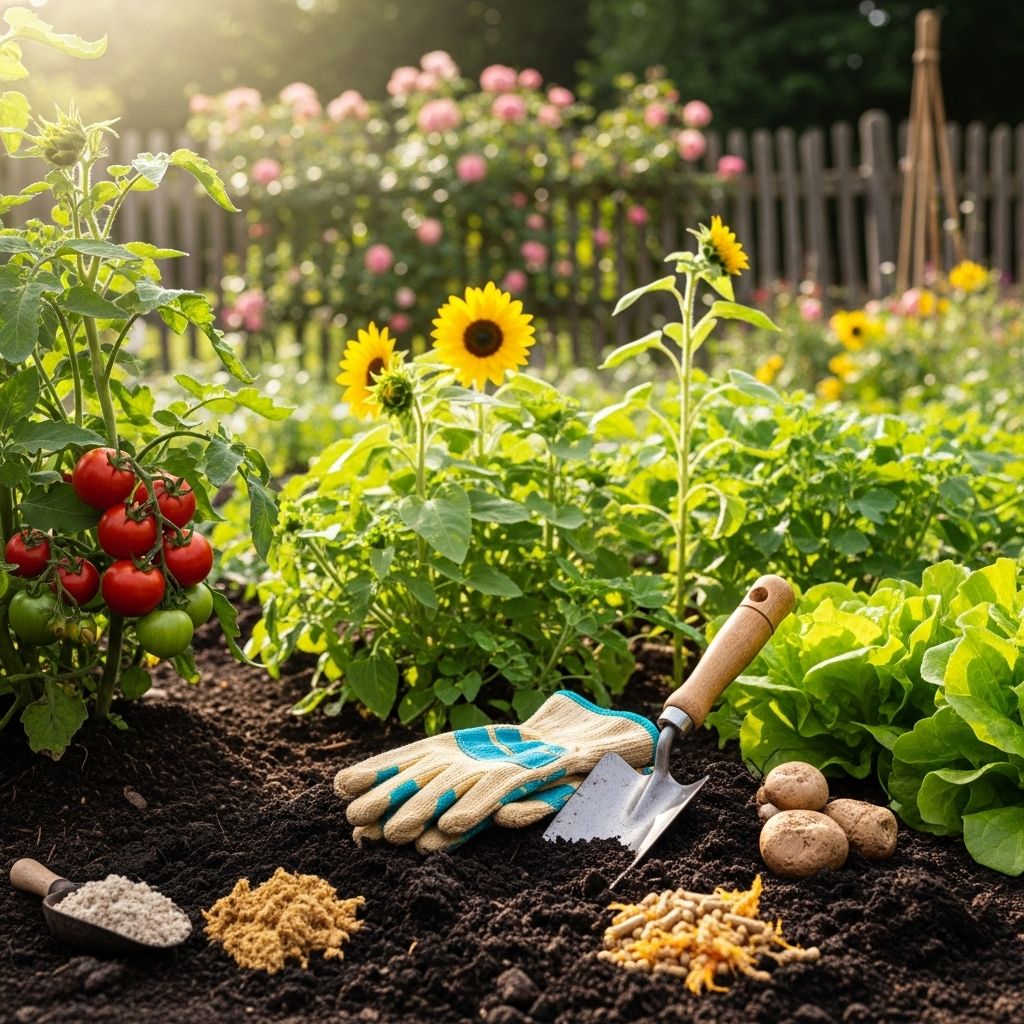
The Ultimate Guide to Choosing the Best Garden Manure
Manure has long been heralded by gardeners as one of the most effective and natural ways to enrich soil and nourish plants. From boosting microbial activity to improving soil structure and providing essential nutrients, manure can dramatically transform lackluster garden beds into fertile, productive plots. However, with a variety of manure types available—each with specific characteristics—it’s essential to select the right manure for your particular garden needs. This guide explores the various types of manure, their unique benefits, best practices for their use, and answers to common questions, ensuring your plants reach their maximum potential.
Table of Contents
- Why Use Manure in the Garden?
- Types of Manure: Hot vs. Cold
- Top Manure Types and Their Benefits
- How to Use Manure Safely and Effectively
- Tips on Selecting and Handling Manure
- Best Manure for Different Plants and Gardens
- Manure Comparison Table
- Frequently Asked Questions (FAQs)
Why Use Manure in the Garden?
Manure is more than just an age-old fertilizer; it is a fundamental building block for organic gardening. The key benefits of using manure include:
- Enriching soil with organic matter, thereby improving soil texture and water retention.
- Providing a slow-release source of essential nutrients, such as nitrogen (N), phosphorus (P), and potassium (K).
- Stimulating beneficial microbial activity, which helps in breaking down nutrients and keeping plants healthy.
- Improving drainage in heavy soils and enhancing moisture retention in sandy soils.
- Promoting vigorous root and shoot growth, leading to overall plant vitality.
However, not all manures are the same. The nutrient density and structure-altering qualities differ widely by manure type, so understanding hot versus cold manures is crucial for success in the garden.
Types of Manure: Hot vs. Cold
Garden manures fall into two primary categories based on their nutrient profile and how they affect plant roots:
- Hot Manures: These are rich in nutrients, particularly nitrogen. However, if applied fresh, hot manures can “burn” plants, leading to stunted growth or even death. Examples of hot manures include chicken, horse, pig, and other poultry manures. They must be composted or aged before use.
- Cold Manures: These are lower in nutrients and therefore less likely to burn plants when fresh. Common cold manures include cow, sheep, goat, llama, and alpaca droppings. Cold manures are safer for direct application to gardens but still perform best when aged.
All manures benefit from aging or composting, which helps kill weed seeds and pathogens, reduces odor, and makes nutrients more available for plants.
Top Manure Types and Their Benefits
Chicken Manure
Chicken manure is one of the richest sources of garden nutrients, especially high in nitrogen and phosphorus. Ideal for leafy greens and lawns, it should not be used fresh as it is highly potent and can damage plants. After composting, it makes an excellent top-dressing for gardens needing a nitrogen boost. Avoid using on phosphorous-sensitive plants like proteas.
Horse Manure
Horse manure is another commonly available resource for gardeners. While it is less nitrogen-rich than chicken manure, it is valuable for improving soil texture and adding organic matter. One caution is that horse manure can contain weed seeds and should always be aged before use to prevent introducing unwanted plants to your garden beds.
Cow Manure
Known for being a “cold” manure, cow manure is low in nutrients but excellent for building soil structure. It’s especially suitable for native gardens or vegetable gardens growing root crops such as carrots, onions, parsnips, and beets. Cow manure is a classic soil conditioner and rarely burns plants.
Sheep Manure
Sheep manure is favored for its balanced nutrition and the fact that its small, pellet-like droppings break down gradually, releasing nutrients over time. It’s easier to handle, contains fewer weed seeds, and is gentle enough for most vegetables and flowers. This manure is often considered one of the best all-purpose options for gardeners.
Other Manures
- Goat, Llama, and Alpaca Manure: These manures are cold, lower in nutrients, and have fewer weed seeds. Their pellet form makes them easy to distribute and they are perfect for gardens where gentle soil improvement is desired.
- Pig Manure: Pig manure is comparatively nutrient-rich, but also higher in pathogens and potential contaminants, so it requires especially thorough composting before use.
- Other Poultry (Duck, Goose, Pigeon): Like chicken manure, these are high in nutrients and considered hot. They add a quick boost of nitrogen, but must be composted to be safe and effective.
How to Use Manure Safely and Effectively
To maximize the benefits of manure while minimizing risks, consistent adherence to safe garden practices is crucial. Here’s how to get the most out of your chosen manure:
- Avoid using raw manure, especially hot types, as it can burn plants and introduce pathogens.
- Compost manure for at least 6-12 months. This aging process stabilizes the nutrients, kills weed seeds, and reduces pathogens, especially in manures from omnivorous animals.
- Use protective gloves and a mask when handling manure. Poultry and pig manures, in particular, can contain bacteria harmful to humans.
- Apply manure several weeks before planting. This allows any remaining ammonia or high nutrient levels to dissipate, making beds safer for seeds and seedlings.
- Incorporate manure into soil rather than relying solely on top-dressing, as this ensures nutrients become available at root level and minimizes leaching.
Composting Manure: Key Steps
- Build a pile with manure, straw, garden waste, and carbon-rich browns (leaves or shredded paper).
- Turn the pile every 2-3 weeks to introduce oxygen and promote even decomposition.
- Monitor moisture—your pile should be damp like a wrung-out sponge—if it gets dry, add water.
- Once it’s dark, crumbly, and earthy-smelling, your composted manure is ready for garden use.
Tips on Selecting and Handling Manure
Not all manure is created equal! Consider these guidelines when selecting manure for your garden:
- Source manure from trusted, organic farms—avoid manures contaminated with pesticides, antibiotics, or chemicals.
- Avoid manure from animals fed on broadleaf herbicides (such as aminopyralid), which can remain active in manure and harm your crops.
- Know your garden’s needs: For nutrient-hungry crops (like cabbages, tomatoes, corn), use richer (hot) manures. For root vegetables or natives, stick with milder (cold) manures.
- Check availability: Choose a manure type that’s locally accessible and cost-effective.
Best Manure for Different Plants and Gardens
| Plant Type | Recommended Manure | Notes |
|---|---|---|
| Leafy Greens (lettuce, spinach, kale) | Chicken, Duck, Goose | High nitrogen for lush foliage; compost first |
| Root Vegetables (carrots, onions, beets) | Cow, Sheep | Mild nutrient levels; safer for roots |
| Flowers and Ornamentals | Horse, Sheep | Improves structure and gradual nutrient release |
| Fruit Trees | Horse, Sheep, Poultry (aged) | Mix with compost for balanced feeding |
| Native Plants | Cow, Goat, Llama, Alpaca | Feed gently—avoid excess phosphorus |
| Lawns | Chicken (composted) | Encourages green growth and rapid recovery |
Manure Comparison Table
| Manure Type | Hot/Cold | Nutrient Level | Weed Seeds | Ideal For |
|---|---|---|---|---|
| Chicken | Hot | Very High | Low if composted | Greens, lawns |
| Horse | Hot | Moderate | High (must age) | Soil conditioning, ornamentals |
| Cow | Cold | Low | Moderate | Root crops, natives |
| Sheep | Cold | Moderate | Low | Vegetables, general use |
| Goat/Llama/Alpaca | Cold | Low | Very Low | Natives, gentle soil improvement |
| Pig | Hot | High | Variable | Fruit trees (composted only) |
| Ducks/Geese/Pigeons | Hot | High | Low if composted | Lawns, leafy crops (composted) |
Frequently Asked Questions (FAQs)
Q: Can I use fresh manure directly in my garden?
A: It is not recommended to use fresh manure (especially hot manures) directly, as it can burn plants and introduce harmful pathogens. Always compost or age manure before use.
Q: How long should I compost manure before applying?
A: Compost manure for at least 6-12 months, turning the pile regularly for even decomposition and to ensure pathogens and weed seeds are eliminated.
Q: Are there plants that shouldn’t be fertilized with certain manures?
A: Yes. Avoid using high-phosphorus chicken manure on phosphorus-sensitive plants (such as proteas). Use milder (cold) manures for root vegetables and natives.
Q: Does manure attract pests?
A: Well-aged or composted manure is not attractive to most pests; however, fresh manure can attract flies or rodents, so always compost it thoroughly.
Q: Can I make my own manure compost at home?
A: Absolutely. Manure composting is straightforward—combine manure with straw or leaves, turn the pile, and let it age until it’s dark and crumbly. This DIY compost enriches your soil and closes the nutrient loop in your garden.
Q: How much manure should I add to my garden beds?
A: Application rates depend on manure type and crop. Generally, 2-4 inches of composted manure tilled into the topsoil is sufficient for most beds. Avoid over-application to prevent nutrient runoff and salt buildup.
Unlock Your Garden’s Potential with the Right Manure
Choosing the best manure for your garden is a powerful step toward lush, healthy plants and productive harvests. By understanding the different types of manure, their nutrient profiles, and safe application techniques, you can tailor your approach for every bed and every plant. Embrace manure as nature’s ultimate fertilizer, and enjoy the rewards of richly nourished, thriving soil season after season.
Similar Articles


Read full bio of medha deb