Best Time to Plant Tomatoes: Guidelines for a Thriving Harvest
Unlock the secrets to perfect tomato planting—timing, temperatures, and tips for every region and gardener.
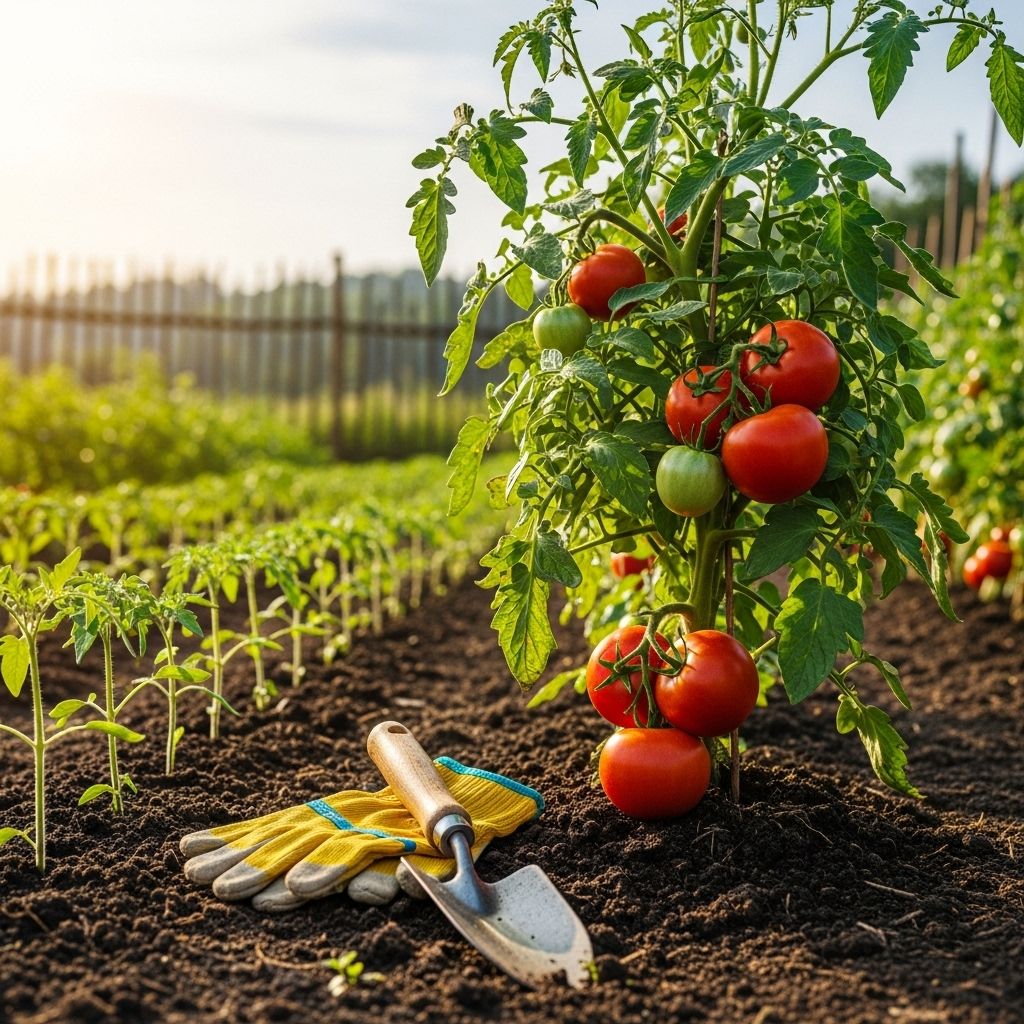
Knowing when to plant tomatoes is crucial for gardeners who aim to enjoy a robust harvest of these beloved warm-season crops. Tomatoes are sensitive to low temperatures and frost, requiring both the right timing and environmental conditions for successful growth. This article is your comprehensive guide to understanding the best planting windows, seed-starting tips, regional advice, and practical FAQs to ensure your tomato plants thrive from seed to fruit.
The Fundamentals: Understanding Tomato Growth Requirements
Tomatoes are heat-loving annuals that flourish with warm soil, abundant sunshine, and protection from frost. Their growth and productivity are directly affected by planting time, local climate, and variety selection. Planting tomatoes too early exposes them to chilling injury or death, while delaying planting may shorten the fruiting period and decrease your harvest.
- Ideal Soil Temperatures: Tomatoes thrive when soil temperatures reach 65–75°F (18–24°C).
- Frost-Free Conditions: Wait until all danger of frost has passed before planting outdoors.
- Sunlight: Aim for a site with full sun—at least 6 to 8 hours a day.
When to Start Tomato Seeds Indoors
While it’s tempting to get a jump on the growing season, starting seeds too early can result in weak, leggy seedlings due to insufficient sunlight in late winter or early spring. The optimal timing balances healthy seedling development with outdoor planting dates.
- Start seeds indoors: 6–8 weeks before your area’s last expected frost date.
- Check your USDA Hardiness Zone: Warmer zones may sow earlier and may even opt for a second planting mid-season.
- In cooler zones, choose varieties with shorter maturity times to ensure fruit before autumn frost.
- Direct sowing: In regions with long, warm seasons, seeds may be planted directly outdoors once frost risk is minimal and soils have warmed to at least 65°F (18°C).
When Are Tomato Seedlings Ready for Outdoor Planting?
The right time to transplant tomato seedlings is as much about the plant’s development as it is about outdoor conditions. Healthy, established seedlings withstand the rigors of relocation better, minimizing transplant shock and maximizing yield.
- Size: Seedlings should be 6–10 inches (15–25 cm) tall, with two or three pairs of true leaves (distinct from the initial seed leaves, or cotyledons).
- Hardening off: Seedlings started indoors must be gradually acclimated to outdoor light, wind, and temperature for about a week before transplanting.
How to Harden Off Tomato Seedlings
- Place seedlings outdoors in a sheltered, partially shaded spot for 1–2 hours the first day.
- Gradually increase exposure by 1–2 hours and move them into more sunlight each day.
- By the seventh day, seedlings should tolerate direct sunlight and outdoor temperatures for a full day.
Best Time of Day to Plant Tomatoes
Transplanting tomatoes at the right time of day aids in minimizing stress to plants. The best practice is to plant in the late afternoon or early evening, when sunlight is less intense and temperatures begin to drop.
- This schedule allows seedlings to begin adjusting overnight, reducing the risk of wilting or sunburn.
Regional Guidelines for Planting Tomatoes
Tomato planting windows vary significantly by region, governed by local temperatures, frost dates, and growing season length. Use the following regional guidelines to tailor your planting schedule.
| Region | Ideal Planting Time | Key Details |
|---|---|---|
| Southern US | January to March | Plant early for an April/May harvest. A second crop can be started in summer (July-August). |
| Mid-Atlantic | April to May | Start seeds indoors late winter. Transplant late spring for early summer harvest. |
| Pacific Northwest | Late April to May | Transplant after soils warm. Harvest from midsummer to early fall. |
| Northeast & Midwest | Late May to early June | Start seeds indoors in March; transplant post-frost for midsummer to fall harvest. |
| Frost-Free/Year-Round Zones | Any time soil is consistently warm | Multiple crops possible. Monitor moisture/rainfall in summer and fall. |
Factors Affecting Local Planting Dates
- Elevation: Higher elevations experience later last frost dates.
- Microclimates: Urban areas may warm faster than rural spots. Sheltered gardens may be suitable for earlier planting.
- Weather Trends: Monitor 10–14 day weather forecasts and soil thermometer readings for reliable guidance.
Variety Selection and Days to Maturity
Each tomato variety requires a specific number of days from transplanting to producing ripe fruit, known as the “days to maturity.” This information is usually available on seed packets or plant labels.
- Choose early-maturing varieties (55–70 days) if you live in a region with short summers or unpredictable early frosts.
- Gardeners in warmer, longer-season areas can experiment with slower maturing, larger-fruited types.
- “Cold-set” or “early set” types tolerate slightly cooler conditions but still need frost-free weather.
Common Tomato Planting Mistakes to Avoid
- Planting before frost-free date: Even light frost can kill young tomato plants.
- Transplanting weak, leggy seedlings: Start seeds at the right time and provide sufficient light to prevent spindly growth.
- Planting in cold soil: Wait until soil temperature is above 60°F (16°C)—cold soil stunts growth.
- Ignoring hardening off: Sudden transition from indoors to outdoors can shock seedlings, causing slowed growth or death.
Planting Techniques: Depth and Support
Proper planting sets the stage for vigorous, resilient tomato plants. Because tomatoes can root along their stems, they benefit from deep planting. The trench planting method is also helpful for long or leggy seedlings.
- Plant seedlings deeply: Remove lower leaves and bury two-thirds of the stem; roots will form along the buried stem, promoting a stronger plant.
- Trench planting: For extra-long seedlings, dig a shallow trench and lay the stem sideways, covering all but the top leaves.
- Immediate support: Stake or cage your plants at planting to avoid root disturbance later.
Frequently Asked Questions (FAQs)
Q: Can I plant tomatoes immediately after the last frost date?
A: Only if the soil and nighttime temperatures have warmed to at least 55–60°F (13–16°C); cold soil stunts and weakens young plants.
Q: What if I start seeds too early?
A: Early-seeded plants become leggy with weak stems due to low light. Optimal seed starting indoors is 6–8 weeks before your outdoor planting date.
Q: How late can I plant tomatoes?
A: In northern zones, seedlings should be planted by late June at the latest to assure harvest before autumn frost. In southern or frost-free zones, summer plantings for a fall crop are possible.
Q: Do all tomato varieties require the same planting time?
A: No; check “days to maturity” on the seed packet and match it to your region’s frost-free growing period.
Q: Is there an ideal time of day to transplant tomatoes?
A: Late afternoon or early evening is best to minimize heat and transplant shock.
Pro Tips for Healthy Tomato Transplants
- Water before transplanting: Seedlings should be well watered the day before moving to reduce stress.
- Select a cloudy day: Overcast or partly cloudy conditions are less stressful for seedlings than full sun during transplant.
- Mulch after planting: Adding mulch helps retain moisture and keeps soil temperature steady as plants recover and grow.
- Feed sparingly at first: Avoid heavy fertilization during transplanting; too much nitrogen at this stage can inhibit root development.
Summary Table: Key Planting Guidelines
| Step | Best Practice |
|---|---|
| Seed Starting | 6-8 weeks before last frost indoors; direct sow after frost in warm climates |
| Transplant Readiness | Seedlings 6-10″ tall, 2–3 sets of true leaves, hardened-off |
| Soil Temp. at Planting | At least 60–65°F (16–18°C) |
| Planting Depth | Up to the top set of leaves; trench-plant if seedling is leggy |
| Time of Day | Late afternoon or early evening |
| Regional Adjustments | Use frost dates, soil thermometer, and local wisdom |
Conclusion: Your Tomato Planting Checklist
- Confirm your region’s last expected frost date.
- Start seeds indoors or plan transplanting based on local soil temps.
- Prepare seedlings by hardening off for a week before moving outdoors.
- Transplant on a mild, cloudy afternoon, using mulch for protection.
- Match your variety to your growing season using “days to maturity.”
With good timing and a little preparation, you can pave the way for luscious, sun-ripened tomatoes straight from your own garden. Happy planting!
Similar Articles



Read full bio of medha deb