59 Blue Flowers: Complete List With Names and Growing Tips
Discover 59 stunning blue flowers with names, care tips, and pictures for enchanting, vibrant gardens.
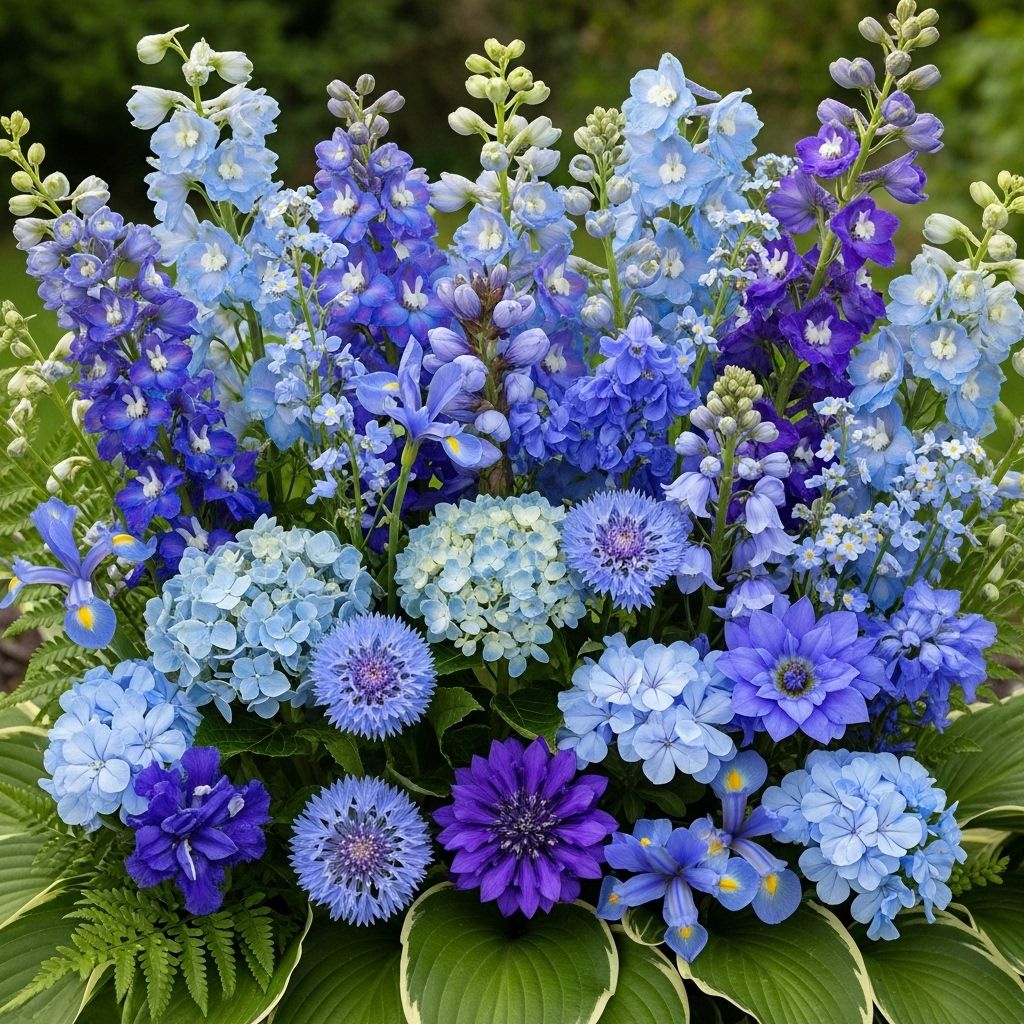
Transform your garden into an oasis of calm and enchantment with the cool, vivid hues of blue flowering plants. Of all garden colors, blue is among the rarest and most prized. From delicate spring bloomers to robust summer standouts and subtle autumn favorites, blue flowers draw the eye and soothe the soul. This guide details 59 blue-flowered plants, including care tips, bloom times, notable features, and how to incorporate them into your landscaping for year-round beauty.
Introduction: Why Plant Blue Flowers?
Blue flowers offer an unparalleled sense of tranquility. Associated with peacefulness, coolness, and depth, they work well in a variety of garden styles from classic cottages to modern palettes. Blue complements other colors beautifully and often attracts bees, butterflies, and other pollinators. True blue pigment is rare in the plant world, making these flowers both striking and unique additions to any outdoor space.
Blue Flower Varieties: Names, Descriptions, and Growing Needs
- Forget-Me-Not (Myosotis scorpioides)
- Height: 6-12 inches
- Spread: 9-12 inches
- Bloom Time: June to August
- Soil: Moist, organically rich; tolerates shallow water
- Light: Full sun to partial shade
- USDA zones: 5-9
- Notable: Butterfly attractant, low maintenance, can be invasive—check local guidelines before planting
- Gentian (Gentiana acaulis)
- Height: 4-6 inches
- Spread: Low-growing
- Bloom Time: May to June
- Soil: Gritty, moist but well-drained; tolerates occasional drought
- Light: Full sun (for flowers), but prefers cool summers
- USDA zones: 3-7
- Notable: Intense, deep blue flowers, minimal pest issues
- Oxford Blue (Eryngium bourgatii)
- Height: 18-24 inches
- Spread: 12-18 inches
- Bloom Time: Mid to late summer
- Soil: Well-drained; handles sandy and dry soils
- Light: Full sun
- USDA zones: 5-9
- Notable: Spiky, blue-violet flowers; sun deepens color
- Sea Holly (Eryngium planum)
- Height: 2-3 feet
- Spread: 1-2 feet
- Bloom Time: Midsummer
- Soil: Dry, sandy, well-drained
- Light: Full sun
- USDA zones: 5-9
- Notable: Steel-blue flowers, drought-tolerant, minimal pests and diseases
- Siberian Bugloss (Brunnera macrophylla)
- Height: 1-1.5 feet
- Spread: 1.5-2.5 feet
- Bloom Time: April to May
- Soil: Rich, moist
- Light: Partial to full shade, especially in hot climates
- USDA zones: 3-8
- Notable: Valued for both foliage and flowers, easy to care for
Table: Quick Reference to Blue Flower Types
| Common Name | Scientific Name | Best Light | Soil Needs | Height | Zones |
|---|---|---|---|---|---|
| Forget-Me-Not | Myosotis scorpioides | Part Sun – Full Sun | Moist, Rich | 6-12 in | 5-9 |
| Gentian | Gentiana acaulis | Full Sun | Gritty, Well-drained | 4-6 in | 3-7 |
| Oxford Blue | Eryngium bourgatii | Full Sun | Sandy, Dry | 18-24 in | 5-9 |
| Sea Holly | Eryngium planum | Full Sun | Dry, Sandy | 2-3 ft | 5-9 |
| Siberian Bugloss | Brunnera macrophylla | Shade-Partial | Moist, Rich | 1-1.5 ft | 3-8 |
How to Use Blue Flowers in Garden Design
- Create Calm Spaces: Sprinkle blue flowers among green foliage or white blooms for a cooling, tranquil effect.
- Contrast and Drama: Mix blues with oranges, yellows, and reds for vibrant, eye-catching borders.
- Themed Gardens: Design monochromatic beds with blue and purple flowers for a soothing retreat.
- Wildlife Attraction: Many blue flowers are favorites for bees, butterflies, and other pollinators—encouraging ecosystem health.
Growing and Care Tips for Blue Flowers
- Soil Preparation: Most blue perennials prefer well-drained, moderately fertile soil. Amend with compost as needed.
- Listen to the Light: While some varieties tolerate partial shade, the richest blue colors usually appear in full sun.
- Water Wisely: Establish strong roots with routine watering, but don’t overwater drought-tolerant species like Sea Holly.
- Seasonal Maintenance: Deadhead faded flowers to extend bloom and keep growth tidy. Many blue species require only minimal upkeep.
- Watch for Spreaders: Plants like Forget-Me-Not can self-seed prolifically. Contain as needed to prevent unwanted spread.
Popular Blue Flower Examples (Expanded)
Blue Mistflower (Conoclinium coelestinum)
This late-season perennial from the Sunflower family anchors autumn gardens with clouds of pastel blue that beckon pollinators. Adaptable to wet soils and partial shade, it grows 1.5 to 3 feet tall and blooms from late summer into the fall.
Heavenly Blue Morning Glory (Ipomoea tricolor)
Produces luminous sky-blue flowers on fast-growing vines. Plants are deer-resistant and ideal for adding dramatic vertical color to arbors and trellises. Blooming from summer until frost, they lend a cheerful, fresh accent to both containers and garden beds.
Blue Cathedral Bells (Cup and Saucer Vine) (Cobaea scandens)
Showy, cup-shaped blooms that open pale and deepen to violet blue, making a spectacular display on pergolas or fences. These quick-growing vines thrive in sun and climb to impressive heights, perfect for creating living garden screens.
Frequently Asked Questions (FAQs)
Which blue flowers are the easiest for beginners?
Forget-me-nots and Siberian bugloss are both very forgiving, requiring little care beyond basic moisture and light attention. Sea holly and blue mistflower are also low-maintenance options for well-drained or damp spots, respectively.
What blue flowers bloom for the longest period?
Heavenly Blue morning glories can bloom from midsummer to the first frost. Blue mistflower also offers extended color into late fall. Oxford blue and sea holly have showy midsummer displays that endure for many weeks.
Can I grow blue flowers in containers?
Many blue flowers, such as morning glories, Siberian bugloss, and even forget-me-nots, take well to containers. Ensure they have adequate drainage and keep them well-watered during active growth.
Which blue flowers attract pollinators?
Numerous blue-flowered species, including blue mistflower, forget-me-nots, gentian, and sea holly, are especially attractive to bees, butterflies, and other beneficial pollinating insects.
Are blue flowers rare in gardening?
True blue pigmentation is uncommon in nature, so blue flowers are highly valued and sometimes more difficult to find than other colors. Many listed here are among the truest and most reliable blues currently available for home gardens.
Blue Flower Gardening Resources
- Study companion plants for blue gardens—look for silver foliage, white or pastel blooms, and varied green textures.
- Try native blue wildflowers to support local pollinator populations and create resilient, self-sustaining landscapes.
- Visit reputable nurseries or suppliers for seeds and starter plants—check growing zones before purchase.
Let your garden bloom with serenity—incorporate blue into every season for a tapestry of tranquil beauty.
Similar Articles



Read full bio of Sneha Tete