Can Bread Be Composted? A Comprehensive Guide for Waste-Free Gardening
Learn how composting various types of bread helps reduce food waste, enrich garden soil, and promote sustainable living.
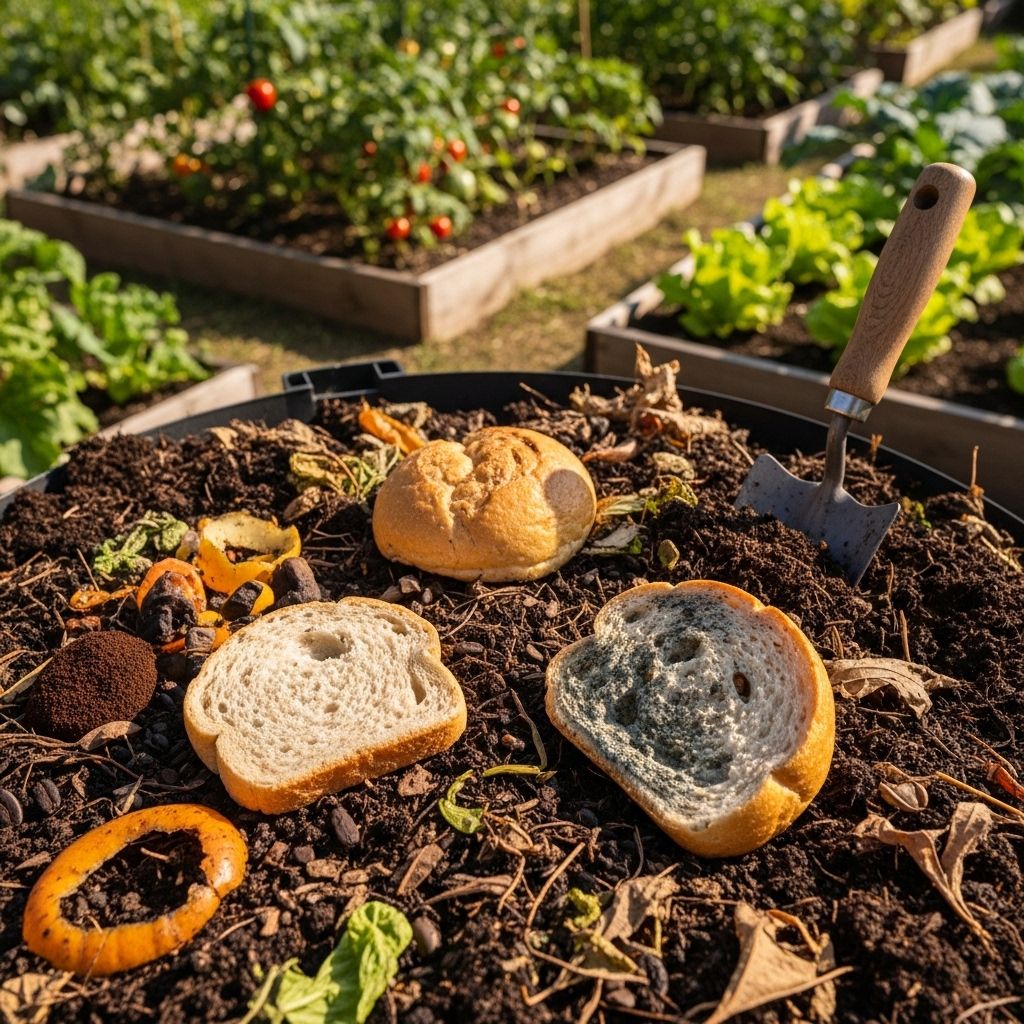
Can You Compost Bread?
Bread is a common kitchen staple that often ends up forgotten or spoiled. Yes, you can compost bread; however, this organic waste does require certain precautions to ensure successful composting and minimize problems like pests and odors.
Composting bread not only reduces landfill waste, but it also creates a nutrient-rich addition to your garden soil, supporting sustainability efforts and healthier plant growth.
Why Compost Bread?
- Reduces food waste: Bread is one of the most discarded food items worldwide, and composting it helps redirect potential waste from landfill to a productive purpose.
- Limits greenhouse gases: Bread in landfill emits methane, a potent greenhouse gas. Composting breaks down bread aerobically, keeping methane out of the atmosphere.
- Enhances soil health: As bread decomposes, it enriches the compost, which improves soil structure, moisture retention, and nutrient availability for garden plants.
- Promotes sustainable living: Making use of kitchen scraps like bread helps close the loop on food production and aligns with eco-friendly gardening practices.
The Basics of Composting Bread
Understanding how bread behaves in a compost pile will help you manage it successfully:
- Bread is considered a green compost material – rich in nitrogen, it helps accelerate decomposition.
- Balance bread with brown materials (carbon-rich) like dry leaves, straw, shredded newspaper, or wood chips to keep your compost healthy.
- Small pieces decompose faster: Crumble or chop bread before adding to your pile to minimize issues and speed up breakdown.
- Moisture and aeration: Ensure the compost stays moist but not saturated, and turn the pile regularly to provide oxygen and avoid odors.
Quick Table: Bread as a Green Material
| Bread Type | Nitrogen Content | Decomposition Rate |
|---|---|---|
| Fresh Bread | High | Moderate |
| Stale Bread | High | Fast |
| Moldy Bread | High | Very Fast |
Types of Bread Suitable for Composting
Most bread can be composted, but not all are equal in how they affect your pile:
- Stale Bread: Breaks down quickly, especially when crumbled.
- Moldy Bread: The presence of mold means microbes are already at work, speeding up decomposition.
- Whole grain, homemade, or minimally processed breads: These varieties compost more naturally without chemical interference.
Breads to Avoid
- Breads with preservatives: Common in packaged breads, preservatives can slow or inhibit microbial activity needed for composting.
- Breads containing dairy or oils: Cheese, butter, creams, or high oil content can attract pests or hinder healthy decomposition. Avoid these especially if you are using a slow, open composting system.
- Bread with sweeteners or high sugar: These can also attract pests and may cause sticky messes.
What Happens to Bread in Compost?
Bread is soft, porous, and easy for compost microorganisms to break down. Unlike woody material, which contains high lignin and decomposes slowly, bread typically decomposes in a matter of days to several weeks when mixed properly with bulking agents such as dry leaves or manure.
During decomposition, bread contributes nitrogen and a small amount of carbon, resulting in an ideal carbon-to-nitrogen (C:N) ratio (about 12–15, depending on the mix), supporting fast and efficient compost maturation.
Challenges When Composting Bread
The very qualities that make bread easy to decompose also present challenges:
- Pest Attraction: Bread’s odor, moisture, and sugars can draw rodents, raccoons, and insects to your compost pile if not managed properly.
- Odors: If buried poorly or not mixed, bread may produce sour or rotting smells as it decomposes rapidly.
- Mold concerns: Though moldy bread is fine for composting, excessive fungal growth can generate unwanted spores if your pile is too wet or lacks oxygen.
7 Essential Tips for Composting Bread Safely and Efficiently
- Chop or crumble bread: Smaller pieces break down quicker and are less likely to attract pests.
- Bury bread deep in the pile: Avoid placing near the surface; rodents and birds are less likely to bother deep-set compost.
- Always balance with browns: Stack carbon-rich materials above and below bread for best results.
- Mix thoroughly: Ensure bread is dispersed throughout the compost and not clumped.
- Maintain moisture: Damp but not soaked conditions avoid sludge and support decomposition.
- Turn your compost: Aerating regularly helps bread break down fast and keeps odors down.
- Check bread labels: Avoid composting bread with high preservative levels, dairy, or oils if possible.
Frequently Asked Questions (FAQs)
Can I compost bread in my backyard pile or bin?
Yes, but be vigilant: bury bread well and balance your pile to avoid rodents and smells.
Is composting bread safe for worm bins?
Bread can be added to vermicompost, but only in very small amounts. Large quantities can attract pests and create anaerobic, moldy conditions.
Will bread make my compost pile smell?
If managed poorly, bread decomposes quickly and can cause strong odors. This is easily avoided by keeping your pile aerated and balancing moisture and materials.
Can I compost bread with mold?
Yes. Moldy bread is actually ideal because its existing fungal colonization speeds decomposition. The composting process destroys mold and spores safely.
Why shouldn’t I compost bread with cheese, butter, or oils?
Dairy and oils are slow to decompose and can attract pests. They may also cause anaerobic pockets, slowing your overall compost process.
Is composting bread better than throwing it away?
Absolutely. Landfilled bread contributes to methane production. Composting it supports soil health and is more eco-friendly.
Eco-Friendly Alternatives to Bread Composting
- Use stale bread for homemade croutons, breadcrumbs, or as feed for chickens and wildlife.
- Freeze surplus bread: Keep for soups, stuffing, or recipes—extends life before composting.
- Feed moldy or dry bread to farm animals (if safe): Chickens or ducks can often consume what humans won’t.
Final Thoughts
Composting bread is a simple, effective way to reduce food waste and enrich your garden soil. With the right techniques, you can avoid common pitfalls such as pests or odors, and gain all the benefits for both your garden and the environment. Always balance bread with brown materials, avoid problematic additives, and be proactive with your compost maintenance.
Bread composting is just one step towards a zero-waste kitchen and sustainable gardening. Each loaf you compost instead of trash helps build healthier soil, promotes environmental responsibility, and moves us all closer to a greener future.
Summary Table: Bread Composting at a Glance
| Do | Don’t |
|---|---|
| Crumble or chop bread into small pieces | Compost bread with dairy, oils, or preservatives |
| Bury bread deep within your compost pile | Leave bread exposed on the surface |
| Mix bread with plenty of carbon-rich brown materials | Add excessive bread to small worm bins |
| Turn your compost regularly for aeration | Ignore mold growth—turn and mix compost instead |
Join the Composting Movement!
Start composting bread scraps today—each slice keeps waste from landfill, produces beautiful garden soil, and fights climate change. By following safe composting practices, you champion sustainability and grow a happier, healthier garden.
Similar Articles




Read full bio of medha deb