How to Grow and Care for Cantaloupe in Pots: A Complete Container Gardening Guide
Discover expert techniques and practical steps for growing lush, sweet cantaloupe in pots, even if you have limited space.
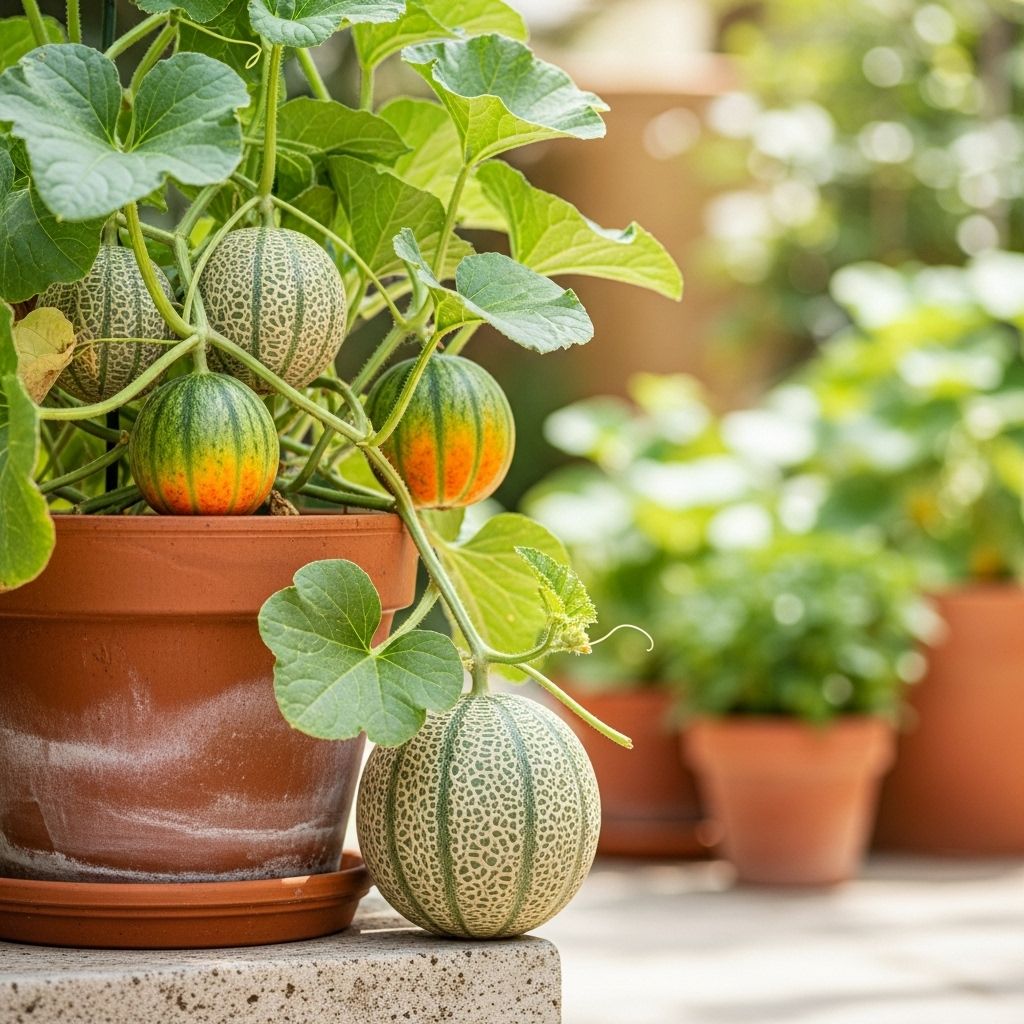
How to Grow and Care for Cantaloupe in Pots
Cantaloupe, also known as muskmelon, is a delicious, sweet fruit well-suited to home container gardening. Even if you have minimal outdoor space, growing cantaloupe in pots is both achievable and rewarding. With the right container, soil, and care, you can enjoy homegrown melons bursting with flavor. This comprehensive guide will walk you through every step, from choosing the right pot to harvesting your fruit.
Why Grow Cantaloupe in Pots?
Growing cantaloupe in containers offers several advantages:
- Space efficiency – Great for patios, balconies, and small gardens.
- Better soil control – Limits soilborne diseases and pests.
- Mobility – Ability to move containers for optimal sunlight or weather protection.
- Creative gardening – Ideal for vertical growing and decorative displays.
Choosing the Right Container
Proper container selection sets the foundation for healthy cantaloupe growth. Cantaloupe plants develop extensive roots and produce heavy fruit, so a container must be:
- Large enough – At least 16 to 18 inches deep and wide, capable of holding 5 gallons or more of soil.
- Equipped with drainage holes – To prevent waterlogging and root rot.
- Made of sturdy material – Strong plastic, terra cotta, or breathable fabric pots work well.
| Container Type | Minimum Size | Pros | Cons |
|---|---|---|---|
| Plastic Planter | 16″ deep & 14″ wide | Lightweight, affordable, flexible | May heat up quickly |
| Terra Cotta | 18″ diameter | Breathable, aesthetically pleasing | Heavy, breakable |
| Grow Bag | 5+ gallons | Good air flow, stores easily | May dry out faster |
Selecting the Best Cantaloupe Variety for Containers
Not all cantaloupe types are equally suited for container life. Seek out bush, dwarf, or compact cultivars, which develop shorter vines and are easier to manage in confined spaces. Recommended varieties include:
- ‘Minnesota Midget’
- ‘Tasty Bites’
- ‘Golden Jenny’
- ‘Sugar Cube’
Larger vining types can also be grown in containers if provided with adequate support and larger pots.
Soil Preparation and Filling the Container
The right soil is essential for healthy growth and sweet fruit:
- Use a rich, well-draining potting mix designed for vegetables and fruiting crops.
- Mix in aged compost or well-rotted manure for added nutrients.
- Soil pH should fall between 6.0 and 6.5 – slightly acidic to neutral for optimal nutrient uptake.
- Do not use garden soil that has previously grown cucurbits (melons, squashes, cucumbers) to reduce disease risk.
Fill the pot to about 1 inch below the rim, allowing space for watering.
Planting Cantaloupe in Pots: Step-by-Step
- Sow seeds indoors 2–4 weeks before your last frost date, or sow directly into the pot outdoors after all danger of frost passes.
- Plant seeds 0.5 inches deep; if transplanting seedlings, ensure they have 3–4 true leaves and are about 4 inches tall.
- Space seeds or seedlings well to reduce crowding. One plant per container is usually best.
- Water gently after planting and keep soil consistently moist (not soggy).
Where to Place Your Cantaloupe Pots
- Choose a spot that receives at least 6–8 hours of direct sunlight daily. Full sun is crucial for strong vines and sweet fruit.
- Containers can be moved as needed to chase sunlight or shelter from harsh weather.
- Indoors, a sunny windowsill or supplemental grow lights can provide necessary light early in the season.
Watering and Mulching
Consistent moisture is key, but overwatering leads to disease:
- Water when the top 1–2 inches of soil feels dry to the touch.
- Avoid overhead watering; water at the base to keep leaves dry.
- As fruit nears maturity, reduce watering slightly to concentrate sugars and improve flavor (water only when leaves slightly wilt).
- Mulch the soil surface with straw, wood chips, or shredded leaves to retain moisture and suppress weeds.
Fertilizing Cantaloupe in Containers
Melons are hungry feeders and need more nutrients than many vegetables:
- At 4–6 inches tall, feed with a balanced liquid fertilizer (such as 5-5-5 NPK formula).
- As flowers appear, switch to a low-nitrogen, high-phosphorus and potassium fertilizer (such as 5-10-10) to encourage fruiting over leaf growth.
- Avoid overfertilizing with nitrogen, which causes excess leafy growth and reduced fruiting.
- Slow-release granular fertilizers can be mixed into the soil at planting.
Training, Trellising, and Supporting Vines
Cantaloupe vines grow rapidly and can sprawl, but vertical gardening saves space and keeps fruit clean:
- Use a trellis, bamboo u-hoops, or tomato cage to support vines.
- Secure growing vines gently with soft garden ties or twine.
- Create fruit slings using nylon stockings or netted produce bags to cradle maturing melons and relieve vine stress.
- Install trellis or supports at planting time to avoid disturbing roots later.
Pollination in Pots
Cantaloupes produce separate male and female flowers. Outdoors, bees and insects naturally pollinate, but for indoor or poorly visited gardens:
- Hand pollinate by transferring pollen from male to female flowers with a small paintbrush.
- Female flowers have a tiny bulb (future melon) behind the blossom.
Pest and Disease Management
Container-grown cantaloupes suffer less from soilborne pests but still face threats such as:
- Aphids – Sticky residue and curled leaves; control with insecticidal soap or water spray.
- Spider mites – Fine webbing and stippled leaves; improve humidity and use miticide if needed.
- Powdery mildew – White coating on leaves; treat with a solution of baking soda and water, and ensure good air flow.
- Cucumber beetles & squash bugs – Handpick or use floating row covers to exclude.
Always inspect new plants before introducing them to containers and keep the area clean of fallen leaves and debris.
Harvesting Your Cantaloupe
Cantaloupe varieties mature in about 70 to 90 days from planting. Signs of ripeness include:
- The melon changes color from green-gray to tan or yellow-beige.
- Fruits develop a strong, sweet aroma at the blossom end.
- The netting (rough surface) becomes more pronounced.
- Melon slips off the vine with gentle pressure (the “slip stage”).
Harvest promptly to avoid over-ripening and attracting pests.
Tips for Maximizing Yield in Small Spaces
- Use compact or bush varieties when space is at a premium.
- Train vines vertically wherever possible.
- Consistently monitor and manage water and feeding schedules.
- Hand pollinate if pollinator activity is low.
- Rotate containers if possible to give all sides equal sun exposure.
Troubleshooting Common Problems
| Problem | Cause | Solution |
|---|---|---|
| Yellow leaves | Overwatering, poor drainage | Let soil dry out, check drainage holes |
| No fruit set | Poor pollination, excess nitrogen | Hand pollinate, decrease nitrogen fertilizer |
| Cracking fruit | Irregular watering | Keep soil evenly moist, especially during fruiting |
| Small fruit | Underfeeding, limited root space | Fertilize appropriately, use largest feasible pot |
Frequently Asked Questions (FAQs)
Q: Can I grow cantaloupe indoors all season?
A: You can start cantaloupe seed indoors and grow them under strong grow lights. However, for best fruiting and sweetness, mature the plants outdoors where sunlight is strongest.
Q: How often should I water cantaloupe in pots?
A: Water consistently when the top 1–2 inches of soil are dry, but do not let the pot sit in water. Container-grown melons need more frequent checks than those in the ground.
Q: What is the best fertilizer for potted cantaloupe?
A: Use a balanced fertilizer (such as 5-5-5) early on, then switch to a low-nitrogen, high phosphorus and potassium feed (such as 5-10-10) once plants begin to flower.
Q: Do cantaloupe need a lot of sun?
A: Yes. Cantaloupe require at least 6–8 hours of full sun daily to produce ripe, flavorful fruit.
Q: Can I grow more than one cantaloupe plant in one pot?
A: For best results, grow one plant per large container, as overcrowding leads to reduced yields and increased disease risk.
Final Thoughts
Container-grown cantaloupe brings the sweet taste of summer within reach, even for gardeners with minimal space. With the right pot, fertile soil, smart care, and a bit of patience, you’ll be harvesting juicy, aromatic melons right from your patio or balcony.
Similar Articles


Read full bio of medha deb