Cereus Peruvianus: The Peruvian Apple Cactus Complete Care & Growing Guide
Discover the beauty, resilience, and unique edible fruit of the Peruvian Apple Cactus with this in-depth care and propagation guide.
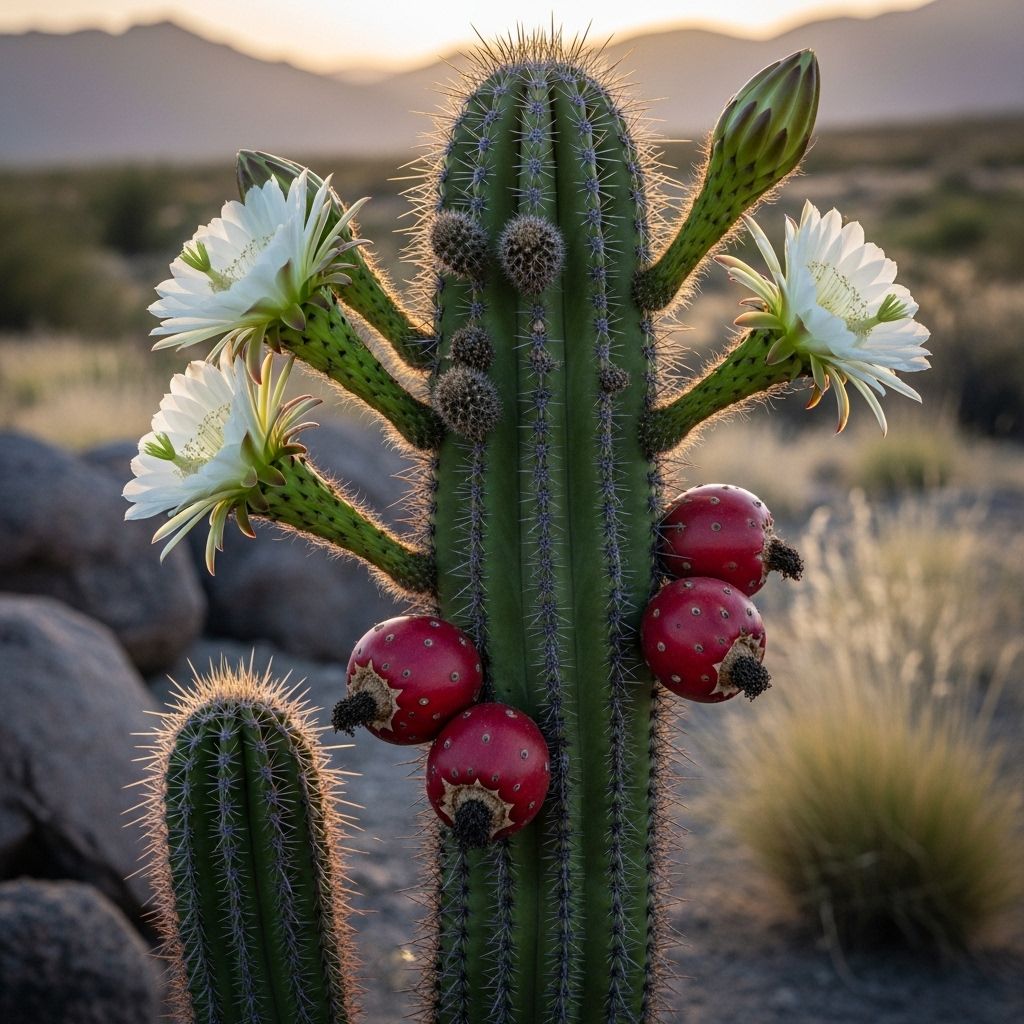
The Cereus peruvianuscommonly known as the Peruvian Apple Cactus or Night-blooming cereus—is a striking, columnar cactus prized for its spectacular structure, ease of cultivation, and delicious edible fruit. Often seen towering in desert gardens or urban landscapes, this unique plant offers an enticing blend of ornamental interest and practical yield. Whether youre a succulent enthusiast or new to cactus gardening, this comprehensive guide will help you understand, nurture, and enjoy every aspect of the Peruvian Apple Cactus.
Table of Contents
- Overview & Unique Features
- Origins and Native Habitat
- Appearance and Growth Habit
- Edible Fruit
- How to Grow Peruvian Apple Cactus
- Peruvian Apple Cactus Care
- Propagation Techniques
- Common Problems & Pests
- Frequently Asked Questions (FAQs)
Overview & Unique Features
Cereus peruvianus, also called Peruvian Apple Cactus, is a large, tree-like cactus originally native to South Americas arid regions. It is distinguished by its tall, ribbed, bluish-green stems that can branch out to form imposing candelabra shapes. This impressive succulent not only adorns gardens with its vertical lines but also produces nocturnal, fragrant, white blossoms and edible fruit, making it both beautiful and bountiful.
- Botanical Name: Cereus peruvianus (sometimes reclassified as Cereus repandus)
- Common Names: Peruvian Apple Cactus, Night-Blooming Cereus, Giant Club Cactus
- Plant Type: Columnar cactus, perennial succulent
- Height: Up to 20-30 feet in the ground; typically 6-10 feet in containers
- USDA Zones: 9b11 (with some success in protected spots in 9a)
Origins and Native Habitat
The Peruvian Apple Cactus is indigenous to arid and semi-arid regions of South America, notably Peru, Brazil, and Uruguay. Its natural environment features rocky soils, infrequent rainfall, and abundant sunlightconditions that foster its remarkable drought tolerance and minimal watering needs.
Appearance and Growth Habit
This cactus is noted for its stately, upright columns with 47 well-defined ribs per stem. Young stems are a bluish-green, aging to a greener shade. Each rib is adorned with pronounced areoles that can grow protective spines.
- Stems: Cylindrical, ribbed, waxy, and slightly wavy, branches frequently as the plant matures.
- Spines: Small, yellowish to brown when new; can soften or drop as the stem ages.
- Flowers: Large, white, fragrant, and nocturnal, typically opening at night and closing by mid-morning.
- Growth Rate: Moderate to fast in suitable conditions, sometimes growing over a foot per year.
Edible Fruit: The “Peruvian Apple”
One of the most enticing features of Cereus peruvianus is its edible fruit—often dubbed “Peruvian apple.” These are produced after successful pollination of the night-blooming flowers.
- Appearance: Oval or oblong, 25 inches long, with smooth skin ranging from pink to purplish-red.
- Flesh: White or pale lavender, dotted with crunchy black seeds, mildly sweet flavor reminiscent of dragon fruit.
- Harvest Season: Typically summer through fall, depending on climate and flower timing.
- Uses: Eaten fresh, scooped from the skin, or used in fruit salads, smoothies, or desserts.
How to Grow Peruvian Apple Cactus
Whether starting from cuttings or a young plant, Peruvian Apple Cactus can adapt to both ground and large containers, provided drainage is excellent. Here’s how to ensure a great start:
Choosing the Right Spot
- Light: Requires full sun for robust, upright growth. At least 68 hours daily.
- Soil: Well-draining sandy or cactus mix is essential. Poor drainage is a leading cause of health issues.
- Spacing: Give ample room—ideally 36 feet from other plants and structures, as it can grow wide and tall.
Planting Steps
- Prepare a hole or container twice as wide as the root ball or cutting base.
- Mix in extra sand, perlite, or pumice if your soil is clay-heavy.
- Plant the cactus slightly above soil grade to prevent water from pooling at the base.
- Backfill gently, pressing the soil to secure the stem upright.
- Water lightly after planting, then allow the soil to dry before future waterings.
Peruvian Apple Cactus Care
The Peruvian Apple Cactus’s desert origins make it exceptionally undemanding, yet following optimal care instructions ensures it stays healthy and productive.
Watering
- Drought Tolerance: Highly drought-tolerant once established; overwatering is a risk.
- Guidelines: Water deeply but sparingly. In summer, water every 24 weeks; reduce to monthly or less in autumn and winter.
- Container Care: Pots dry faster—check soil moisture before watering.
Sunlight
- Outdoors: Full sun preferred; some afternoon shade is acceptable in extremely hot regions.
- Indoors: Brightest window possible—ideally south or west-facing.
Soil Requirements
- Type: Sandy, rocky, or specialized cactus/succulent potting mix essential.
- pH: Neutral to slightly acidic (6.07.0).
Temperature and Hardiness
- Hardy: Down to about 2504 (–404) briefly; protect from freezes with covers or by moving containers indoors.
- Ideal Range: 509504 (103504).
Fertilization
- Frequency: Fertilize at the start of spring and mid-summer.
- Type: Use diluted, low-nitrogen cactus fertilizer or a balanced organic blend.
- Method: Always water before feeding to prevent root burn.
Pruning and Maintenance
- Remove damaged, diseased, or crowded branches to encourage upright growth.
- Trim suckers and crossing branches for a tidy, candelabra form.
- Wear gloves to protect against spines when pruning.
Repotting & Transplanting
- Repot younger plants every 23 years to refresh soil and accommodate growth.
- Choose slightly larger, heavy-bottomed pots to reduce toppling risk.
Propagation Techniques
Propagation is simple and reliably successful via cuttings, making the Peruvian Apple Cactus a favorite for sharing, expanding, or landscaping.
Propagating from Cuttings
- Choose a healthy, mature stem. Use clean, sharp pruners to take a 1224 inch cutting.
- Allow the cutting to callous in a dry, shaded spot for 12 weeks. This prevents rot when planted.
- Place the calloused end a few inches deep in well-draining cactus soil. Do not water immediately.
- After about 2 weeks, water lightly. Roots should develop within 46 weeks.
- Once roots are established, treat as you would a mature plant.
Growing from Seed
- Remove seeds from ripe fruit, rinse, and dry.
- Sow onto moist, well-draining soil. Cover very lightly.
- Keep in a warm, bright, humid spot. Germination may take several weeks.
- Seedlings are slow to develop but rewarding for patient gardeners.
Common Problems & Pests
Overall, the Peruvian Apple Cactus is robust and resilient, especially in dry climates. However, awareness of potential challenges ensures prompt action and ongoing plant health.
Pests
- Scale Insects: Appear as tiny, hard bumps; sap-suckers that can weaken stems.
- Mealybugs: White, cottony masses found near areoles or new growth.
- Cactus Longhorn Beetles: In rare cases, larvae tunnel into stems, causing rot and collapse.
Control: Remove minor infestations with rubbing alcohol on a cotton swab; use insecticidal soap or horticultural oil for widespread issues.
Diseases
- Root Rot: Overwatering or poor drainage is the most common cause; results in soft, blackened bases.
- Fungal Infections: Manifest as brown spots or lesions, often after periods of prolonged moisture.
Prevention & Treatment: Avoid excess water, ensure free-draining soil, and discard infected plant sections. Use fungicides as a last resort.
Physiological Disorders
- Sunburn: Pale patches or sunken scars occur if plants are rapidly moved from shade to intense sun.
- Edema: Swelling or corky patches from erratic watering routines.
Frequently Asked Questions (FAQs)
Q: How long does it take for a Peruvian Apple Cactus to bear fruit?
A: Plants grown from cuttings can flower and fruit within 35 years, while those from seed may take longer. Established plants bloom annually in warm climates.
Q: Do you need two plants for fruiting?
A: Although some plants are self-fertile, for the best and most reliable fruit set, cross-pollination between two different plants is recommended. Flowers are pollinated by night-active bees, moths, or by hand.
Q: Is the fruit safe to eat?
A: Yes. The fruit is edible, refreshing, and nutritious. Scoop out the flesh and seeds and enjoy fresh, in salads, or desserts.
Q: Can Cereus peruvianus be grown indoors?
A: Yes—provided it receives ample sunlight, a large container, and minimal water. Indoor plants rarely fruit, but make impressive ornamental specimens.
Q: Are there any special winter care requirements?
A: Keep plants drier, protect from frost, and move potted specimens inside if temperatures drop below 3004 (–104).
Comparison: Cereus Peruvianus vs. Other Edible Cacti
| Aspect | Cereus peruvianus | Hylocereus undatus (Dragon Fruit) | Opuntia ficus-indica (Prickly Pear) |
|---|---|---|---|
| Growth Form | Columnar, tree-like | Climbing, vining | Flat-padded, shrubby |
| Fruit Color | Purple-pink to red | Red, yellow, pink | Red, yellow, orange |
| Bloom Time | Night, summer | Night, late spring1ummer | Nights, late spring1all |
| Edibility | Mildly sweet, crunchy seeds | Sweet, juicy, black seeds | Sweet, sometimes tart flesh |
| USDA Zones | 9b11 | 1011 | 811 |
Summary
The Peruvian Apple Cactus delivers luminous white flowers, delicious fruit, and exceptional architectural flair to gardens and homes. Its resilience to drought and minimal care requirements make it a top choice for arid region landscapes, edible gardens, and large containers. With the guidance above, you’ll be able to nurture healthy, fruitful plants and enjoy their beauty and bounty for years.
Similar Articles




Read full bio of Sneha Tete