Comprehensive Guide to Transplanting Wisteria Vines
Learn when, why, and how to successfully transplant wisteria vines to a new location—and maximize your chances of healthy regrowth.
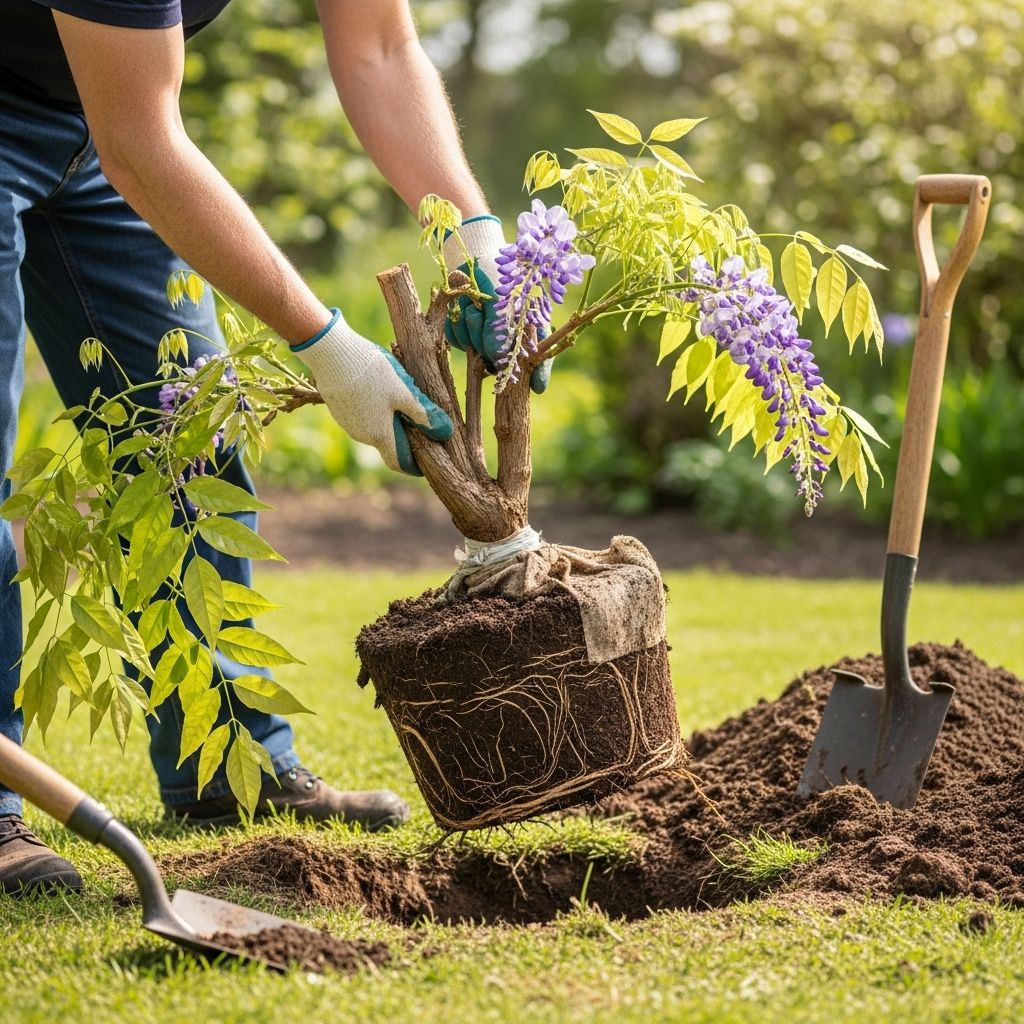
Information on How to Transplant Wisteria Vines
Nothing quite rivals the beauty of a mature wisteria in bloom—its cascading clusters of fragrant purple blossoms turn gardens into magical spring displays. Yet, the very vigor that makes wisteria desirable can become problematic: when this robust climber outgrows its space or is poorly sited, moving it may be the only solution. While transplanting wisteria can be daunting due to its extensive root system and reluctance to be disturbed, success is very possible if you follow proper techniques and timing. This comprehensive guide covers everything you need to transplant wisteria vines confidently and efficiently, and to care for them after the move.
Why Transplant Wisteria?
- Outgrowing Space: Mature vines can overwhelm structures and suffocate nearby plants.
- Poor Placement: Sometimes, wisteria is planted too close to buildings, walkways, or in spots where sunlight is lacking.
- Landscape Redesign: Changes to garden layout or construction may necessitate moving established plants.
- Health Improvement: Relocating to richer soil, better sun, or improved drainage can rejuvenate a struggling vine.
When is the Best Time to Transplant Wisteria?
Correct timing is crucial for a successful wisteria transplant. The optimal seasons are:
- Late Fall: After the leaves have fallen and the plant is completely dormant, but before the ground freezes.
- Early Spring: Just before buds begin to swell and growth resumes, when the soil is workable and temperatures are still cool.
*Avoid* transplanting during frosty weather, hot summer months, or while the vine is actively growing.
Be aware that transplanting wisteria, especially mature specimens, may result in a temporary cessation of blooms—possibly for several years—until the plant reestablishes itself in its new location.
Preparation: Getting Ready to Move Your Wisteria
Advance planning helps reduce plant shock and increases your chances of success. Here’s what you need to do before lifting your vine:
- Choose the Right Spot: Wisteria needs full sun (at least 6 hours daily) and fertile, well-drained soil. Ensure your new site can handle the mature size of the plant and has a sturdy structure for support (trellis, pergola, or arbor).
- Pre-Dig the Planting Hole: Dig a new hole at the target location that is twice as wide and at least as deep as the root ball you anticipate retrieving. Mix up to 50% well-rotted compost or leaf mold into the backfill soil to enhance fertility.
- Gather Tools and Help: You’ll likely need strong pruners, a sharp spade, a sturdy tarp, garden stakes, and at least one helper for large wisterias due to their size and weight.
How to Transplant Wisteria Vines: Step-by-Step Procedure
1. Prune the Vine
- Cut back the wisteria’s main stems to about 3 feet (1 meter) tall. This not only reduces stress on the roots during establishment, but also makes the plant easier to handle and transport.
- Remove weak, dead, or tangled growth to streamline the plant further.
2. Digging Up the Wisteria
- Start digging a trench in a circle 18–24 inches (46–61 cm) from the base of the plant. Work slowly and methodically to avoid damaging major roots.
- Dig deep to recover as much of the root ball and attached soil as possible. The more original root mass and soil you retain, the better the plant’s chances of survival.
- Carefully lever the root ball free in one solid mass. For larger vines, place it onto a tarp or piece of burlap for easier dragging and support.
3. Moving and Planting the Wisteria
- Transport the root ball to the new location promptly, keeping the roots moist and shaded if there is any delay.
- Set the plant into the new hole so that the top of the root ball is level with, or just below, the surrounding ground.
- Backfill with enriched soil, gently firming it around the roots to remove air pockets. Avoid heavy trampling which can compact soil excessively.
- Stake the vine immediately for support, unless it is already being attached to a strong structure.
- Water thoroughly after planting, ensuring the root zone is well soaked.
Aftercare: Helping Your Wisteria Thrive in its New Home
For the first year after transplanting, your wisteria will need extra attention to recover. Monitor it closely and provide:
- Consistent Moisture: Keep soil evenly moist but not waterlogged, especially during dry spells. Deep watering is preferable to shallow, frequent doses.
- Mulch: Apply a 2- to 3-inch (5–7 cm) layer of mulch around the base to help conserve moisture and insulate the roots.
- Avoid Fertilizing: Wait until you see signs of strong new growth before adding fertilizer, and always avoid high-nitrogen products which may encourage foliage at the expense of flowers.
- Check for Life: Don’t panic if there’s little top growth at first. Occasionally scratch the stem gently with your fingernail—if the tissue underneath is green, the vine is alive and recovering.
Patience is Key
Transplanted wisteria can take up to a year or longer to display vigorous new growth and may not bloom for several seasons post-move. With proper care, however, it will eventually settle and resume strong flowering displays.
Special Considerations & Common Challenges
- Beware of Frost: Never transplant wisteria in frozen or heavily frosted soil—delicate roots can suffer ‘burning’ damage that will set the plant back or even kill it. Always plan your move for frost-free days.
- Physical Effort: Mature wisteria vines and their root balls can be very heavy and awkward—enlist help as needed to avoid injury or damage to the plant.
- Proper Support: As rapid climbers, wisterias need robust support from day one in their new site. Make sure structures are firmly anchored and able to carry the plant’s eventual weight.
- Temporary Setbacks: It is common for transplanted wisteria to appear stressed, drop some leaves, or show delayed regrowth. Support the plant with extra care and patience rather than panic responses.
- Root Pruning (Optional): For very large, old vines, or those with a deep taproot system, consider root pruning several months in advance. This means digging a ring around the plant with a spade to sever some long roots, encouraging feeder roots closer to the plant and making the final move easier.
Summary Table: Key Steps for Transplanting Wisteria Vines
| Step | Summary |
|---|---|
| Choose Timing | Transplant in late fall or early spring, avoiding active growth and frosty weather. |
| Prepare Site | Dig wide, deep new hole; enrich soil with compost; ensure adequate sunlight and strong support. |
| Prune Vine | Cut back main stems to 3 ft; remove dead/weak growth for easier handling and recovery. |
| Excavate Root Ball | Dig at least 18–24 in away from the stem; keep as much root/soil as possible intact. |
| Transplant | Move promptly; plant at original depth; firm soil well and stake immediately. |
| Aftercare | Water thoroughly; mulch; avoid fertilizer; monitor and be patient for new growth. |
Frequently Asked Questions (FAQs) about Transplanting Wisteria
Q: How long will it take for my transplanted wisteria to bloom again?
A: Most established wisterias will not flower the first year or two after being transplanted. It can take several seasons for the vine to recover and resume its previous bloom vigor.
Q: What do I do if the transplanted vine looks dead?
A: Scrape a small section of the stem lightly. If the tissue underneath is green, the plant is alive. If it’s brown and dry, that section is likely dead. Patience and continued care are essential, as new buds can take up to 12 months to emerge after a move.
Q: Can I move a wisteria at any time of year?
A: No. The best time to transplant wisteria is in late fall (when the plant is dormant and has dropped its leaves) or early spring (before buds swell), avoiding periods of frosty or hot weather.
Q: Will pruning my wisteria before moving help?
A: Yes. Reducing the top growth helps focus the plant’s energy on root recovery and makes handling easier during transport. Prune aggressively, leaving 3 feet of main stems.
Q: How do I support my transplanted wisteria?
A: Stake it immediately after transplanting, or attach it to a robust trellis or structure to prevent wind and weight damage as it resettles.
Q: What if I can’t get a big root ball?
A: If you’re forced to sever major roots and lift a smaller root ball, compensate by pruning the top growth more severely and watering well. Wisteria can be resilient, especially younger plants.
Pro Tips for Success
- Try to preserve as much soil around the roots as possible, especially in heavy or sandy soils where roots can dry out quickly.
- Avoid fertilizing wisteria in the year immediately after transplanting—allow roots to reestablish before stimulating new foliage or flower growth.
- Check the weather forecast and cover newly planted wisteria with frost cloth if late frosts are predicted shortly after transplanting.
- Water deeply, then allow the soil surface to dry slightly before rewatering to prevent rot.
Conclusion
Transplanting wisteria is undeniably challenging, requiring physical effort and patience. However, with the right timing, site preparation, and care during and after the move, most wisterias will recover and flourish in their new homes. Remember: the key to success is thorough preparation, gentle handling, and realistic expectations for regrowth and blooming. With this guide, your garden’s beloved—and sometimes unruly—wisteria can make a healthy transition for seasons of future enjoyment.
Similar Articles






Read full bio of medha deb