Complete Guide to Croton Plant Care: Tips for Vibrant Houseplants
Discover comprehensive care tips for croton plants, with advice on watering, lighting, humidity, pruning, pests, and more to keep your indoor croton thriving.
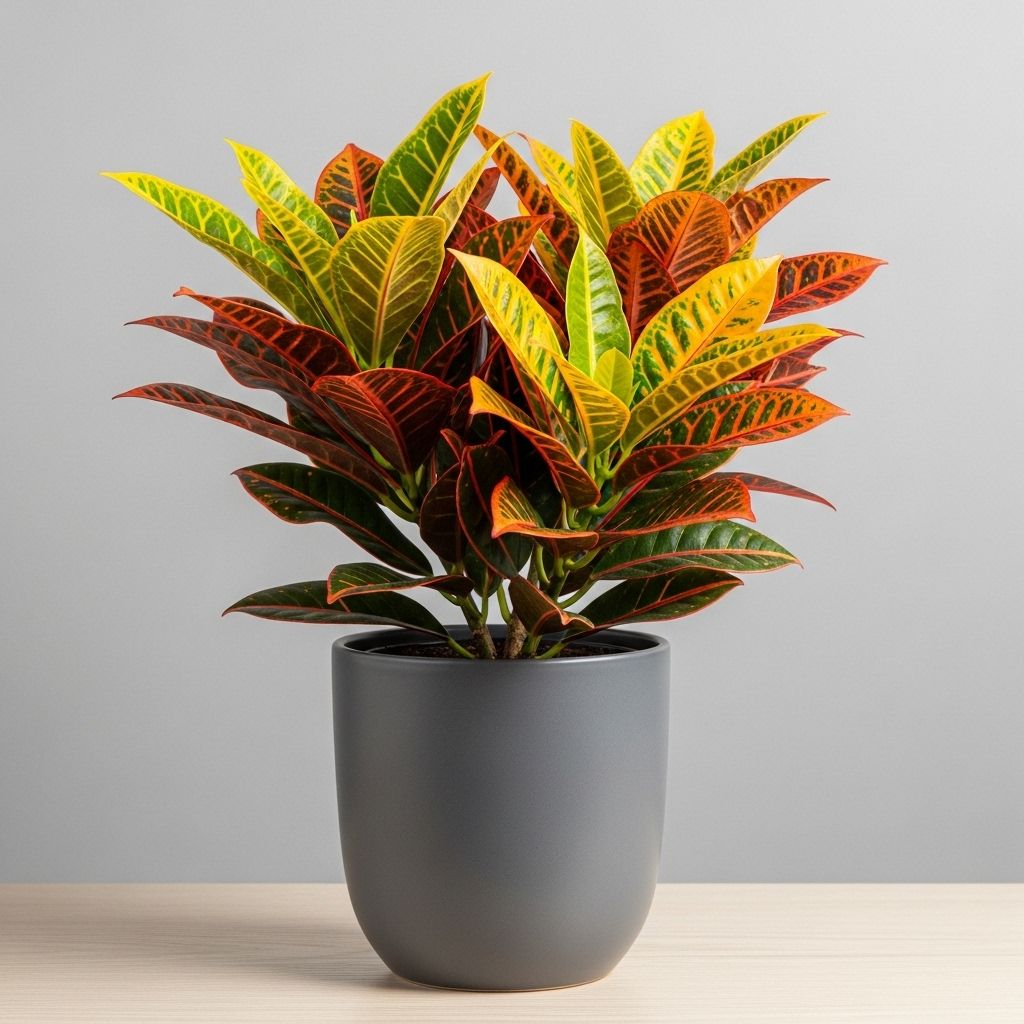
Croton Plant Care: A Complete Guide for Lush, Colorful Houseplants
Croton (Codiaeum variegatum) are renowned for their vivid, multicolored foliage, making them a striking addition to any indoor plant collection. While their beauty is undeniable, crotons can be a bit particular about their care, requiring specific conditions to thrive. This extensive guide walks you through every aspect of croton care—from ideal lighting and watering routines to humidity, common problems, and propagation methods.
About Crotons
Crotons are tropical plants native to countries such as India, Malaysia, Sri Lanka, and the western Pacific islands. In their native environment, they flourish in hot, humid conditions and partial shade. As houseplants, their dramatic leaves, ranging in hues from deep green to bright yellow, orange, red, and even purple, require a little extra attention and the right environment to maintain their signature vibrancy.
- Origin: India, Sri Lanka, Malaysia, Western Pacific islands
- Botanical name: Codiaeum variegatum
- Plant type: Evergreen perennial
- Common use: Indoor decorative plant
Light Requirements for Croton Plants
Proper lighting is crucial for crotons. The colors of their leaves are determined by the amount and quality of light they receive.
- Bright, indirect light is ideal—6 to 8 hours per day. Place the plant near a window with filtered sunlight, avoiding harsh midday rays.
- Insufficient light will result in dull, greenish leaves and leggy growth.
- Excessive direct sunlight can scorch leaf edges and cause fading or brown spots.
Tip: Rotate your croton every few weeks to ensure even exposure and balanced growth.
Watering Your Croton
Crotons prefer consistent moisture but are susceptible to root rot if left in soggy soil. Striking the right balance is key.
- Water when the top 1-2 inches of soil feel dry. Insert your finger into the soil to check moisture before watering.
- Water thoroughly until excess drains from the pot; discard any water in the saucer to prevent standing water.
- Avoid letting the soil dry out completely, but do not let the plant sit in water.
- Use lukewarm water to avoid shocking the roots, especially in cooler temperatures.
Humidity & Temperature Preferences
Crotons are sensitive to changes in humidity and temperature. Mimic their native tropical environment for best results.
| Ideal Conditions | Unfavorable Conditions |
|---|---|
| Humidity: 40%–80% | Humidity below 40% leads to leaf drop and dry edges |
| Temperature: 18°C–29°C (65°F–85°F) | Below 13°C (55°F) or cold drafts can cause rapid leaf loss |
- Keep away from vents, heaters, and cold window panes in winter.
- Raise humidity with a humidifier, pebble tray filled with water, or by misting regularly—especially in dry indoor environments.
- A humid kitchen or bathroom often provides optimum natural humidity.
Soil and Potting Requirements
Crotons flourish in well-draining, fertile soil. Proper soil ensures healthy roots and vibrant leaf growth.
- Use a high-quality, peat-based houseplant potting mix.
- Ensure containers have drainage holes to prevent waterlogging.
- Repot every 2 years or when roots become crowded and outgrow the pot. Repot during the active growing season, in spring or early summer.
- When repotting, choose a new pot only 1-2 inches larger in diameter to prevent excess moisture retention.
Fertilizing Croton Plants
Routine feeding supports healthy, lush foliage and continual growth.
- Apply a balanced, water-soluble fertilizer every 2-4 weeks during spring and summer (growing season).
- Slow-release pellets are an alternative—feed three times per season (spring, mid-summer, early fall).
- Do not fertilize in fall or winter when growth naturally slows.
- An 8-2-10 NPK ratio is suitable for crotons preferring slightly acidic soil.
Pruning and Shaping Croton
Pruning maintains the plant’s shape, encourages bushier growth, and removes dead or diseased parts.
- Prune leggy growth in early spring, before the new growth cycle begins.
- Trim back stems just above a node to stimulate branching and fuller appearance.
- Remove any yellowed, brown, or damaged leaves as soon as they appear.
- Use clean, sharp Pruning shears to avoid disease transmission.
Croton Propagation Methods
Crotons can be propagated successfully via cuttings or air layering, though seed propagation is not recommended if you want plants identical to the parent.
- Stem Cuttings:
- Take a 4-6 inch cutting from a healthy stem in summer.
- Remove the lower leaves and dip the cut end in rooting hormone.
- Plant in moist, well-drained potting mix. Cover with a plastic bag to retain humidity until roots form.
- Air Layering:
- Make a cut on a healthy stem and wrap the area with damp sphagnum moss, then cover with plastic wrap.
- Once roots develop, cut below the rooted section and pot it separately.
Note: Propagating from seed is not advised as seedlings won’t reliably retain the parent plant’s coloration and leaf patterns.
Common Issues with Croton Plants
Even with optimal care, crotons can sometimes develop problems. Understanding the symptoms helps you quickly rectify any issue.
- Leaf drop: Typically caused by cold drafts, sudden temperature changes, or shock from being moved. Ensure a stable, warm environment.
- Browning leaf edges: Indicates low humidity; increase ambient moisture.
- Pale or dull leaves: Lack of adequate light; move plant to a brighter location.
- Loss of variegation: Insufficient light; provide more bright, indirect exposure.
- Root rot: From overwatering; allow soil to partially dry between watering and ensure well-draining soil.
Pests and Disease Prevention
Crotons are relatively hardy but, like most houseplants, can fall prey to several common pests and diseases.
- Spider mites, mealybugs, aphids, and scale insects are the most frequent troublemakers.
- Inspect leaves (especially undersides) regularly and remove pests by wiping with a damp cloth or spraying with neem oil or insecticidal soap.
- Maintain good plant hygiene: Clean leaves regularly to remove dust and potential pests.
- Avoid overwatering, as wet conditions breed root disease.
Seasonal Care & Indoor-Outdoor Transition
Crotons can be placed outdoors during warm months, but must be gradually acclimated to prevent leaf scorch or drop.
- Move container plants outdoors only after night temperatures remain above 13°C (55°F).
- Acclimate gradually over 7-10 days by exposing your plant to increasing light levels.
- Bring plants inside in late summer or early fall before the temperature drops below 13°C (55°F).
- If grown in the ground as seasonal annuals, gently pot them before cold weather sets in.
Toxicity and Safety
Croton plants are moderately toxic to pets and humans if ingested. Symptoms may include mouth and stomach irritation, possible vomiting, and mild digestive upset. Always keep croton out of reach of curious pets and children to avoid accidental ingestion.
Frequently Asked Questions (FAQs)
Q: Why are my croton’s leaves falling off?
A: Leaf drop often results from sudden environmental changes, cold drafts, or transplant shock. Maintain stable temperatures, avoid moving the plant abruptly, and ensure humidity stays high.
Q: Can crotons be grown outdoors?
A: Yes, crotons thrive outdoors in tropical and subtropical climates. In temperate regions, grow them in containers and move them inside before temperatures drop below 13°C (55°F).
Q: Is croton poisonous to pets?
A: Yes, croton is considered moderately toxic to cats, dogs, and humans. Ingestion can cause throat and stomach irritation. Keep out of reach of pets and children.
Q: How often should I water my croton?
A: Water when the top 1-2 inches of soil feels dry. Adjust frequency based on light and humidity—plants dry out more quickly in brighter and dryer environments.
Q: My croton’s leaves are losing color. What should I do?
A: Faded or dull foliage usually indicates the plant isn’t getting enough light. Gradually move it to a location with more bright, indirect sunlight.
Summary: Keys to Happy, Colorful Croton Plants
- Place in bright, indirect light to maximize leaf color and health.
- Water when the top soil feels dry, avoiding both soggy and bone-dry conditions.
- Maintain high humidity and warm temperatures; avoid cold drafts.
- Feed lightly during the growing season, never in winter.
- Prune to shape, propagate as needed, and monitor for common pests.
By following these core principles and monitoring your plant’s environment, you’ll enjoy a croton that’s healthy, vigorous, and bursting with tropical color all year long.
Similar Articles





Read full bio of medha deb