Cyclamen Care: Expert Guide for Thriving Indoor Houseplants
Everything you need to grow, maintain, and understand cyclamen as an eye-catching and healthy indoor plant.
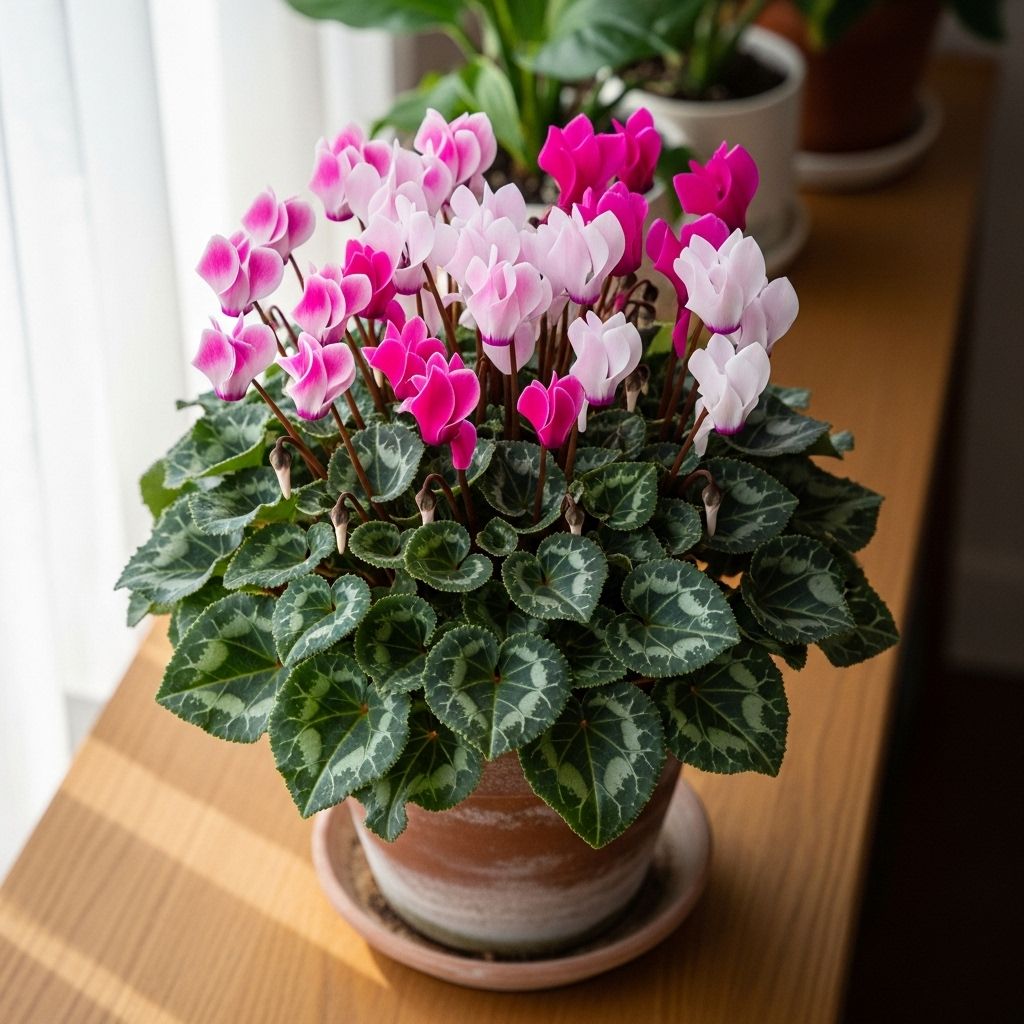
Cyclamen plants (Cyclamen persicum) are celebrated for their striking blooms and decorative foliage, flourishing during the cooler months when other houseplants may struggle. While their beauty is undeniable, cyclamens require thoughtful care and a specific environment to truly thrive. This comprehensive guide covers every essential topic, from environmental conditions to watering, dormancy, common problems, and maintenance, ensuring your cyclamen remains a showstopper throughout its growing season.
Understanding Cyclamen: The Basics
Native to the Mediterranean region, cyclamen are tuberous perennials often grown indoors for their unique heart-shaped leaves and vibrant flowers. They typically bloom from fall through spring and enter a resting, or dormant, stage during late spring and summer. Successful cyclamen care hinges on mimicking their natural cool, bright, and relatively humid habitat.
Ideal Growing Conditions for Cyclamen Indoors
- Temperature: Cyclamen prefer cool temperatures, ideally 50–65°F (10–18°C). Warmth prompts dormancy and may cause leaves to yellow and drop.
- Light: Place cyclamen in bright, indirect light. Direct sunlight can scorch leaves and flowers, while low light reduces blooming potential.
- Humidity: Cyclamen benefit from high humidity (above 50%). Dry air, especially in heated homes during winter, can cause leaves to wilt or increase pest risk.
- Air Circulation: Avoid placing cyclamens near drafts, hot air vents, or radiators, as fluctuating temperatures and dry air can stress the plant.
Watering Cyclamen: Tips for Healthy Growth
One of the primary challenges in cyclamen care is balancing moisture needs. Cyclamens are sensitive to overwatering and underwatering, both of which can cause wilting, yellowing, or leaf loss.
- Moisture: Keep soil consistently moist but never soggy during the active growing and blooming season. A good practice is to water when the top inch of soil feels dry to the touch.
- Watering Method: To prevent crown or tuber rot, avoid pouring water directly onto the plant’s crown. The preferred technique is bottom watering: set the pot in a shallow dish of water for 15–20 minutes, allowing moisture to soak up through the drainage holes, then remove the pot and let excess water drain away.
- Reduce watering during dormancy: As the plant enters rest (typically late spring to summer), cut back watering to roughly once every two weeks, keeping the soil barely moist but never wet.
Maintaining Humidity for Cyclamen
Dry indoor air can swiftly sap moisture from cyclamen leaves and flowers. Here’s how to provide the right humidity:
- Group cyclamen with other plants to create a humid microclimate.
- Set the cyclamen pot atop a tray filled with pebbles and a small amount of water (waterline below the pot base) to increase humidity as moisture evaporates.
- Mist the surrounding air, but avoid misting the leaves or flowers directly, as this can encourage mold or disease.
Table: Cyclamen Environmental Preferences
| Requirement | Optimal Condition |
|---|---|
| Temperature | 50–65°F (10–18°C) |
| Light | Bright, indirect sunlight |
| Humidity | Above 50% |
| Soil | Moist, well-draining potting mix |
| Watering | When the top inch of soil is dry |
Fertilizing Cyclamen for Vigorous Blooms
Feeding cyclamen appropriately supports their energy-intensive blooming cycle:
- Type: Use a low-nitrogen fertilizer or a bloom-specific houseplant food.
- Frequency: Fertilize every 2–4 weeks during the active growing and flowering period (fall through winter).
- Pause during dormancy: Withhold fertilizer when the plant is dormant; resume feeding as new growth appears in fall.
Deadheading and General Maintenance
Keeping cyclamen vigorous involves routine deadheading and plant hygiene:
- Remove spent blooms and leaves promptly by gently twisting and pulling stems from the base to avoid disease and encourage more blooms.
- Use clean, sharp scissors if stems don’t release easily.
- Clear any debris, dead leaves, or flowers from the soil surface to avoid attracting pests or promoting fungus.
Repotting and Soil Preferences
Cyclamen tubers benefit from occasional repotting, especially after several blooming cycles:
- When to Repot: Repot during dormancy, just before new growth starts (usually late summer to early fall).
- Soil Mix: Choose well-draining, rich potting soil such as a mix designed for African violets or a blend of peat, perlite, and a bit of sand.
- Planting Depth: Position the tuber so its upper half sits above the potting mix surface to prevent rot.
Cyclamen Dormancy: Understanding the Resting Stage
Cyclamens naturally enter a dormant phase following their blooming period:
- Signs of Dormancy: Leaves yellow and drop, and the plant looks as if it’s declining. In reality, it’s resting and preparing for the next growing cycle.
- Watering during Dormancy: Reduce watering significantly – only water enough to keep the tuber from shriveling.
- Location: Move the dormant plant to a cool, dry, shady spot. Outdoor, sheltered areas, basements, or shaded rooms are suitable.
- Duration: Dormancy typically lasts 6–12 weeks. Resume regular care once new leaf growth appears.
For extra care, dormant tubers can be removed from the soil, stored in dry vermiculite at roughly 50°F (10°C), then replanted at the end of the dormant period.
Common Problems and How to Troubleshoot Them
- Yellowing Leaves:
- Can result from overwatering, underwatering, excessive heat, or insufficient light.
- Move the plant to a cooler location and check watering habits.
- Drooping or Wilting Blooms:
- Often a sign of thirst; water thoroughly and blooms should revive.
- Monitor for signs of root rot from overwatering, especially if wilting persists with moist soil.
- Mold or Rot:
- Primarily caused by water on the crown/tuber or persistently wet soil.
- Water from below and let the plant dry slightly between watering.
- Pests:
- Occasionally affected by aphids, mealybugs, spider mites, or thrips. Treat minor infestations with insecticidal soap or products safe for houseplants.
- Cyclamen mites can be very difficult to control; heavily infested plants may need to be discarded to prevent spread.
Tips for Extending Cyclamen Blooms
- Maintain consistent cool temperatures and avoid warm air exposure.
- Ensure bright but indirect sunlight throughout the blooming season.
- Deadhead regularly to redirect plant energy into new blooms.
- Fertilize according to schedule, and avoid high-nitrogen feeds that promote leafy growth over flowers.
Moving Cyclamen Outdoors
While cyclamen thrive indoors, they also appreciate a change of environment. During dormancy or when they seem tired, try:
- Placing the plant outside in a shaded, frost-free area overnight once or twice a week for a ‘cool shock’ that revitalizes growth.
- Avoid exposing the plant to direct sunlight, wind, or extreme cold.
- Ensure the outdoor location is protected from rain and wet conditions during dormancy.
Frequently Asked Questions (FAQs)
Q: Why are my cyclamen leaves turning yellow?
A: Yellowing leaves commonly result from overwatering, excessive heat, or low light. Check the plant’s environment and watering routine, and move the cyclamen to a cooler, brighter location if necessary.
Q: How often should I water my indoor cyclamen?
A: Water when the top inch of soil feels dry during active growth (usually once a week) and reduce dramatically during the dormant phase. Always avoid letting roots sit in excess water.
Q: Can cyclamen survive in bathrooms or kitchens?
A: Bathrooms are typically too humid, and kitchens may be too warm for optimal cyclamen health. Instead, choose cool, moderately dry rooms like hallways or bedrooms.
Q: Should I remove individual dying flowers or leaves?
A: Yes. Prompt deadheading (removal) of old flowers and yellow leaves encourages further blooming and helps prevent disease. Always twist and pull from the base or use clean scissors.
Q: What’s the best way to repot a cyclamen?
A: Repot during dormancy into well-draining potting mix. Place the tuber so its upper portion is above the soil surface to reduce crown rot risk. Resume watering when growth appears.
Q: My cyclamen seems to stop growing and looks sick every summer. What should I do?
A: This is normal as cyclamen enter dormancy following their blooming period. Reduce watering and move to a cool, dry location until new growth starts in the fall.
Summary Care Checklist for Cyclamen
- Place in a cool (50–65°F), bright, indirect light location.
- Keep soil moist but never soggy; water from below or at the container’s edge.
- Maintain humidity above 50%; avoid drafts and heat sources.
- Feed with low-nitrogen fertilizer every 2–4 weeks during active growth.
- Deadhead flowers and remove old leaves regularly.
- Reduce watering and do not fertilize during dormancy. Relocate to a cool, dry spot.
- Watch for pests and treat immediately if found.
- Repot as needed when plant outgrows its container, ideally at the end of dormancy.
Conclusion
Cyclamen are rewarding but particular houseplants, thriving only when their unique needs for cool temperatures, moderate moisture, and high humidity are met. Regular maintenance, careful watering, and understanding their natural dormancy cycle will ensure your cyclamen delivers season after season of dazzling color and unusual foliage.
Similar Articles






Read full bio of medha deb