How to Propagate Desert Rose: Seed and Cutting Methods Explained
Unlock the secrets to thriving desert rose plants by learning the best seed and cutting propagation methods for Adenium obesum.
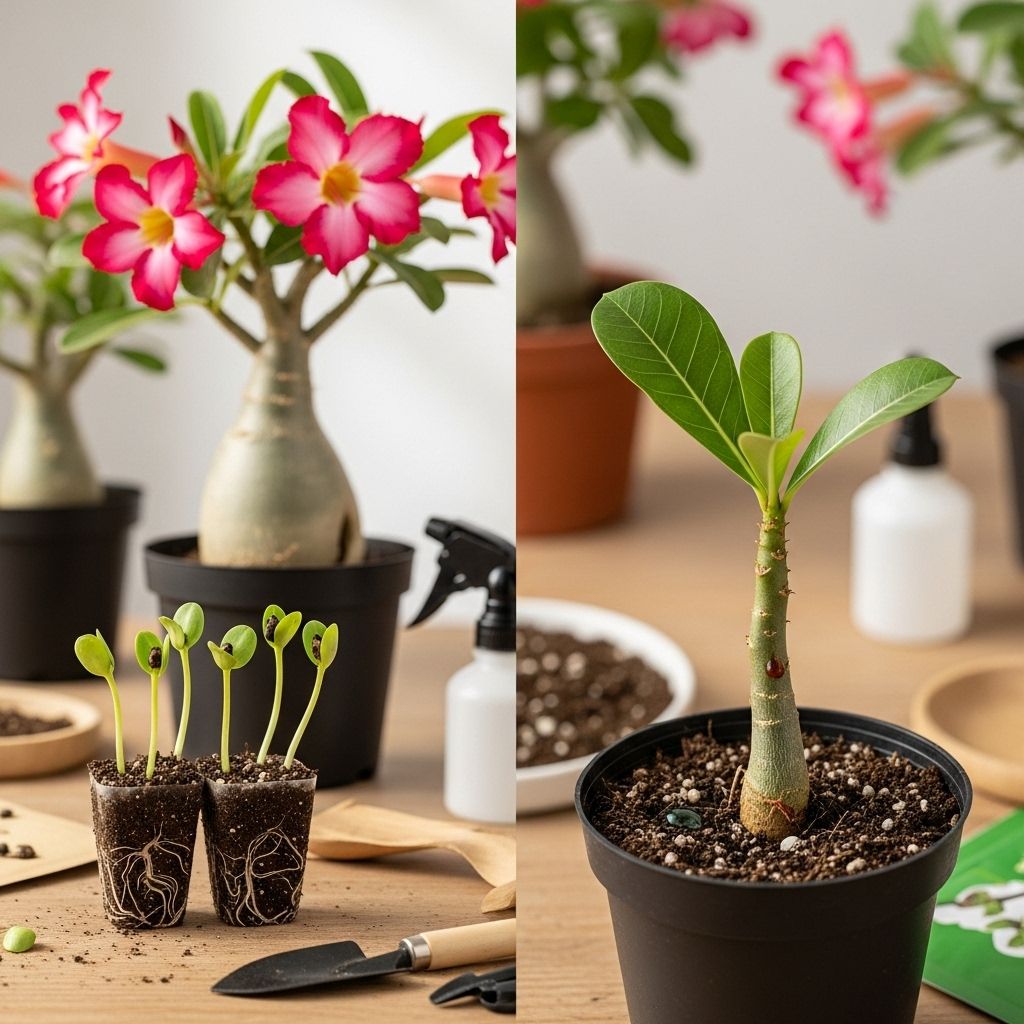
Desert Rose Propagation: The Complete Guide
The desert rose (Adenium obesum) is a beloved and visually stunning succulent recognized for its thick stem, striking flowers, and remarkable drought resistance. Propagating this plant enables gardeners to expand their collections and enjoy vibrant blooms year after year. This comprehensive guide explores two primary propagation methods—seed propagation and cutting propagation—and provides step-by-step instructions to ensure your propagation efforts are a resounding success.
Understanding Desert Rose (Adenium obesum)
Before diving into propagation techniques, it’s valuable to understand what makes the desert rose special:
- Semi-succulent nature: Thrives in arid conditions with thick, water-storing stems.
- Striking flowers: Produces pink, red, or white blooms that last for weeks.
- Ease of care: Suitable for container gardening and adaptable to indoor and outdoor conditions with sufficient light.
Desert Rose Propagation Methods
There are two widely used methods for propagating desert rose plants:
1. Desert Rose Seed Propagation
Propagating Adenium obesum from seeds is a straightforward process that encourages healthy growth and offers the potential for unique flower variations. This method is especially useful for hybrid varieties or gardeners aiming to cultivate a large batch of plants.
Why Choose Seed Propagation?
- Genetic diversity: Plants grown from seed may show variations in flower color and form.
- Vigorous growth: Seedlings often develop strong root systems, including the prized swollen caudex.
- Full lifecycle experience: Gardeners witness the entire development process, from sprouting seed to flowering plant.
Essentials for Successful Seed Propagation
- Fresh seeds: Freshness is crucial for a high germination rate. Obtain seeds from reputable sellers or directly from flowering plants. Keep in mind that two flowering adults are necessary for viable pollinated seeds.
- Well-draining growing medium: Use a mix of perlite or coarse sand with potting soil. Avoid dense, moisture-retaining soils to prevent rot.
Step-by-Step: How to Propagate Desert Rose from Seeds
- Prepare containers: Fill pots or trays with a well-draining mix (such as two parts sand/perlite to one part light potting soil).
- Sow seeds: Space the seeds evenly on the surface. Lightly cover them with a thin layer (a few millimeters) of the growing medium.
- Watering: Water from below by placing trays in a shallow pan of water, allowing moisture to soak up. Mist from above every three days until sprouting.
- Heat and humidity: Maintain a medium temperature between 80°F and 85°F (27°C to 29°C). Using a heat mat beneath your container can promote germination.
- Germination: With fresh seeds, expect germination in about one week. Older seeds may take longer or fail to germinate completely.
- Seedling care: Once sprouts appear, water only from below to avoid crown rot. Provide bright, indirect light.
- Transplanting: When seedlings are a month old and strong enough to handle, transplant them gently into individual pots with the same well-draining mix.
Key Tips for Seed Propagation Success
- Monitor temperatures carefully—below 75°F (24°C) will impede germination and seedling vigor.
- Avoid overwatering: Excess moisture can cause damping-off or root rot.
- Patience pays off: Well-grown seedlings may produce flowers within the same year, offering a rapid reward for your efforts.
2. Desert Rose Cutting Propagation
Desert rose cuttings are the preferred propagation method among many gardeners due to their reliability and ease. This technique is especially beneficial for hybrid desert rose varieties, as it preserves the unique features of the parent plant—hybrids started from seed may revert to ancestral traits, losing their distinctive flower color or form.
Why Choose Cutting Propagation?
- Clonal propagation: Produces plants identical to the parent, preserving flower and leaf forms in hybrids.
- Faster results: Cuttings often root and grow more quickly than seedlings reach maturity.
- Seasonal flexibility: Ideal for propagation during the active growing period (spring and summer).
Step-by-Step: How to Propagate Desert Rose from Cuttings
- Select a healthy cutting: Choose a tip of a branch that looks strong and disease-free. Cut a section 5 to 8 inches long with clean, sharp shears.
- Dry and callus: Allow the cutting to air-dry in indirect light for 1–2 days so the cut end can develop a protective callus, minimizing the risk of rot.
- Apply rooting hormone: (Optional, but increases success rates) Dip the cut end in a rooting hormone powder to stimulate root growth.
- Plant in growing medium: Insert the treated end into a well-draining mix of perlite and sand with soil. Plant the cutting deep enough to hold it upright.
- Watering:
- Moisten the growing medium lightly and water every day, ensuring excess water drains away freely.
- Use a spray bottle to mist the plant daily, maintaining humidity around the foliage.
- Root development: Place the potted cutting in a warm, shaded location. Rooting generally occurs in 2–6 weeks. Wait for visible signs of new leaf growth before moving the plant to direct sunlight.
Aftercare for New Cuttings
- Gradual acclimation: Once roots form and growth resumes, gradually introduce the plant to brighter conditions and, eventually, full sun.
- Ongoing care: Continue watering moderately and fertilize monthly during active growth. Reduce watering in dormant periods.
- Watch for pests and disease: Monitor for rot, especially near the base, and use well-ventilated pots and proper drainage.
Seed vs. Cutting Propagation: Which is Right for You?
| Aspect | Seed Propagation | Cutting Propagation |
|---|---|---|
| Genetic Variation | High | Identical to parent |
| Time to Flower | 6–12 months (sometimes first year) | Usually faster, as cutting is mature tissue |
| Caudex Formation | Strong, swollen caudex | May be less pronounced |
| Hybrid Preservation | No (traits may revert) | Yes (clone of parent) |
| Skill Level | Beginner–intermediate | Beginner–intermediate |
Caring for Young Desert Rose Plants
Whether grown from seeds or cuttings, young desert rose plants require careful attention for healthy establishment and future flowering:
- Light: Begin seedlings and cuttings in bright, indirect light; gradually introduce to full sun once acclimated.
- Water: Water sparingly but consistently, allowing the soil to nearly dry between waterings.
- Soil: Always use well-draining growing media to prevent rot and encourage strong root systems.
- Temperature: Keep above 50°F (10°C). Protect from frost and bring indoors during cold months.
- Fertilization: Apply a balanced, water-soluble fertilizer at one-quarter strength monthly during active growing months.
Common Questions and Tips
- When is the best time to propagate?
Spring and early summer are ideal for both cuttings and seeds, as the plants are most actively growing. - How do I avoid rot in cuttings?
Let cut ends callus thoroughly, use well-draining mix, avoid overwatering, and apply rooting hormone or fungicide (like cinnamon) to the cut. - Will seedlings look like the parent plant?
Only plants from cuttings are genetic clones of the parent. Seeds from hybrids can display a wide variety of flower and growth forms. - How can I get seeds from my own plants?
Two flowering plants are necessary for cross-pollination and viable seed pods. Pollination is often performed by hand using a small brush.
Frequently Asked Questions (FAQs)
Q: Can I propagate desert rose indoors?
A: Yes, both cuttings and seeds can be started indoors. Use a warm spot with bright, indirect sunlight and maintain high humidity during germination or rooting stages.
Q: What is the ideal soil for desert rose propagation?
A: A mix of coarse sand, perlite, and light potting soil ensures proper drainage and mimics the plant’s natural habitat, reducing the risk of rot.
Q: How long does it take for cuttings to root?
A: With proper conditions, roots generally develop in 2–6 weeks, though environmental factors may affect this timeline.
Q: Can I use stem cuttings from any part of the plant?
A: It’s best to use healthy, disease-free tips of branches, typically 5–8 inches long, taken with sharp, sterile pruners.
Q: Do I need to use rooting hormone?
A: While not strictly necessary, rooting hormone increases propagation success by encouraging faster and stronger root development.
Q: Why does my seed-grown desert rose look different?
A: Desert roses grown from seed, especially hybrids, display genetic variation and may differ in flower color, size, and growth habit compared to the parent plant.
Q: When will my propagated desert rose flower?
A: Healthy seedlings can bloom within their first year with optimal care; cuttings may flower as soon as they’re established and have adjusted to their new environment.
Conclusion: Grow Your Own Desert Rose Collection
Propagating the desert rose offers immense satisfaction and rewards with vibrant blooms and striking forms. By choosing the right method—seed propagation for unique, vigorous plants, or cutting propagation for clones of hybrids—you’ll expand your garden and enjoy these beautiful plants for years to come. With careful preparation, the right materials, and attentive care, anyone can master the art of Adenium obesum propagation.
Further Resources
For more on desert rose care, troubleshooting, and community tips, explore local gardening clubs, online succulent groups, and reputable plant care sites.
Similar Articles





Read full bio of medha deb