Dividing and Transplanting Irises: Complete Guide for Healthy Blooms
Unlock vibrant iris blooms by mastering division and transplanting for robust, healthy flower beds.
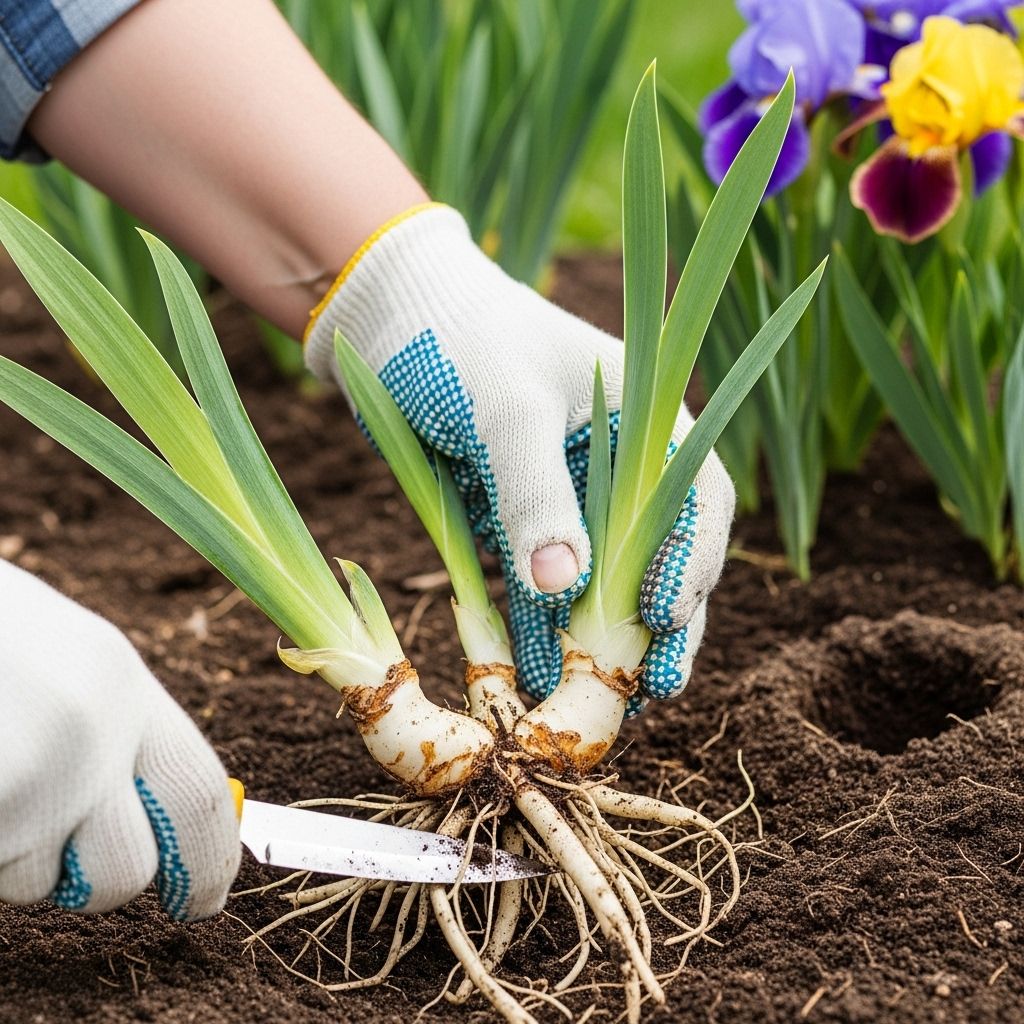
Dividing and Transplanting Irises: A Complete Guide
Irises bring stunning color, unique petal shapes, and resilience to home gardens, but to keep them vibrant, regular division and transplanting are essential. This comprehensive guide covers the right time and technique to divide irises, the differences between iris types, and expert steps for replanting and aftercare.
Why Divide and Transplant Irises?
Over time, irises can become overcrowded, leading to reduced flower production and weakened plants. Routine division not only rejuvenates your plantings but also helps prevent disease and decay, promotes healthy growth, and provides you with more irises to expand your garden.
Understanding Iris Types: Bearded vs. Siberian
Before taking action, identify which iris species you have, as their division and care needs differ.
- Bearded Irises: Famous for their large, flamboyant blooms and the fuzzy “beard” on each petal. They require division more frequently as they tend to become crowded quickly and show signs of decline if left alone for too long.
- Siberian Irises: Known for their long, grass-like foliage and elegant, somewhat smaller flowers. They multiply rapidly but generally require less frequent division, maintaining health even in larger clumps.
While both thrive in home gardens, bearded irises typically demand division every 3-4 years, while Siberian irises can be left undisturbed for longer periods unless crowding becomes apparent.
Signs Your Irises Need to Be Divided
Recognizing when your iris plants need division is vital for maintaining strong growth and vibrant blooms. Look for these key indicators:
- Overcrowded Foliage: Leaves form dense clumps or impressive mounds, with plants fighting for space.
- Rhizomes Heaving Out: Roots may become visible above ground, as overcrowded rhizomes push each other out of the soil.
- Reduced Flowering: A significant decrease in blooms is a classic sign it’s time to divide.
- Root Mass Like Spaghetti: When you dig down, roots look like a tangled mass, needing separation.
- Disease and Decline: Soft, damaged, or rotting rhizomes can spread decay and invite pests.
By intervening at the right time, you support both the health of your existing plants and the opportunity to propagate new ones.
Best Time to Divide and Transplant Irises
The optimal window for dividing irises is after flowering, when plants enter dormancy—usually midsummer to early fall (about 6–8 weeks post-bloom)(). At this stage, the plant is less stressed, and rhizomes have time to settle before winter.
- For zones with harsh winters, complete all division by early fall to allow establishment before freezing temperatures arrive.
- Avoid dividing during active spring growth or right before winter dormancy, as this stresses the plants and affects survival rates.
Preparing to Divide Irises: Tools & Precautions
Gather these essential tools before you start:
- Garden spade or fork (for digging clumps)
- Sharp, clean knife or pruning shears (for separating rhizomes)
- Gloves (to protect hands)
- Bucket or tarp (for sorting rhizomes)
- Watering can or hose (to rinse soil and hydrate roots if needed)
- Disinfectant (to clean tools and prevent disease spread between cuts)
Tip: Avoid digging after heavy rain; slightly dry soil is easier to work with and helps keep root systems intact.
Step-by-Step Guide: How to Divide Irises
Follow these careful steps to successfully divide and replant your irises:
1. Digging Up the Clump
- Insert a spade or fork in a circle around the iris clump, several inches from its base to avoid damaging rhizomes.
- Gently lever the entire clump out. If roots are stubborn, break the clump into manageable sections for removal.
- Shake or wash off excess soil to expose the rhizomes and clearly see the roots.
2. Separating and Inspecting Rhizomes
- Pull apart healthy rhizomes by hand if possible, or use a sharp, disinfected knife for those firmly joined.
- Each division should be 3–4 inches (8–10 cm) long, possess at least one fan of healthy foliage, and have a solid section of roots attached.
- Inspect each piece:
- Healthy rhizomes are firm, free from dark spots, rot, or insect damage.
- Discard any sections that are soft, mushy, diseased, or leafless.
Never compost diseased rhizomes; disposal in household waste prevents garden-wide reinfection.
3. Trimming the Foliage
- Cut foliage fans back to about one-third of their height (typically 4–6 inches).
- This prevents water loss, reduces transplant shock, and channels energy into root regrowth, ensuring healthy establishment.
Replanting Iris Divisions
For the best resurgence, attention to planting site and technique is crucial:
- Choose a Site: Irises prefer full sun (minimum 6 hours daily) and well-drained soil; avoid soggy locations where rhizomes can rot.
- Amend the Soil: Loosen and enrich soil with compost if needed. Ensure it’s light-textured and not overly rich in nitrogen—too much can reduce flowering.
- Spacing: Plant divisions 12–24 inches apart, allowing rhizomes to spread and mature without future crowding.
Follow this planting method:
- Form a shallow hole or trench, creating a small ridge of soil in the center.
- Place the rhizome atop the ridge, spreading roots down the sides.
- Set the rhizome at or just below the soil surface; covering too deeply can hinder flowering and encourage rot.
- Gently backfill, pressing soil for stability.
- Water thoroughly to settle the soil and help roots make contact.
Important: Don’t mulch directly over rhizomes, as this can hold unnecessary moisture and promote rot.
Aftercare: Ensuring Iris Health Post-Transplant
The time after division is critical for iris recovery. With proper care you’ll be rewarded with robust blooms in following seasons:
- Water lightly for the first several weeks to keep soil just moist—do not overwater.
- Fertilize sparingly in fall or early spring with a balanced, low-nitrogen fertilizer if needed.
- Monitor for pests or rot: Remove any fallen or diseased foliage promptly.
- Expect a rest period: Newly divided irises may skip a bloom cycle while establishing; full flowering returns the next year.
Potential Problems and Solutions
| Problem | Cause | Solution |
|---|---|---|
| Soft, mushy rhizomes | Bacterial rot or too much moisture | Discard affected parts, improve drainage, avoid mulching rhizomes |
| Spots, holes in leaves | Iris borers or fungal leaf spot | Remove and destroy damaged foliage, use clean tools, practice crop rotation |
| Poor flowering post-transplant | Rhizomes planted too deeply, too little sun | Replant at correct depth, ensure adequate sunlight |
| Slow re-establishment | Stress from division, insufficient watering | Patience; keep soil evenly moist, avoid overfertilizing |
Quick Reference Checklist: Dividing and Transplanting Iris
- Divide every 3–4 years, after blooming period
- Work in dry, not wet, soil
- Inspect and discard diseased or damaged rhizomes
- Trim leaves to 4–6 inches after division
- Replant shallowly in full sun and well-drained soil
- Avoid mulch directly over rhizomes
- Water sparingly until established
Frequently Asked Questions (FAQs)
Q: How often should I divide my irises?
A: Divide most iris clumps every 3–4 years, or whenever you notice reduced blooming or overcrowded rhizomes.
Q: Can I divide irises in spring or fall?
A: The best time is mid-to-late summer, after flowering is complete. If you must divide in fall, do so early to allow roots to establish before winter. Avoid dividing during spring growth.
Q: My rhizomes have no leaves—will they survive?
A: Healthy rhizome divisions should ideally have at least one or two leaf fans. Bare rhizomes may not thrive or bloom well.
Q: Why didn’t my irises bloom after division?
A: Transplanted irises often skip a bloom due to transplant shock but will typically flower the following season if correctly planted.
Q: Can I plant irises in containers?
A: Yes, provide a wide shallow planter with drainage holes, use well-drained soil, and expose to full sun. Monitor moisture closely to prevent rot.
Expert Tips for Iris Success
- Label different colors or varieties before dividing to keep track in your garden plan.
- Share healthy divisions with friends or neighbors for community color and healthy plant exchange.
- Practice tool hygiene: Always sanitize blades between cuts to stop disease spread.
- If replanting immediately isn’t possible, store divisions in a cool, shaded place with roots lightly covered in damp peat moss. Plant as soon as feasible.
- Be patient: Even well-divided and tended irises need a season or two to return to their former floral glory after a move.
With regular attention to division and transplanting, your iris beds will reward you with ease of care and breathtaking color for years to come.
Similar Articles






Read full bio of medha deb