Do Dahlias Prefer Sun or Shade? Maximizing Blooms Through Light Management
Understand the light needs of dahlias to ensure healthy, abundant blooms—even in hot climates.
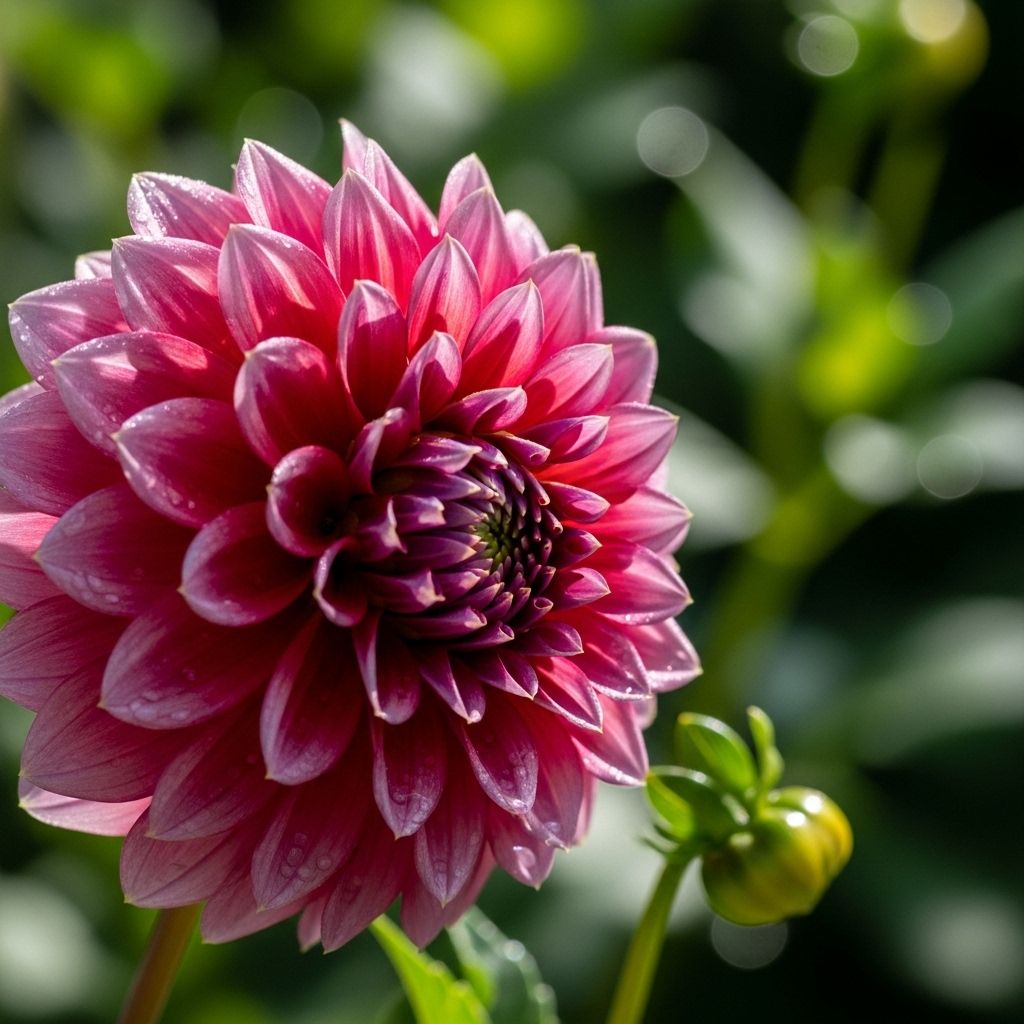
Do Dahlias Like Full Sun, Partial Shade, or Full Shade?
Dahlias—beloved for their astonishing array of colors, forms, and sizes—captivate gardeners everywhere. A common question arises with these tuberous perennials: Do dahlias do best in full sun, partial shade, or full shade? Understanding how much sunlight dahlias need is crucial for maximizing their bloom potential, health, and vigor. With thousands of cultivars and wide adaptability, it’s no wonder gardeners seek clarity on this light debate. This guide delves into sun preferences, the science behind plant sun labels, tips for various climates, and proven strategies for getting the most from your dahlia patch.
Contents
- Dahlia Basics
- Do Dahlias Prefer Sun or Shade?
- Decoding Sun Exposure Labels
- How Dahlias Adapt to Different Climates
- Tips for Choosing the Best Planting Location
- Protecting Dahlias in Hot Weather
- Growing Dahlias in Containers
- Frequently Asked Questions
Dahlia Basics
Dahlias belong to a diverse genus of tuberous perennials native to Central America. They range in height from compact border types to towering statement plants and can exhibit single, anemone, cactus, or dinner-plate-shaped blooms. In the right conditions, dahlias perform as reliable summer-to-autumn perennials in USDA Hardiness Zones 8–11, while gardeners elsewhere often grow them as annuals due to cold sensitivity. Their beauty and adaptability make dahlias a staple flower for home gardeners and florists alike.
- Genus: Dahlia
- Family: Asteraceae (the aster or daisy family)
- Varieties: Over 50,000 registered cultivars, assorted bloom types and sizes
- Main uses: Borders, beds, cutting gardens, and containers
Do Dahlias Prefer Sun or Shade?
Most dahlias thrive best in full sun, requiring at least 6 to 8 hours of direct sunlight daily. In cooler climates or mild summers, exposing dahlias to even more sunlight—10 to 12 hours—is ideal and typically results in larger blooms and more prolific flowering. However, a little nuance is required for hotter locations or extreme heat waves.
- Full Sun: 6 to 8 hours (ideally 8+ for maximum flowering in temperate climates).
- Partial Shade: May benefit dahlias during the hottest part of the afternoon in areas where summer temperatures frequently exceed 90–100°F (32–38°C).
- Full Shade: Not recommended. Dahlias planted in full shade will have weak stems, reduced blooms, and increased disease risk.
In summary: More sun generally equals more blooms, except where excessive heat or scorching afternoon sun threatens plant health. In those instances, providing a few hours of afternoon shade can help.
Decoding Sun Exposure Labels
Modern plant tags and nursery labels use standardized categories to describe light requirements, and understanding these terms can guide your planting plans:
| Sun Exposure Label | Definition | Best Practice for Dahlias |
|---|---|---|
| Full Sun | 6+ hours of direct sunlight per day | Optimal in most climates; increases bloom quantity and size |
| Part Sun | 3–6 hours of direct sunlight per day, including midday | Sufficient, especially if afternoon sun is included; may result in slightly fewer blooms |
| Part Shade | 3–6 hours of morning or filtered sunlight; shade in afternoon | Recommended in very hot climates to prevent heat stress |
| Full Shade | Little to no direct sun (<1 hour) | Not advisable; results in poor flowering and leggy growth |
Labels reflect what a plant evolved to handle. Dahlias evolved to enjoy bright, sunny spots, but not blazing heat for extended periods. Matching their placement to these needs helps ensure robust, healthy plants.
How Dahlias Adapt to Different Climates
Climate dramatically affects how much sun dahlias need and can tolerate. While the guidance above is a useful rule of thumb, you’ll need to adjust for your specific environment:
In Mild or Cool Climates:
- Place dahlias where they get at least 8 hours of uninterrupted sunlight per day.
- Morning to late afternoon sun is ideal—these plants will be at their most vigorous and productive.
- Partial shade generally isn’t necessary unless provided by taller planting companions late in the day.
In Hot or Arid Climates:
- Provide partial afternoon shade during high summer, especially in areas with temperatures consistently above 90–100°F (32–38°C).
- Sunlight in the morning and late afternoon helps maximize growth, but during the hottest hours (usually 2–5 p.m.), block the sun with shade cloth, nearby structures, or dappled shade from trees.
- Monitor for signs of sun stress, such as wilted leaves, sunburn, or flower drop.
- Mulching to cool the soil is critical—see more below.
Tips for Choosing the Best Planting Location
Your dahlias’ performance hinges on location. When selecting a spot in your yard or garden, keep these guidelines in mind:
- Sun Exposure: Aim for maximum sun in regions with moderate summers; in hot regions, prioritize morning sun and provide relief from sweltering afternoon rays.
- Air Circulation: Ensure good airflow to discourage fungal diseases.
- Soil Drainage: Dahlias prefer well-drained, slightly acidic soil (pH 6.0–7.0). Avoid areas where water pools after rain.
- Shelter from Wind: While seeking good sun, choose a spot protected from harsh winds, which can topple tall stems.
- Space Considerations: Larger dahlias need a planting interval of 12–18 inches (30–45 cm) to prevent overcrowding and shading of smaller varieties.
Protecting Dahlias in Hot Weather
If you live in an area with strong summers or hot, dry spells, consider the following dahlia care strategies:
1. Provide Afternoon Shade
- Site dahlias where trees or buildings cast shade after 2 p.m., or use 30%–40% shade cloth to protect from intense sunlight.
- Position taller plants or trellises on the west side to offer natural relief when the sun is hottest.
2. Mulch to Cool the Soil
- Apply 2–3 inches (5–8 cm) of organic mulch—such as wood chips, bark, straw, or herbicide-free leaves—around the base.
- Mulching reduces soil temperature, conserves moisture, and prevents weeds.
3. Water Deeply and Wisely
- Install drip irrigation or soaker hoses to keep roots moist, especially during droughts or extreme heat.
- Wait to water until shoots appear. Overwatering tubers before they sprout can cause rot.
- Water early in the day to allow foliage to dry and reduce disease risk.
4. Mist or Lightly Spray in Extreme Heat
- A gentle afternoon misting over the foliage can help cool dahlias in especially hot and dry conditions.
5. Choose Suitable Varieties
- Consider selecting dahlia cultivars known for heat tolerance if you live in subtropical or arid zones.
Growing Dahlias in Containers
Dahlias adapt well to pots and containers—a great solution when outdoor planting conditions are less than ideal.
- Light Needs: Place containers in the brightest spot available, moving them to afternoon shade if you experience high heat.
- Soil: Use a high-quality, well-draining potting mix enriched with compost.
- Watering: Potted dahlias dry out quickly and need consistent moisture, but ensure the tubers don’t sit in soggy soil.
- Mobility: Containerized dahlias can be moved as necessary to maximize sunlight and manage heat.
Frequently Asked Questions (FAQs)
Q: Can dahlias survive in deep shade?
A: Dahlias struggle without direct sunlight. In deep shade, they produce weak foliage, few or no blooms, and succumb easily to disease.
Q: What’s the minimum amount of sun for dahlias to bloom?
A: Aim for at least 6 hours of direct sunlight per day for decent flowering. More sun typically means more blooms, unless temperatures are extreme.
Q: Should I provide afternoon shade for dahlias in all climates?
A: Afternoon shade is only generally needed in hot climates or during heat waves when temperatures exceed 90°F (32°C) for prolonged periods.
Q: Can I use artificial shade for dahlias?
A: Yes. Shade cloth, lattice, or other temporary garden coverings are effective in providing relief during intense afternoon sun or heat waves—especially in regions with high summer temperatures.
Q: How should I arrange my dahlias for best light exposure?
A: Plant the tallest varieties to the north or east, and shorter ones to the south or west, so all get unobstructed morning light and aren’t shaded by larger plants.
Summary Table: Dahlia Sun vs. Shade Requirements
| Condition | Sun Exposure | Best Practice |
|---|---|---|
| Cool to Mild Climates | Full sun, 8+ hours | Locate in open spaces with unfiltered sunlight |
| Hot/Arid Climates (>90°F) | Morning sun, afternoon shade | Provide dappled or artificial afternoon shade, use mulch |
| Wet/Low-Lying Areas | Full sun to part sun | Amend soil for drainage; avoid deep shade entirely |
| Containers | Brightest available site | Move pots as needed to balance light and heat |
Dahlia Sun & Shade Tips: Key Takeaways
- Sunlight is the most important ingredient for vibrant, abundant dahlia flowering.
- In moderate climates, more sun means bigger, more plentiful blooms.
- Afternoon shade or heat protection is essential in hot climates to keep dahlias from wilting, burning, or dropping flower buds.
- Good soil and mulching practices help roots stay cool and healthy.
- Container-grown dahlias offer flexibility for optimizing sunlight exposure.
With thoughtful site selection and heat management, dahlias will reward you with a dazzling display of flowers season after season, no matter your climate.
Similar Articles





Read full bio of medha deb