Dogwood Bark Peeling: Causes and Solutions
Understanding and Addressing Peeling Bark on Dogwood Trees
Introduction to Dogwood Trees
Dogwood trees are highly valued for their beauty and versatility, offering stunning floral displays, vibrant fall colors, and a myriad of ornamental varieties. Native across North America, these trees are found in both deciduous and evergreen forms, providing visual interest throughout the seasons. However, one common issue many gardeners face with dogwoods is peeling bark. This can be both a natural occurrence and a sign of underlying problems.
When Is Peeling Bark Normal?
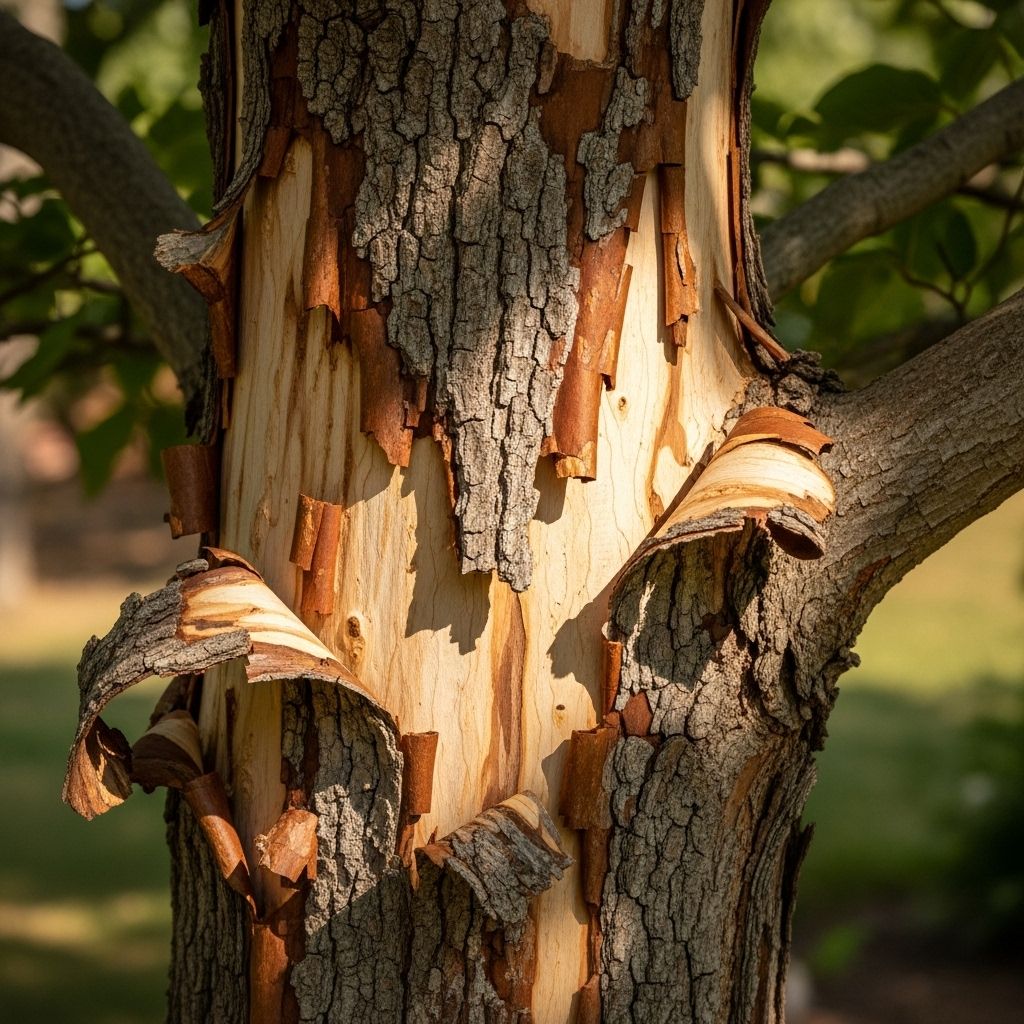
For some dogwood species, peeling bark is a natural part of their growth cycle. The Kousa dogwood, for instance, is known for its attractive mottled bark that peels in irregular patches, revealing a mosaic of colors underneath. This characteristic is part of the tree’s appeal, particularly in winter when other trees may appear bare. Additionally, peeling bark can occur due to wildlife interactions, such as when deer rub against the tree with their antlers or small rodents chew on the trunk. While these actions are not beneficial for the tree, they are common in certain regions and can be considered normal.
Causes of Peeling Bark
Peeling bark on dogwood trees can result from various factors including mechanical injury, pests, diseases, and environmental stress. Here are some common causes:-
Mechanical Damage
: This includes injuries from garden tools like lawnmowers or string trimmers, as well as rubbing from animals. Such damage can serve as entry points for pests and diseases, leading to further complications.-Pests
: Insects like borers can cause significant damage by feeding under the bark, disrupting nutrient flow. Squirrels and other rodents may also chew through the bark, leading to peeling.-Diseases
: Fungal diseases such as dogwood anthracnose can cause bark lesions and peeling. Cankers, like basal trunk canker, can lead to splitting and loss of bark.-Environmental Stress
: Drought, poor drainage, and soil compaction are environmental factors that can stress the tree, making it more susceptible to bark peeling.Types of Pests Affecting Dogwood Trees
Dogwood trees are susceptible to several pests that can cause bark peeling:-
Borers
: The dogwood twig borer and other borer species can live inside the tree’s tissue, causing damage from within. These pests are difficult to detect until extensive damage is done.-Scale Insects
: Large numbers of scale insects can create the appearance of peeling bark because they form hard-bodied scabs on the tree. These insects are susceptible to pesticides and manual removal.Diseases Affecting Dogwood Trees
Diseases play a significant role in causing peeling bark on dogwood trees:-
Dogwood Anthracnose
: This fungal disease primarily affects the leaves but can also infect twigs and bark, causing lesions and peeling.-Basal Trunk Canker
: This disease leads to lesions, weeping sap, and bark peeling at the base of the tree.Solutions and Prevention
Addressing peeling bark on dogwood trees requires understanding the underlying cause and implementing appropriate remedies:-
Adequate Watering
: Ensure the tree receives consistent moisture, especially during drought periods.-Mulching
: Apply a layer of mulch around the base to retain soil moisture and protect against mechanical damage.-Improving Drainage
: Enhance soil drainage to prevent waterlogged conditions that encourage fungal diseases.-Protecting from Pests
: Use pest control measures early to prevent infestations. Regularly inspect trees for signs of pests or diseases.Preventing Mechanical Damage
To minimize mechanical damage, ensure that garden tools are handled carefully and kept away from the tree trunk. Consider wrapping tree guards around young trees to protect them from damage and sunscald.
Frequently Asked Questions (FAQs)
Q: What causes peeling bark on dogwood trees?
Peeling bark can result from drought, mechanical damage, pests, diseases, and environmental stress.
Q: Is peeling bark always a sign of disease?
No, peeling bark can be a natural occurrence in some species or a result of stress, but it can also indicate disease or pest infestations.
Q: How do I prevent sunscald on young dogwood trees?
To prevent sunscald, use light-colored tree guards to protect the trunk from intense sunlight, especially on the south or west sides.
Q: Can peeling bark be treated?
Treating peeling bark involves addressing the underlying cause. For diseases, fungicides may be applied, while pest control measures are necessary for infestations. Environmental stress can be mitigated with proper watering and mulching.
Q: Are all dogwood species susceptible to peeling bark?
While many dogwood species can experience peeling bark due to stress or disease, some species naturally peel as part of their growth cycle.
Conclusion
Peeling bark on dogwood trees can be a sign of stress or disease, but in some cases, it is a natural and harmless occurrence. Understanding the causes and implementing appropriate solutions can help maintain the health and beauty of these ornamental trees. Proper care, including adequate watering, mulching, and protection from pests and diseases, is crucial for preventing and addressing bark peeling issues on dogwood trees.
Similar Articles



Read full bio of Sneha Tete