Fair Bianca English Shrub Rose: A Timeless Garden Beauty
Discover the elegance of Fair Bianca rose with expert tips on cultivation and care
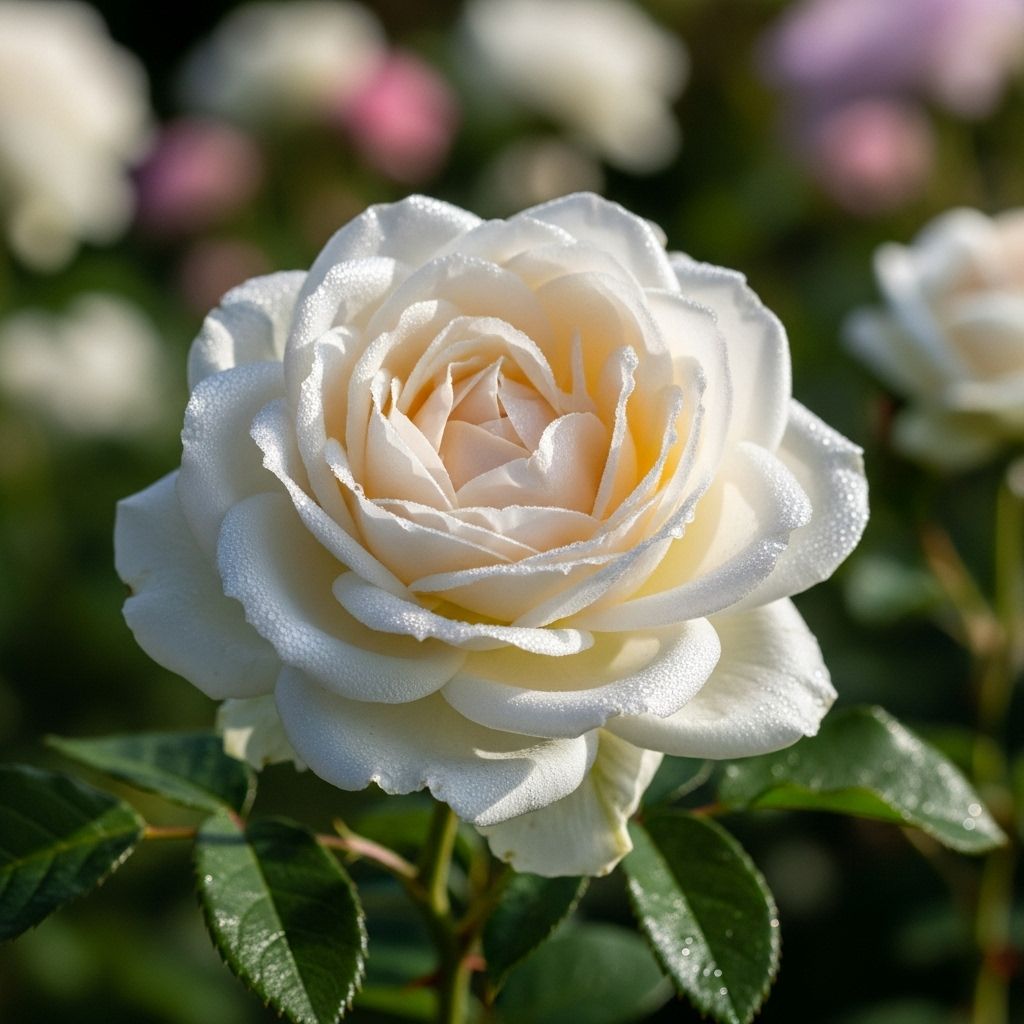
The ‘Fair Bianca’ English shrub rose represents one of the most enchanting additions to any garden, combining the romance of old-fashioned roses with modern disease resistance and repeat blooming capabilities. This David Austin creation has captured the hearts of rose enthusiasts worldwide with its stunning white blooms and captivating fragrance, establishing itself as a timeless classic in the world of ornamental gardening.
Bred by the legendary David Austin in 1982, Fair Bianca embodies the perfect marriage between historical charm and contemporary garden performance. This compact shrub rose grows to a manageable height of approximately 2-1/2 to 5 feet, making it an exceptional choice for gardeners with limited space or those seeking to create layered border displays. The plant’s relatively modest stature belies its remarkable ornamental impact, as it produces an abundance of exquisitely formed blooms throughout the growing season.
Outstanding Floral Characteristics
The flowers of Fair Bianca are nothing short of spectacular, showcasing the meticulous breeding work that has made David Austin roses legendary among gardening enthusiasts. Each bloom opens as a beautifully cupped double flower, with petals densely arranged in the center, creating a mesmerizing spiral pattern that draws the eye inward. The blossoms typically measure 2-3 inches in diameter and contain an impressive 60 or more petals, giving them an exceptionally full and luxurious appearance.
The color palette of Fair Bianca is predominantly
pure white
, occasionally displaying subtle variations that add to its charm. Some blooms may exhibit a delicatecreamy white eye
at the center, while others feature a slightyellowish or pinkish flush
in the heart of the flower. This gentle color variation adds depth and interest to the blooms without detracting from their overall pristine appearance. As the flowers mature, they open flat and quartered with reflexed edges, creating a classic rosette form that is characteristic of the finest English roses.Perhaps one of the most compelling features of Fair Bianca is its
strongly scented
fragrance, described as having notes of myrrh combined with classic rose perfume. This intoxicating aroma has become one of the rose’s signature characteristics, making it an excellent choice for cutting gardens where the flowers can be brought indoors to perfume living spaces. The fragrance is particularly pronounced during warm, sunny days when the essential oils in the petals are most volatile.Growth Habit and Form
Fair Bianca exhibits an
upright, bushy growth habit
that makes it remarkably versatile in landscape applications. The plant typically reaches a mature height of 3 to 5 feet with a spread of 3 to 4 feet, though some sources note it can be even more compact, growing to just 2-1/2 feet tall. This relatively contained size makes it particularly suitable for smaller gardens, container cultivation, or placement in mixed borders where it won’t overwhelm neighboring plants.The shrub’s multi-stemmed structure creates a full, rounded form that fills out naturally to the ground, eliminating the need for facer plants at its base. This characteristic makes Fair Bianca an excellent choice for creating a cohesive border edge or for use as a low hedge. The plant’s medium growth rate means it will establish itself reasonably quickly without requiring excessive pruning to maintain its shape, and under ideal conditions, it can be expected to thrive for approximately 20 years.
The foliage of Fair Bianca provides an attractive backdrop for its stunning blooms. The leaves are
semi-glossy
and range from mid to dark green in color, creating a pleasing contrast against the pure white flowers. The compound oval leaves are deciduous, meaning the plant will lose its foliage during winter dormancy. While the autumn color is not particularly noteworthy, the leaves remain attractive throughout the growing season, maintaining their glossy appearance when provided with adequate care.Exceptional Blooming Performance
One of Fair Bianca’s most valuable attributes is its outstanding repeat blooming capability. The rose produces flowers nearly continuously throughout the growing season, beginning in late spring and continuing through late summer into fall. This extended flowering period provides months of visual interest and fragrant enjoyment, making it far more valuable than once-blooming varieties that offer only a brief seasonal display.
The flowers are borne in clusters at the ends of the branches, creating impressive floral displays that can be appreciated both up close and from a distance. This clustering habit means that when Fair Bianca is in full bloom, the plant can be absolutely covered in flowers, creating a spectacular white cloud effect in the garden. The blooms are
excellent for cutting
, allowing gardeners to enjoy their beauty and fragrance indoors as well as in the landscape.Noteworthy Characteristics and Garden Value
Fair Bianca possesses several characteristics that make it particularly noteworthy among English shrub roses. As with most English roses, it combines the charm and fragrance of old garden roses with the repeat flowering habit and improved disease resistance of modern varieties. This combination makes it far more practical for contemporary gardens than many antique rose varieties that bloom only once per season.
The rose’s
compact stature
is particularly valuable in today’s gardens where space is often at a premium. Unlike many shrub roses that can grow quite large and unwieldy, Fair Bianca remains manageable without sacrificing flower quality or quantity. This makes it ideal for small gardens, urban spaces, or situations where a more diminutive rose is required to maintain proper scale and proportion.Fair Bianca serves multiple roles in the landscape. It makes an ideal companion in
mixed borders
, where it can be combined with perennials, other shrubs, and ornamental grasses to create layered, textured plantings. The pure white blooms provide a cooling effect in the garden and serve as a neutral element that harmonizes with virtually any color palette. The rose also works beautifully inhedges
, creating a fragrant boundary or garden division, and makes an outstandingspecimen plant
where its architectural form and abundant blooms can be fully appreciated.The inclusion of Fair Bianca in
English garden
,cottage garden
, orcutting garden
designs is particularly appropriate. These garden styles emphasize romantic, abundant plantings with an emphasis on fragrance and flower form—qualities that Fair Bianca delivers in abundance. The rose’s ability to attract bees also makes it valuable for pollinator gardens, contributing to the health of the local ecosystem.Optimal Growing Conditions
To achieve the best performance from Fair Bianca, it’s essential to provide optimal growing conditions. The rose should be grown in
fertile, moist, well-drained soil
that has been amended with organic matter to improve both nutrient content and soil structure. While Fair Bianca can tolerate a range of soil types including clay, loam, and sandy soils, it performs best when the soil is rich and moisture-retentive without becoming waterlogged.The rose is adaptable regarding soil pH, tolerating acid, neutral, and alkaline conditions. This flexibility makes it suitable for a wide range of garden situations without requiring extensive soil modification. However, like most roses, Fair Bianca benefits from a slightly acidic to neutral pH range, typically between 6.0 and 7.0, which facilitates optimal nutrient uptake.
**Full sun exposure** is essential for Fair Bianca to produce its abundant flowers and maintain healthy growth. The rose should receive at least six hours of direct sunlight daily, though it can tolerate partial shade in hotter climates. When grown in full sun, Fair Bianca will produce more flowers, develop stronger stems, and exhibit better disease resistance than plants grown in shadier locations.
Proper air circulation around the plant is crucial for disease prevention. When siting Fair Bianca in the garden, ensure adequate spacing from other plants and structures to allow air to move freely through the foliage. This simple cultural practice significantly reduces the risk of fungal diseases that can plague roses in humid or poorly ventilated situations.
Fair Bianca demonstrates good cold hardiness, being suitable for USDA Zones 4b through 10b, though it performs best in Zones 5 through 9. In colder zones, some winter protection may be beneficial, such as mounding mulch around the base of the plant after the ground freezes. The rose prefers
sheltered positions
withsouth-facing or west-facing aspects
that provide maximum sun exposure while offering some protection from harsh winds.Comprehensive Care and Maintenance
Fair Bianca requires
moderate maintenance
to perform at its best, though it is not excessively demanding compared to some rose varieties. Regular care practices will ensure the plant remains healthy, vigorous, and floriferous throughout its life.Pruning is one of the most important maintenance tasks for Fair Bianca. The rose should be pruned in late winter, after the threat of extreme cold has passed but before new growth begins in earnest. For general maintenance, prune lightly or cut back growth by up to one-third, reducing side shoots by one-half to one-third of their length. This approach maintains the plant’s natural form while encouraging robust new growth and abundant flowering.
For older plants that have become overgrown or are flowering poorly, more extensive renovation pruning may be necessary. This involves cutting one in four or five shoots from the base to rejuvenate the plant and encourage fresh, vigorous growth from the roots. While this may seem drastic, established roses typically respond well to this treatment, producing strong new canes that will flower prolifically in subsequent seasons.
Watering should be consistent, especially during the establishment period and throughout the growing season. Fair Bianca prefers evenly moist soil conditions but will not tolerate standing water or poorly drained situations. Deep, infrequent watering is preferable to frequent shallow watering, as it encourages deep root development that makes the plant more drought-tolerant and resilient.
Fertilization supports the rose’s continuous blooming habit. Apply a balanced rose fertilizer in early spring as new growth emerges, and follow with additional applications throughout the growing season according to the manufacturer’s recommendations. Organic options such as well-rotted manure, compost, or fish emulsion provide gentle, slow-release nutrition that supports steady growth without promoting excessive soft growth that is susceptible to disease and pest problems.
Mulching around the base of Fair Bianca provides multiple benefits. A 2-3 inch layer of organic mulch conserves soil moisture, moderates soil temperature, suppresses weed growth, and gradually breaks down to improve soil structure and fertility. Keep mulch a few inches away from the crown of the plant to prevent stem rot and discourage pest harboring.
Deadheading, or removing spent flowers, encourages continuous blooming by preventing the plant from directing energy into seed production. For Fair Bianca, remove faded blooms by cutting back to the first outward-facing five-leaflet leaf. This practice not only promotes reblooming but also keeps the plant looking tidy and attractive throughout the season.
Propagation Techniques
Fair Bianca can be propagated through stem cuttings, allowing gardeners to create new plants that are genetically identical to the parent.
Softwood cuttings
can be taken when bloom initiates in spring to summer, using the current season’s growth that is still flexible but beginning to firm up. Cuttings should be 4-6 inches long, taken from healthy, disease-free stems, with the lower leaves removed and the cut end treated with rooting hormone before insertion into a well-draining rooting medium.**Hardwood cuttings** provide another propagation option and are taken in fall after the plant has gone dormant. These cuttings are generally more mature and woody than softwood cuttings and may take longer to root, but they can be highly successful when properly handled. Regardless of the method chosen, maintaining consistent moisture and providing bright, indirect light are crucial for successful rooting.
Common Problems and Solutions
While Fair Bianca demonstrates reasonable disease resistance for a rose, it is not immune to common rose ailments.
Black spot
,rust
, andpowdery mildew
are fungal diseases that can affect the plant, particularly in humid conditions or when air circulation is inadequate. Preventive measures include proper spacing, removal of fallen leaves, and avoiding overhead watering that wets the foliage. If disease does occur, affected leaves should be removed and destroyed, and fungicidal treatments may be necessary for severe infections.Various insect pests can trouble Fair Bianca, including
aphids
,leafhoppers
,spider mites
,scale
,caterpillars
,sawfly larvae
,Japanese beetles
, and numerous other rose-specific pests. Regular monitoring allows for early detection and intervention before pest populations become problematic. Many pests can be controlled with horticultural oil or insecticidal soap applications, while hand-picking is effective for larger insects like Japanese beetles and caterpillars.**Deer browsing** can be a significant problem in some areas, as deer find roses quite palatable. Fencing, repellents, or planting deer-resistant companion plants may be necessary to protect Fair Bianca in areas with high deer populations.
More serious problems include
crown gall
,canker
,dieback
,downy mildew
, andviruses
. These issues are often more difficult to manage than common pests and diseases, and prevention through proper cultural practices and the use of disease-free planting stock is the best approach.Seasonal Interest and Landscape Impact
Fair Bianca provides significant visual interest throughout multiple seasons. In
spring
, the plant emerges from dormancy with fresh green foliage and begins producing its first flush of blooms in late spring, signaling the beginning of the rose season. This early flowering is eagerly anticipated by gardeners and provides a welcome burst of white color and fragrance.**Summer** brings the peak blooming period for Fair Bianca, with flowers produced nearly continuously in waves throughout the season. The combination of pure white blooms against dark green foliage creates a cooling, sophisticated effect in the garden, particularly welcome during the heat of summer. The strong fragrance becomes a defining characteristic of the garden during this time, especially in the morning and evening when the air is still.
In
autumn
, Fair Bianca continues to produce flowers, though the display may be somewhat lighter than the summer peak. The foliage remains green and attractive until cold weather arrives, and the spiny brick red bark becomes more noticeable as the leaves begin to drop, adding an interesting textural element to the landscape.During
winter
, Fair Bianca is dormant and leafless, but the architectural structure of the stems provides some visual interest in the winter garden, particularly when covered with frost or snow. This is the time for pruning and planning for the next growing season.Companion Planting and Design Considerations
Fair Bianca’s pure white flowers and compact form make it highly versatile in companion planting schemes. The rose pairs beautifully with
purple and blue perennials
such as lavender, catmint, salvia, and veronica, creating classic color combinations that are both soothing and sophisticated. The white blooms also complementpink and red flowers
, making Fair Bianca an excellent companion for other roses or flowering shrubs in these color ranges.For a
monochromatic white garden
, Fair Bianca can be combined with other white-flowering plants such as white peonies, shasta daisies, white iris, and white annuals like petunias or impatiens. This approach creates a serene, elegant landscape that appears luminous in evening light and provides a sophisticated backdrop for outdoor entertaining.**Silver-foliaged plants** such as artemisia, lamb’s ear, and dusty miller make excellent companions for Fair Bianca, echoing the cool tones of the white flowers while providing textural contrast. Ornamental grasses with fine textures like blue fescue or Mexican feather grass can soften the edges of the rose and add movement to the planting.
When designing with Fair Bianca, consider its moderate height and place it in the mid-border position where it can be viewed from multiple angles. Shorter perennials or annuals can be planted in front, while taller shrubs or perennials provide a backdrop. The rose’s bushy form and tendency to bloom at the top of the plant mean it works well with layered plantings where each tier contributes to the overall composition.
Frequently Asked Questions
Q: How tall does Fair Bianca rose grow?
A: Fair Bianca typically grows to 2-1/2 to 5 feet tall depending on growing conditions and climate, with a spread of 3 to 4 feet. Its compact size makes it suitable for smaller gardens and container cultivation.
Q: Is Fair Bianca rose fragrant?
A: Yes, Fair Bianca is strongly fragrant with notes of myrrh combined with classic rose scent. The fragrance is one of its most appealing characteristics and makes it excellent for cutting gardens.
Q: How often does Fair Bianca bloom?
A: Fair Bianca is a repeat bloomer that flowers nearly continuously from late spring through late summer into fall, providing months of color and fragrance in the garden.
Q: What zone is Fair Bianca hardy to?
A: Fair Bianca is hardy in USDA Zones 4b through 10b, though it performs best in Zones 5 through 9. Some winter protection may be beneficial in the coldest zones.
Q: Does Fair Bianca need full sun?
A: Yes, Fair Bianca performs best in full sun, requiring at least six hours of direct sunlight daily for optimal flowering and disease resistance, though it can tolerate partial shade in hotter climates.
Q: Is Fair Bianca disease resistant?
A: While Fair Bianca shows reasonable disease resistance for a rose, it can be susceptible to black spot, rust, and powdery mildew, particularly in humid conditions. Proper spacing and air circulation help prevent disease problems.
Q: Can Fair Bianca be grown in containers?
A: Yes, Fair Bianca’s compact size makes it suitable for container cultivation. Choose a large container with drainage holes and use quality potting mix formulated for roses.
Q: When should I prune Fair Bianca?
A: Prune Fair Bianca in late winter after the threat of extreme cold has passed but before new growth begins. Light to moderate pruning maintains plant health and encourages abundant flowering.
Similar Articles





Read full bio of Sneha Tete