Foundation-Friendly Plants: Impactful Choices for Your Home Landscape
Selecting the right foundation plants enhances curb appeal and preserves the integrity of your home's structure with low-maintenance greenery.
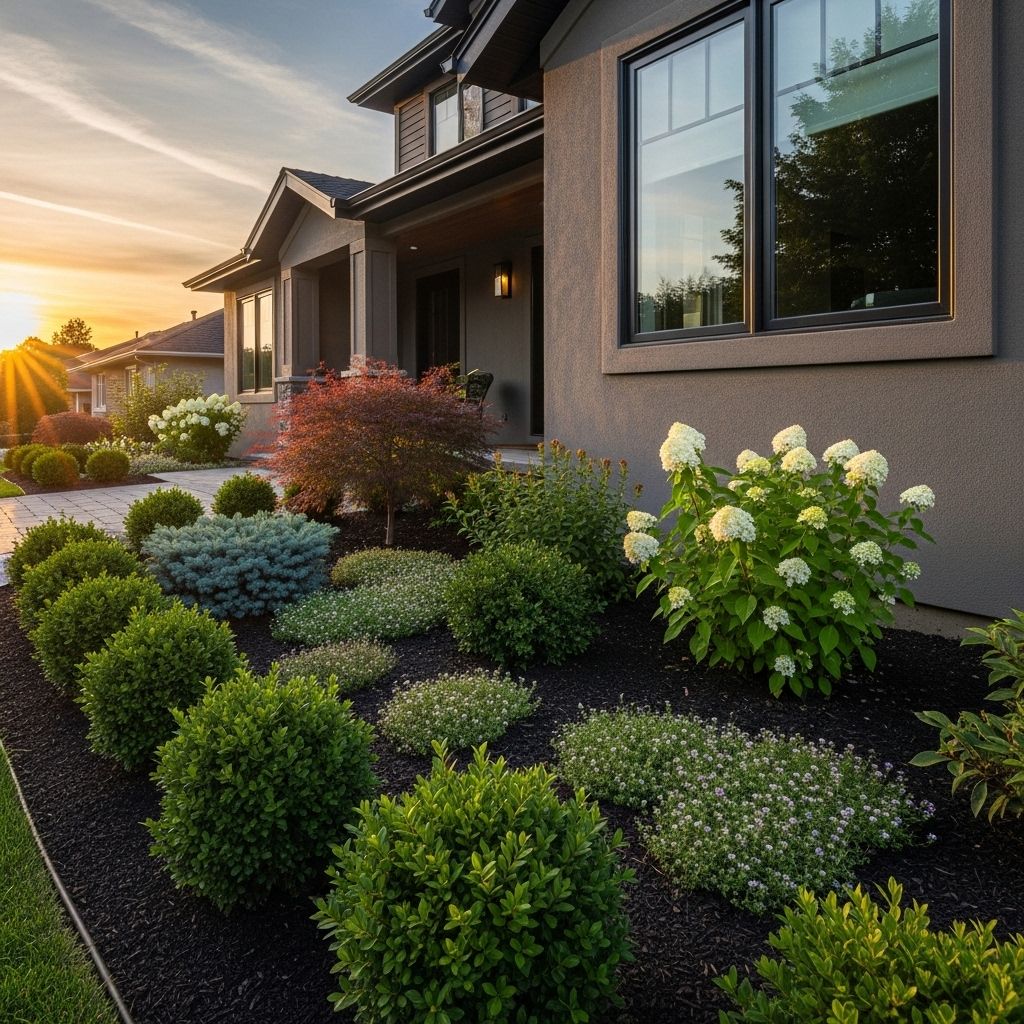
Foundation-Friendly Plants: Landscaping That Highlights Your Home
The area around your home’s foundation is prime real estate in any landscape design. Choosing the right plants is critical to ensure your beds enhance curb appeal, remain easy to maintain, and never overpower or damage the structure. Foundation-friendly plants offer year-round impact without overwhelming the space, striking a crucial balance between beauty and practical concerns.
This guide explores top choices and principles for foundation beds: from compact shrubs to upright ‘architectural’ trees, discover how to create a tailored, inviting landscape that stands the test of time.
Why Are Foundation-Friendly Plants Important?
Foundation beds are more than just decorative. The plants you choose must:
- Provide visual appeal and structure in all seasons
- Avoid excessive growth that can block views or compete with the home’s lines
- Preserve foundation integrity by not invading with roots or trapping moisture
- Offer low-maintenance longevity, resisting pests, diseases, and harsh conditions
Plants must truly earn their spot here—every selection should offer distinctive foliage, flowers, texture, or form to create a memorable impact without risk of overgrowth or foundation harm.
Top Foundation-Friendly Plants (With Zones and Care Needs)
Here are some outstanding structural and statement plants perfect for foundation beds. Each brings unique qualities, along with manageable sizes and habits suited for close proximity to your home.
‘Faulkner’ Boxwood (Buxus microphylla ‘Faulkner’)
- Zones: 5–9
- Size: 3–4 feet high and wide
- Light: Full sun to partial shade
- Soil: Moist, well-drained
The refined, compact boxwood exemplifies the structural value that foundation plantings require. ‘Faulkner’ boasts bright, glossy green foliage in spring and a slow-growing, dense form. It can be maintained as a low hedge or clipped for formality and withstands even harsh winters with minimal fuss.
Its resistance to sprawling, reliable color, and year-round presence make it ideal for backbone planting along walkways, entryways, or as a base for more expressive specimens.
‘Frans Fontaine’ European Hornbeam (Carpinus betulus ‘Frans Fontaine’)
- Zones: 4–8
- Size: Up to 30 feet tall, 10 feet wide (but tight and upright)
- Light: Full sun to partial shade
- Soil: Well-drained
If you need vertical drama without spreading chaos, this “architectural” tree fits the bill. Its natural columnar form offers structure that doesn’t eat up horizontal space. Use as sentinels flanking an entry, anchor points in mixed plantings, or as part of a pleached hedge for living walls.
‘Frans Fontaine’ stays tidy and adds a stately look without casting deep shade or overcrowding nearby beds.
Dwarf Purple Willow (Salix purpurea ‘Nana’)
- Zones: 4–8
- Size: 3–5 feet tall and wide
- Light: Full sun to partial shade
- Soil: Medium to moist
This shrub stands out for its soft, gray-green foliage and gently rounded shape that moves gracefully in the breeze. Unlike larger willows, it has a polite root system and compact habit. Use as a long, low hedge or single accent to frame windows and architectural features—its color beautifully contrasts other greens and flowering plants.
Little Lime® Panicle Hydrangea (Hydrangea paniculata ‘Jane’)
- Zones: 3–8
- Size: 4–5 feet tall and wide
- Light: Full sun to partial shade
- Soil: Moist, well-drained
For sheer flower power and mid-summer interest, Little Lime® offers dense sprays of lime-green to white blooms on tough, compact plants. It blooms reliably on new growth—so even after harsh winters, striking flowers return. You can plant singly or mass in groups for a cohesive look; its size and upright form fit foundation beds without crowding windows or doors.
The Role of Statement Plants in Foundation Beds
While structural plants offer backbone, statement plants bring the “wow” factor—impressive flowers, unique scent, foliage, or texture—with year-round appeal. Consider the following when adding statement pieces:
- Position statement plants near entryways or focal points to draw attention
- Limit size and spread to preserve sightlines and prevent maintenance headaches
- Mix textures for visual depth without clutter
- Ensure seasonal interest—from spring blooms to winter structure
Design Principles for Foundation Plantings
Foundation beds should enhance—not overshadow—the architecture. Use these key principles:
- Proper scale: Select plants that won’t overwhelm windows, paths, or walls
- Layering: Combine upright specimens (like hornbeam) with mid-sized shrubs (boxwood, hydrangea) and low fillers for full yet neat beds
- Repeated elements: Echo colors, shapes, or textures for a cohesive look
- Easy maintenance: Favor plants that maintain their shape and health without frequent pruning or spraying
Careful grouping and massing create drama and unity, inviting visitors and tying together home and garden.
Regional Considerations for Foundation Planting
While the above plants thrive in Midwest climates, always verify USDA Hardiness Zone and adapt selections to your region. Other universally foundation-friendly options include:
- Evergreen shrubs for year-round structure and privacy
- Deciduous varieties with bold foliage color for seasonal interest
- Native plants that resist extreme weather and pests
Avoid invasive root systems and species prone to fungal issues near damp foundations.
Sample Foundation Plant Comparison Table
| Plant Name | Hardiness Zone | Mature Size | Seasonal Interest | Maintenance Needs |
|---|---|---|---|---|
| Faulkner Boxwood | 5–9 | 3–4 ft h/w | Year-round foliage | Low |
| Frans Fontaine Hornbeam | 4–8 | Up to 30 ft tall, 10 ft wide | Winter silhouette, spring/summer green | Low-medium |
| Dwarf Purple Willow | 4–8 | 3–5 ft h/w | Soft gray-green foliage | Low |
| Little Lime® Hydrangea | 3–8 | 4–5 ft h/w | Summer flowers | Medium |
Maintenance Tips for Foundation Beds
- Mulch regularly to stabilize soil temperature and prevent competition from weeds
- Water new plantings consistently until established
- Monitor for signs of overgrowth or crowding; prune as needed to retain shape
- Fertilize sparingly—overfeeding can prompt unwanted rapid growth
- Check for drainage and airflow to prevent root rot and mildew
With sound choices and simple care, foundation plantings can thrive for decades, protecting and beautifying your property.
FAQs: Foundation Plant Selection and Care
Q: Why shouldn’t I plant large trees close to my foundation?
A: Large trees often have invasive roots and expansive canopies that can damage foundations, block light, and require frequent pruning.
Q: How do I make my foundation beds low-maintenance?
A: Choose compact, disease-resistant varieties with tidy growth habits. Use mulch, monitor for pests, and avoid overcrowding to minimize upkeep.
Q: What are good foundation plants for shady sites?
A: Look for shade-tolerant shrubs like boxwood, hydrangea, and certain native evergreens. Verify sunlight levels before planting.
Q: Is it necessary to replace foundation plants every few years?
A: Not if you select slow-growing, hardy varieties. Properly chosen and cared-for foundation plants can last for many years without decline.
Q: Can I mix flowering and evergreen plants in my beds?
A: Yes, combining both adds year-round interest, structure, and a changing display throughout the seasons.
Conclusion: Creating Foundation Beds That Last
Thoughtful plant selection is key to vibrant, lasting foundation beds. Opt for compact, resilient plants that elevate your home’s appeal while remaining easy to manage. By combining structural evergreens, statement bloomers, and graceful accents, you’ll build a landscape that welcomes all and preserves its beauty for years to come.
Similar Articles





Read full bio of medha deb