Gala Apples: Growing, Harvesting, and Enjoying This Sweet Classic
Discover the secrets to cultivating and savoring Gala apples—one of the world's favorite sweet and versatile apple varieties.
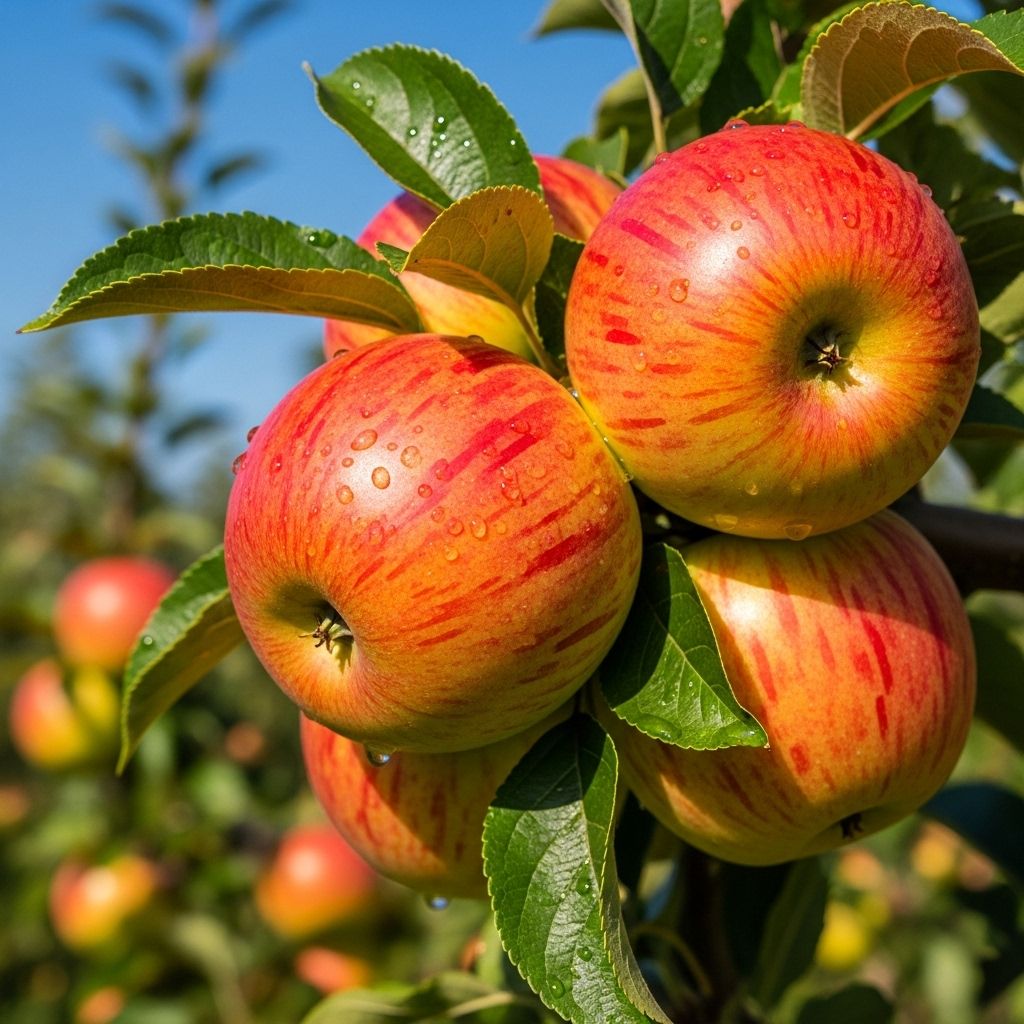
Gala apples are among the most popular and widely-loved apples in home orchards and supermarkets worldwide. With their crisp sweetness, attractive color, and versatility in the kitchen, they’re a favorite for gardeners and cooks alike. This comprehensive guide will walk you through everything you need to know about Gala apples, from their history and characteristics to planting, growing, harvesting, and enjoying your homegrown fruit.
What Are Gala Apples?
Gala apples (Malus domestica ‘Gala’) originated in New Zealand in the 1930s as a cross between Kidd’s Orange Red and Golden Delicious apples. Their popularity quickly spread due to their exceptional flavor, adaptability, and attractive appearance.
- Origin: New Zealand, 1930s
- Parentage: Kidd’s Orange Red x Golden Delicious
- Shape & Size: Round, medium-sized apple
- Color: Vibrant scarlet-orange skin with distinctive yellow blush
- Flavor Profile: Sweet, mildly floral, with a crisp, juicy texture
Gala apples are lauded for their
- fresh eating quality
- usefulness in cooking (baking, sauces, salads, and more)
- lovely white to creamy-yellow flesh that resists browning
Key Traits of Gala Apple Trees
Not only do Gala apples taste great, but their trees also display several desirable features for home gardeners:
- Type: Deciduous, flowering fruit tree
- Habit: Rounded crown, medium density foliage
- Mature Height: 15–25 ft (standard); 10–15 ft (dwarf rootstocks)
- Spread: 15–20 ft
- Flowering: Mid-spring, with showy white and shell-pink blossoms
- Foliage: Forest green, turning yellow-gold in fall
- Hardiness: USDA Zones 5–8, making them suitable for many climates
- Harvest Season: Late summer to mid-fall (depends on location)
Pros and Cons of Growing Gala Apples
| Pros | Cons |
|---|---|
| Delicious, sweet fruit | Requires regular care and pruning |
| Beautiful ornamental blossoms | Needs a pollinator of a different variety for best yields |
| Productive and reliable harvests | Susceptible to common apple diseases |
| Versatile use in kitchen | Fruit drop may create garden mess |
How to Plant Gala Apple Trees
Whether starting with bareroot saplings or young potted trees, follow these steps to ensure your Gala apples get off to a strong start:
- Choose an Ideal Location:
- Full sun exposure (at least 6 hours daily)
- Well-drained, fertile soil (pH 6.0–7.0)
- Avoid frost pockets and areas prone to standing water
- Allow for Space:
- Standard Gala apple trees: 15–20 ft apart
- Dwarf/M7 rootstock: 8–10 ft apart
- Planting Process:
- Dig a hole twice as wide and the same depth as the root ball
- Mix compost into the backfill soil for nutrients
- Place the tree with the graft union 2 inches above the ground
- Backfill gently, tamping soil to remove air pockets
- Water deeply right after planting
- Mulch around the base (keep mulch 3 inches from trunk)
- Support and Protection:
- Stake young trees if exposed to strong wind
- Protect from deer and rodents with tree guards
Pollination for Gala Apples
Gala apples are not self-pollinating. For good fruit set, plant another compatible apple variety nearby that blooms at a similar time. Popular pollinators include:
- Fuji
- Granny Smith
- Honeycrisp
- Red Delicious
Space pollinating trees within 50–100 ft for effective cross-pollination, as both bees and wind transfer pollen between blossoms.
Growing and Caring for Gala Apple Trees
Annual Care Calendar
- Late Winter/Early Spring:
- Prune while trees are dormant
- Apply dormant oil spray for pest control (optional)
- Check tree structure and remove crossing or damaged branches
- Spring:
- Watch for blossom set and monitor for late frosts
- Apply balanced fertilizer as needed
- Late Spring/Early Summer:
- Thin apple clusters to 1 fruit per 6 inches for best size and quality
- Monitor for pests and diseases
- Summer:
- Maintain regular watering (about 1 inch weekly)
- Mulch and weed around tree bases
- Begin summer pruning of wayward shoots if needed
- Late Summer to Fall:
- Fruit ripens—test for flavor and readiness
- Reduce watering before harvest to avoid splitting
- Gather windfall apples to prevent pests
- Late Fall:
- Rake and compost fallen leaves and fruit
- Wrap trunks to prevent winter damage (cold climates)
Soil & Watering Needs
- Use mulch to conserve soil moisture and suppress weeds
- Keep soil consistently moist, not soggy
- During fruiting, reduce water gradually to help ripen apples
Fertilization Schedule
- Apply a balanced apple tree fertilizer (10-10-10) in early spring
- Repeat light feedings after fruit set, if needed, based on soil tests
Common Pests and Diseases in Gala Apples
Gala apple trees are vulnerable to several common fruit tree pests and diseases:
- Apple scab, powdery mildew, fire blight, and cedar-apple rust.
- Pests: Codling moths, aphids, apple maggots, scale insects, and beetles.
Prevention tips:
- Choose disease-resistant rootstocks when possible
- Practice clean-up and pruning to remove diseased wood
- Apply organic or conventional sprays as needed during key growth stages
- Encourage beneficial insects and use sticky traps for monitoring
When and How to Harvest Gala Apples
Gala apples mature from late summer through mid-fall, often ready for picking from late August into October depending on your region. Here’s how to know when to harvest:
- Apples turn their full characteristic color with a yellow-orange backdrop and red striping
- Fruit breaks easily from the branch with a gentle twist
- Flavor is fully sweet and aromatic; seeds turn dark brown
Harvest tips:
- Pick apples by hand to avoid bruising
- Harvest over several weeks as apples ripen at different rates
- Remove fallen, damaged fruit quickly to deter pests
How to Store Gala Apples
- Store clean, unblemished apples in a cool (32–40°F), humid environment
- Separate from strong-smelling produce such as onions and garlic
- Ideal storage containers: ventilated crates or shallow boxes with slightly damp paper lining
- Gala apples keep for up to 2-3 months under proper conditions
Ways to Use and Enjoy Gala Apples
Known for their mild sweetness and crispness, Gala apples are a culinary delight!
- Fresh eating: Perfect as a snack or in salads
- Baking: Holds shape in tarts, muffins, and pies
- Applesauce: Sweet, smooth texture without extra sugar
- Juicing and cider: Delicate, balanced apple flavor
- Dehydrating: Delicious chewy apple chips
Pro tip: Combine Gala apples with tart varieties (like Granny Smith) for the perfect baked goods balance.
Landscape and Ornamental Value
Aside from their fruit, Gala apple trees bring beauty and biodiversity to the home garden:
- Mid-spring blossoms: Clusters of lightly fragrant, white-pink flowers attract pollinators
- Autumn foliage: Leaves turn a vibrant yellow for garden interest
- Attractive fruit: Brightly colored apples provide ornamental value as well as food
Use Gala apple trees as:
- Accent plants in edible landscapes
- Shade trees in backyard orchards
- Orchard focal points for multi-season interest
Caring for Your Gala Apple Tree: Troubleshooting & Tips
- Messy Fruit Drop: Pick apples promptly as they ripen and clean up windfalls to avoid lawn mess and pests.
- Heavy Crop Management: Thin excess fruits early to promote larger, healthier apples.
- Pruning: Prune annually in late winter to maintain an open canopy and boost fruiting wood.
Frequently Asked Questions (FAQs)
Q: Do Gala apple trees need another apple tree to produce fruit?
A: Yes, Gala apple trees are not self-pollinating. You’ll need a compatible apple variety nearby for cross-pollination and consistent fruit production.
Q: How long before a Gala apple tree produces fruit?
A: Typically, Gala apple trees begin bearing fruit 3–5 years after planting, depending on the rootstock and growing conditions.
Q: What climate zones are best for Gala apples?
A: Gala apples thrive in USDA Zones 5–8, which includes many temperate regions with moderate winters and warm summers.
Q: How do I know when Gala apples are ripe and ready to pick?
A: When they reach their full color, break away easily from the branch, and taste sweet—with brown seeds inside—they’re ready for harvest, usually late summer to mid-fall.
Q: Are Gala apples resistant to any diseases?
A: While not immune, Gala apples show moderate resistance to some diseases. Good orchard hygiene and variety selection can help manage risks like scab and powdery mildew.
Final Thoughts
With their friendly flavor, beautiful appearance, and reliable garden performance, Gala apples are a rewarding choice for beginners and experienced fruit growers alike. By following the proper steps for planting, care, and harvest, you’ll enjoy baskets of crisp, juicy apples for eating, baking, and sharing each season—and add enduring beauty to your landscape.
Similar Articles


Read full bio of medha deb