Essential Garden Tools Every Rose Gardener Needs
Discover the essential tools for rose gardening, from pruners to protective gear, ensuring healthier plants and a more enjoyable gardening experience.
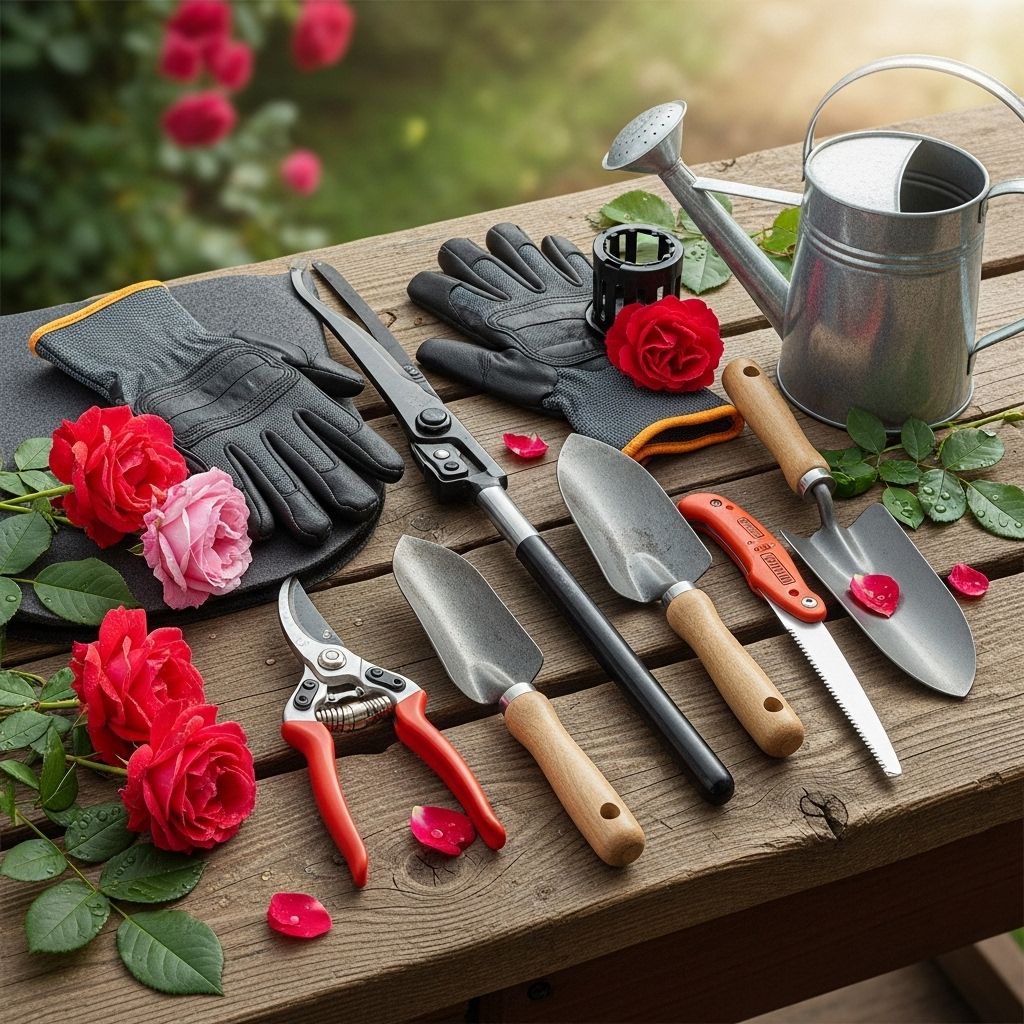
If you aspire to grow beautiful, vibrant roses, investing in the right set of garden tools is crucial. Roses, with their resilient yet often thorny canes, demand specialized equipment for pruning, maintenance, and harvesting. The proper tools not only ensure the health of your rose plants but also make the entire gardening process more enjoyable and efficient. This article explores the essential garden tools for rose gardeners, providing guidance on selection, use, care, and safety, along with practical expertise from experienced growers.
Why the Right Tools Matter in Rose Gardening
Roses may be hardy perennials, but their unique growth patterns—comprising thick canes, delicate blooms, and persistent thorns—call for careful management. Using the right tools leads to cleaner cuts, reduced plant stress, and enhanced vigor. Furthermore, proper equipment reduces the risk of injury for gardeners, preventing scratches and accidents commonly associated with rose care.
The Indispensable Toolkit for Rose Gardeners
A complete toolkit for rose gardening typically includes a combination of cutting implements, protective gear, and maintenance supplies. Here are the core essentials for most rose gardens:
- Bypass Pruners (Secateurs): For precise, clean cuts on green stems and smaller canes.
- Loppers: For thicker, woody branches that are too tough for hand pruners.
- Folding Pruning Saw: For large canes or tight spots where loppers or pruners won’t suffice.
- Protective Gloves: To safeguard hands and arms from thorns and scratches.
- Sharpening Tools: Such as whetstones or files, for maintaining blade sharpness.
- Additional Accessories: Tool belts, holsters, and sanitized wipes for safe, efficient gardening.
Bypass Pruners: The Everyday Workhorse
Bypass pruners—often referred to as secateurs—are the cornerstone of any rose gardener’s toolkit. With their scissor-like action, they make clean cuts that heal quickly, vital for preventing disease and dieback. These pruners are best for stems and canes up to the thickness of a pencil.
Key considerations when choosing bypass pruners:
- Quality Manufacturing: Well-made pruners last for years. Brands like Felco and Bahco are popular among professionals and hobbyists alike, valued for replaceable parts and sturdy construction.
- Ergonomic Grip: Handles should fit comfortably in your hand to reduce fatigue in longer sessions.
- Safety Lock: Look for models with secure, easy-to-engage locking mechanisms to prevent accidental cuts.
- Left- or Right-Handed Designs: Some brands offer options tailored for handedness, further improving comfort and control.
Loppers: For Tough, Woody Canes
When faced with older, thick, or hard-to-reach rose canes, loppers provide superior leverage and cutting power. Their long handles allow you to access the interior of the bush without risk of thorn punctures, and the bypass blade versions deliver clean, sharp cuts. Gardeners often use loppers for canes larger than 1 inch in diameter or when reducing the overall height of vigorous rose bushes.
| Feature | Benefit |
|---|---|
| Bypass Blades | Cleaner cuts, less tissue damage |
| Extendable Handles | Better leverage and reach for larger bushes |
| Lightweight Construction | Reduces hand and arm fatigue during extended use |
Lightweight loppers, such as those from Felco or Bahco, are preferred for their manageable weight and durable build. These loppers can clear away old, non-productive wood near a rose’s crown and are especially helpful when top growth makes it difficult to see or reach inner stems.
Folding Pruning Saws: Navigating Thick and Crowded Canes
Some rose canes are too thick for pruners or even loppers, while being too closely packed to maneuver large blades. Folding pruning saws excel in these circumstances. Their slender, sharp blades slip between crowded canes, and their compact, locking folding design makes them safe to carry and store in a pocket or tool belt.
- Excellent for removing stubs near the ground where loppers cannot cut flush.
- Folding mechanism ensures safe handling and transport.
- Comfortable handles and a sturdy lock enhance user confidence during use.
Protective Gloves: Your First Line of Defense
No rose gardener should work without a pair of high-quality protective gloves. Rose thorns are notorious for causing punctures and abrasions, sometimes leading to infection. Rosarian gloves are typically made of thick leather—goat or cowhide—extending beyond the wrist and often up the forearm for added protection.
- Choose gloves that balance flexibility (for dexterity) with durability (for thorn resistance).
- Gauntlet-style gloves are ideal for reaching deep into dense rose bushes.
- Look for breathable materials to prevent sweaty, uncomfortable hands during long work periods.
Tips for Using Your Rose Gardening Tools Most Effectively
Even with the best tools, effective rose gardening hinges on proper technique. Here’s how to ensure your cuts and tool care contribute to a healthy rose garden:
- Make Clean, Angled Cuts: Always cut 1/8 to 1/4 inch above a healthy bud, angling the cut away so water does not collect on the wound.
- Cut Out Weak or Crossing Canes: Remove all stems thinner than a pencil, any that cross or rub each other, and all dead or diseased wood.
- Sharpen Tools Regularly: Use a whetstone or a pruning file on your blades to ensure crisp, clean incisions that promote quicker healing.
Using the Right Tool for Each Task
- Bypass pruners for small to medium stems and deadheading.
- Loppers for significant formative cuts and thick, woody stems.
- Pruning saw for outgrown, hard-to-reach, or stubby canes.
Maintaining and Caring for Your Garden Tools
Proper maintenance of your gardening tools extends their life and ensures optimal performance. Here are key maintenance practices:
- Clean after Every Use: Remove sap, soil, and plant material with a damp cloth; dry thoroughly to prevent rust.
- Sharpen Blades Frequently: Dull blades cause ragged cuts that invite pests and diseases.
- Sanitize Tools: Disinfect blades between plants, especially if disease is present. Use isopropyl alcohol or a bleach solution.
- Store Tools Properly: Keep tools in a dry, ventilated area, preferably in a rack or designated box away from moisture.
Extra Tools and Accessories for Enhanced Rose Care
- Holsters and Tool Belts: Keep pruners and saws within easy reach for uninterrupted work.
- Long-Handled Tools: Tools with extended handles help reach the interior of large bushes or climbers without injury.
- Tool Oil: Specialized lubricants prevent rust and ensure smooth operation of moving parts.
- Backpack Sprayer: Useful for applying disease control solutions or organic fertilizers safely and efficiently.
How to Choose the Best Tools for Your Roses
When selecting tools, prioritize quality and comfort over price alone. High-end brands generally offer greater longevity, easier part replacement, and ergonomic features that make repetitive gardening tasks pain-free. Here are some expert tips:
- Invest in Professional-Grade Tools Where Possible: They are cost-effective over time due to their durability and repairability.
- Test for Comfort: Hand sizes and grip strengths vary, so try out different models if possible before purchasing.
- Check Warranties and Availability of Spare Parts: Tools with replaceable blades or springs can last for decades with minimal repair.
Common Mistakes to Avoid When Using Rose Gardening Tools
- Using Dull Blades: Ineffective for clean cuts, they damage canes and make infection more likely.
- Overusing the Wrong Tool: Attempting to force small pruners through thick canes can ruin both plant and tool—always match the blade to the task.
- Neglecting Tool Hygiene: Failure to clean and sanitize promotes the spread of infections.
Frequently Asked Questions (FAQs)
Q: What is the best tool for removing old, thick rose canes?
A: Large, bypass-blade loppers or a sharp folding pruning saw are best for cutting thick, woody canes, especially those more than 1 inch in diameter. Loppers offer leverage and reach, while folding saws excel in tight or crowded spots.
Q: How can I tell when my pruners or loppers need sharpening?
A: When your pruners or loppers begin to crush, tear, or leave ragged edges on stems instead of making clean, effortless cuts, it’s time to sharpen the blades. Regular checks and maintenance will preserve the health of your roses and prolong tool life.
Q: Is it necessary to use rose-specific gloves, or will regular gardening gloves suffice?
A: Rose-specific or gauntlet gloves are highly recommended due to their thicker material and extended cuffs, which offer superior protection against thorns that regular gardening gloves cannot provide.
Q: How often should I sanitize my pruning tools?
A: It’s best practice to disinfect your pruning tools between working on different rose bushes, especially when disease is present, to prevent cross-contamination. Wipe with isopropyl alcohol or a diluted bleach solution and ensure the tools are dry before use.
Q: Can I use electric pruning tools on roses?
A: While some electric or battery-powered pruners designed for small branches may be used, manual tools offer greater control and precision required for rose care, reducing the risk of accidental damage to canes and buds.
Summary Table: Essential Rose Gardening Tools
| Tool | Purpose | Recommended Use |
|---|---|---|
| Bypass Pruners | Cutting small stems and deadheading | Daily, for stems up to pencil thickness |
| Loppers | Removing thick, woody canes | Seasonal, for large or old branches |
| Folding Pruning Saw | Cutting very thick, crowded canes or stubs | As needed, for canes above 1 inch |
| Protective Gloves | Shielding hands/arms from thorns | Always during rose work |
| Sharpening Tools | Maintaining cutting edges | Regularly, before and after seasons |
Conclusion
Curating a well-equipped toolkit is fundamental to the success and satisfaction of any rose gardener. By choosing the right pruners, loppers, saws, gloves, and maintenance accessories, you not only facilitate healthier, more attractive roses but also foster a safer, more enjoyable gardening experience. Invest in quality, maintain your equipment diligently, and use each tool appropriately—your roses will reward you with unmatched beauty year after year.
Similar Articles





Read full bio of Sneha Tete