Gerbera Daisy Indoor Care: Comprehensive Growing Guide
Master the art of growing vibrant Gerbera daisies indoors with expert care tips on watering, lighting, and troubleshooting.
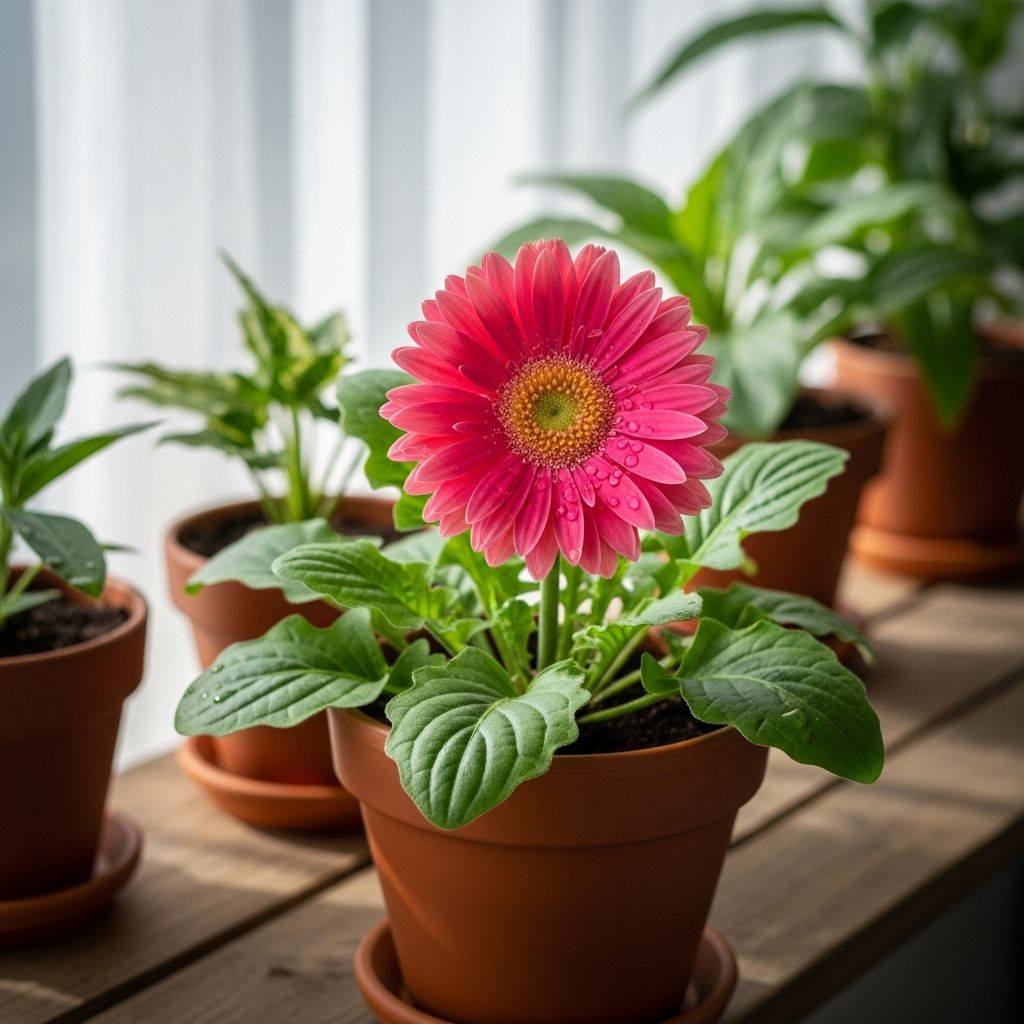
Gerbera Daisy Indoor Care: Complete Growing Guide
Gerbera daisies (Gerbera jamesonii) are celebrated for their radiant, cheerful blooms and are as enchanting inside the home as they are outdoors. When tended with the right combination of light, water, and temperature, these flowers can be a stunning and enduring addition to your living space. This comprehensive guide covers all aspects of indoor Gerbera daisy care, ensuring vigorous growth and vibrant blossoms year-round.
Introduction to Indoor Gerbera Daisies
Originally native to South Africa, Gerbera daisies have become a beloved ornamental plant worldwide for their large, vivid flowers in shades ranging from brilliant reds and oranges to delicate pinks and whites. While often grown outdoors, Gerberas thrive indoors if their environmental needs are carefully met. Growing these daisies indoors lets you enjoy their splash of color regardless of outdoor conditions and extends the flowering period, sometimes even year-round.
Selecting the Right Location
Location is fundamental to the success of indoor Gerbera daisies. These plants require abundant light but are intolerant of excessive heat.
- Light: Place Gerbera daisies in an area with bright, indirect sunlight. An east- or west-facing window is ideal, as these locations catch morning or late afternoon sun without overheating the plants. Avoid direct midday sunlight, which may scorch the leaves .
- Temperature: Aim for stable temperatures between 40°F and 70°F (4-21°C). Exposure to temperatures above 70°F may suppress flowering and overall vigor.
- Ventilation: Ensure good air movement to minimize fungal diseases but shield plants from cold drafts, heat vents, or air conditioners .
Watering Requirements
Watering is a critical element of Gerbera care. The goal is a balance that avoids both excessive dryness and overwatering.
- Frequency: Water deeply whenever the top inch (2.5 cm) of soil feels dry to the touch. Typically, this equates to watering once or twice a week during active growth periods .
- Drainage: Always allow excess water to drain completely from the pot. Never let your Gerbera sit in standing water, as soggy soil promotes rot .
- Method: Water carefully at the base of the plant, avoiding wetting the leaves. Consistently wet foliage can encourage fungal problems.
- Winter Rest: When days grow shorter and temperatures fall, Gerberas require less water. During winter, allow the soil to approach dryness before watering again .
Temperature and Humidity
- Optimal Temperature: Keep plants in environments where temperatures range from 40°F to 70°F. Growth stops and leaves may suffer if night temperatures drop below 40°F or day temperatures soar above 70°F .
- Humidity: Gerberas enjoy moderate humidity. In particularly dry periods—such as winter in heated homes—occasionally mist the plants or use a humidity tray to maintain ambient moisture .
Note: Avoid placing Gerbera daisies near heat sources, cold drafts, or air conditioning units.
Soil and Pot Selection
The right soil and potting arrangement are essential for healthy root development.
- Soil: Use a lightweight, high-quality potting mix with excellent drainage. Slightly acidic soil (pH 5.5–6.5) is ideal, though most indoor potting soils suffice for Gerberas .
- Containers: Select pots with generous drainage holes. Avoid oversized containers that may retain excess moisture; a snug fit helps roots thrive without waterlogging.
Fertilization Needs
- Routine Feeding: Feed Gerbera daisies monthly during spring and summer using a balanced liquid houseplant fertilizer. Reduce fertilizer frequency in fall and winter when growth slows .
- Application: Follow label directions and apply fertilizer to moist soil to prevent root burn.
Planting and Repotting Gerbera Daisies Indoors
Both seeds and young plants can be established for indoor enjoyment. Maintaining proper technique ensures robust growth and flowering.
- From Seed: Sow seeds on the surface of a damp, soilless seed starting mix. Light is required for germination, so do not cover the seeds. Cover the container with clear plastic to maintain moisture and place it in a bright, warm (70–75°F/21–24°C) spot. Germination takes 2–4 weeks .
- From Established Plants: Transfer Gerbera daisies from nursery pots to your chosen container, planting with the crown slightly above the soil surface. This discourages crown rot. Water thoroughly after planting .
- Repotting: Repot annual or perennial Gerberas every 1–2 years to refresh soil and manage root crowding. Move plants to a container one size larger, using fresh potting mix and gently loosening the roots.
Pruning and Deadheading
- Deadheading: Remove spent flowers promptly to tidy the plant and stimulate new buds. Cut flower stems at the base, close to the crown .
- Leaf Removal: Trim away yellow or wilted leaves regularly to maintain a healthy, green plant and maximize airflow around the crown.
- Division: Every few years, divide mature plants in early spring for rejuvenation. Separate the root ball with sterilized tools and repot divisions individually .
Common Problems and Solutions
| Problem | Symptom | Solution |
|---|---|---|
| Overwatering | Yellow leaves, soggy soil, root rot | Improve drainage, allow soil to dry, use pots with holes |
| Underwatering | Wilted, dry leaves or stunted growth | Check and water when top inch is dry |
| Poor Light | Weak stems, few or no blooms | Provide more bright, indirect light; use grow lights if needed |
| Powdery Mildew | White, powdery spots on leaves | Increase air circulation, avoid wetting leaves, treat with appropriate fungicide |
| Aphids/Spider Mites | Distorted growth, sticky residue, small crawling pests | Wipe leaves with damp cloth, use neem oil or insecticidal soap |
Maximizing Blooms Indoors
- Balanced Light: More blooms result from providing ample bright, indirect sunlight. Artificial grow lights can assist in low-light areas.
- Temperature Consistency: Maintain even, mild temperatures to support floral production.
- Careful Fertilization: Avoid excess nitrogen, which may promote leafy growth at the expense of flowers. Use balanced fertilizer options for best results.
- Deadheading: Routinely removing old blooms redirects the plant’s energy to new flowers.
Seasonal Indoor Care for Gerbera Daisies
Spring and Summer:
- Increase watering as plant growth accelerates.
- Begin regular monthly feeding with houseplant fertilizer.
- Monitor for pests such as aphids.
Autumn and Winter:
- Reduce watering to avoid soggy soil as growth slows.
- Limit or halt fertilizer applications until spring.
- Move plants away from cold windows and drafty doors.
- Increase humidity through misting if indoor air becomes dry.
Troubleshooting Frequently Asked Questions (FAQs)
Q: Why are my Gerbera daisy leaves turning yellow?
A: Yellow leaves are typically a sign of overwatering, poor drainage, or root rot. Check that your pot drains well and allow the soil to dry slightly between waterings.
Q: My Gerbera isn’t blooming indoors. What should I do?
A: Insufficient light, high temperatures, or improper feeding are common reasons. Move your plant to a brighter spot, ensure temperatures are in the 40–70°F range, and use a balanced fertilizer.
Q: How often should I repot my indoor Gerbera daisy?
A: Repot every 1–2 years or whenever roots become crowded. Choose a slightly larger pot and refresh the soil each time.
Q: Can I grow Gerberas indoors from seed?
A: Yes. Start seeds on the soil surface and provide light for germination. Germination takes 2–4 weeks at 70–75°F. Transplant seedlings when strong enough to individual pots.
Q: How do I increase humidity for my Gerbera daisy in winter?
A: Set the pot on a tray filled with pebbles and water (without letting the pot sit directly in water) or lightly mist the foliage to raise ambient humidity.
Pro Tips for Healthy Indoor Gerbera Daisies
- Consistently check for pests and promptly address infestations to keep leaves and blooms healthy.
- Prune faded blooms and yellow leaves to stimulate fresh growth and prevent disease.
- Rotate pots regularly to ensure even light exposure and symmetrical growth.
- Support long flower stems if necessary to prevent drooping.
Conclusion
With careful attention to light, temperature, watering, and maintenance, Gerbera daisies reward indoor gardeners with ongoing, spectacular displays of color. Whether you’re nursing stunning blooms throughout the year or seeking a vibrant centerpiece for your living room or office, mastery of these indoor care techniques ensures your Gerbera daisies remain healthy and thriving.
Similar Articles


Read full bio of Sneha Tete