Gerbera Daisy Winter Care: Expert Tips to Overwinter Successfully
Discover proven methods to protect, overwinter, and revive your gerbera daisies so they flourish and bloom year after year.
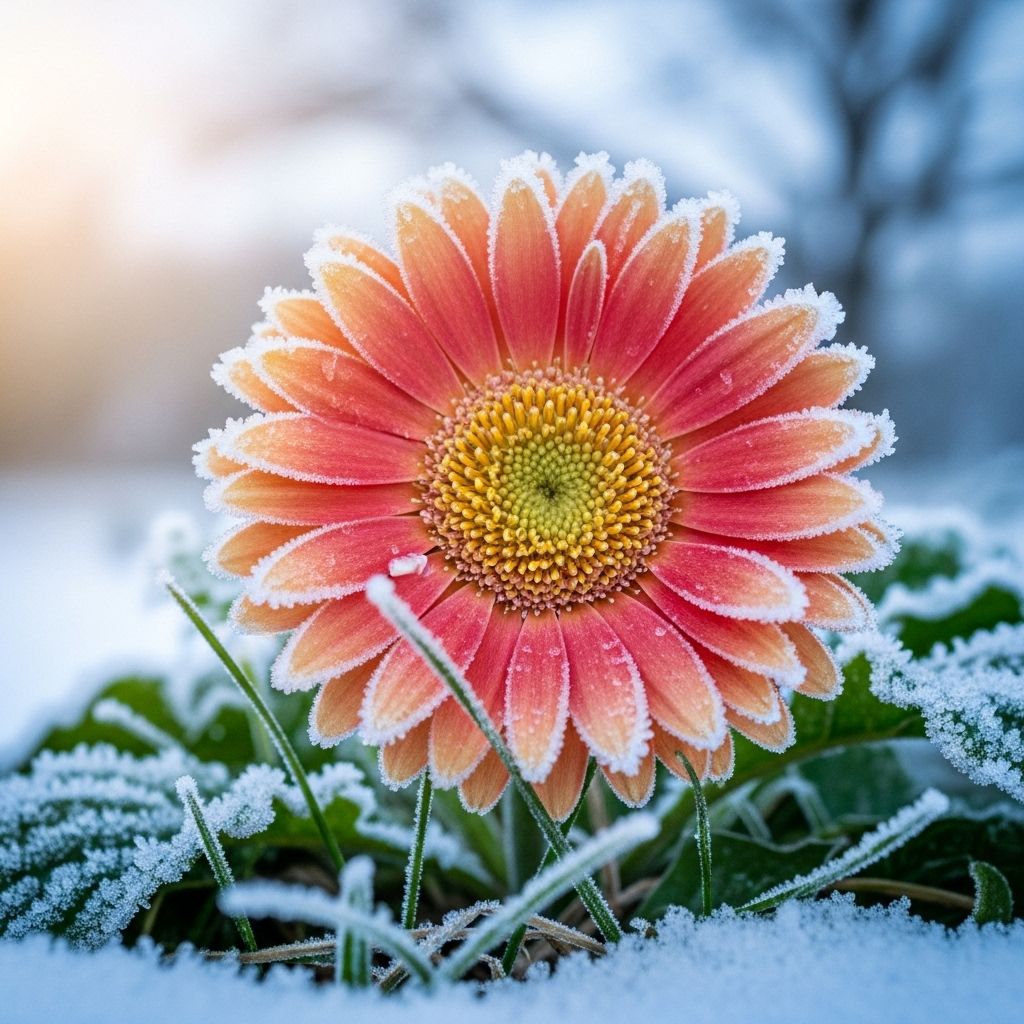
Gerbera daisies (Gerbera jamesonii), also commonly known as African daisies or Transvaal daisies, are prized for their vibrant, cheerful blooms and attractive foliage. These ornamental flowers, popular in gardens and as indoor houseplants, exhibit a degree of sensitivity to frost and cold weather conditions, making winter care essential for their survival in many climates. Gerbera daisies are considered tender perennials in USDA Hardiness Zones 83, but elsewhere they require special attention to overwinter successfully and bloom lushly in the next growing season.
Understanding Gerbera Daisy Sensitivity to Cold
While gerbera daisies flourish in warm, temperate conditions, exposure to temperatures below 40°F (4°C) can easily damage or kill these plants. Most regions with cool autumns and freezing winters must adopt overwintering methods to prevent frost injury. Without protection, gerberas typically do not survive harsh winters in Zone 7 or lower, often treated as annuals in colder regions.
Methods for Gerbera Daisy Winter Care
There are two main approaches to gerbera daisy winter management:
- Indoor Care as Houseplants: Treat gerberas as regular indoor foliage plants.
- Induced Dormancy: Allow plants to enter partial dormancy during cold periods.
Overwintering Gerbera Daisies Indoors
Successfully keeping gerbera daisies through winter as houseplants involves several steps:
- Digging and Potting: Before the first frost—when nighttime temperatures consistently drop below 40°F (4°C)—dig up outdoor gerbera plants. Place the crown at soil level in a container filled with high-quality, well-draining potting mix enriched with organic matter.
- Acclimation: To minimize stress from sudden environmental changes, acclimate the plant gradually. Bring the potted gerbera indoors at night but return it outside during the day if daytime temperatures are above 60°F (16°C). Gradually reduce outdoor exposure over a few weeks.
- Light Requirements: Indoors, position the plant in a location receiving bright, indirect sunlight for at least six hours daily. Direct sunlight may scorch sensitive leaves; indirect light in a sunny window is preferable.
- Temperature: Maintain indoor temperatures between 60–70°F (16–21°C), avoiding drafts or sudden temperature fluctuations. Overwintered gerberas thrive best in rooms with stable conditions.
- Watering: Water the plant when the top half-inch to one inch (1–2.5 cm) of soil feels dry, usually every three to five days depending on room humidity and temperature. Always ensure the container has sufficient drainage to prevent root rot, as gerberas are highly sensitive to soggy conditions.
- Humidity: Aim to keep indoor humidity around 40–50%. Low humidity can lead to leaf drop and wilting, while excessive humidity encourages fungal problems.
- Fertilization: Reduce feeding during winter. A diluted, balanced fertilizer can be applied once a month at most. Excessive nutrient intake during dormancy may trigger weak growth.
- Pruning: Remove faded flowers and any dead or yellowing leaves to reduce disease risk and focus plant energy on root health.
Summary Table: Key Indoor Gerbera Care Metrics
| Care Factor | Recommended Value | Notes |
|---|---|---|
| Temperature | 6070°F (1621°C) | Avoid sudden changes |
| Light | 6+ hours indirect sunlight | Use grow lights if needed |
| Water | When top 1″ is dry | Well-drained soil essential |
| Humidity | 4050% | Mist or humidifier if needed |
| Fertilizer | Once a month, diluted | Reduce in winter |
Gerbera Daisy Dormancy Care: Resting Your Plant
If you prefer to allow your gerbera daisy to go partly dormant in winter, use this approach:
- Storage Location: After potting, move the plant into a cool basement or a room with a north-facing window, where temperatures are cooler and light levels lower.
- Water Sparingly: Water just enough to keep the soil from becoming bone dry. Typically, this means light watering about once a month throughout dormancy.
- No Fertilizer: Avoid feeding the plant during dormancy to prevent forced growth.
- Spring Revival: As days lengthen and temperatures rise, gradually reintroduce the plant to light and warmth. Return it to a bright window as soon as healthy growth resumes—usually in early spring. Resume regular watering and feeding at this time.
Outdoor Gerbera Daisy Care in Mild Climates
In USDA Zones 811, gerbera daisies may survive winter outside. Here are outdoor care tips for these regions:
- Mulching: Apply a thick mulch layer (23 inches of straw, pine needles, or compost) around the plant base to insulate roots from light freezes.
- Protect from Frost: Cover plants with frost cloth on nights when freezing temperatures are expected.
- Watering: Decrease watering in winter but ensure the soil doesn’t dry completely for prolonged periods.
- Fertilization and Pruning: Hold off on feeding or heavy pruning until spring arrives and signs of new growth appear.
Soil, pH, and Container Choice for Overwinter Success
- Soil Quality: Use soil that is rich in organic matter and drains well. Root rot is common in poorly draining soils or pots without adequate holes.
- Optimal pH: The preferred soil pH for gerberas is 5.5 to 6.5. Too high a pH (>6.5) causes yellow leaf stripes (chlorosis); too low (<5.5) leads to black leaf spots.
- Container Tips: Always select a pot with drainage holes. For overwintering, clay or plastic pots with removable saucers work well.
Common Issues with Gerbera Daisy Winter Care
While overwintering gerbera daisies, gardeners can encounter several challenges. Here’s how to address frequent problems:
- Root Rot: Cause: Overwatering or poorly drained soil.
Solution: Water sparingly and ensure pots have adequate drainage. Remove any soggy soil and trim damaged roots. - Leaf Yellowing or Dropping: Cause: Low humidity, insufficient light, or nutrient imbalance.
Solution: Adjust humidity with gentle misting and ensure bright, indirect light. Correct soil pH and apply diluted fertilizer only during active growth. - Fungal Diseases: Cause: Stagnant air or excess moisture.
Solution: Space plants well apart, improve air circulation, and avoid wetting foliage during watering. - Failure to Bloom: Cause: Dormancy, low winter light, or stress.
Solution: Blooms are rare in winter, but healthy care prepares the plant for vigorous blooming in spring. Deadhead any spent flowers to direct energy to the roots for next year.
Transitioning Gerbera Daisies in Spring
Once all danger of frost passes and outdoor temperatures reliably exceed 60°F (16°C) in the day and 40°F (4°C) at night, it’s time to move your gerbera daisy back outside:
- Reverse acclimation: Start by putting the potted plant outdoors for short periods in shaded areas during the day, bringing it indoors at night. Gradually increase outdoor exposure to reacclimate the plant to sunlight and temperature swings.
- Resume feeding and regular watering once new leaf or bud growth is evident.
- Transplant into the garden if desired, ensuring soil conditions remain optimal.
Seasonal Gerbera Daisy Care Checklist
- Monitor weather forecasts in early autumn—bring gerberas in before frost hits.
- Perform a gradual acclimation for indoor overwintering.
- Maintain indirect light, consistent moisture, and optimal temperatures.
- Keep plant humidity moderate, avoiding dry air in heated homes.
- Limit feeding and watering during dormant periods.
- Prepare for spring transition with gradual sunlight exposure.
Frequently Asked Questions (FAQs)
Q: Can gerbera daisies survive freezing winters outdoors?
A: In climates colder than USDA Zone 8, gerbera daisies rarely survive freezing winters outdoors. They are best treated as annuals or brought inside before the first frost.
Q: Do gerbera daisies bloom through winter?
A: Blooms are uncommon in winter due to limited light and dormant growth habits. If flowers appear, remove them promptly as they fade to conserve plant energy.
Q: What’s the best way to water gerbera daisies in winter?
A: Water only when the top inch of soil is dry. For dormant daisies, watering once per month is sufficient. Always avoid soggy soil.
Q: Should I fertilize gerbera daisies during winter?
A: Limit fertilization during winter. Use a balanced, diluted fertilizer once monthly for actively growing indoor plants only; avoid fertilizing dormant ones.
Q: How can I tell if my gerbera plant is going dormant?
A: Dormancy is indicated by slowed growth, few or no blooms, and some leaf drop. This is a normal phase for gerberas undergoing winter rest.
Gerbera Daisy Winter Care: SEO Tips for Gardeners
- Keyword Focus: gerbera daisy winter care, how to overwinter gerbera daisies, indoor gerbera care, dormancy tips, houseplant gerbera tips.
- Meta Description Optimization: Clearly state practical advice for indoor/outdoor care, overwintering, dormancy, and troubleshooting.
- Structured Headings (H2, H3): Use logical topic division to enhance user navigation.
- Bullet Points: Summarize actionable tips for each stage of care.
- FAQ Section: Include clear Q&A for common gardener questions about overwintering gerbera daisies.
Conclusion
Gerbera daisies reward careful winter stewardship with vibrant blooms each year. Whether you choose to overwinter your daisies indoors or allow them to rest in dormancy, correct preparation and attentive maintenance are the keys to success. Protect your plants from frost, maintain ideal care conditions, and be patient for spring’s renewal—your gerbera daisies will brighten your garden or home season after season.
Similar Articles



Read full bio of Sneha Tete