How to Grow a Peach Tree from a Pit: Complete Guide
Transform a simple peach pit into a thriving fruit tree with our expert step-by-step guide
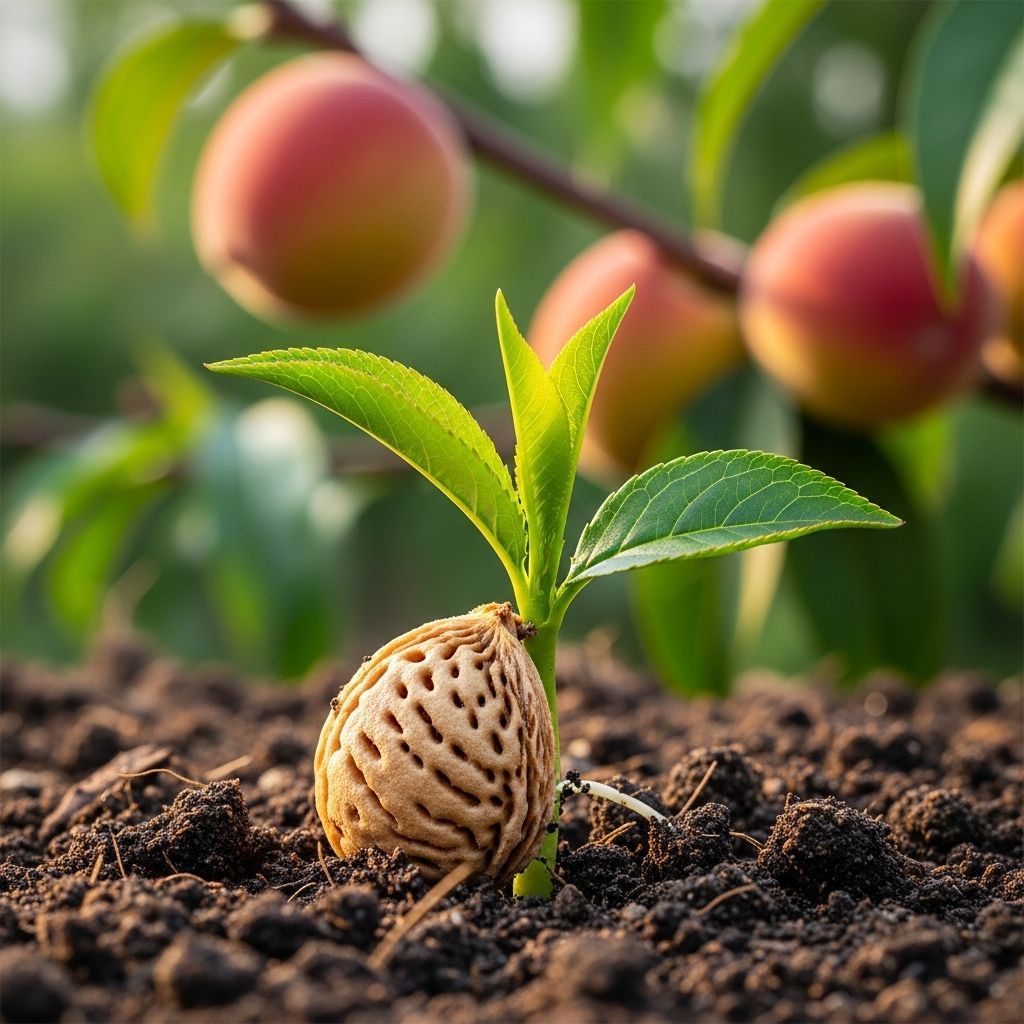
Growing a peach tree from a pit is one of the most rewarding gardening projects you can undertake. While it requires patience and proper technique, the process of transforming a simple peach pit into a flourishing fruit tree is both educational and incredibly satisfying. This comprehensive guide will walk you through every step of the journey, from selecting the right peach to harvesting your first homegrown fruit.
Understanding Peach Pit Propagation
Before diving into the practical steps, it’s essential to understand what you’re working with. A peach pit contains the seed of the peach tree, protected by a hard outer shell. This natural design helps the seed survive winter conditions and germinate when spring arrives. However, peach trees grown from pits may not produce fruit identical to the parent tree due to cross-pollination and genetic variation. Despite this unpredictability, the process offers valuable learning opportunities and can yield delicious results.
The
stratification process
mimics winter conditions that peach seeds naturally experience before germination. This cold treatment breaks the seed’s dormancy and prepares it for growth. Without proper stratification, germination rates drop significantly, making this step crucial for success.Selecting the Perfect Peach
Your success begins with choosing the right peach. Select a ripe, healthy peach from a local source whenever possible. Locally grown peaches are more likely to be adapted to your climate, increasing your chances of growing a tree that thrives in your area. Avoid peaches from grocery stores that may have traveled long distances, as these varieties might not be suitable for your growing zone.
Look for peaches that are fully ripe, fragrant, and free from blemishes or signs of disease. The fruit should give slightly when pressed gently. Once you’ve enjoyed the delicious flesh, you’re ready to extract and prepare the pit for planting.
Extracting and Cleaning the Pit
After consuming the peach, remove all remaining fruit flesh from the pit. This step is more important than it might seem—leftover fruit can attract mold and pests during the stratification process. Scrub the pit thoroughly under running water, using a brush if necessary to remove stubborn bits of fruit.
Once clean, allow the pit to dry completely for 24 to 48 hours. Place it in a well-ventilated area away from direct sunlight. This drying period helps prevent mold growth during storage and stratification. Some gardeners prefer to crack open the hard outer shell to access the seed directly, which can speed up germination, but this requires careful handling to avoid damaging the seed inside.
The Stratification Process
Stratification is the most critical step in growing a peach tree from a pit. This process typically takes 8 to 12 weeks and should begin in late fall or early winter to align with natural seasonal patterns. Here’s how to properly stratify your peach pit:
Fill a plastic bag or small container with slightly moistened peat moss, vermiculite, or sand. The medium should be damp but not waterlogged—think of a wrung-out sponge. Place the cleaned peach pit in the medium, ensuring it’s completely covered. Seal the container and place it in your refrigerator at temperatures between 32°F and 45°F (0°C to 7°C).
Check the pit weekly for signs of mold or excessive moisture. If you notice mold developing, remove the pit, clean it thoroughly, and replace the growing medium. If the medium feels dry, add a small amount of water to maintain consistent moisture levels. After 8 to 12 weeks, you should see signs of germination, such as a small root emerging from the pit.
Planting Your Germinated Pit
Once your peach pit has sprouted and developed a root system approximately one to two inches long, it’s ready for planting. Choose a container with adequate drainage holes, at least 8 to 10 inches deep. Fill it with high-quality, well-draining potting soil mixed with compost to provide essential nutrients.
Create a hole about 3 to 4 inches deep in the center of the container. Gently place the germinated pit in the hole with the root pointing downward and the sprout facing up. Cover with soil, leaving the top of the sprout visible. Water thoroughly until moisture drains from the bottom of the pot.
Position the container in a warm location with bright, indirect light. Avoid placing it in direct sunlight initially, as young seedlings can be sensitive to intense light. As the seedling grows and develops its first true leaves, gradually introduce it to more direct sunlight over the course of two weeks.
Transplanting to the Garden
Your peach seedling should remain in its container for at least one growing season before transplanting outdoors. This allows it to develop a strong root system and adapt to outdoor conditions gradually. The best time to transplant is in early spring after the last frost date or in fall before the ground freezes.
Select a planting location that receives full sun—at least 6 to 8 hours of direct sunlight daily. Peach trees thrive in slightly acidic soil with a pH between 6.0 and 7.0. The soil must drain well, as peach trees are susceptible to root rot in waterlogged conditions. Dig a hole twice as wide as the root ball and the same depth, loosening the soil at the bottom to encourage root penetration.
Before planting, amend the soil with compost to improve fertility and drainage. Place the seedling in the hole, ensuring the graft union (if present) remains above soil level. Backfill with the amended soil, pressing down gently to eliminate air pockets. Water deeply and apply a 3 to 4-inch layer of organic mulch around the base, keeping it several inches away from the trunk to prevent rot.
Essential Care Requirements
Watering Practices
Proper watering is fundamental to peach tree health. During the first year after transplanting, water deeply once a week, providing approximately 1 to 2 inches of water per session. In hot, dry weather, increase watering frequency to twice weekly. Deep, infrequent watering encourages roots to grow deeper into the soil, creating a more drought-resistant tree.
Once established, peach trees require less frequent watering. Water every 10 to 14 days during dry periods, adjusting based on rainfall and soil moisture. Always check soil moisture before watering—the soil should be dry 2 to 3 inches below the surface before applying more water.
Fertilization Schedule
Peach trees benefit from regular fertilization but can suffer from over-feeding. Apply a balanced fertilizer (such as 10-10-10) in early spring just before new growth begins. Follow package instructions carefully, applying the fertilizer around the drip line of the tree where feeder roots are most active. A critical rule among experienced peach growers is to never fertilize after July 1st, as late-season fertilization can stimulate new growth that won’t harden off before winter.
Young trees (1-3 years old) need less fertilizer than mature trees. Start with half the recommended amount and gradually increase as the tree matures. Observe your tree’s growth—excessive leafy growth with little fruit production indicates over-fertilization.
Pruning Techniques
Pruning is essential for maintaining tree health, managing size, and maximizing fruit production. Peach trees fruit on second-year wood, meaning branches that grew the previous season will produce fruit the following year. Understanding this growth pattern is crucial for effective pruning.
Prune peach trees during dormancy in late winter or early spring before bud break. This timing minimizes stress and reduces the risk of disease. Remove dead, diseased, or crossing branches first. Then shape the tree into an
open vase structure
, which allows sunlight and air to penetrate the center, reducing disease pressure and improving fruit quality.For backyard trees, maintain a manageable height of 12 to 15 feet to facilitate easier harvesting without ladders. Remove vertical shoots (water sprouts) that compete with fruiting branches, and thin out crowded areas to ensure adequate spacing between branches. This pruning method, sometimes called “cleaning the chimney,” creates the ideal structure for consistent fruit production.
Managing Pests and Diseases
Peach trees face several common pests and diseases that require vigilant monitoring.
Peach leaf curl
is a fungal disease causing distorted, reddish leaves in spring. Prevent it with dormant oil sprays applied in late winter before bud break.Brown rot
affects ripening fruit, causing them to rot and develop fuzzy brown spores. Remove infected fruit immediately and maintain good air circulation through proper pruning.Common pests include aphids, which cluster on new growth and excrete honeydew that attracts ants and promotes sooty mold. Control aphids with strong water sprays or insecticidal soap.
Scale insects
appear as small bumps on branches and can be managed with horticultural oil applications during dormancy.The
peach tree borer
is a serious pest that tunnels into the trunk near soil level. Look for gummy sap exuding from the trunk base, which indicates borer activity. Maintain tree vigor through proper care, as healthy trees better resist borer damage.Fruit Thinning for Better Harvests
Peach trees often produce more fruit than they can support, leading to small fruit, broken branches, and reduced sweetness.
Fruit thinning
is the practice of removing excess fruit early in the season to improve the quality of remaining peaches. This practice may seem counterintuitive, but it results in larger, sweeter fruit and protects tree structure.Thin fruit when they reach the size of a dime, typically 4 to 6 weeks after flowering. Space peaches 6 to 8 inches apart along each branch, removing the smallest and damaged fruit first. This spacing ensures each remaining peach receives adequate nutrients and sunlight for proper development.
Pollination Considerations
Peach trees are self-pollinating, meaning they don’t require another tree for cross-pollination. A single tree can produce fruit on its own, making peaches ideal for small gardens. However, planting multiple peach trees can increase overall yields as bees and other pollinators move between trees, improving pollination rates.
Encourage pollinators by planting flowering plants nearby and avoiding pesticide applications during bloom time. Healthy pollinator populations ensure better fruit set and more consistent harvests.
Climate and Growing Zones
Peach trees generally grow well in USDA hardiness zones 5 through 9, though specific varieties have different cold hardiness. Trees grown from pits of locally adapted varieties have the best chance of thriving in your climate. Peaches require a certain number of
chill hours
—hours below 45°F (7°C)—during winter dormancy to produce fruit properly. Most varieties need 600 to 900 chill hours.In colder zones (5-6), select cold-hardy varieties or pits from trees known to survive local winters. These trees can withstand sub-zero temperatures while still producing abundant summer fruit. In warmer zones (8-9), choose low-chill varieties adapted to milder winters.
Harvesting Your Homegrown Peaches
Patience is required when growing peaches from pits—trees typically begin producing fruit 3 to 4 years after planting, with full production starting around year 5 or 6. When harvest time arrives, proper picking technique ensures the best flavor and storage quality.
Peaches are ready to harvest when they’re fully colored, slightly soft to gentle pressure, and twist easily from the branch. Avoid pulling or tugging, which can damage the fruiting spur and reduce next year’s crop. Harvest in the morning after dew has dried but before the heat of the day.
Ripe peaches don’t store well and should be consumed or processed within a few days. For longer storage, harvest slightly underripe fruit and allow them to ripen at room temperature. Once ripe, refrigerate to extend freshness for up to a week.
Long-Term Tree Maintenance
As your peach tree matures, continue annual pruning, fertilization, and pest management practices. Monitor tree health regularly, watching for signs of stress such as yellowing leaves, stunted growth, or unusual bark damage. Address problems promptly to prevent minor issues from becoming serious threats.
Peach trees typically remain productive for 10 to 15 years with proper care. Older trees may decline in vigor and fruit production, at which point you might consider planting a new tree. The knowledge and experience gained from your first tree will make subsequent plantings even more successful.
Frequently Asked Questions
Q: Will a peach tree grown from a pit produce the same fruit as the parent?
A: Not necessarily. Peach trees often cross-pollinate, meaning the seed may carry genetics from a different peach variety. The resulting fruit might be similar to the parent but could also differ in size, flavor, or color. This genetic variation is part of the adventure of growing from pits.
Q: How long does stratification take?
A: Stratification typically requires 8 to 12 weeks in refrigeration at temperatures between 32°F and 45°F. Some pits may germinate earlier or later depending on the variety and conditions. Check weekly for signs of sprouting.
Q: Can I plant a peach pit directly in the ground?
A: Yes, but success rates are lower. Planting outdoors in fall allows natural stratification over winter, but pits face threats from rodents, weather extremes, and inconsistent conditions. Controlled indoor stratification provides better germination rates and allows you to monitor progress.
Q: When will my tree produce fruit?
A: Trees grown from pits typically begin fruiting 3 to 4 years after planting, with full production starting around year 5 or 6. This timeline depends on growing conditions, care quality, and the specific variety.
Q: Do peach trees need full sun?
A: Yes, peach trees require at least 6 to 8 hours of direct sunlight daily for optimal growth and fruit production. Insufficient sunlight results in weak growth, fewer flowers, and poor fruit quality.
Q: Why should I thin the fruit?
A: Fruit thinning prevents branch breakage, increases fruit size, and improves sweetness. When trees produce more fruit than they can support, individual peaches remain small and less flavorful. Thinning ensures the tree’s energy goes into fewer, higher-quality fruits.
Q: What’s the best time to prune peach trees?
A: Prune during dormancy in late winter or early spring before buds begin to swell. This timing minimizes stress and reduces disease risk. Avoid pruning during the growing season, as it can weaken the tree and invite pests.
Q: Can I grow a peach tree in a container permanently?
A: Yes, dwarf or semi-dwarf varieties can grow successfully in large containers (at least 15 to 20 gallons). Container trees require more frequent watering and fertilization than in-ground trees but offer flexibility for small spaces or renters.
Q: What causes peach leaf curl and how do I prevent it?
A: Peach leaf curl is a fungal disease that causes distorted, reddish leaves in spring. Prevent it by applying dormant copper or sulfur sprays in late winter before bud break. Good air circulation through proper pruning also helps reduce disease pressure.
Q: How much water does a mature peach tree need?
A: Established peach trees need deep watering every 10 to 14 days during dry periods, providing approximately 1 to 2 inches of water per session. Adjust based on rainfall, temperature, and soil type. Always check soil moisture before watering to avoid overwatering.
Similar Articles





Read full bio of Sneha Tete