Growing Aspen Seeds: A Complete Planting Guide
Master the art of cultivating beautiful aspen trees from seed with expert tips and techniques
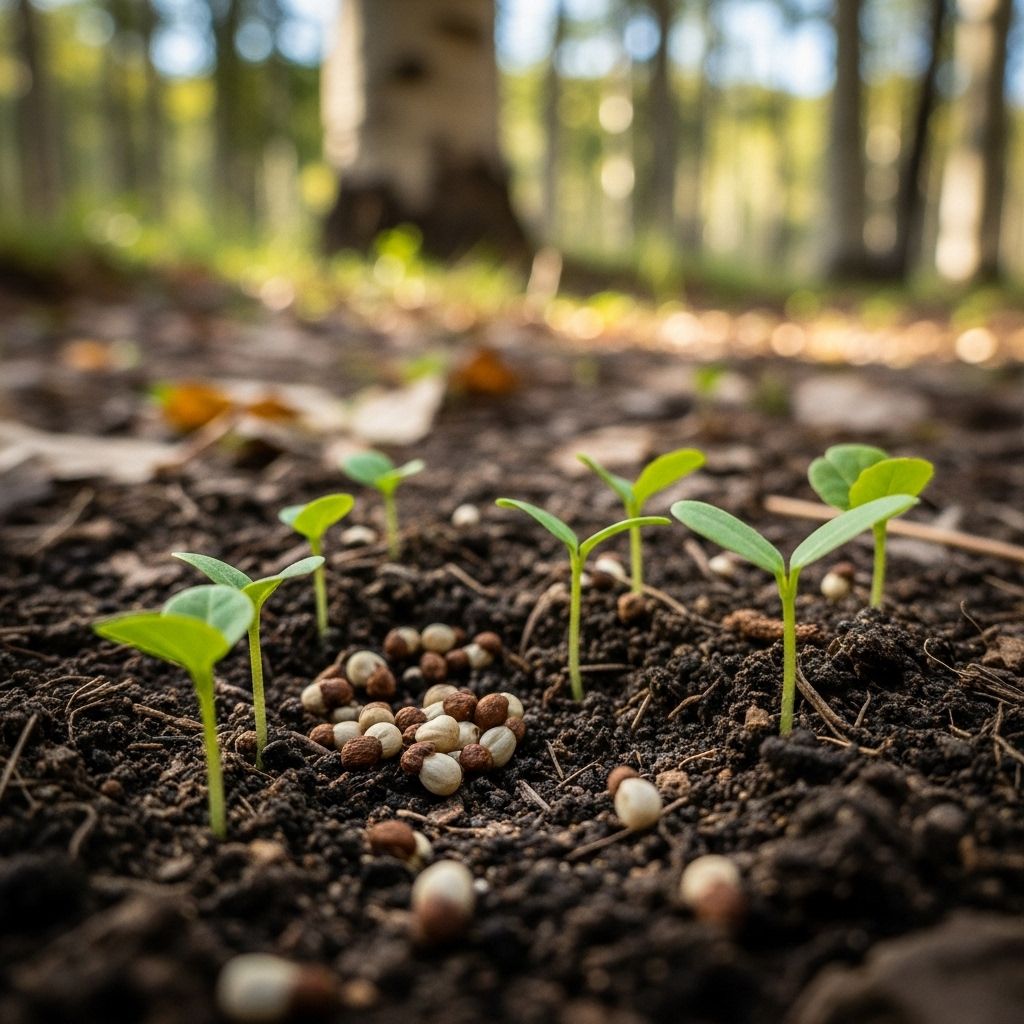
Aspen trees are among the most distinctive and visually striking trees in North America, known for their shimmering leaves that tremble in the slightest breeze and their brilliant golden display in autumn. While these trees typically propagate through their extensive root systems, growing aspens from seed offers an opportunity to understand their complete life cycle and establish new genetic diversity in your landscape. This comprehensive guide will walk you through every step of the process, from identifying and collecting seeds to nurturing young seedlings into healthy trees.
Understanding Aspen Reproduction and Growth
Before embarking on the journey of growing aspens from seed, it’s essential to understand how these remarkable trees reproduce in nature. Aspens have evolved a dual strategy for survival that includes both sexual reproduction through seeds and asexual reproduction through root suckers. This understanding forms the foundation for successful seed propagation.
In early spring, before the trees leaf out, aspen trees produce tiny flowers arranged on structures called catkins. These catkins appear as slender, drooping clusters that herald the beginning of the reproductive cycle. The timing of this emergence is crucial for anyone interested in seed collection, as it marks the start of a several-month process that culminates in seed dispersal.
Aspen trees are dioecious, meaning individual trees are either male or female. Male catkins bloom first, releasing pollen into the air, and then die back after completing their reproductive function. Female catkins, which appear shortly after, receive the pollen and begin developing seed capsules. Over the course of several months, these capsules mature and expand, eventually splitting open to release their precious cargo.
When mature capsules finally open, they release hundreds of tiny seeds, each attached to cottony fibers that allow them to float on wind currents. This adaptation enables seeds to travel considerable distances from the parent tree, potentially colonizing new areas. However, this dispersal method comes with a significant caveat: aspen seeds have an extremely short viability window. Germination must occur within days of seed dispersal, and seeds require immediate contact with moist soil to have any chance of survival. In natural conditions, the vast majority of seeds dry out and perish before finding suitable germination sites.
Collecting Seeds from Aspen Trees
The first and most critical step in growing aspen seeds is obtaining viable seed material. Success in this endeavor requires careful timing, proper identification of female trees, and knowledge of seed maturity indicators.
Identifying Female Aspen Trees: Since only female trees produce seeds, your first task is to locate a female aspen. This identification process begins in early spring when catkins first appear. Male catkins tend to bloom earlier and are more prominent initially, displaying colorful stamens before withering and falling from the tree. Female catkins become more noticeable as they mature, developing elongated structures with expanding capsules that grow larger over time.
The female catkins undergo a dramatic transformation throughout the spring and early summer months. As the capsules develop, the catkins grow longer and more substantial. By closely observing these changes, you can track the progress toward seed maturity and plan your collection timing accordingly.
Determining Seed Maturity: Timing your seed collection correctly is absolutely essential for success. Immature seeds will not germinate, while seeds collected too late may have already dispersed or lost their viability. The key indicator of seed maturity is color change. As seeds ripen, they transition from green to pink or various shades of brown. This color shift signals that the seeds have completed their development and are approaching the point of natural dispersal.
Monitor your selected female aspen trees closely as spring progresses into early summer. When you observe the color change beginning to occur and the capsules start to swell, it’s time to prepare for collection. Ideally, you want to harvest just before the capsules split open naturally, capturing the seeds at their peak viability.
The Collection Process: When the seeds reach the appropriate stage of maturity, use clean, sharp pruning shears to cut branches bearing mature seed catkins. Select branches from lower portions of the tree when possible, as these are easier to access and handle. Cut several branches to ensure you have adequate seed material, but avoid taking too many from a single tree to prevent stressing the parent plant.
After cutting the branches, transport them to a protected indoor location such as a garage, shed, or covered porch. The key requirement is shelter from wind, which would otherwise blow away the valuable seeds as they release. Lay the branches on a clean surface or hang them in bundles, allowing air circulation around them. Within a few days, the capsules will complete their natural opening process, releasing the characteristic cottony substance that contains the seeds.
Extracting and Processing Seeds: Once the capsules have released their contents, you’ll need to separate the actual seeds from the fluffy cotton-like material that surrounds them. This extraction process requires patience and the right tools. Using a vacuum cleaner with a hose attachment, carefully collect the cottony discharge. Then, employ fine-mesh screens or sieves to separate the tiny seeds from the fibers. This screening process may need to be repeated several times to achieve clean seed.
After extraction, you face an important decision regarding seed storage and planting timing. Aspen seeds lose viability rapidly, so immediate planting into moist soil often yields the best germination rates. However, if immediate planting isn’t feasible, you can air dry the seeds thoroughly and store them under refrigeration for spring planting. When storing seeds, place them in paper envelopes or breathable containers rather than sealed plastic, as some air exchange helps maintain seed quality.
Planting Aspen Seeds Successfully
With properly collected and processed seeds in hand, the next phase involves creating optimal conditions for germination and early growth. Aspen seeds have specific requirements that must be met for successful establishment.
Seed Preparation: If you’re working with stored seeds rather than freshly collected material, begin by soaking them in cold water for approximately six hours. This soaking period helps soften the seed coat and signals to the embryo that conditions are favorable for germination. The moisture absorbed during soaking gives seeds a head start in the germination process.
Stratification Requirements: Aspen seeds benefit significantly from cold stratification, a process that mimics the natural winter conditions seeds would experience in the wild. To stratify seeds, prepare small pots or seed trays with nutrient-rich, well-draining growing medium. Moisten the soil thoroughly before sowing, ensuring it’s damp but not waterlogged.
Sprinkle the seeds evenly over the soil surface, maintaining good spacing to prevent overcrowding as seedlings emerge. Press the seeds very gently into the soil surface, but do not cover them completely, as aspen seeds require some light exposure for optimal germination. Place the planted containers inside large ziplock bags or cover with clear plastic wrap to create a humid microenvironment.
Transfer the sealed containers to a refrigerator where they should remain for 60 to 75 days. This extended cold period breaks seed dormancy and prepares the embryos for active growth. During stratification, check the containers regularly to ensure the soil remains moist, adding small amounts of water if needed but being careful to avoid overwatering, which can lead to fungal problems.
Germination Process: After completing the stratification period, remove the containers from refrigeration and place them in a cool location with indirect light. A north-facing windowsill or a spot near but not directly in a window works well. Continue maintaining consistent soil moisture without allowing the medium to become soggy.
Germination typically occurs rapidly once seeds exit their cold treatment. Expect to see the first sprouts emerging within 12 to 24 days after removing containers from the refrigerator. In some cases with freshly collected seeds planted immediately into moist soil, germination can occur within just a few days. This rapid germination is one of the aspen’s survival strategies, allowing seedlings to establish before environmental conditions become less favorable.
As soon as seedlings begin to appear, remove any plastic covering or reduce humidity levels to prevent fungal diseases. Damping off, a fungal condition that causes seedlings to collapse and die, is a common problem in overly humid conditions. Ensuring good air circulation around emerging seedlings is crucial for their survival.
Caring for Aspen Seedlings
Young aspen seedlings are delicate and require attentive care during their first growing season. Proper management during this vulnerable period sets the foundation for developing strong, healthy trees.
Watering Requirements: Maintaining appropriate soil moisture is perhaps the most critical aspect of seedling care. Aspen seedlings need consistently moist soil but cannot tolerate waterlogged conditions. Check the growing medium daily, watering when the top layer begins to feel dry to the touch. Use a gentle spray or misting bottle to avoid disturbing the tiny plants or washing away soil from their developing roots.
Light Conditions: During the initial weeks after germination, provide bright indirect light rather than intense direct sunlight. As seedlings develop their first true leaves and become more established, gradually introduce them to stronger light conditions. This gradual acclimation prevents shock and sunburn on tender young foliage.
First Season Management: Plan to leave seedlings in their original seed trays or small pots throughout their first growing season. This approach minimizes transplant shock and allows the young plants to focus energy on root and shoot development. Keep the growing medium consistently moist and ensure seedlings receive adequate light for healthy growth.
As seedlings mature, they’ll develop their characteristic aspen leaves with serrated edges and flattened petioles that allow the distinctive trembling movement. Monitor plants for any signs of stress, pest problems, or disease, addressing issues promptly to prevent setbacks.
Transplanting and Potting On: When the first growing season concludes and seedlings have developed robust root systems, it’s time to transplant them into individual containers. This transplanting typically occurs in the following spring, giving plants a full season to establish before the disturbance of moving to new pots.
Select pots that provide adequate room for root growth, typically 4 to 6 inches in diameter for young aspens. Use a well-draining potting mix that retains moisture without becoming compacted. Handle seedlings carefully during transplanting, minimizing root disturbance and ensuring plants are set at the same depth they were growing previously.
After potting, place containers in a protected location such as a cold frame where plants can acclimate to outdoor conditions gradually. This hardening-off process is essential for developing cold tolerance and preparing plants for eventual placement in their permanent growing location.
Alternative Propagation Methods
While this guide focuses on seed propagation, it’s worth noting that aspen trees naturally reproduce more commonly through vegetative means, and these methods can complement or serve as alternatives to seed growing.
Root Cutting Propagation: Aspen trees naturally produce suckers from their extensive root systems, creating clonal colonies that can span vast areas. Gardeners can harness this natural tendency by taking root cuttings, which is often more reliable and faster than seed propagation.
In spring, carefully expose shallow aspen roots using a stiff brush or fork, taking care not to damage the root system. Cut sections of root 30 centimeters in length with a diameter of 1 to 3 centimeters. Plant these root sections horizontally in trays filled with gritty, well-draining compost, covering them with a thin layer of growing medium. Keep the cuttings in a frost-free environment with consistent moisture, and within a few weeks, new suckers will emerge from the root pieces. These suckers can then be separated and potted individually once they’re large enough to handle, typically developing into plantable trees within six months.
Common Challenges and Solutions
Seed Viability Issues: The greatest challenge in growing aspens from seed is the extremely short window of seed viability. Seeds collected too early won’t germinate, while those collected too late may have already lost their ability to sprout. The solution lies in careful observation and timing, collecting seeds at the precise moment when capsules are mature but haven’t yet fully dispersed their contents.
Germination Failures: Poor germination can result from several factors including improper storage, inadequate stratification, incorrect moisture levels, or seeds that were never viable. To maximize success, work with freshly collected seeds when possible, provide proper cold stratification, and maintain consistent moisture without overwatering.
Damping Off Disease: This fungal problem causes seedlings to suddenly collapse and die, often affecting multiple plants in rapid succession. Prevention is the best approach: avoid overwatering, ensure good air circulation, remove humidity covers as soon as germination occurs, and use sterile growing medium and clean containers.
Slow Growth: While aspen root cuttings can grow vigorously, seedlings may develop more slowly, especially in their first year. This slower pace is normal for seed-grown plants, which must invest significant energy in developing root systems before producing substantial above-ground growth. Patience, consistent care, and proper nutrition will support steady development.
Long-term Care and Establishment
Once your seed-grown aspens have developed into sturdy young trees in pots, they’re ready for transplanting into their permanent landscape positions. Choose planting sites carefully, considering the tree’s mature size, water requirements, and suckering habit.
Aspens prefer moist, well-drained soils and full sun exposure. They thrive in cooler climates and may struggle in hot, dry regions without supplemental irrigation. During the first year after transplanting, water consistently and deeply to encourage root establishment. Mulching around trees helps retain soil moisture and moderate soil temperature, but keep mulch pulled back from the trunk to prevent rot.
Be aware that aspens will naturally produce root suckers, which can create thickets over time. This characteristic may be desirable for naturalistic plantings but requires management in formal landscapes. Regular removal of unwanted suckers keeps trees in check and directs energy toward main trunk development.
Frequently Asked Questions
Q: How long do aspen seeds remain viable?
A: Aspen seeds have an extremely short viability period, typically lasting only 2 to 4 weeks under ideal conditions. In nature, most seeds must germinate within days of dispersal or they will die. This short viability window is why timing seed collection and planting correctly is so critical for success.
Q: Can I plant aspen seeds directly outdoors?
A: While possible, direct outdoor sowing of aspen seeds is challenging and generally not recommended. The seeds’ short viability, need for consistent moisture, and vulnerability to environmental conditions make controlled indoor germination much more successful. Container-grown seedlings can be transplanted outdoors once they’re established and hardened off.
Q: Why don’t my aspen seeds germinate?
A: Germination failure can result from several issues: seeds may have lost viability due to age or improper storage, stratification period may have been insufficient, soil may be too dry or too wet, or seeds may have been buried too deeply. Aspen seeds need light exposure, consistent moisture, and proper cold treatment to germinate successfully.
Q: How can I tell if an aspen tree is male or female?
A: The easiest way to distinguish male from female aspen trees is by observing their catkins in spring. Male catkins bloom earlier, display prominent stamens, and die back without producing seed capsules. Female catkins develop later, grow longer as they mature, and produce expanding capsules that eventually split to release cottony seeds.
Q: Is growing aspens from seed worth the effort compared to root cuttings?
A: Growing from seed is more challenging and time-consuming than propagation from root cuttings, but it offers unique benefits. Seed-grown trees provide genetic diversity rather than clones, may develop stronger tap roots, and offer the satisfaction of nurturing a tree through its complete life cycle. For faster results and easier success, root cuttings are preferable, but seed growing remains rewarding for patient gardeners.
Q: When is the best time to collect aspen seeds?
A: The optimal collection time varies by location but generally occurs in late spring to early summer, several months after the initial catkin appearance. Watch for seed capsules to change color from green to pink or brown, indicating maturity. Collect just before capsules split open naturally to capture seeds at peak viability.
Q: Do aspen seedlings need fertilizer?
A: Young aspen seedlings benefit from light fertilization once they’re established and producing true leaves. Use a diluted liquid fertilizer or slow-release granular product applied according to package directions. Avoid over-fertilizing, which can damage tender roots and cause excessive soft growth that’s vulnerable to pests and diseases.
Similar Articles




Read full bio of Sneha Tete