A Comprehensive Guide to Growing Figs in the Southeast
Master the art of cultivating delicious figs in the Southeast—from soil prep and pruning to variety selection and pest management.
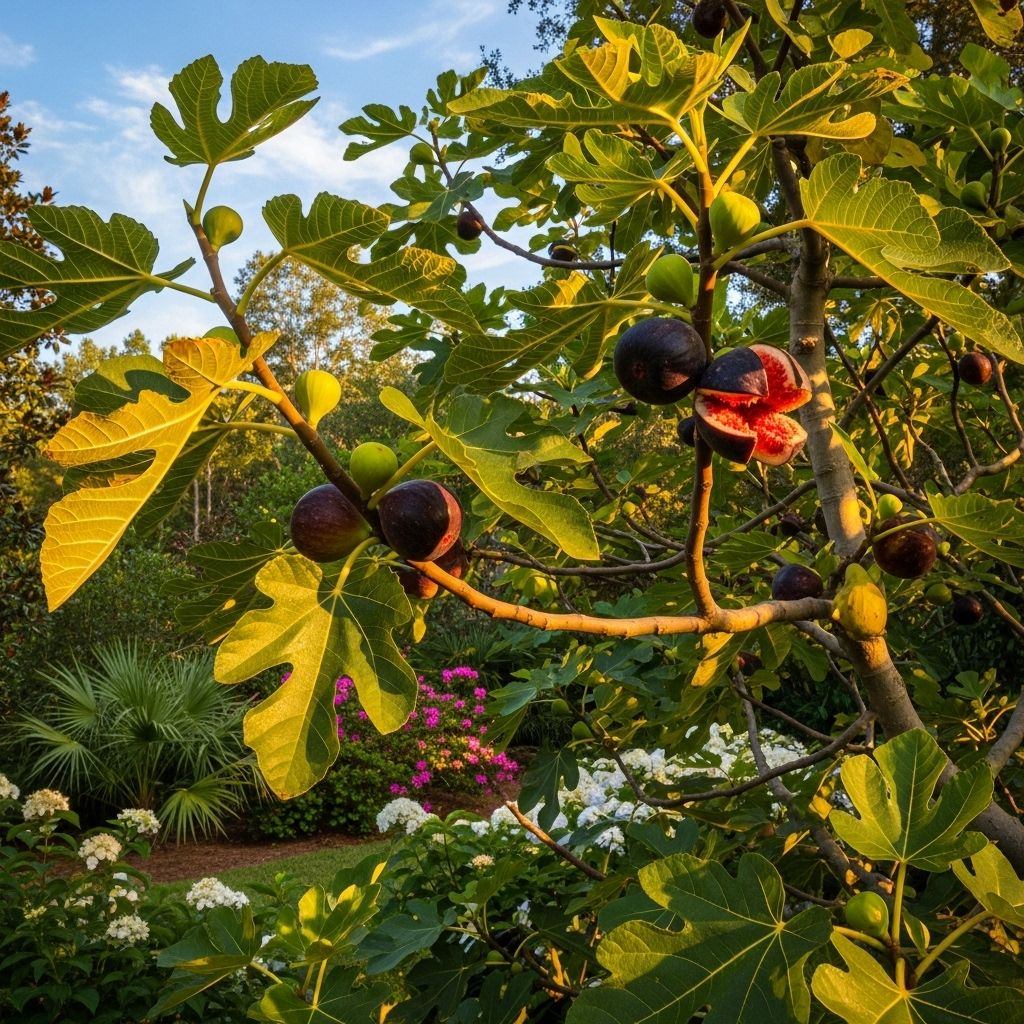
Figs (Ficus carica) have been woven into the tapestry of Southern gardens for centuries, thriving in the unique conditions of the Southeast. Revered for their low-maintenance needs and delectable fruit, figs are among the easiest edible plants for gardeners in zones 7 through 9 to cultivate. Whether you’re nurturing a backyard orchard or starting a small container garden, understanding the nuances of fig cultivation will set you up for success and abundant harvests year after year.
Why Grow Figs in the Southeast?
- Adapted to local climates: Figs thrive in the mild winters and hot, humid summers characteristic of the Southeast.
- Low maintenance: Generally resilient against pests and diseases, figs require little intervention once established.
- Versatile in the landscape: Figs can serve as shade trees, living screens, or as attractive edibles in pots and small spaces.
- Fast fruiting: Most varieties start producing fruit within two to three years of transplanting.
Optimal Conditions for Growing Figs
For healthy growth and prolific harvests, figs need to be planted in the right location with proper soil preparation and care. The following guidelines outline the essentials for fig cultivation in the Southeast.
Site Selection
- Sunlight: Choose a location that receives at least six hours of direct sun daily during the growing season. Figs perform best in full sun, which promotes robust growth and fruit ripening.
- Drainage: Opt for well-drained soil to prevent root rot. Figs tolerate both sandy and clay soils but do not thrive in consistently waterlogged sites.
- Protection from cold: In colder parts of the Southeast, plant figs on the south side of buildings or walls for extra winter protection. Avoid exposing them to north winds or frost pockets.
Soil Preparation
- Soil pH: Figs prefer a pH range of 6.0–6.5. Conduct a soil test and amend with lime if the soil is excessively acidic.
- Organic matter: Increase fertility and moisture retention by incorporating compost or well-rotted manure during site preparation.
- Pre-plant preparation: Remove weeds and loosen soil to promote deep root establishment. In areas with root-knot nematode issues, solarize soil before planting or select resistant rootstocks.
When to Plant Figs
- Spring planting is ideal in the upper Southeast (March to May), as young plants establish more vigorously before summer heat.
- Fall planting is suitable in the Lower South, where winters are mild and the season allows young roots to develop before top growth resumes.
Both bare-root and container-grown figs should be planted while dormant in cooler regions to reduce transplant shock. In warmer zones, planting is more flexible, though spring is always a safe bet.
Planting and Early Care
Purchasing or Propagating Fig Trees
- Nursery plants: Choose healthy specimens from reputable sources—either containerized or bare-rooted.
- Variety selection: Only plant common figs (which require no pollination from wasps) suited to southeastern conditions. Avoid California varieties reliant on wasp pollination.
- Home propagation: Figs are easily propagated by:
- Digging up and transplanting suckers from mature plants
- Taking 8- to 10-inch cuttings of one-year-old wood in early spring; root them in prepared beds or containers
- Mound layering: burying lower branches to encourage rooting before separating them as new plants
How to Plant
- Dig a hole twice as wide and as deep as the root ball.
- Place the fig tree at the same depth it was growing in the nursery.
- Backfill with enriched soil, gently firming around the roots.
- Water deeply to settle the soil and eliminate air pockets.
- Mulch with organic material such as straw or chopped leaves to retain moisture and regulate soil temperature.
For container-grown figs, select a 10- to 15-gallon pot with good drainage. Potting mixes rich in compost are ideal, and containers may need to be moved indoors or sheltered in colder months.
Variety Selection
With over 470 varieties available globally, not all are suited to Southeast gardens. Choose varieties bred or selected for regional climates. Some proven southeastern favorites include:
- Brown Turkey: A reliable, cold-hardy staple known for its sweetness and abundant yields.
- Celeste: Popular for its small, rich-flavored fruit and resilience in variable conditions.
- LSU Gold & LSU Purple: Developed by Louisiana State University to excel in Southern gardens—excellent flavor and high productivity.
- Southern Honey: Highly adapted to humid summers and relatively resistant to common diseases.
Establishing and Training Fig Trees
Tree Form vs. Shrub Form
- Shrub (bush) form: Best for most Southeastern gardens, as severe cold can damage top growth. Bush form encourages regrowth from the base after winter injury.
- Tree form: Achievable in the Lower South where freezing is rare, but less common due to susceptibility to winter dieback.
Initial Pruning and Training
- At planting: Cut the young plant back to about half its height to stimulate multiple shoot growth from the base.
- After first season: In winter, select 3–8 strong, well-spaced shoots to become main stems (leaders). Remove all others, pruning chosen leaders to 12 inches above ground.
- Annual spring pruning: After frost, head back branches again by one-third to one-half of growth to promote bushiness and remove unproductive wood.
- Remove dead, damaged, or crossing branches.
- Cut unwanted suckers at the ground unless needed to replace a damaged leader.
Note: Always make pruning cuts at a bud or branch. Avoid leaving stubs, as these become entry points for disease and rot.
Seasonal Care and Maintenance
Watering
- Water young trees regularly the first year to help roots establish. Deep, infrequent watering is better than frequent shallow irrigation.
- Once established, figs are moderately drought-tolerant. On sandy soils or during drought, supplemental watering may be necessary, especially while fruiting.
Fertilization
- Figs generally do not require heavy fertilization. Only fertilize if growth is poor (shoots under 18 inches in a year).
- For young plants (1–2 years), apply a balanced fertilizer (such as 8-8-8) at a rate of 8 ounces per plant in early spring, mid-May, and mid-July.
- Established plants may need just one application in early spring, if at all.
- Manure or compost is especially effective—use generously around the root zone each season.
- Avoid late-season fertilizer applications; late growth may not harden off before winter, risking cold injury.
Mulching
- Maintain a mulch layer (2–3 inches thick) to keep the roots cool, conserve soil moisture, and suppress weeds.
- Organic mulches such as straw, pine needles, or chopped leaves are ideal.
Pruning
- Thin crowded branches and remove smaller suckers in late winter (February in most areas).
- Wear gloves: figs exude a latex sap when cut, which can irritate skin.
- Figs tolerate hard pruning and will resprout vigorously. This makes them well-suited for containers or espaliers, and keeps orchard trees at a practical size for harvesting.
Pest and Disease Management
- Figs are seldom bothered by pests or diseases in the Southeast. The major threat is root-knot nematodes—avoid known infested soils.
- Occasional fruit loss to birds or squirrels can be reduced by netting crops or harvesting fruit promptly as it ripens.
- Leaf spot and rust are infrequent and typically not serious. Maintain good air circulation and remove fallen leaves.
Harvesting and Using Figs
Most figs ripen from midsummer to early fall, depending on the variety and whether they bear on old or new growth. Two harvests are possible in some varieties: a smaller, earlier crop (breba) from the previous year’s wood, and a main, heavier crop from current year’s growth.
- Harvest figs when they are fully colored, soft, and drooping on the branch. Fruit will not further ripen once picked.
- Fresh figs are highly perishable. Use or process them within a day or two of harvest for best flavor.
- Figs can be eaten fresh, dried, or used in jams, preserves, and desserts. Excess fruit may be frozen for use in smoothies or baking.
Table: Summary of Seasonal Fig Care in the Southeast
| Season | Care Tasks |
|---|---|
| Winter (Dormancy) | Prune for shape, remove dead/diseased wood, mulch, protect young trees in cold areas. |
| Early Spring | Plant bare-root trees, fertilize if needed, monitor for new growth, start watering regimen. |
| Summer | Maintain mulch, provide extra water if hot/dry, watch for fruit ripening, netting to protect from pests. |
| Fall | Harvest late crops, prepare for winter (extra mulch, wrapping if needed), propagate suckers or cuttings. |
Frequently Asked Questions (FAQs)
Q: How big do fig trees get in the Southeast?
Fig trees can reach 15 feet tall and wide; in colder zones, they may freeze to the ground and resprout from roots, staying more shrub-like. In warmer zones, regular pruning controls size for ease of harvest.
Q: Why didn’t my fig tree fruit this year?
Young trees need two to three years to mature. Poor fruiting can result from insufficient light, drought, too much nitrogen fertilizer, or cold damage from late frosts. Some varieties fruit mainly on new growth, so late spring cuts or freezes can reduce yields.
Q: Can I grow figs in containers?
Yes! Choose compact varieties and use a 10- to 15-gallon container with excellent drainage. Containerized figs are great for patios and can be moved indoors or protected during winter if needed.
Q: What do I do if my fig tree is damaged by cold?
Severe cold can kill aboveground parts but figs often regrow vigorously from the base in spring. Prune out dead wood in late winter and allow strong shoots to replace lost growth.
Q: What is the white sap that comes out when I prune my fig?
This is latex sap, common in the fig family. It can be irritating to the skin—wear gloves and wash up if sap gets on you.
Key Takeaways for Success with Southeastern Figs
- Site in full sun with well-drained soil for the healthiest, most productive plants.
- Plant in spring (Upper Southeast) or fall (Lower South) for best results.
- Choose varieties adapted to southeastern conditions—avoid those that need wasp pollination.
- Mulch, prune, and water appropriately; figs thrive on minimal fertilizer and care.
- Prune annually for manageable size, shape, and vigorous fruiting.
- Enjoy fresh, homegrown figs from midsummer to early fall.
With proper planning and minimal fuss, figs are a rewarding, attractive, and delicious addition to Southeastern gardens of any size.
Similar Articles


Read full bio of medha deb