Growing Grapes in Raised Beds: Tips for Healthy Vines and Bountiful Harvests
Learn how to successfully grow grapes in raised garden beds for healthier vines, improved yields, and easy maintenance.
Introduction
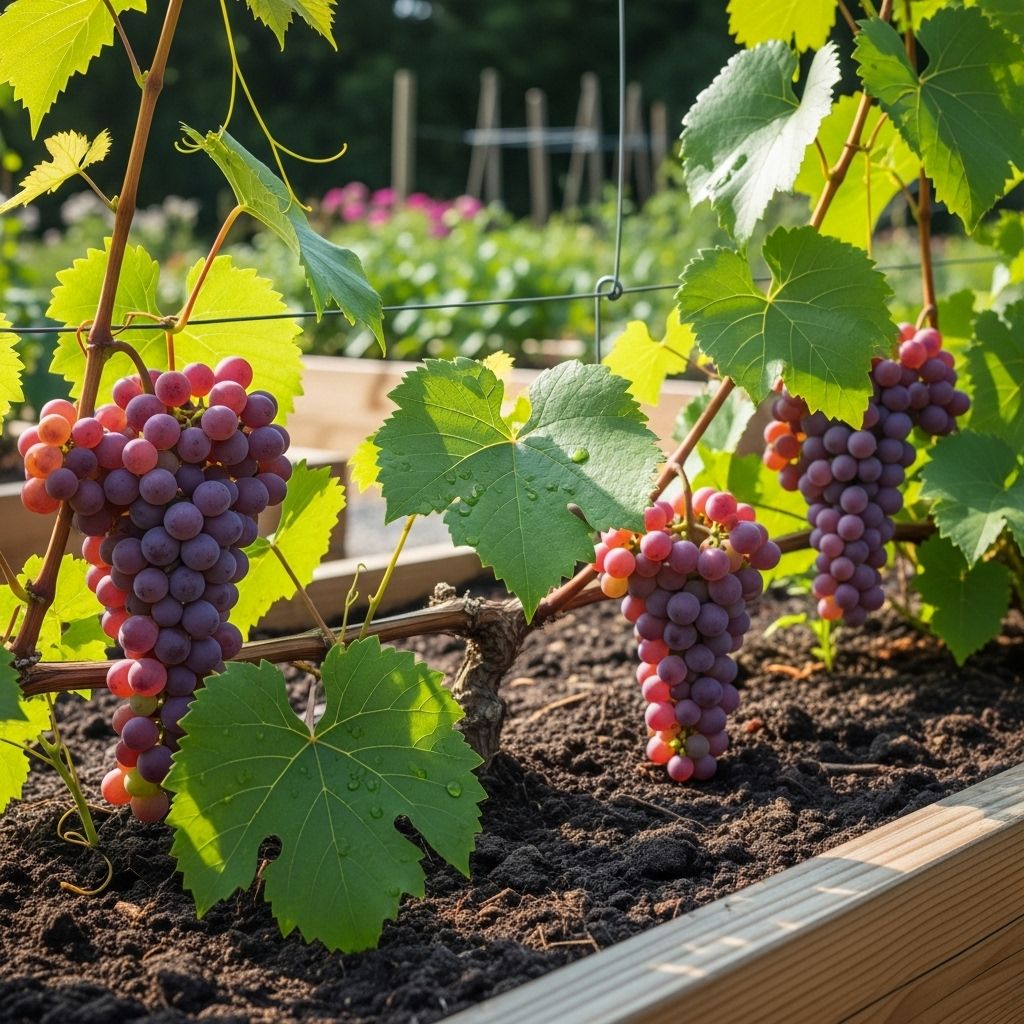
Grapes are a rewarding addition to any home garden, offering delicious fruit, lush foliage, and even a natural canopy for shade. While traditionally grown in large vineyards, grapes can thrive in smaller spaces—especially in raised beds. This article covers everything you need to know about growing grapes in raised beds, from selecting the right varieties and preparing the soil to pruning, trellising, and harvesting your grapes for years of enjoyment.
Benefits of Growing Grapes in Raised Beds
- Improved Drainage: Raised beds prevent waterlogging, which is crucial for grapevines that thrive in well-drained soil.
- Better Soil Control: You can customize the soil mix, ensuring optimal fertility and texture for healthy vine growth.
- Easier Access: Raised beds make it simpler to plant, prune, and harvest grapes without bending or crawling on the ground.
- Pest and Disease Management: Elevated beds can reduce the risk of soil-borne diseases and deter some ground pests.
- Extended Growing Season: The soil in raised beds warms up faster in spring, giving grapevines a head start on growth.
Choosing the Best Grape Varieties for Raised Beds
When selecting a grapevine for your raised bed, consider both the climate and your intended use for the harvest:
- American Grapes (Vitis labrusca): Hearty, cold-hardy, and less prone to pests and diseases. Examples include Concord and Niagara.
- European Grapes (Vitis vinifera): Preferred for wine-making and eating fresh. These require a warmer climate and good disease control.
- Hybrid Varieties: Combine the hardiness of American grapes with the flavor and texture of European types. Seedless and flame varieties like Flame Red Seedless are especially popular for home gardens due to their resistance and yield.
Raised Bed Construction and Soil Preparation
Proper bed construction and soil preparation are key to grapevine success:
Building the Raised Bed
- Size: Aim for a bed at least 24 inches deep to accommodate the grapevine’s extensive root system.
- Width: Wide beds (at least 4 feet) allow for better root spread and easier access.
- Materials: Use untreated, rot-resistant wood, stone, or recycled materials.
Soil Mix
- Custom Mix: Combine garden soil, well-rotted compost, and coarse sand for drainage.
- pH Level: Grapes prefer slightly acidic to neutral soil (pH 5.5–7.0). Adjust with lime or sulfur if needed.
- Amendments: Incorporate organic matter and a balanced fertilizer at planting and annually thereafter.
Planting Grapes in Raised Beds
Follow these steps for successful planting:
- Location: Choose a spot with full sun exposure (8+ hours a day).
- Spacing: Plant vines 6–8 feet apart in rows 8–10 feet apart to allow for growth.
- Planting Depth: Set the graft union (if present) just above soil level. Backfill with amended soil and water thoroughly.
- Mulching: Apply mulch after planting to retain moisture and suppress weeds.
Establishing a Support System: Trellising and Training
Grapevines require support structures to grow properly. Options include:
- Single Stake: For very young vines or small patio setups.
- Two-Wire Trellis: The most common for home gardens, using horizontal wires at 3 and 5 feet for cordon training.
- Arbors and Pergolas: Ideal for decorative or small-scale vineyards, allowing vines to create a shaded structure.
Training and pruning are crucial for grapevine health and fruit production. In their first year, select a strong shoot to form the trunk, then train lateral branches (cordons) along the trellis. Annual winter pruning removes old wood and encourages new fruit-bearing growth.
Pruning Table
| Year | Training Focus | Pruning Goal |
|---|---|---|
| 1 | Establish the trunk | Select one main shoot, remove others |
| 2 | Form cordons (horizontal branches) | Train laterals along lower wire |
| 3+ | Maintain structure, encourage fruiting | Remove old canes, leave new fruiting spurs |
Caring for Your Grapevines
Watering
Keep soil consistently moist, especially in the first year and during fruit development. Avoid overwatering, as grapes are sensitive to soggy roots.
Fertilizing
Feed with a balanced fertilizer in early spring and mid-summer. Avoid excessive nitrogen, which promotes leaf growth over fruit.
Mulching and Weeding
Mulch annually with compost or straw to maintain soil moisture and fertility. Regular weeding reduces competition for nutrients and water.
Pest and Disease Control
Raised beds help minimize soil-borne diseases. Monitor for common pests like aphids and fungal diseases such as powdery mildew. Select resistant varieties and maintain good air circulation by proper pruning.
Harvesting Grapes from Raised Beds
Grapes are typically ready for harvest in late summer to early fall, depending on the variety and climate. Look for full color, plump berries and a sweet taste. Grapes do not ripen further after picking, so timing is key.
Storage and Use
- Fresh grapes can be refrigerated for up to two weeks.
- Use excess harvest for jams, juices, or homemade wine.
Common Challenges and Solutions
- Slow Growth: May be due to poor soil, insufficient sun, or overwatering. Amend soil, ensure full sun, and adjust watering.
- No Fruit: Often caused by improper pruning or too much nitrogen. Follow pruning guidelines and reduce fertilization if necessary.
- Pest Damage: Use organic controls such as neem oil or introduce beneficial insects.
Frequently Asked Questions (FAQs)
Q: When will my grapevines start producing fruit?
A: Most grapevines begin fruiting in their third year, with smaller yields that increase as the vine matures.
Q: Can grapes be grown in containers?
A: Yes, but use a large container (at least 15 gallons) and provide strong support for the vine.
Q: How much maintenance do grapevines require?
A: Grapes need regular pruning, occasional feeding, and consistent watering, but are otherwise low-maintenance once established.
Q: What is the lifespan of a grapevine?
A: With proper care, grapevines can produce fruit for 30 years or more.
Q: Do grapes attract pests?
A: Some varieties are naturally resistant to pests, but you may encounter aphids, birds, or mildew; good culture and resistant varieties help minimize problems.
Conclusion
Growing grapes in raised beds is an excellent way to enjoy fresh, homegrown fruit without requiring a large vineyard. With careful variety selection, proper bed construction, and attentive care, even novice gardeners can achieve healthy vines and abundant harvests. By following the guidelines outlined here—on soil, planting, trellising, pruning, and troubleshooting—you’ll be well on your way to successful grape growing in your own backyard.
Remember: Patience is key, as grapevines take a few years to establish and bear fruit, but the reward of your own juicy grapes is well worth the wait. Happy gardening!
Similar Articles


Read full bio of Sneha Tete