Growing a Japanese Herb Garden: Step-by-Step Guide to Cultivating Traditional Japanese Herbs
Discover traditional Japanese herbs, their uses, and cultivation tips for a thriving herb garden at home.
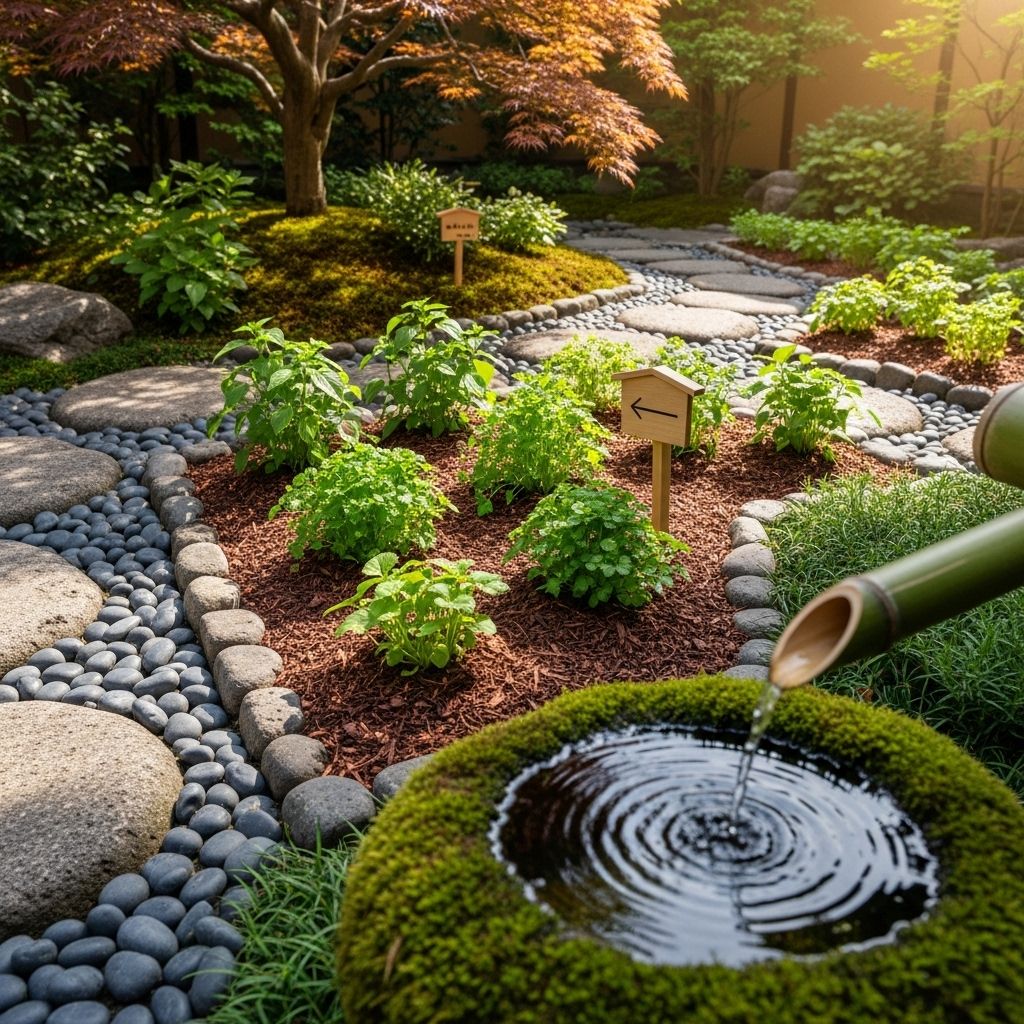
Japanese herb gardens reflect the harmony, simplicity, and natural elegance integral to Japanese culture. These gardens are not only beautiful to behold, but they also provide a bountiful array of culinary and medicinal herbs that have been treasured in Japan for centuries. Whether you want to infuse authentic flavors into your cooking, explore traditional herbal remedies, or create a tranquil green space, growing a Japanese herb garden is a rewarding and accessible endeavor.
Why Create a Japanese Herb Garden?
Japanese herb gardens have a rich tradition, blending beauty with utility. Historically, herbs were used for cooking, medicine, teas, and even ceremonial purposes. Today, growing these herbs at home lets you:
- Enjoy fresher and more flavorful culinary ingredients for dishes like miso soup, salads, sushi, tempura, and broths.
- Access natural remedies and wellness traditions rooted in centuries of Japanese herbal medicine.
- Cultivate a peaceful garden space that inspires mindfulness and relaxation.
- Experiment with unique plants not commonly found in Western herb gardens.
Essential Japanese Herbs for the Home Garden
Japanese cuisine and wellness embrace a variety of herbs. The following are some of the most beloved and practical Japanese herbs to grow at home:
Shiso (Perilla frutescens)
- Description: A leafy annual with aromatic, serrated leaves available in green (ao shiso) or red (aka shiso) varieties.
- Culinary Use: Used in sushi, salads, pickles (ume shiso), soups, and as a garnish. The red variety is also used to dye pickled plums.
- Growing Tips:
- Best sown from seed after the last frost.
- Thrives in compost-rich, moist, well-draining soil.
- Partial shade is ideal; too much sun can scorch leaves.
- Pinch growing tips to encourage bushiness and prevent flowering.
Mitsuba (Cryptotaenia japonica)
- Description: Often called “Japanese parsley,” mitsuba has three-lobed leaves and a mild, celery-like flavor.
- Culinary Use: Added to soups, salads, broths, omelets, and as a garnish. All parts—leaves, stems, and roots—are edible.
- Growing Tips:
- Loves moist, well-draining soil and partial shade.
- Can be started indoors 4-6 weeks before last frost or direct-sown after the soil warms up.
- Thin seedlings to 6-9 inches apart. Harvest continuously to prevent flowering and bitterness.
Sansho (Zanthoxylum piperitum – Japanese Pepper)
- Description: A deciduous shrub whose leaves, flowers, and berries are valued. The berries are ground into a citrusy, numbing spice.
- Culinary Use: Sansho berries are used in spice blends and to season grilled fish and meats. Young leaves (kinome) are used as garnish.
- Growing Tips:
- Potted plants or saplings are easiest for home gardeners.
- Requires well-drained soil and full sun to partial shade.
- Protect from strong winds; prefers sheltered spots.
Wasabi (Wasabia japonica)
- Description: The famous root,
Similar Articles




Read full bio of Sneha Tete