Growing Lemon Verbena Indoors: A Complete Guide
Discover essential steps and expert tips for thriving, fragrant lemon verbena plants indoors year-round.
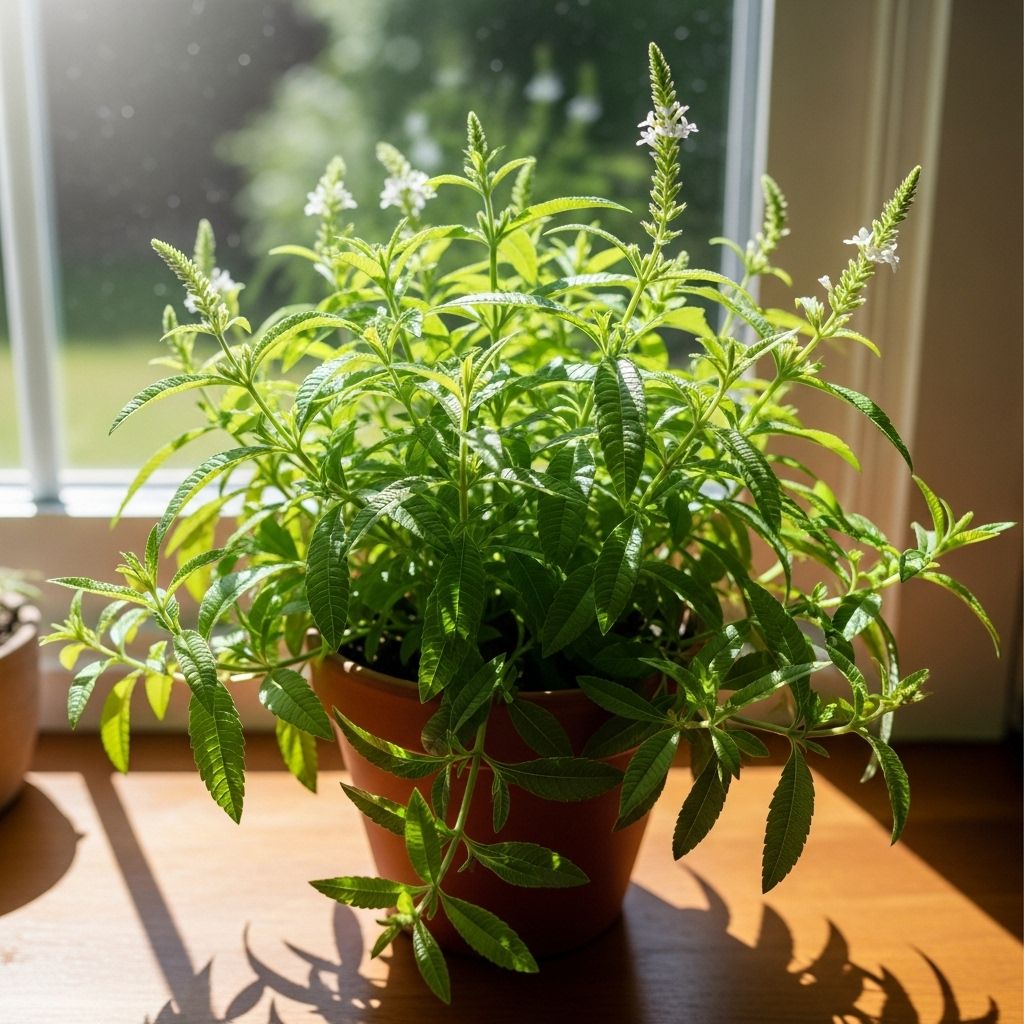
Growing Lemon Verbena Indoors: A Comprehensive Guide
Lemon verbena (Aloysia citrodora) is cherished by gardeners for its intense citrus aroma and versatile culinary uses. While this herb originates from South America and can become a sprawling outdoor shrub in warm climates, it is also possible to grow lush, fragrant lemon verbena plants indoors—if you understand its unique preferences and requirements. This guide covers everything you need to know to successfully nurture lemon verbena inside your home, from choosing containers and soil to troubleshooting winter leaf drop.
Why Grow Lemon Verbena Indoors?
There are several advantages to cultivating lemon verbena indoors:
- Year-round enjoyment: Enjoy aromatic, flavorful leaves even in colder climates.
- Convenient harvesting: Fresh leaves are always on hand for teas and recipes.
- No cold-weather worries: Protects a tender perennial from frost and harsh weather conditions.
- Decorative touch: Brings vibrant greenery and pleasant fragrance into your living space.
Understanding Lemon Verbena Basics
| Common Name | Lemon Verbena |
|---|---|
| Botanical Name | Aloysia citrodora |
| Plant Family | Verbenaceae |
| Type | Tender perennial (zones 8–11), often grown as an annual or indoors in cooler regions |
| Light Needs | Full sun (at least 6–8 hours daily) |
| Height Indoors | 1–3 feet (kept compact by pruning) |
Setting Up for Indoor Success
Choosing the Right Container
Lemon verbena needs ample space for root development, especially since the plant can grow vigorously even in pots. For a healthy start:
- Select a container at least 12 inches (31 cm) wide—about 1.5x the root ball’s width.
- Ensure there are several drainage holes in the bottom to prevent root rot.
- Wide, slightly tapered pots are preferred as they promote root spread and stability.
- Add a thin layer of pebbles or coarse material at the base for extra drainage.
Soil and Drainage Requirements
Lemon verbena dislikes soggy roots and thrives in rich, well-draining soil:
- Use an organic potting mix enriched with compost for nutrients.
- Aim for a pH around 6.0–7.0 (neutral to slightly acidic).
- The mix should be loosely packed—not compacted—allowing for airflow.
- Avoid heavy, moisture-retaining soils that can lead to fungal disease or root rot.
Sunlight: The Cornerstone of Indoor Growth
Lemon verbena is day-neutral but truly flourishes with maximum direct sunlight:
- Position your pot near the sunniest window—south-facing is ideal.
- By a white wall or reflective surface, sunlight intensity can be magnified, boosting leaf aroma and growth.
- During the warm months, consider moving your pot outdoors to a full-sun patio or balcony.
- If full sunlight is unavailable, use grow lights to compensate, aiming for at least 12–16 hours of light per day.
- Insufficient light produces weak, leggy stems and less fragrant leaves.
Watering and Fertilization
How and When to Water
Lemon verbena likes evenly moist soil—not wet and never bone-dry:
- Check the top inch of soil; water when it feels dry to the touch.
- Water thoroughly until it drains out the bottom, then empty the saucer beneath.
- During active growth in spring and summer, more frequent watering is needed.
- In winter, when the plant is dormant and leafless, reduce watering frequency—a light drink every 7–10 days typically suffices.
Feeding Lemon Verbena
Lemon verbena is a moderate to heavy feeder compared to most herbs:
- Apply an all-purpose liquid or slow-release organic fertilizer every 6–8 weeks during the growing season.
- Use balanced fertilizer (such as 10-10-10) or a product formulated for edible plants.
- Do not fertilize in late fall or winter when the plant is dormant—doing so may force weak growth.
Pruning, Pinching, and Shaping
Regular pruning is the most important routine for keeping lemon verbena allegeable and thriving indoors:
- Pinch back growing tips on young plants for bushiness and better branching.
- Trim stems with sharp scissors or pruners to control height and shape throughout the year.
- Don’t be afraid to cut stems back by at least 1/3 each season to reinvigorate growth.
- Remove any flowers that appear to encourage lush foliage.
- Conduct a deeper prune or reshape in autumn, preparing the plant for overwintering indoors.
Overwintering Lemon Verbena Indoors
Understanding Winter Dormancy
Lemon verbena naturally enters a dormant phase when days become shorter and temperatures drop—often losing all its leaves. This leaf drop is normal and not a sign your plant has died.
- Continue watering lightly (about once per week) even if the stems are bare.
- Reduce humidity and avoid overwatering to prevent the roots from rotting.
- Resume normal watering and feeding in early spring when new shoots emerge.
- If you wish to prevent total leaf drop, use grow lights to extend day length, but dormancy is generally healthier long-term.
Troubleshooting Common Winter Issues
- Complete leaf loss: Typical in winter—be patient and keep the soil just moist.
- Stems shriveling or rotting: Usually a sign of excess water and poor drainage; allow soil to dry slightly more between waterings and empty saucers.
- Pests (spider mites, whiteflies): Less common indoors but can occur in dry or stagnant air. Increase humidity, gently rinse the plant, or use insecticidal soap if needed.
Seasonal Movement: Indoor–Outdoor Shifts
If your climate allows, your indoor verbena can happily summer outdoors. This lets it soak up sun and fresh air, after which you can return it indoors for protection over winter. Key points:
- Before first frost, move the plant indoors.
- Expect initial leaf drop after the change—in response to altered light and humidity.
- Thin stems and remove any lingering pests before bringing inside to avoid infestations.
Harvesting and Using Lemon Verbena Leaves
Harvest lemon verbena for culinary use and fragrance throughout the growing season. The best practices include:
- Harvest in the morning when essential oils are most concentrated.
- Snip off full stems or branches just above a node (where leaves join the stem) to encourage regrowth, rather than picking individual leaves.
- Even if you do not need leaves, regular harvesting keeps the plant compact and vigorous.
Preserving the aromatic harvest: Dry leaves flat in a well-ventilated room out of direct sunlight, or freeze them for winter use. Crumble leaves into tea blends, desserts, or savory dishes as desired.
Pest and Disease Prevention Indoors
Lemon verbena is generally robust but may attract some pests indoors. Minimize risks with these steps:
- Maintain air circulation; avoid crowding with other plants.
- Inspect regularly for spider mites, scale, or whiteflies, particularly after summer outdoor stays.
- Treat with horticultural oil or insecticidal soap if needed.
- Avoid overwatering to prevent root rot and fungal diseases.
Tips for Thriving Lemon Verbena Indoors
- Always provide plenty of light. Plants need a minimum of 6–8 hours of direct sun; supplement with grow lamps in winter.
- Do not let soil dry out completely, but also avoid soggy roots. Good drainage is essential.
- Pinch back growing tips regularly to keep shrubs full and lush rather than leggy.
- Allow for seasonal leaf drop. Most indoor plants go through a dormant, leafless phase—resist the urge to overwater during this time.
- Repot as needed. Every year or two, move your verbena to a slightly larger pot with fresh soil.
Frequently Asked Questions (FAQs)
Q: Why is my indoor lemon verbena dropping all its leaves?
A: Leaf drop in autumn or after moving the plant indoors is normal. Lemon verbena enters a dormant phase in response to lower light, and the leaves will regrow in spring as days get longer.
Q: Can I grow lemon verbena in a kitchen window?
A: Yes, provided the window faces south or receives at least 6 hours of sunlight. If natural light is limited, supplement with a quality grow light.
Q: How often should I fertilize lemon verbena indoors?
A: Use a balanced, organic fertilizer every 6–8 weeks in spring and summer while the plant is actively growing. Stop fertilizing during the dormant winter period.
Q: What are some good uses for harvested lemon verbena leaves?
A: Lemon verbena leaves add citrus flavor to herbal teas, desserts, marinades, and even home fragrance sachets. Dry or freeze for off-season use.
Q: Can I propagate new plants from my indoor lemon verbena?
A: Yes, cuttings taken in spring or early summer root readily in moist potting soil or water.
Summary Table: Lemon Verbena Indoor Care Essentials
| Aspect | Requirement |
|---|---|
| Light | Full sun (6-8 hrs daily) or grow lights |
| Soil | Rich, loose, well-draining organic mix |
| Watering | Keep evenly moist; reduce in winter |
| Fertilizing | Balanced fertilizer every 6–8 weeks, not in winter |
| Pruning | Pinch and prune regularly for bushiness |
| Container | At least 12″ wide, with drainage holes |
| Overwintering | Accept seasonal leaf drop; lower water |
With attention to light, drainage, pruning, and an understanding of the plant’s seasonal rhythm, lemon verbena becomes a rewarding addition to any indoor herb collection, bringing lush foliage and a burst of citrus freshness year after year.
Similar Articles




Read full bio of medha deb