Growing Lily of the Valley in Pots: Complete Care Guide
Master container gardening with fragrant lily of the valley plants
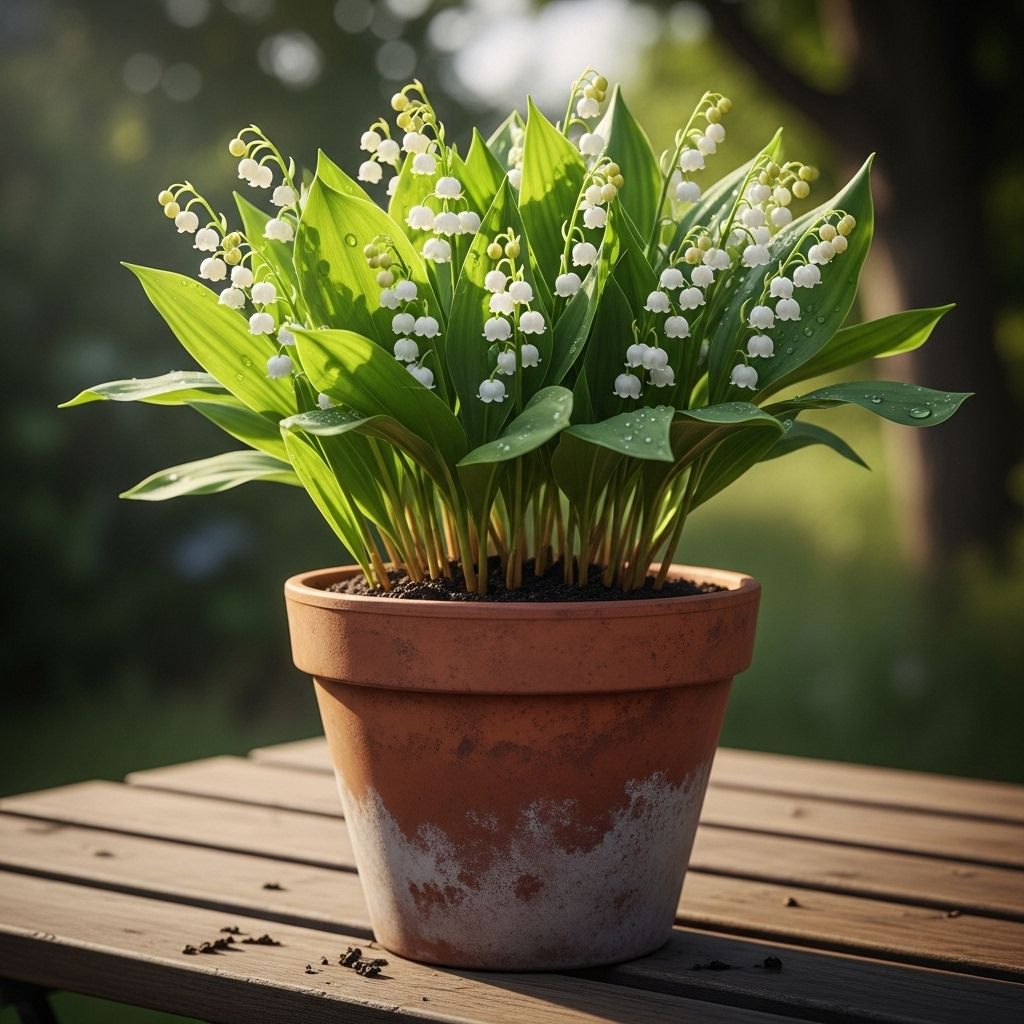
Lily of the valley stands out as one of the most enchanting flowering plants you can introduce to your garden space. This remarkable perennial produces delicate, bell-shaped white flowers that emit an intoxicating fragrance capable of perfuming an entire area. The plant’s versatility allows it to thrive in conditions ranging from deep shade to bright sunlight, making it an adaptable choice for virtually any garden setting. However, many gardeners wonder whether this charming plant can successfully transition to container life, and the answer is a resounding yes.
Understanding Lily of the Valley’s Growth Habits
Before diving into container cultivation, it’s essential to understand the natural growth patterns of lily of the valley. This woodland plant spreads through rhizomes, which are fleshy underground stems that serve as the plant’s primary means of reproduction. These rhizomes branch out aggressively in all directions, sending up new shoots and establishing dense colonies. In optimal soil conditions with adequate moisture and nutrients, lily of the valley can become surprisingly invasive, spreading rapidly and potentially overwhelming neighboring plants that compete for the same space.
The aggressive spreading nature of lily of the valley, while impressive, can pose challenges in traditional garden beds where you want to maintain diversity and control over your plant arrangements. The rhizomes don’t respect boundaries and will continue expanding their territory year after year, sometimes requiring significant effort to keep them contained within designated areas.
Why Choose Container Growing
Growing lily of the valley in containers offers an elegant solution to the plant’s invasive tendencies while providing numerous additional benefits. Container cultivation creates a physical barrier that prevents the rhizomes from spreading beyond their designated space, giving you complete control over the plant’s expansion. This containment strategy allows you to enjoy all the beauty and fragrance of lily of the valley without worrying about it taking over your garden beds or competing with other prized plants.
The portability of container-grown lily of the valley represents another significant advantage. You can position these fragrant plants exactly where you want to enjoy their heavenly scent most, whether that’s near a seating area, along a pathway, or close to windows where the fragrance can drift indoors. As the seasons change or your garden design evolves, you can easily relocate the containers to optimize their visual impact and aromatic contribution.
Container growing also simplifies maintenance and care routines. You have better control over soil quality, moisture levels, and fertilization schedules. Additionally, containers make division and propagation more manageable when the plants eventually outgrow their spaces, allowing you to refresh the planting or share divisions with fellow gardeners.
Sourcing Your Planting Material
When starting your container lily of the valley project, you have two primary options for obtaining planting material. The most common approach involves purchasing rhizomes from garden centers or nurseries, where they’re typically sold similarly to bulbs. These dormant rhizomes come ready for planting and offer a cost-effective way to start multiple containers or create generous plantings within larger pots.
Alternatively, if you already have an established lily of the valley patch in your garden or can access one through friends or neighbors, you can propagate new plants through division. The optimal timing for this division occurs either immediately after the flowers fade in late spring or during the autumn months when the plants enter dormancy. Using a spade or garden fork, carefully dig up sections of the rhizomes, ensuring each division includes both roots and growth buds for successful establishment.
Selecting the Perfect Container
Container selection plays a crucial role in the success of your lily of the valley planting. The ideal container should prioritize depth over width to accommodate the plant’s extensive root system. Lily of the valley develops long, fibrous roots that naturally want to grow downward, so a deeper pot provides the space these roots need to establish properly and support healthy plant growth.
When evaluating container options, look for pots that measure at least 20 to 25 centimeters deep, though deeper containers work even better for long-term cultivation. The width can vary depending on how many plants you intend to group together, but ensure adequate spacing between rhizomes to allow for natural expansion over the growing season.
Drainage represents another critical consideration in container selection. Choose pots with adequate drainage holes in the bottom to prevent water accumulation that could lead to root rot. Lily of the valley appreciates consistent moisture but cannot tolerate waterlogged conditions. If you fall in love with a decorative container that lacks drainage holes, consider using it as a cachepot by placing a properly draining nursery pot inside.
Material choices for containers include terracotta, ceramic, plastic, and various composites. Terracotta pots offer excellent breathability and help regulate soil moisture, though they dry out more quickly and may require more frequent watering. Plastic containers retain moisture longer and weigh less, making them easier to move but potentially requiring more careful attention to avoid overwatering.
Preparing the Growing Medium
The success of your potted lily of the valley depends significantly on providing an appropriate growing medium. A high-quality, peat-free multipurpose compost works excellently for these plants, offering the right balance of drainage, moisture retention, and fertility. If you prefer creating your own potting mix, combine equal parts compost, coconut coir or peat alternative, and perlite or vermiculite to achieve similar properties.
The growing medium should be rich in organic matter, which serves multiple purposes. Organic content helps the soil retain adequate moisture between waterings while maintaining enough porosity to prevent waterlogging. It also provides essential nutrients that support vigorous growth and abundant flowering. Consider enriching your potting mix with well-aged compost or leaf mold to boost organic content and fertility.
Ensure the growing medium has a slightly acidic to neutral pH, ranging from 6.0 to 7.0, which lily of the valley prefers. Most quality potting mixes fall naturally within this range, but you can test your mix and adjust if necessary using amendments like sulfur to lower pH or lime to raise it.
The Planting Process
Proper planting technique ensures your lily of the valley rhizomes establish quickly and develop into healthy, flowering plants. Begin by filling your chosen container about halfway with your prepared growing medium, creating a base layer that will support the roots.
If you’re working with purchased rhizomes, examine them carefully before planting. Look for firm, healthy-looking rhizomes with visible growth buds or pips. Discard any that appear shriveled, moldy, or damaged. Position these rhizomes in the container, spacing them approximately 2.5 to 5 centimeters apart. This spacing allows each plant room to establish while creating a full, lush appearance as they grow.
For individual showcase plantings, you can use smaller pots measuring 8 to 9 centimeters across, placing one rhizome per pot. This approach works well when you want to create multiple small containers or give plants as gifts.
The planting depth requires careful attention. Position the rhizomes so the growth buds sit just below or level with the soil surface. Cover the tops of the buds with a thin layer of growing medium, approximately 1 centimeter deep. Planting too deeply can delay emergence and reduce flowering, while planting too shallowly may expose the rhizomes to drying conditions.
If your rhizomes have particularly long roots that don’t fit comfortably in your chosen container, you can trim them slightly. Use clean, sharp scissors or pruning shears to remove up to 7.5 to 13 centimeters from the root tips if absolutely necessary. However, minimize this trimming as much as possible, as extensive root pruning can stress the plants and slow their establishment. Never remove more than this recommended amount, as excessive trimming severely compromises the plant’s ability to anchor itself and absorb water and nutrients.
After positioning and covering the rhizomes, gently firm the soil around them to eliminate air pockets and ensure good contact between roots and growing medium. Water thoroughly until moisture runs from the drainage holes, settling the soil and providing the initial hydration the rhizomes need to begin growing.
Optimal Placement and Light Requirements
Positioning your potted lily of the valley correctly influences both plant health and your enjoyment of its fragrance. These plants naturally inhabit woodland environments where they receive filtered light through tree canopies, making them perfectly suited to partially shaded locations. Place your containers where they’ll receive indirect sunlight or dappled shade throughout the day.
While lily of the valley demonstrates remarkable adaptability and can tolerate full sun conditions, it performs best with some protection from intense afternoon rays. In full sun situations, the plants require significantly more frequent watering to prevent stress and maintain their lush foliage. If your only available spaces receive full sun, monitor soil moisture closely and be prepared to water daily during hot weather.
Conversely, lily of the valley also thrives in deep shade, making it an excellent choice for those challenging dark corners where few other flowering plants succeed. The plant may produce slightly fewer blooms in heavy shade compared to brighter locations, but it will still provide attractive foliage coverage and delightful fragrance when flowers do appear.
Seasonal Care Considerations
The timing of your planting influences early care requirements. If you plant lily of the valley rhizomes during autumn months, consider bringing the containers indoors or into a protected location until spring arrives. This protection shields the developing plants from harsh winter weather and temperature fluctuations that can damage tender new growth.
Store autumn-planted containers in an unheated garage, shed, or covered porch where they remain cool but protected from severe freezing. Check them periodically to ensure the growing medium doesn’t completely dry out, providing minimal water as needed to maintain slight moisture.
As spring approaches and temperatures begin rising, watch for signs of new growth emerging from the soil surface. Once you see green shoots appearing, you can move the containers to their intended outdoor locations. This transition should occur after the danger of hard frost has passed in your area.
When spring flowering begins, position your containers wherever you’ll most appreciate the magnificent fragrance. Popular locations include near outdoor seating areas, along pathways where you’ll brush past them frequently, beside entrances where the scent welcomes visitors, or beneath windows that you often open to let fresh air inside.
Watering and Moisture Management
Maintaining appropriate soil moisture represents one of the most critical aspects of lily of the valley container care. These plants prefer consistently moist growing conditions but suffer quickly if their roots sit in waterlogged soil. This balance requires attentive monitoring and responsive watering practices.
Check the soil moisture level regularly by inserting your finger about 2 centimeters below the surface. If the soil feels dry at this depth, it’s time to water. During active growth and flowering periods in spring and early summer, you’ll likely need to water every few days, especially in warmer weather or if containers sit in sunny locations.
When watering, apply enough to thoroughly moisten the entire root zone, continuing until water flows from the drainage holes. This deep watering encourages roots to grow throughout the container rather than concentrating near the surface. Empty any water that collects in saucers beneath pots after 15 to 20 minutes to prevent the soil from reabsorbing it and becoming oversaturated.
During hot summer weather, container-grown plants may require daily watering, particularly if they receive direct sun for part of the day. The confined root zone in containers dries out much faster than garden soil, necessitating more frequent attention than in-ground plantings.
As autumn arrives and plants enter dormancy, reduce watering frequency but never allow the soil to dry out completely. Dormant rhizomes still require some moisture to remain viable through winter months.
Fertilization and Nutrition
While lily of the valley isn’t particularly demanding regarding fertilization, container-grown plants benefit from supplemental feeding because nutrients wash through potting mix more quickly than garden soil. A balanced, slow-release fertilizer applied in early spring provides steady nutrition throughout the growing season.
Alternatively, you can feed with a diluted liquid fertilizer every four to six weeks during the active growing period from spring through early summer. Choose a balanced formulation or one slightly higher in phosphorus to promote flowering. Discontinue feeding after flowering concludes to allow plants to naturally transition into dormancy.
Organic options like fish emulsion, seaweed extract, or compost tea work excellently for lily of the valley, providing gentle nutrition while improving soil health. Apply these products according to package directions, typically at half-strength for container plants.
Creating Mixed Container Displays
Lily of the valley combines beautifully with other shade-loving plants in mixed container arrangements. Consider pairing it with spring-flowering bulbs like snowdrops or English bluebells, which bloom at similar times and share cultural requirements. The vertical elements of bulb foliage and flowers contrast nicely with lily of the valley’s horizontal spread.
Other compatible companions include hostas, which provide bold foliage texture after lily of the valley flowers fade, ferns for delicate textural interest, and other woodland plants like coral bells or foamflower. When designing mixed containers, ensure all plants share similar preferences for shade, moisture, and soil conditions.
Position taller plants toward the back or center of containers, placing lily of the valley around the edges where it can spread and cascade slightly over the rim. This arrangement creates visual depth and showcases each plant’s unique characteristics.
Long-Term Maintenance and Division
Over time, lily of the valley will fill its container completely as rhizomes multiply and expand. When you notice reduced flowering, crowded growth, or rhizomes pushing up through the soil surface, it’s time to divide and refresh the planting. This typically occurs every three to four years, though vigorous plants in ideal conditions may require attention sooner.
Division is best performed in autumn after foliage dies back or in early spring before new growth emerges. Remove the entire root mass from the container and use your hands or a sharp knife to separate it into sections, ensuring each division includes both rhizomes and roots.
Replant the healthiest, most vigorous divisions into fresh growing medium in clean containers. This process rejuvenates the plants, promotes renewed flowering, and provides extra divisions to expand your collection or share with friends.
Common Challenges and Solutions
Container-grown lily of the valley typically experiences few serious problems when provided with appropriate care. However, understanding potential issues helps you address them quickly if they arise.
Yellowing foliage often indicates watering problems, either too much or too little. Assess your watering routine and adjust accordingly. If soil remains constantly soggy, improve drainage or reduce watering frequency. If it dries out completely between waterings, increase frequency.
Lack of flowering usually results from insufficient chilling during winter dormancy, inadequate light, or overcrowded conditions. Ensure containers receive proper cold treatment in winter, provide adequate light during the growing season, and divide overcrowded plantings.
Pests rarely trouble lily of the valley, though slugs and snails may occasionally damage foliage. Monitor plants regularly and remove these pests by hand or use organic control methods like diatomaceous earth barriers around container bases.
Frequently Asked Questions
Q: How deep should containers be for lily of the valley?
A: Containers should be at least 20 to 25 centimeters deep to accommodate the long root system of lily of the valley. Deeper pots work even better for long-term success and healthy plant development.
Q: Can I trim the roots when planting lily of the valley in pots?
A: Yes, you can trim roots if they don’t fit your container, but keep trimming minimal. Remove no more than 7.5 to 13 centimeters from the root tips, as excessive pruning can stress plants and slow establishment.
Q: When is the best time to plant lily of the valley in containers?
A: You can plant lily of the valley rhizomes in either autumn or early spring. If planting in fall, bring containers indoors until spring to protect developing plants from harsh winter conditions.
Q: How far apart should I space lily of the valley rhizomes in pots?
A: Space rhizomes 2.5 to 5 centimeters apart in containers. For individual showcase plantings, use pots 8 to 9 centimeters across with one rhizome per pot.
Q: Where should I place containers of lily of the valley?
A: Position containers in locations with indirect sunlight or partial shade. While lily of the valley tolerates full sun to full shade, it performs best with some protection from intense afternoon rays and consistent moisture.
Q: How often do container-grown lily of the valley need watering?
A: Water when the top 2 centimeters of soil feels dry, typically every few days during active growth. In hot weather or sunny locations, daily watering may be necessary. Always ensure soil remains moist but never waterlogged.
Q: What type of soil works best for potted lily of the valley?
A: Use a high-quality, peat-free multipurpose compost rich in organic matter. The growing medium should retain moisture well while providing adequate drainage to prevent waterlogging.
Q: How do I know when to divide container-grown lily of the valley?
A: Divide plants when you notice reduced flowering, severely crowded growth, or rhizomes pushing through the soil surface. This typically occurs every three to four years, though vigorous plants may need attention sooner.
Similar Articles





Read full bio of Sneha Tete