Growing Pomegranate Trees from Seeds: A Complete Step-by-Step Guide
Discover how to grow beautiful and fruitful pomegranate trees from seeds using easy, proven methods and expert tips.
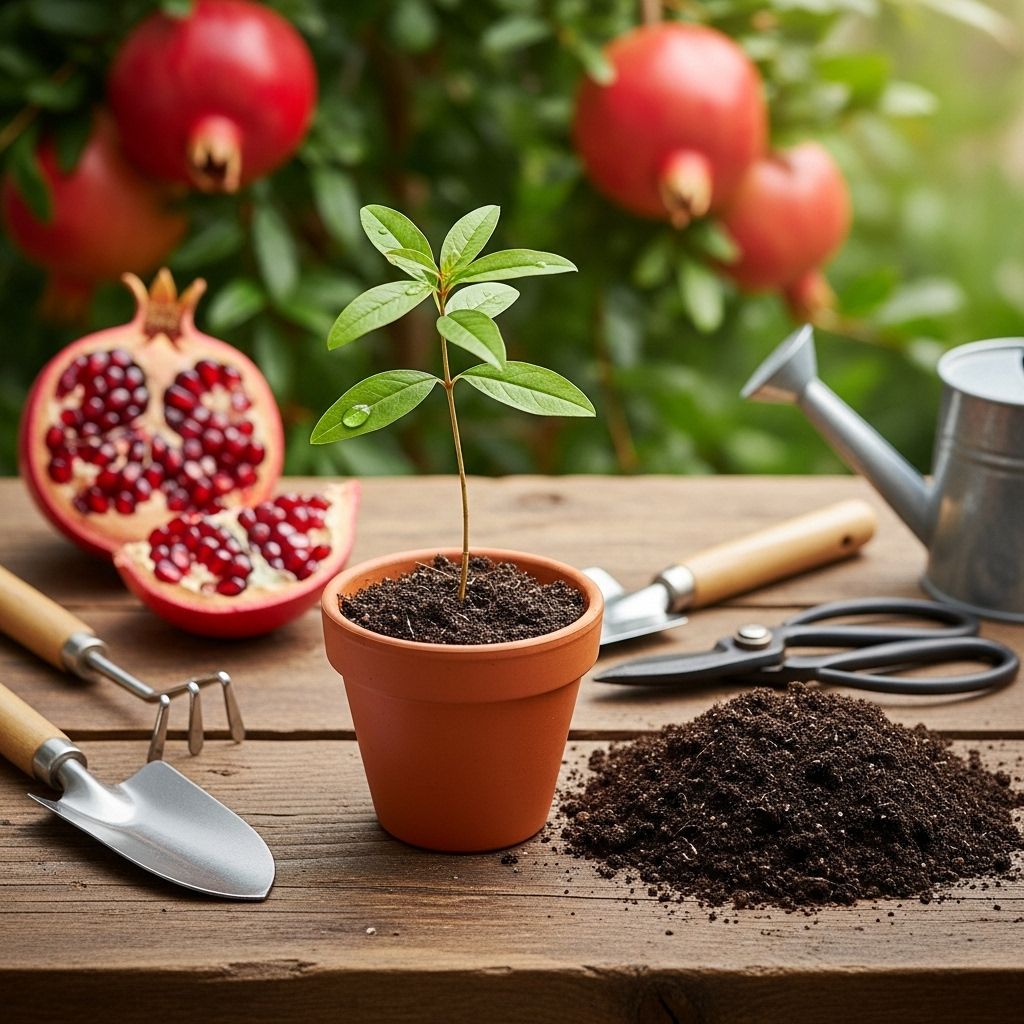
Growing Pomegranate Trees from Seeds
Pomegranates are prized for their vibrant fruit and attractive foliage, making them a favorite among home gardeners. While most commercial trees are propagated via cuttings, growing pomegranate trees from seeds is an accessible and rewarding process. With the right methods and care, you can nurture your own tree all the way from seed to fruit-bearing maturity. This guide covers each step in detail: preparing seeds, planting, germination, care, and critical FAQs.
Why Grow Pomegranates from Seed?
While propagation via cuttings can ensure desirable fruit characteristics, planting from seed is a fun and cost-effective way to start new trees—especially if you want to experiment or simply enjoy the process. Pomegranate seeds germinate readily under proper conditions and can yield vigorous plants. However, remember that seed-grown trees may not produce fruit identical to the parent, due to genetic variation.
Preparing Pomegranate Seeds for Planting
- Extracting Seeds: Begin by obtaining a fresh, ripe pomegranate. Make an incision around the top, then use gentle pressure to pop the top off like a lid. Next, score along the sectional lines—which follow the natural ridges—then gently pull apart the fruit to reveal the seeds (arils) nestled within .
- Removing the Aril: It’s critical to remove the juicy pulp (aril) from the seed. Pinch each seed between paper towels or a soft cloth to squeeze away the juice and pulp, then rinse thoroughly to avoid any sugary residue that might promote rot or fungal growth .
- Drying and Storing Seeds: Dry the cleaned seeds for at least 30 minutes to several hours to reduce the risk of mold. For later planting, refrigeration for up to a few weeks is possible; well-dried and stored seeds generally show improved germination rates .
Pro Tips
- Avoid planting seeds with pulp attached; these may rot before sprouting.
- Washed and dried seeds have better germination success.
- Optional: Soak cleaned seeds in warm water for a couple of hours before planting to further enhance germination.
Methods for Planting Pomegranate Seeds
There are two main approaches to planting pomegranate seeds: direct sowing in soil and the popular baggie method. Both can yield good results if you follow these guidelines.
Direct Sowing in Soil
- Choose a loose, well-draining potting mix. Best results are often seen with a blend of 80% potting soil and 20% coconut coir; the coir retains moisture, supporting germination .
- Fill a small container with this mix—ensure it has good drainage to avoid soggy roots.
- Plant the seed 1/2 inch (about 1-1.5 cm) deep. Cover lightly with soil .
- Water thoroughly after planting and keep the soil consistently moist, but never waterlogged. Water every 2–3 days, checking for dryness first .
The Baggie Method for Germination
- Wet a coffee filter and squeeze out excess water.
- Spread cleaned seeds over one quarter of the filter, then fold the filter into quarters.
- Place the folded filter into a sealable plastic bag.
- Store in a warm place (room temperature or above) and check every few days for signs of germination .
Comparing Planting Methods
| Method | Pros | Cons |
|---|---|---|
| Direct Soil Sowing | Simple setup, direct transfer to pot, less handling | Possible soil-borne pathogens, harder to observe germination |
| Baggie Method | Easy to monitor sprouting, good moisture retention | Extra step; seedlings must be transplanted after sprouting |
Temperature and Light for Germination
- Warm soil temperatures (75–85°F / 24–29°C) are ideal for germination . Raising the soil temperature a few degrees—using a heat mat, wrapping pot in foil, or direct sunlight—can speed up sprouting.
- At standard room temperature, expect sprouting in 30–40 days. Warmer conditions may cut this time in half .
- Seeds placed in bright, but indirect sunlight often sprout more vigorously.
Seedling Care: Transplanting and Early Growth
Once the seeds have sprouted, transplant them into small pots if you used the baggie method. For seedlings started in containers, allow several seeds per pot; when the seedlings are a few weeks old, thin by pinching off the weaker shoots, or gently transplant them to their own pots .
- Transplant seedlings when they reach 4 to 6 inches tall (10–15 cm); their root systems should be developed enough to withstand moving .
- Continue to keep the soil moist but avoid overwatering; water when the top inch of soil is dry.
- Provide plenty of indirect sunlight or place near a sunny window.
Long-Term Care and Expectations
| Stage | Timeline | Care Points | Expected Outcome |
|---|---|---|---|
| Sprouting | 2–6 weeks | Warmth, moisture | Seedlings appear |
| Seedling | 2–6 months | Light, regular watering | Healthy young plants |
| Transplanting outdoors | After last frost, when seedling is strong | Gradual acclimation to outdoor light | Growth acceleration |
| Fruit-bearing | 2–3 years | Nutrient-rich soil, pruning as needed | First flowers and fruit |
- Seed-grown pomegranate trees can flower within a year, with substantial flowering soon after .
- Most trees from seed will begin producing fruit in 2–3 years .
- Fruit quality may vary due to genetic diversity.
Common Pomegranate Seed Germination Issues & Solutions
- Rotting seeds: Make sure seeds are free from pulp and dried before planting.
- Slow or failed germination: Use fresh seed, ensure warmth and light, consider pre-soaking or using a root-enhancement product with indole-3-butyric acid (IBA) for improved results .
- Moldy seedlings: Ensure proper drainage, do not overwater, space seedlings to promote air circulation.
Enhancing Germination: Optional Treatments
- Root-enhancement Products: Dust seeds with commercial products containing at least 1000 ppm indole-3-butyric acid (IBA).
- Fungicide: Dusting with a fungicide such as Banrot® WP may reduce losses due to rot and fungal growth during germination .
Frequently Asked Questions (FAQs)
Q: Can I use any pomegranate fruit to grow a tree from seed?
A: Yes, both store-bought and home-grown pomegranates can be used, but remember that seed-grown trees may not produce fruit identical to the parent due to genetic variation .
Q: How long does it take for a pomegranate seed to sprout?
A: Seeds typically sprout in 2–6 weeks, depending on temperature and moisture; warmer conditions can reduce this to as little as two weeks .
Q: When will my pomegranate tree start bearing fruit?
A: Most seed-grown trees begin to flower and bear fruit in 2–3 years if given optimal conditions; some variability may occur based on genetics and growing conditions .
Q: Do I need to use any special soil to germinate pomegranate seeds?
A: A loose, well-draining potting mix is key; adding coconut coir can improve moisture retention and root health .
Q: Can I grow pomegranate seeds outdoors from the start?
A: It’s best to start seeds indoors to control protein temperature and moisture. Once seedlings are established and all danger of frost has passed, they may be transplanted outdoors.
Quick Reference: Step-by-Step Guide to Growing Pomegranate from Seed
- Select and open a ripe pomegranate. Extract seeds, removing all arils.
- Rinse seeds and dry for 30 mins–several hours.
- (Optional) Refrigerate or soak in warm water before planting.
- Plant seeds 1/2 inch deep in well-draining soil or prepare the baggie method.
- Maintain warmth (75–85°F) and moisture; water regularly.
- Wait 2–6 weeks for sprouts.
- Transplant seedlings to larger pots as they grow. Thin weaker plants.
- Gradually acclimate seedlings to sunlight before outdoor transplanting.
- Continue care; expect flowers and fruit in about 2–3 years.
Advanced Tips for Successful Pomegranate Seed Propagation
- Choose healthy, undamaged seeds for optimal results.
- Label pots or baggies with dates for easy tracking.
- Rotate pots for even light exposure; avoid leggy, weak seedlings.
- Once outdoors, monitor for pests like aphids and fungal diseases.
- Prune your tree for better shape and fruit production after its first year.
Pomegranate Seed Propagation vs. Cutting Propagation
| Factor | Seeds | Cuttings |
|---|---|---|
| Genetic Fidelity | Variable—offspring not true to type | True to parent—identical fruit |
| Time to Fruit | 2–3 years | 1–2 years |
| Cost/Ease | Low cost, easier for beginners | Requires established tree/cutting source |
Frequently Asked Questions (FAQs)
Q: Can pomegranate seeds be planted any time of year?
A: Seeds can be started any time indoors, but spring is ideal for transplanting seedlings outside.
Q: What pests may affect seedlings?
A: Aphids and spider mites are common. Control with neem oil or insecticidal soap as needed.
Q: How do I encourage faster germination?
A: Warm temperatures, moisture, and optional treatments with root-enhancement products help speed sprouting.
Q: Is the baggie method superior to soil sowing?
A: Both methods can work well; the baggie method lets you monitor germination more closely.
Q: How big will my seed-grown tree get?
A: Mature pomegranate trees from seed can reach 12–20 feet tall, though pruning can keep them smaller for containers or small gardens.
Conclusion
Growing your own pomegranate tree from seed is both straightforward and satisfying. From extracting and preparing seeds to nurturing seedlings and watching your plant mature and bear fruit, the entire process is an enriching journey. Whether you’re adding to your edible landscape or simply enjoying the thrill of propagation, pomegranates offer beauty, resilience, and reward for your gardening efforts.
Similar Articles





Read full bio of medha deb