Growing the Scaredy Cat Plant: Complete Guide to Coleus Canina Care
Discover how to propagate, cultivate, and benefit from Coleus canina—nature’s deterrent for unwelcome animals in your garden.
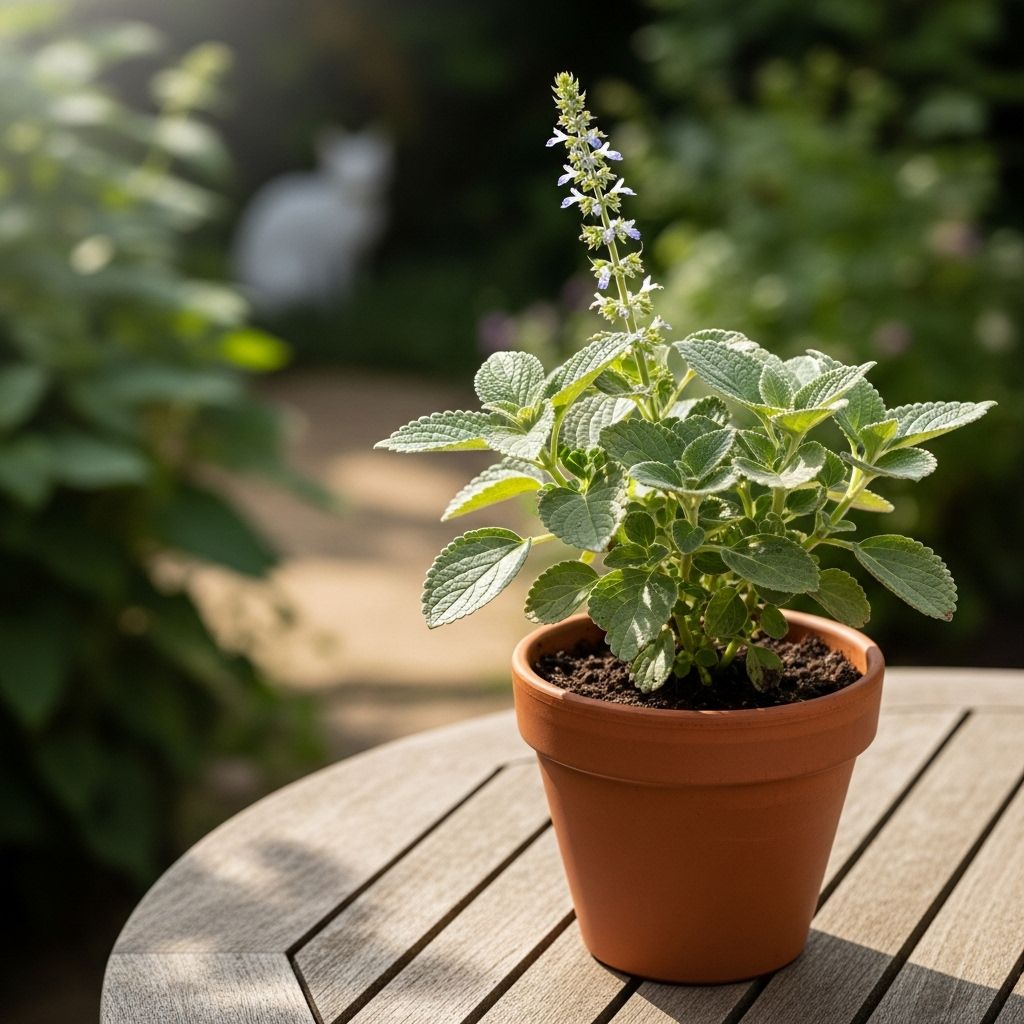
Growing the Scaredy Cat Plant: Coleus Canina Complete Care Guide
The Scaredy Cat Plant (Coleus canina), also known as Plectranthus caninus, is an ornamental perennial famed for its unique ability to deter cats and other mammals from gardens. This guide provides a comprehensive look at its characteristics, care, propagation, practical uses, and solutions to common problems—as well as frequently asked questions for gardeners considering this unusual but highly beneficial plant.
What Is the Scaredy Cat Plant?
The Scaredy Cat Plant is a frost-tender perennial native to Eastern and Southern Africa. It is a member of the mint family (Lamiaceae) and is renowned for:
- Pungent odor: Its leaves emit a strong, unpleasant smell, especially when bruised or touched, which acts as a repellent for cats, dogs, rabbits, and even foxes.
- Lush green foliage: The plant grows as a bush with rounded, scalloped, or slightly toothed edges, and can reach heights and spreads of about 40 cm (16 inches).
- Blue flowers: Through summer, it produces pale blue or violet-blue flowers resembling short lavender spikes.
Why Grow the Scaredy Cat Plant?
The main attraction of Coleus canina is its use as a natural animal deterrent. Its odorous compounds are reported to deter approximately two-thirds of cats, as well as a range of other mammals that otherwise favor using gardens as their personal area. However, effectiveness can vary between individual animals, so it is not considered a 100% fail-safe solution.
- Cat Deterrent: Especially useful for protecting flower beds and vegetable patches from neighborhood cats.
- Repels Dogs and Foxes: Suitable for deterring dogs, rabbits, and sometimes foxes, thanks to its strong smell.
- Ornamental Value: Offers attractive blue blooms and lush foliage through the growing season.
- Drought-Tolerant: Once established, it performs well in warm climates and tolerates dry spells.
Scaredy Cat Plant Profile
| Common Name | Scaredy Cat Plant, Scat Plant |
|---|---|
| Botanical Name | Coleus canina / Plectranthus caninus |
| Family | Lamiaceae (Mint family) |
| Height & Spread | Up to 40 cm (16 in.) both tall and wide |
| Flower Color | Pale blue to violet blue |
| Sun Exposure | Full sun to partial shade |
| Hardiness | Tender perennial (frost sensitive) |
How to Grow the Scaredy Cat Plant
Growing Coleus canina is a straightforward process suited to beginners and experienced gardeners alike.
Location and Light Requirements
- Sunlight: Prefers full sun to partial shade. Best results are seen with morning or filtered afternoon sun. Exposure to too much shade will reduce flowering and foliage vigor.
- Ideal Placement: Suitable for the front or middle of borders, beds, and containers. Choose an east, south, or west-facing position for optimal growth.
- Container Growing: Growing in pots allows easy relocation or overwintering indoors.
Soil and Planting Tips
- Soil Type: Thrives in a wide range of soils—well-drained is critical. It does well in light, sandy soils through to loam, but will also tolerate heavier soils if drainage is adequate.
- pH Tolerance: Highly adaptable except for extremely acidic or alkaline soils.
- Soil Preparation: Enrich average soil with compost or well-rotted manure for best results in borders and containers.
- Spacing: Allow approximately 2 feet (61 cm) between plants to encourage air circulation and room for spreading.
Watering and Moisture Needs
- Regular moisture: Keep soil evenly moist but not soggy in summer. Allow the top layer to dry before watering again. Once established, Coleus canina is relatively drought-tolerant.
- Winter watering: Water sparingly when overwintering or during cooler months—avoid waterlogging to prevent root rot.
Temperature and Seasonal Care
- Optimal Temperature: Enjoys warm conditions (ideally above 60°F / 16°C). Growth slows below 55°F (13°C).
- Frost Warning: Highly sensitive to frost. Don’t plant outdoors until all danger of frost has passed. Overwinter cuttings or potted plants indoors if you live in a cold climate.
- Overwintering: Bring potted plants inside or take cuttings and grow on windowsills or under grow lights for winter.
Propagation: How to Multiply Your Scaredy Cat Plants
Coleus canina can be propagated easily by stem cuttings or from seed. Each method has its advantages.
Propagation from Cuttings
- Take healthy stem cuttings (about 2 inches long), ensuring each has one or two leaf nodes.
- Place cuttings in moist potting medium or even just water—roots appear in days to weeks.
- Cover with a plastic dome to maintain humidity if rooting indoors.
- Once rooted, pot individually and gradually acclimate to outdoor conditions.
Propagation from Seed
- Sow seeds on the surface of moist growing medium, as light is needed for germination.
- Start seeds 8–12 weeks before your local last frost date.
- Maintain consistent warmth (around 70°F / 21°C) and humidity. Mist gently, do not overwater.
- Transplant seedlings after all danger of frost has passed.
Division
- Mature plants can be divided in spring to create new plants or rejuvenate overgrown specimens.
Routine Care and Maintenance
- Fertilizer: Minimal fertilizer is needed. Use a balanced, slow-release fertilizer or dilute liquid fertilizer every 2–4 weeks during active growth. Over-fertilization can suppress flower and leaf color.
- Mulching: Apply a light organic mulch in beds to moderate soil moisture and temperature.
- Pinching & Pruning: Regularly pinch tips and prune straggly or leggy stems to encourage bushy growth and prevent the plant from becoming sparse. Always wear gloves during pruning, as handling releases the plant’s odor.
- Deadheading: Remove fading flower spikes to keep the plant tidy and vigorous.
- Repotting: Refresh container-grown plants annually or as needed to prevent root congestion.
Creative Ways to Use Scaredy Cat Plants
- Border Planting: Place along the edges of flower or vegetable beds to create a natural deterrent barrier for cats, dogs, and other invaders.
- Container Gardens: Grow in pots to move plants as needed—perfect for patios and entrances you want to protect.
- Companion Planting: Combine with other deterrent or aromatic plants for layered scent effects.
Pests, Disease, and Troubleshooting
While generally trouble-free, Coleus canina may experience issues under adverse conditions.
- Root Rot: Caused by consistently soggy soil. Ensure good drainage and avoid excessive watering.
- Leaf Drop/Fading: Usually a sign of cold stress or overwatering. Allow soil to dry slightly between waterings and avoid exposure below 55°F (13°C).
- Pest Issues: Though resistant to browsing mammals, it can occasionally be affected by:
- Spider mites: Look for stippled leaves and fine webbing; treat with neem oil or insecticidal soap. Keep humidity levels up.
- Whiteflies: Cause yellowing leaves and sticky residue; use sticky traps or neem oil for control.
- Mealybugs: Appear as cottony masses; dab with rubbing alcohol or apply insecticidal soap.
- Slugs and snails: Can chew foliage if conditions are very damp. Employ copper tape, diatomaceous earth, or hand-pick if needed.
- Powdery Mildew: This fungal disease appears as a powdery white coating on leaves. Improve air circulation, avoid overhead watering, and remove affected leaves promptly. Treat with neem oil or potassium bicarbonate.
Tips for Healthy Growth
- Rotate container plants periodically to encourage even growth.
- Pinch flower buds if you prefer lush foliage rather than blooms.
- Take late-summer cuttings for easy overwintering on a sunny windowsill.
Frequently Asked Questions (FAQs) About Scaredy Cat Plants
Q: Does the Scaredy Cat Plant really deter all cats?
A: Research and anecdotal reports suggest that Coleus canina repels about two-thirds of cats. Its efficacy depends on the sensitivity of individual animals, so it is not perfectly reliable but is commonly effective.
Q: Is the odour noticeable all the time?
A: No; the strong, skunk-like odour is usually only released when the foliage is touched, bruised, or cut. Most humans only notice the smell when handling or pruning the plant.
Q: Is the plant harmful to pets or children?
A: The plant is non-toxic, but its strong smell makes it highly unpalatable to most animals and children. Always supervise children in garden areas, as contact with the foliage may irritate sensitive skin.
Q: How do I overwinter Scaredy Cat Plants in colder climates?
A: Bring container plants indoors before the first frost. Alternatively, take cuttings in late summer and grow them on a sunny windowsill or under grow lights until the following spring.
Q: Can the Scaredy Cat Plant be grown indoors all year?
A: Yes, provided it receives adequate sunlight or supplemental lighting. Good air circulation and a bright location are necessary for year-round indoor growth.
Q: Are gloves necessary when handling this plant?
A: Gloves are strongly recommended for pruning or pinching, as breaking the stems releases a very strong odour that can linger on skin and clothing.
Summary & Expert Tips
- Plant after the last frost, in a sunny, well-drained location.
- Water moderately during the growing season; avoid letting the soil dry out completely or become waterlogged.
- Pinch stems regularly to encourage dense growth and maintain a tidy shape.
- Use in pots to protect specific areas or to overwinter easily in colder regions.
- Don’t rely on it as a guaranteed animal deterrent—but consider integrating it with other strategies for best results.
With its easy care and natural repellent properties, the Scaredy Cat Plant can be a valuable addition to gardens plagued by animal invaders—or anyone seeking a low-maintenance, aromatic ornamental. Experiment with placement and observe its effects in your unique garden environment for the best results.
Similar Articles






Read full bio of Sneha Tete