Herbal Teas: From Garden to Teacup – A Complete Guide
Discover the joy of growing, harvesting, and brewing your own herbal tea garden
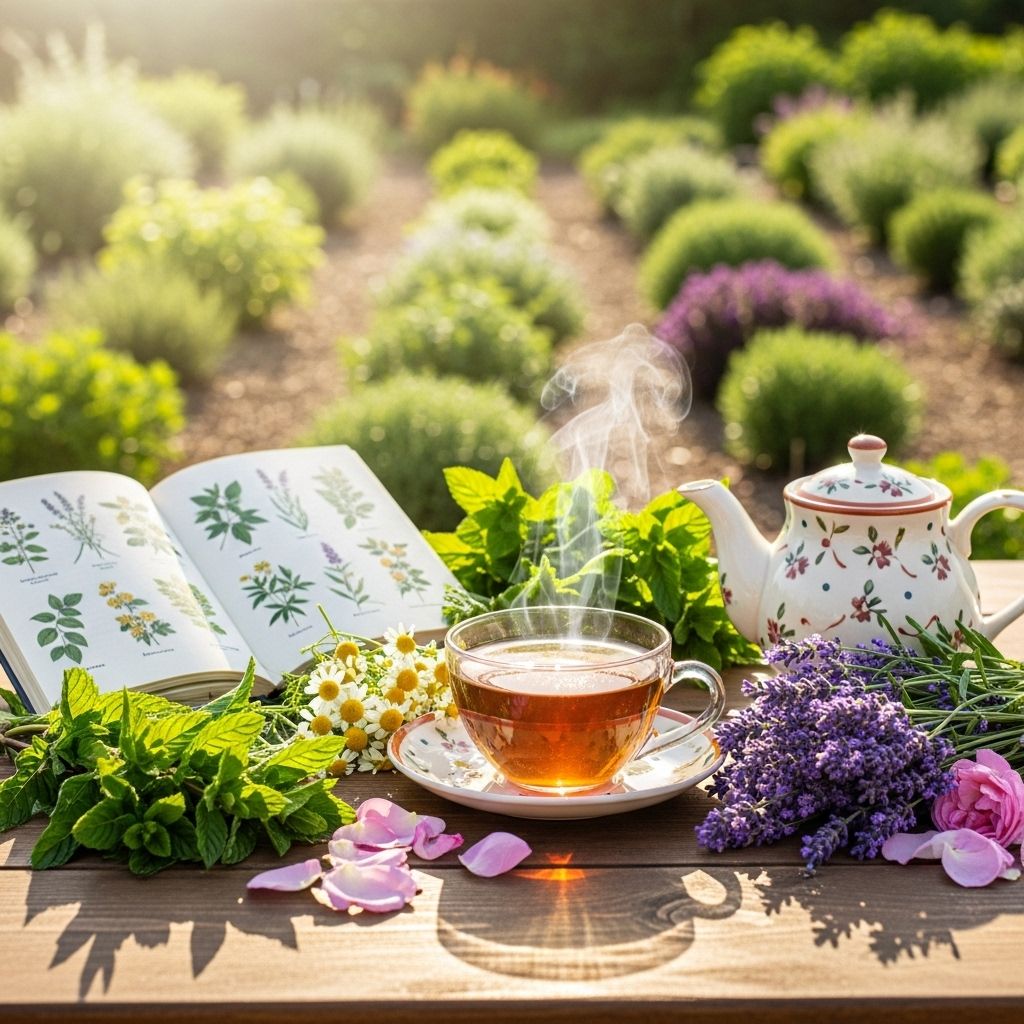
There’s something magical about stepping into your garden, plucking fresh herbs, and transforming them into a steaming cup of aromatic tea. Growing an herbal tea garden connects you directly to the plants that nourish and refresh you, offering flavors far superior to anything found in commercial tea bags. Whether you’re seeking the invigorating punch of peppermint, the soothing qualities of chamomile, or the bright citrus notes of lemon verbena, your garden can become a personal tea shop that produces year-round.
The beauty of an herbal tea garden lies in its accessibility. You don’t need extensive gardening experience or vast amounts of space to cultivate a diverse collection of tea herbs. A small corner of your yard, a section of your vegetable garden, or even a few containers on a sunny patio can provide enough herbs for countless cups of delicious, homegrown tea. The difference between store-bought tea bags and freshly harvested garden herbs is astounding—the vibrancy, aroma, and flavor intensity of homegrown herbs create an entirely different drinking experience.
Selecting the Perfect Herbs for Your Tea Garden
When planning your herbal tea garden, the first consideration should be your personal taste preferences. The most popular herbs for tea gardens include various mint varieties, lemony herbs, chamomile, and aromatic sages, but the possibilities extend far beyond these classics. Each herb brings its own unique flavor profile, medicinal properties, and growing requirements to your garden.
Mint varieties are perhaps the most beloved tea herbs, offering refreshing flavors that range from classic peppermint to more exotic variations. Peppermint delivers a cool, intense menthol flavor perfect for digestive support, while spearmint provides a gentler, slightly sweet taste. More adventurous gardeners might explore pineapple mint, apple mint, or orange mint, each offering fruity undertones that add complexity to tea blends. Mints are vigorous growers that thrive in full sun to partial shade and appreciate consistent moisture.
Lemon-flavored herbs bring brightness and vitality to any tea blend. Lemon balm creates a refreshing, citrusy tea with calming properties that make it ideal for evening relaxation. Lemon verbena offers an even more intense lemon flavor with a slightly sweet finish, making it excellent both hot and iced. These herbs prefer full sun and well-drained soil, though lemon balm tolerates partial shade better than lemon verbena.
Chamomile produces delicate, daisy-like flowers that brew into an apple-scented tea renowned for its soothing properties. Roman chamomile grows as a low, spreading groundcover with fernlike foliage that’s extremely aromatic, while German chamomile grows taller as an annual plant. Both varieties prefer full sun and well-drained soil, making them easy additions to any tea garden.
Sage varieties offer diverse flavor options depending on which type you choose. Pineapple sage creates a fruity, tropical-flavored tea from its leaves and bright red flowers, while common culinary sage produces a more savory, earthy brew. Rosemary, though technically not a sage, belongs to the same family and creates a piney, antioxidant-rich tea that’s both invigorating and medicinal. These woody herbs prefer full sun, excellent drainage, and minimal watering once established.
Beyond these staples, consider exploring bee balm, whose flowers and leaves create a tea resembling traditional China tea with orangy undertones. Catnip makes a surprisingly pleasant tea with calming properties. Scented geraniums offer an incredible range of flavors including peppermint, lime, chocolate, nutmeg, apricot, rose, and pineapple—all derived from their aromatic leaves rather than their flowers. Even alpine strawberry leaves can be steeped for tea, though most gardeners can’t resist topping their cup with the plant’s delicious berries.
Designing Your Herbal Tea Garden Space
One of the most appealing aspects of creating an herbal tea garden is that it requires minimal space. You can integrate tea herbs throughout your existing landscape, plant them in a dedicated garden bed, or grow them entirely in containers. The key is ensuring your herbs receive adequate sunlight—most tea herbs prefer at least six hours of direct sun daily—and have access to well-drained soil.
For those with limited ground space, container gardening offers an excellent solution. A few strategically placed pots on a sunny patio or balcony can produce abundant harvests throughout the growing season. Choose containers at least 12 inches deep with drainage holes, and use high-quality potting mix rather than garden soil. Group containers of complementary herbs together for easy harvesting and visually appealing arrangements.
If you’re creating a dedicated tea garden, consider designing it as a special retreat space where you can relax and reflect. The shape can be as simple or whimsical as you desire—some gardeners create formal geometric patterns, while others prefer informal cottage garden styles or even design their beds in the shape of teapots or teacups. A tea garden measuring 8 to 10 feet can comfortably accommodate 15 to 20 plants with generous spacing, providing ample herbs for regular tea drinking.
Creating a sense of enclosure enhances the peaceful atmosphere of a tea garden. This can be achieved through traditional hedges, decorative trellises, wooden fences, or even rows of large potted specimens that define the space. Include seating within or adjacent to your tea garden—a small table with chairs or a comfortable bench provides the perfect spot to enjoy your freshly brewed herbal infusions while surrounded by the plants that created them.
For gardens with walkways, consider planting low-growing, traffic-tolerant herbs like creeping thyme or Roman chamomile along the path edges. These herbs release their aromatic oils when gently crushed underfoot, adding a sensory dimension to your garden experience. Alternatively, create a checkerboard pattern alternating between stepping stones and herb plantings for both functionality and visual interest.
Planting and Establishing Your Tea Herbs
Most tea herbs are remarkably easy to establish and maintain, making them ideal for beginning gardeners. Start by selecting nursery plants or seeds of your chosen herbs, focusing on varieties specifically labeled for culinary or medicinal use to ensure the best flavor and safety.
Prepare your planting area by working compost into the soil to improve drainage and fertility. Interestingly, many Mediterranean herbs like rosemary and sage actually produce more concentrated essential oils and better flavor when grown in somewhat lean, rocky soil rather than overly rich conditions. These herbs have adapted to thrive in poor soils and hot, dry climates, so avoid over-fertilizing or over-watering them.
When planting, space herbs according to their mature size—mints and lemon balm spread aggressively and benefit from generous spacing or containment. Consider planting vigorous spreaders like mint in buried containers or dedicated sections where their enthusiastic growth won’t overwhelm more delicate neighbors. Woody herbs like rosemary and sage need room for their eventual size, which can reach several feet in height and width in favorable climates.
Water newly planted herbs regularly until they establish strong root systems, then adjust watering based on each plant’s preferences. Mediterranean herbs prefer drier conditions once established, while mints and lemon balm appreciate consistent moisture. Mulching around plants helps retain soil moisture, suppress weeds, and maintain cooler root temperatures during hot weather.
Once established, most tea herbs are remarkably drought-tolerant and require minimal maintenance. They’re generally pest-free and ignored by deer and gophers, making them reliable additions to any garden. Rosemary, in particular, is virtually carefree—requiring no feeding, minimal water, and thriving in full sun with excellent drainage.
Harvesting Herbs for Maximum Flavor
Proper harvesting technique significantly impacts the flavor and potency of your herbal teas. The goal is to capture herbs at their peak of essential oil production, which typically occurs just before flowering begins. During this stage, plants concentrate their aromatic compounds in preparation for reproduction, resulting in the most flavorful and medicinally active leaves.
Choose a sunny morning for harvesting, preferably after the dew has dried but before the day’s heat causes the plants to wilt. Morning is when herb oils are most concentrated and aromatic. Use clean, sharp scissors or pruning shears to cut stems rather than tearing or pulling, which can damage plants and invite disease.
For leafy herbs like mint, lemon balm, and bee balm, harvest entire stems by cutting just above a set of leaves. This pruning encourages bushier growth and more abundant future harvests. Remove no more than one-third of the plant at any single harvest to ensure continued healthy growth throughout the season.
For chamomile, harvest the flowers when they’re fully open but before they begin to fade or drop petals. Pinch or snip individual flower heads, leaving some behind to ensure continued blooming. With herbs like rosemary and sage, you can harvest stems throughout the growing season, though the most intense flavor comes from new growth.
Scented geranium leaves can be harvested individually as needed, gently plucking mature leaves from the plant. The same applies to alpine strawberry leaves, though you’ll want to leave plenty of foliage to support fruit production if you’re growing them for their berries as well as tea.
From Harvest to Teacup: Brewing Perfect Herbal Infusions
The moment you’ve been waiting for arrives when you transform your fresh garden herbs into delicious, aromatic tea. Fresh herbs create a vibrant, intensely flavored infusion that’s incomparable to dried herbs, though you can also dry and preserve your harvest for year-round enjoyment.
To brew fresh herbal tea, start with clean herbs rinsed gently under cool water to remove any soil or garden debris. For most herbs, use approximately one tablespoon of fresh leaves or flowers per cup of boiling water—adjust this ratio based on your taste preferences and the herb’s intensity. Tear or muddle the herbs slightly to release their essential oils before adding the hot water.
Pour boiling water over the herbs and cover the vessel immediately. Covering is crucial because it prevents the aromatic essential oils from escaping with the steam. These oils contain much of the herb’s flavor and medicinal properties, so trapping them in your tea maximizes both taste and benefits. Steep for 10 to 15 minutes for optimal flavor extraction, though you can adjust steeping time based on desired strength.
After steeping, strain the herbs from the liquid and pour your tea. Many herbal teas benefit from a touch of honey, which complements the herbs’ natural flavors and adds its own therapeutic properties. A wedge of fresh lemon enhances citrusy herbs like lemon balm and lemon verbena, while a sprig of fresh mint makes an attractive and aromatic garnish.
Don’t limit yourself to single-herb teas—some of the most delicious infusions come from thoughtful blending. A combination of rosemary, peppermint, and lemon verbena creates a mood-boosting, stress-relieving, antioxidant-rich blend that also aids digestion. This trio works beautifully both as a hot evening tea and as a refreshing iced beverage for midday enjoyment. Experiment with different combinations to discover your favorite blends, keeping notes on ratios and results.
For iced tea, brew your infusion double-strength to account for dilution from ice. After straining, cool the tea to room temperature before refrigerating. Pour over ice and garnish with fresh herb sprigs and citrus slices for an elegant, refreshing drink.
Preserving Your Herbal Tea Harvest
While fresh herbs provide the most vibrant flavor, drying allows you to enjoy your tea garden’s bounty throughout the year, especially in climates where herbs die back during winter. Proper drying techniques preserve both flavor and medicinal properties for months of enjoyment.
The key to successful herb drying is removing moisture quickly while maintaining low temperatures that preserve essential oils. Avoid drying herbs in direct sunlight, which can bleach them and degrade their aromatic compounds. Instead, bundle small groups of stems together and hang them upside down in a warm, dry, dark location with good air circulation. Alternatively, spread individual leaves or flowers on screens or drying racks in a single layer.
Herbs are fully dried when they crumble easily between your fingers but haven’t turned to powder. This typically takes one to two weeks depending on humidity levels and the herb’s moisture content. Once dried, remove leaves from stems and store whole rather than crushed—this preserves their essential oils longer. Place dried herbs in airtight containers away from light and heat, labeling each with the herb name and drying date.
When brewing tea with dried herbs, use approximately half the amount you would use fresh, as drying concentrates flavors. One to two teaspoons of dried herbs per cup of boiling water typically provides good flavor, though adjust based on personal preference and the herb’s intensity.
Maintaining Your Tea Garden Organically
Since you’ll be consuming herbs from your tea garden, organic growing practices are essential. Avoid synthetic pesticides, herbicides, and chemical fertilizers that could leave residues on plants you’ll be ingesting. Fortunately, most tea herbs are naturally resistant to pests and diseases, making organic cultivation easy and practical.
Build healthy soil through regular additions of compost rather than relying on synthetic fertilizers. Compost provides slow-release nutrients while improving soil structure, water retention, and beneficial microbial activity. A light topdressing of compost once or twice during the growing season provides all the nutrition most tea herbs require.
Practice crop rotation if you’re replanting annual herbs like chamomile, avoiding planting the same herb family in the same location year after year. This reduces pest and disease pressure while preventing soil nutrient depletion. Companion planting—growing compatible herbs together—can enhance growth and flavor while naturally repelling pests.
Water at the soil level rather than overhead to minimize fungal disease risk. Drip irrigation or soaker hoses work well for tea gardens, delivering water directly to root zones while keeping foliage dry. Mulching around plants helps retain moisture, regulate soil temperature, and suppress weeds without chemicals.
Creative Tea Garden Design Elements
Adding whimsical or decorative elements transforms your tea garden into a personalized sanctuary. Tea-themed garden ornaments create visual interest while reinforcing the space’s purpose and personality. Vintage teacups attached to garden stakes make charming, functional plant markers—simply write herb names on weather-resistant tags and place them in the cups.
Old teaspoons can edge garden beds when pressed partway into the soil at regular intervals, their handles creating a silvery border that catches light. Mismatched saucers turned on end and partially buried create unusual edging with character and history. A weathered teapot planted with trailing herbs becomes a living centerpiece that embodies the garden’s theme.
Consider the vertical dimension as well—trellises or obelisks provide support for climbing varieties while adding height and structure to the garden. Even in small spaces, vertical growing expands planting capacity and creates visual drama. Paint these structures in colors that complement your herbs’ foliage and flowers.
Pathways through or around your tea garden deserve attention too. Stepping stones interspersed with groundcover herbs create an interactive experience where every step releases aromatic scents. Gravel paths provide excellent drainage while crunching pleasantly underfoot, adding an auditory element to your garden experience.
Seasonal Care and Winter Considerations
Understanding the seasonal needs of your tea herbs ensures year-round success. Many popular tea herbs are perennials that return each year, while others are grown as annuals or may require special winter protection depending on your climate.
In temperate climates, perennial herbs like mint, lemon balm, bee balm, and chamomile die back to the ground in fall but return vigorously in spring. Cut back dead foliage in late fall or early spring and apply a layer of compost or mulch to protect roots during winter freezes. These cold-hardy herbs require no special winter care beyond basic tidying.
Mediterranean herbs like rosemary and sage are evergreen in mild climates (zones 8-10) but may need protection or winter quarters in colder regions. In borderline zones, mulch heavily around plants and provide windbreaks to prevent winter damage. Where these herbs cannot survive winter outdoors, grow them in containers that can be moved to protected locations during cold months, or take cuttings in fall to root indoors for spring replanting.
Tender perennials like lemon verbena and scented geraniums must be brought indoors before frost in most climates. Treat them as houseplants during winter, placing them in sunny windows and reducing water as their growth slows. These plants often enter semi-dormancy indoors, requiring minimal care until spring’s longer days trigger new growth.
Health Benefits and Medicinal Properties
Beyond their delicious flavors, many tea garden herbs offer significant health benefits and medicinal properties that have been valued for centuries. While modern tea drinkers primarily enjoy these herbs for taste, understanding their therapeutic qualities adds another dimension to your tea garden experience.
Peppermint tea aids digestion, relieves nausea, and can help ease headaches through its menthol content. Chamomile provides calming, anti-inflammatory benefits that promote relaxation and improve sleep quality. Lemon balm reduces stress and anxiety while supporting digestive health and cognitive function.
Rosemary contains powerful antioxidants that support brain health, memory, and concentration. Its anti-inflammatory properties may help reduce pain and support immune function. Sage offers similar antioxidant benefits along with antimicrobial properties that have traditionally been used for sore throats and oral health.
When growing herbs for medicinal purposes, the quality of your growing practices becomes even more important. Organic cultivation ensures you’re not ingesting pesticide residues along with beneficial compounds. The freshness of homegrown herbs means higher levels of active constituents compared to herbs that have traveled long distances and sat on store shelves.
Frequently Asked Questions
Q: How much space do I need for an herbal tea garden?
A: Very little space is required—a tea garden can be as small as a few containers on a patio or as large as a dedicated 10×12 foot bed. Even a small collection of 3-5 herb plants provides enough leaves for regular tea drinking.
Q: Can I grow tea herbs indoors?
A: Yes, many tea herbs grow successfully indoors in sunny windows. Mint, lemon balm, and small rosemary plants adapt well to container culture indoors, though they produce more abundantly outdoors during the growing season.
Q: Should I use fresh or dried herbs for tea?
A: Fresh herbs provide the most vibrant flavor and highest levels of beneficial compounds. However, dried herbs offer convenience and year-round availability. Use approximately twice as much fresh herb as dried when brewing tea.
Q: How do I prevent mint from taking over my garden?
A: Mint spreads aggressively through underground runners. Plant mint in buried containers (leaving the rim 1-2 inches above soil level) or dedicate a separate bed where its spreading won’t overwhelm other plants.
Q: When is the best time to harvest herbs for tea?
A: Harvest on sunny mornings after dew has dried but before the day’s heat, ideally just before plants flower. This is when essential oil concentration is highest, providing maximum flavor and medicinal properties.
Q: Are herbal teas safe for everyone?
A: While most common tea herbs are safe for adults, pregnant women, nursing mothers, and people taking medications should consult healthcare providers before consuming medicinal quantities of herbal teas, as some herbs can interact with medications or affect certain conditions.
Q: How long do dried herbs maintain their flavor?
A: Properly stored dried herbs (in airtight containers away from light and heat) maintain good flavor for 6-12 months. After this time, they’re still safe to use but may lose aromatic intensity and require larger quantities for brewing.
Q: Can I mix different herbs together in the same garden bed?
A: Yes, most tea herbs grow well together as long as you group plants with similar water and sunlight requirements. Keep moisture-loving mints separate from drought-preferring Mediterranean herbs like rosemary and sage.
Similar Articles



Read full bio of Sneha Tete