How Often to Water an Aloe Vera Plant for Vibrant, Long-Lived Growth
Master the art of watering aloe vera for robust, healthy growth with science-backed care tips for every season and setup.
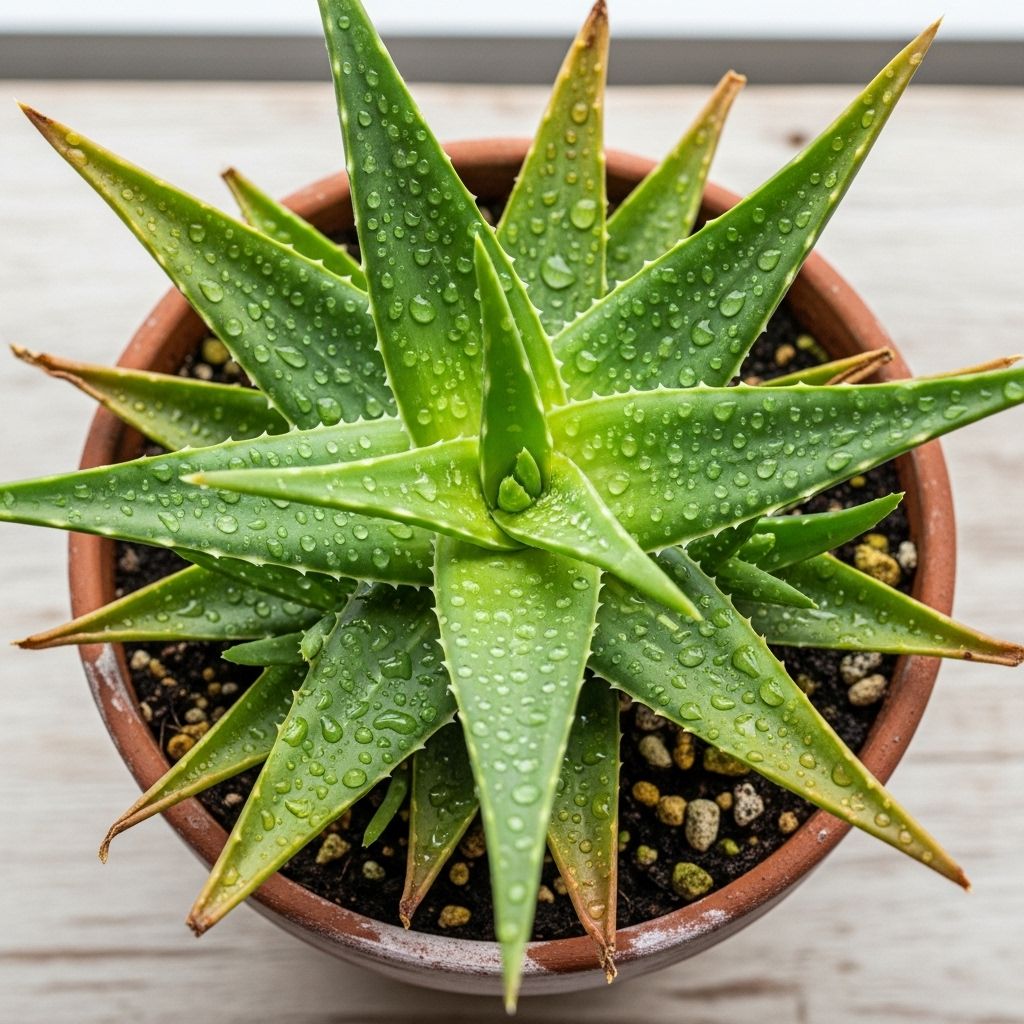
How Often to Water an Aloe Vera Plant – For Healthy Growth
Aloe vera is celebrated for its ease of care and medicinal qualities, yet one of the most crucial—and misunderstood—aspects of keeping it healthy is how often to water. This guide offers step-by-step instructions, expert insights, and answers to common questions, ensuring you give your aloe proper hydration without risking root rot or stunted growth.
Understanding Aloe Vera’s Watering Needs
The aloe vera plant is a succulent, adapted to survive in arid environments by storing water in its thick, fleshy leaves. While this makes aloe drought-tolerant, it doesn’t mean you can forget about watering entirely. Striking the right balance is crucial: overwatering can cause fatal root rot, while underwatering leads to limp, puckered leaves and sluggish growth.
Healthy aloe leaves should appear plump and upright; when they’re drooping or wrinkled, your plant is signaling a problem.
How Often to Water Aloe Vera: General Guidelines
- During Active Growth (Spring & Summer): Water approximately once per week, but only if the soil is dry at least 3–4 inches (8–10 cm) below the surface.
- Dormant Period (Fall & Winter): Reduce watering to every 2–4 weeks, or about half as often as in the growing months.
- Always test the soil: Use the “finger test”—insert your finger down to the second knuckle; if the soil is dry at this depth, it’s time to water.
- Never rely solely on the calendar; environmental factors like humidity, light, and temperature affect water needs.
Quick Reference Watering Table
| Season | Watering Frequency | Key Instruction |
|---|---|---|
| Spring / Summer | Every 7–14 days (weekly) | Only when top 3–4 in. (8–10 cm) of soil is dry |
| Fall / Winter | Every 2–4 weeks | Reduce, let plant rest; soil must be dry |
Critical Signs: Is Your Aloe Vera Overwatered or Underwatered?
- Overwatered Aloe:
- Mushy, soft, or brown leaves
- Foul smell from soil (indicates root rot)
- Leaves may turn black at the base and detach easily
- Underwatered Aloe:
- Puckered, wrinkled, or crisp leaves
- Leaf tips turning brown and dry
- Slowed or stunted growth
Why Overwatering Is the Top Aloe Killer
Unlike most houseplants, aloe vera’s roots are extremely sensitive to prolonged moisture. Root rot occurs when roots stay wet, inhibiting air exchange and encouraging fungal infections. This is why drainage is essential—let the soil dry fully between waterings.
Step-by-Step: How to Water Aloe Vera Correctly
- Check soil moisture. Insert your finger 3–4 inches down. If dry, proceed to water. If not, wait another few days.
- Water thoroughly. Pour water around the soil surface until it drains from the pot’s bottom. Avoid splashing water directly on the leaves.
- Let excess moisture drain. Never leave the pot sitting in water; empty trays or saucers after watering.
- Return the plant to its location. Ensure it’s not exposed to draft or low temperatures immediately after watering.
Tip: Deep, infrequent watering is better than shallow, frequent watering. This encourages strong root growth and reduces salt buildup.
How to Water: Top vs. Bottom Methods
Gardeners debate whether to water from the top (pouring water onto the soil) or bottom (letting the plant soak up water from a tray). Either method can work if done correctly:
- Top-watering: Pour water slowly at the base to avoid splashing the leaves, which can introduce disease.
- Bottom-watering: Set the pot in a shallow tray of water for 10–20 minutes until the soil is moist up to the roots, then remove and drain thoroughly.
For both methods, ensuring proper drainage is more important than the method used.
Container and Soil: Maximizing Drainage
- Pot Choice:
- Use an unglazed clay or terracotta pot with drainage holes to facilitate evaporation and prevent waterlogging.
- Glazed ceramic or plastic containers retain more moisture and are more likely to cause soggy roots.
- Soil Mix:
- Replicate aloe’s native, sandy habitat with a cactus/succulent potting mix—well-draining, airy, and low in organic matter.
- If your mix retains too much water, amend it with perlite, pumice, or coarse builder’s sand (not play sand) for added drainage.
- Never use garden soil or regular houseplant soil unamended—these retain excess water.
Seasonal Adjustments: Water Needs Change Throughout the Year
Plants slow their growth during cooler months. In winter, aloe enters a semi-dormant state and should be watered less often—about half as frequently as in active seasons. Always base decisions on soil dryness, not the calendar.
Aloe Vera Plant Watering for Different Growing Environments
- Indoors: Light is typically lower, and water evaporates more slowly. Stick to the finger test and let pots drain freely.
- Outdoors (in warm climates): Plants may require slightly more frequent watering due to increased sun and wind, but always let the soil fully dry in between.
Other Watering Tips & Best Practices
- Use room temperature, filtered or distilled water if your tap water is high in salts or minerals. This helps prevent buildup harmful to succulents.
- Fertilize sparingly: Diluted liquid fertilizer can be added monthly during spring and summer only, never in winter or when plants are stressed.
- Keep leaves dry: Splashing water on the leaves encourages rot and disease.
- Rotate your plant: To ensure even lighting and balanced growth, rotate your aloe every couple of waterings.
Troubleshooting Common Watering Problems
| Problem | Sign/Symptom | Solution |
|---|---|---|
| Overwatering | Yellow, mushy leaves; root rot | Remove from wet soil, cut off affected roots, repot in dry succulent mix |
| Underwatering | Puckered, wilted leaves | Water deeply, but allow soil to dry between future waterings |
| Poor Drainage | Constantly wet soil, slow growth | Check for drainage holes; amend/switch potting mix |
| Water Quality | Brown leaf tips, white crust on soil | Switch to filtered or distilled water |
Frequently Asked Questions (FAQs)
Q: Should I let my aloe completely dry out before watering?
A: Yes, always let the top 3–4 inches of soil dry out before rewatering. Unlike many houseplants, aloe prefers soil that is dry between waterings to avoid root rot.
Q: Can I water aloe vera on a schedule?
A: While an average guideline is once per week (summer) and once every 2–4 weeks (winter), always check the actual soil moisture first. Environmental factors may speed up or slow down drying.
Q: How can I tell if my aloe needs more or less water?
A: Plump, upright leaves mean your plant is hydrated. Limp, wrinkled, or thinning leaves mean more water is needed, while soft, mushy, or brown leaves point to overwatering.
Q: Is it okay to use tap water?
A: If your tap water is high in minerals, chlorine, or salts, use filtered or distilled water. Sensitive aloes can develop brown leaf tips or stunted growth from water impurities.
Q: Should I water from the top or bottom?
A: Either method can work, but always ensure water fully saturates the soil and excess drains away. Avoid letting water sit on leaves or at the bottom of the pot.
Aloe Vera Watering Best Practices Summary
- Test soil before watering—wait until it dries at least 3–4 inches deep.
- Water deeply, less frequently; let excess drain.
- Reduce frequency in winter when plant is dormant.
- Use a well-draining, sandy mix and a pot with holes.
- Keep leaves dry, avoid overwatering and standing water.
Mastering these watering techniques can help your aloe vera flourish for many years, rewarding you with vibrant growth, thick gel-filled leaves, and resilience against disease.
Similar Articles




Read full bio of Sneha Tete