How to Grow and Care for Dianthus Flowers
Explore the history, varieties, planting tips, and long-lasting charm of the classic Dianthus in your garden.
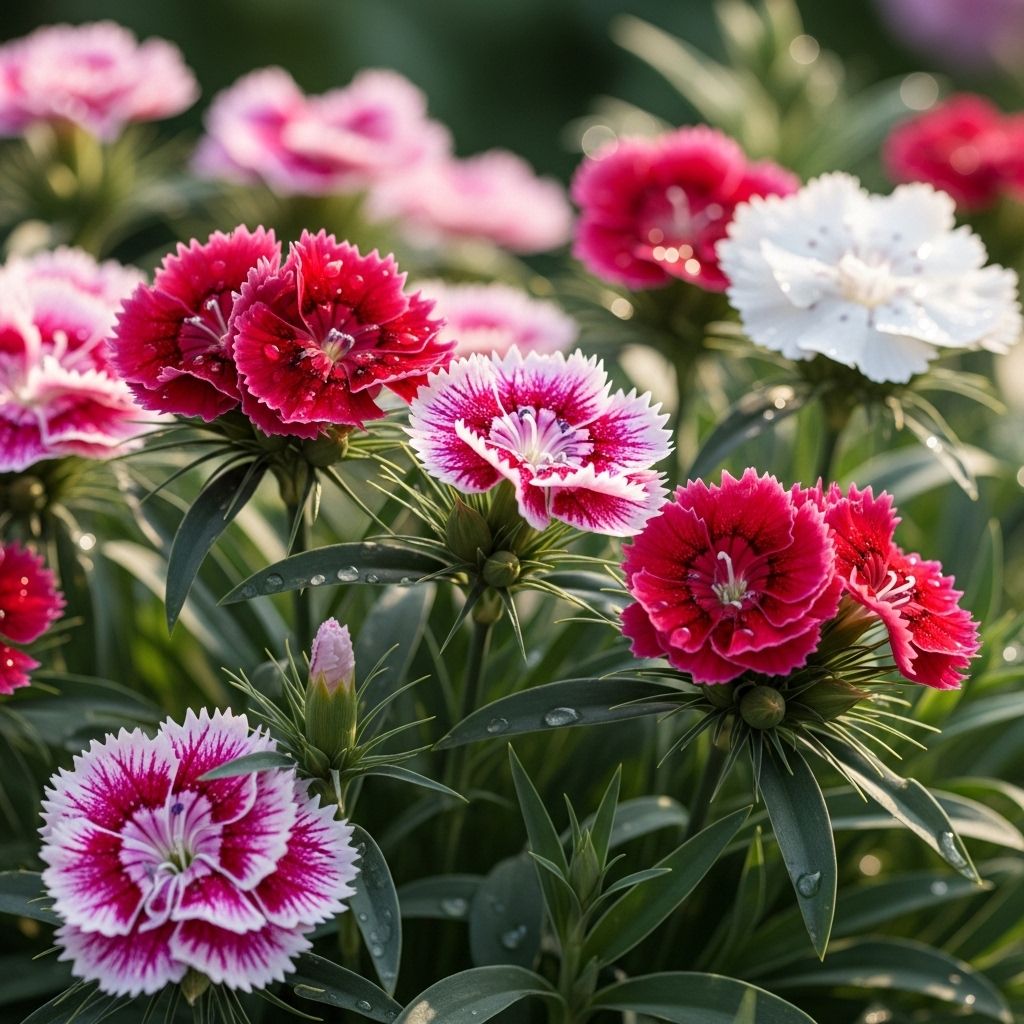
Dianthus: Planting, Growing, and Enjoying a Timeless Garden Favorite
Dianthus, commonly known as pinks, sweet william, or carnations, are cherished by gardeners for their beautiful, frilled blossoms, enchanting fragrance, and versatile garden value. With hundreds of species and cultivars, Dianthus plants bring enduring color, texture, and scent to borders, containers, and cutting gardens. This guide covers every facet of growing Dianthus, from botanical background to optimal planting and seasonal care, ensuring your flowers thrive across the seasons.
About Dianthus
Dianthus derives its name from the Greek words dios (divine) and anthos (flower), a fitting tribute to its heavenly appearance and scent. These classic garden plants are native to Europe and Asia, and have graced landscapes for centuries.
- Common Names: Pinks, Carnations, Sweet William
- Botanical Name: Dianthus spp.
- Family: Caryophyllaceae
- Origin: South, central, and eastern Europe, as well as northern Asia and Japan
- Plant Type: Annual, biennial, or perennial, depending on species and climate
Dianthus flowers are celebrated for their sometimes spicy, clove- or cinnamon-like fragrance and serrated petal edges that look as though they’ve been cut with pinking shears.
Key Features of Dianthus
| Characteristic | Description |
|---|---|
| Flower Colors | Pinks, reds, whites, yellows, and even occasional mahogany or orange shades |
| Foliage | Narrow, blue-gray or gray-green, usually linear or lance-shaped leaves |
| Bloom Time | Spring to summer (may continue into fall in mild climates) |
| Height & Width | 4 to 36 inches tall, 6 to 30 inches wide (varies by species and cultivar) |
| Growth Habit | Mats, tufts, or low-growing mounds; some taller, branching forms |
| Hardiness Zones | USDA zones 3-11, depending on variety |
The Main Types of Dianthus
With over 300 species and countless varieties, Dianthus offers something for every gardener. The most common garden forms include:
- Garden Pinks (Dianthus plumarius): Low-growing, forming mats; classic blue-gray foliage and frilled pink or white petals.
- Sweet William (Dianthus barbatus): Biennials or short-lived perennials; upright stems with colorful clusters (often red, pink, white); popular for cutting.
- Carnation (Dianthus caryophyllus): Well-known for large, ruffled, fragrant flowers commonly grown for the commercial cut flower market.
- China Pinks (Dianthus chinensis): Annuals in most climates; compact, floriferous, and heat-tolerant.
Where to Plant Dianthus
- Sunlight: Thrives in full sun; tolerates light shade (flowering may decrease in shade).
- Soil: Prefers neutral to slightly alkaline, well-drained soil. Dianthus struggles in heavy clay or waterlogged soils.
- pH: Neutral to slightly alkaline (6.5–7.5 favored)
- Spacing: Allow 6 to 24 inches between plants, depending on mature size and variety. Refer to plant labels for best results.
- Position: Ideal for borders, rock gardens, containers, and as edging plants.
When and How to Plant Dianthus
Best results are achieved by matching planting times to both your growing zone and the Dianthus type selected:
- Indoors: Start seeds 8–12 weeks before the last frost in spring. Use seed trays in a bright window or under grow lights.
- Outdoors:
- Annuals: Sow in late fall or very early spring in mild zones (8–11); in early spring in cooler zones (3–7).
- Biennials: Sow in early to late summer for cool zones, or fall in zones 9–11.
- Perennials: Plant in spring or fall (mild climates) or in spring (cold climates).
- Seeds: Sow 1 inch apart and cover lightly with 1/8 inch of fine soil. Keep at 70–75°F until germinated (usually within 5–10 days). Thin seedlings to avoid crowding.
- Transplants: Set out when frost danger is past, keeping the crown just above soil level. Handle young plants gently.
Planting and Spacing Tips
- Soil Preparation: Improve drainage by working in sand, grit, or organic matter if soil is heavy.
- Water: Water transplants well at planting. Thereafter, water only when the top inch of soil dries out. Dianthus tolerates moderate drought but dislikes ‘wet feet’.
- Mulch: Avoid thick mulch directly around the stems, which can trap moisture and lead to rot.
- Spacing: Check mature sizes for spacing recommendations—small species can be spaced 6 inches apart; large ones may need up to 24 inches.
How to Care for Dianthus
- Sun and Air: Provide at least 6 hours of sun daily and good air circulation to avoid fungal disease.
- Watering: Water deeply but infrequently—about 1 inch per week, ideally at the base of the plant.
- Fertilizer: Apply a light dose of balanced, slow-release fertilizer once in spring for established plants.
- Deadheading: Remove spent blooms regularly to encourage further flowering and prevent unwanted self-seeding.
- Pruning: Lightly trim or shear after the main flowering flush to tidy plants and promote possible re-bloom.
- Winter Care: In cold climates, lightly mulch with straw or pine needles after the first freeze. Cut foliage back in late winter for new growth.
- Weeding: Keep the area weed-free to reduce competition and improve aesthetics.
Common Problems and Solutions
- Fungal Diseases: Watch for signs of leaf spots, mildew, or rot. Improve air flow, avoid overhead watering, and plant in well-drained soil.
- Root Rot: Usually caused by soggy soil. Amend soil and ensure proper drainage; avoid overwatering.
- Aphids and Slugs: These pests can occasionally cause damage. Use insecticidal soap or hand-pick as needed.
- Yellowing Leaves: Often a result of water stress or poor soil. Assess soil quality and watering routine.
How to Propagate Dianthus
- Seed: Easily started from seed, sown indoors or outdoors as described above.
- Division: Established perennial clumps can be divided every few years in early spring or fall for vigor and increased blooms.
- Cuttings: Root non-flowering shoots in sand or perlite in late spring or summer to clone favorite varieties.
Design Ideas and Garden Uses
- Edging: Low-growing varieties make striking borders for pathways and beds.
- Containers: Compact types excel in patio pots or window boxes.
- Cottage Gardens: Perfect for informal, traditional garden schemes alongside other old-fashioned favorites.
- Cut Flowers: Sweet William and carnations are staples for bouquets thanks to their long stems and persistence.
- Rock Gardens: Mat-forming species thrive in rocky, well-drained spots.
Recommended Varieties
- ‘Firewitch’: An award-winning, bright magenta-pink, mat-forming pink with silvery foliage.
- ‘Sweetness’: A sweet William cultivar known for vivid bi-color blooms and strong fragrance.
- ‘Double Bubble’: China pink type with frilled, double baby-pink flowers.
- ‘Chabaud Mix’: Popular for cut flower displays; large, ruffled carnation blooms in a range of hues.
Seasonal Calendar for Dianthus
| Season | Tasks |
|---|---|
| Early Spring | Start seeds indoors, prep planting bed, plant new transplants |
| Late Spring | Plant seedlings/transplants outdoors after last frost; water and mulch as needed |
| Summer | Deadhead spent flowers; ensure steady watering in dry spells; watch for pests |
| Fall | Plant for next year in mild zones; divide established plants; light pruning |
| Winter | Mulch cold climate beds after ground freezes; clean up old foliage late winter |
Frequently Asked Questions (FAQs)
Q: Can Dianthus survive frost?
A: Many Dianthus varieties are frost-tolerant, particularly perennial and biennial species; however, it is wise to protect young or tender plants from severe freezes.
Q: Why are Dianthus also called ‘pinks’?
A: The term ‘pinks’ refers to the fringed or serrated petal edges, which look as though they’ve been trimmed with pinking shears, not solely to flower color.
Q: How long do Dianthus bloom?
A: Most varieties bloom from late spring through summer, with some reblooming periodically if deadheaded and cared for properly.
Q: Are Dianthus deer-resistant?
A: Dianthus is generally unpalatable to deer due to its spicy fragrance, making it a good choice for gardens visited by wildlife.
Q: Can Dianthus grow in containers?
A: Yes. Compact and smaller varieties especially thrive in containers or window boxes, provided they receive full sun and the potting mix drains well.
Quick Care Summary
- Sun: 6+ hours/direct
- Soil: Neutral/slightly alkaline, well-drained
- Water: Regular, but avoid soggy soil
- Deadhead: For repeat bloom
- Pests: Rarely serious; watch for slugs and aphids
Conclusion: Why Choose Dianthus?
Whether you desire low-edging charmers for your path, bold-cut flower stems, or a fragrant accent in your container displays, Dianthus brings beauty and resilience to the garden. With the right care—sunlight, proper drainage, and deadheading—these classic perennials and annuals reward you with color, perfume, and lasting garden memories year after year.
Similar Articles





Read full bio of medha deb