How to Grow Lemongrass Indoors: A Complete Guide for Urban Gardeners
Discover step-by-step techniques for growing fragrant, flavorful lemongrass indoors, from propagation to harvest.
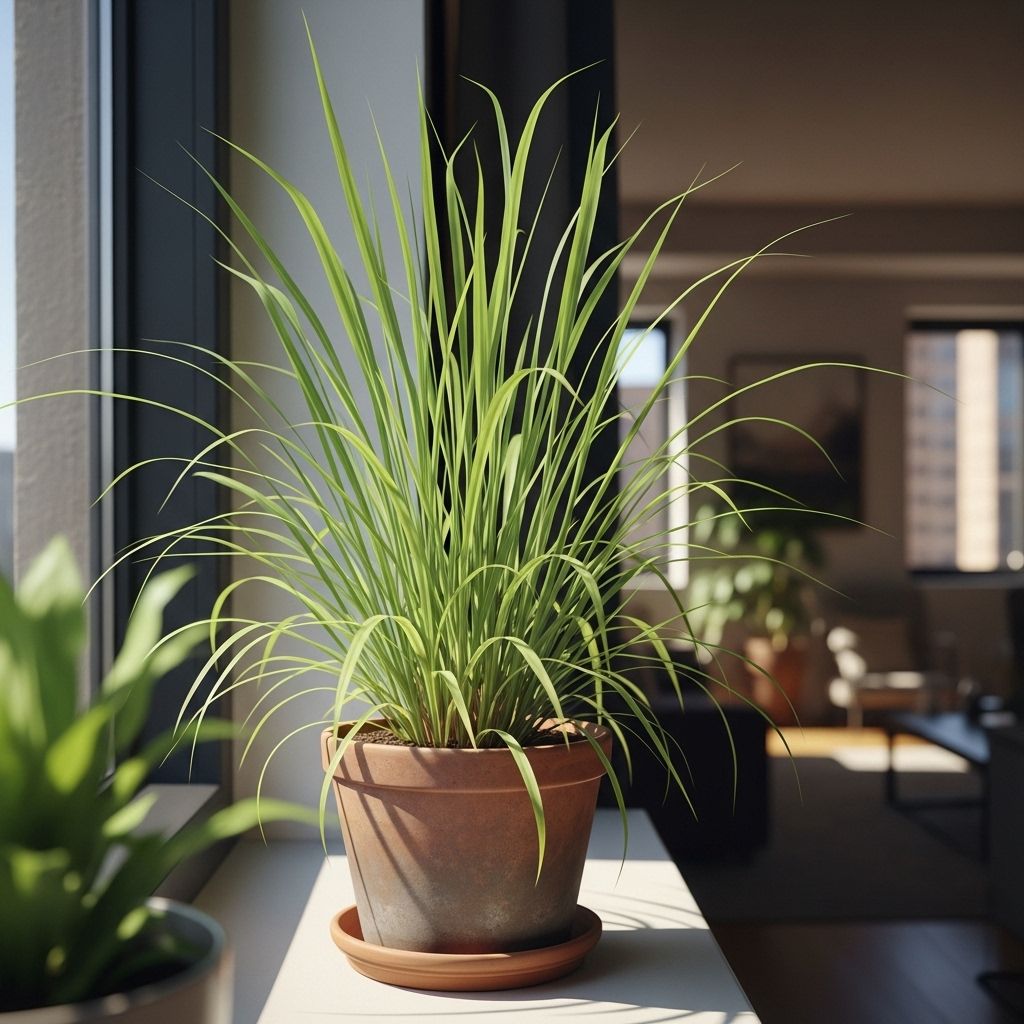
Introduction
Lemongrass is a tropical herb prized for its citrusy aroma and versatility—from culinary uses to tea and traditional medicine. Though native to warm climates, it can thrive indoors with proper care, making it an excellent choice for urban gardeners and those in colder regions. This guide covers everything you need to know to successfully grow lemongrass indoors, from choosing the right container to harvesting and using your crop.
Why Grow Lemongrass Indoors?
- Fresh, aromatic herb: Enjoy lemongrass year-round, regardless of outdoor climate.
- Easy propagation: Lemongrass regrows after cutting, providing a continuous harvest.
- Ornamental appeal: Its graceful, grassy foliage adds greenery to indoor spaces.
- Versatile uses: Great for teas, stir-fries, soups, and natural remedies.
Getting Started
You can start lemongrass indoors from seeds, rooted stalks, or grocery store cuttings. Each method has its pros and cons:
| Method | Pros | Cons |
|---|---|---|
| Seeds | Widely available; fun to watch grow | Slower; germination can be inconsistent |
| Cuttings (rooted stems) | Faster growth; higher success rate | Requires access to healthy stems |
| Grocery store stalks | Inexpensive; easy to find | Freshness affects rooting success |
Propagating Lemongrass from Stalks
The simplest way is to root lemongrass stalks purchased from a grocery store:
- Select fresh stalks: Look for green, firm stems with intact bulb bases.
- Rooting in water: Place stalks in a glass with a few inches of water, keeping the base submerged. Change water every few days. Roots should form within a few weeks.
- Transplanting: Once roots are 1-2 inches long, plant the stalks in potting mix, burying the bulb about an inch deep.
Growing from Seed
- Direct sowing: Sow seeds 1 inch apart and 0.25-0.33 inch deep in moist, well-draining potting mix.
- Germination tips: Cover the tray to retain humidity; keep warm (above 70°F/21°C) for best results.
- Transplanting seedlings: Once seedlings are sturdy, move them to larger containers.
Choosing the Right Container
Lemongrass grows into tall, spreading clumps, so select a large container—ideally at least 12 inches wide and deep. Ensure it has drainage holes to prevent waterlogging.
Soil and Potting Mix
- Well-draining soil: Use a potting mix with compost or coconut coir for nutrients and drainage.
- Organic amendment: Top-dress with compost or worm castings every few weeks to boost growth.
Light and Temperature Requirements
- Sunlight: Lemongrass needs 6-8 hours of bright, direct sunlight daily. Place near a south-facing window or use grow lights.
- Temperature: Keep indoor temperatures above 50°F (10°C); optimal growth occurs above 70°F (21°C).
Watering and Feeding
Water regularly to keep soil consistently moist but not soggy. Overwatering can lead to root rot, while underwatering causes yellowing and wilting.
- Watering frequency: Water deeply 2-3 times per week in hot weather; reduce in cooler months.
- Fertilizer: Feed with a balanced, nitrogen-rich organic fertilizer every month during the growing season.
- Mulching: Add a layer of mulch to retain moisture and protect roots.
Maintaining and Pruning
Regular care keeps lemongrass healthy and productive:
- Pruning: Trim outer stalks for culinary use; this encourages new growth and prevents overcrowding.
- Dividing clumps: Every year or two, divide overcrowded clumps to rejuvenate the plant and propagate new ones.
Pest and Disease Management
Lemongrass is generally pest-resistant, but watch for:
- Spider mites and aphids: Treat with insecticidal soap or neem oil if detected.
- Diseases: Avoid overwatering to prevent fungal diseases like root rot.
Harvesting Lemongrass
Begin harvesting once stalks are at least 12 inches tall and about 0.5 inches thick.
- How to harvest: Cut stalks at the base with a sharp knife. The plant will regrow from the remaining base.
- Frequency: Harvest regularly to encourage bushier growth.
Uses for Homegrown Lemongrass
Lemongrass is a kitchen favorite for:
- Culinary uses: Flavor soups, curries, stir-fries, and marinades.
- Beverages: Make soothing herbal teas and refreshing lemonades.
- Aromatherapy: Use fresh or dried stalks for fragrant home displays and natural insect repellent.
Growing Lemongrass as Microgreens
For a quick harvest, sow seeds densely in a shallow tray, cover lightly, and keep moist. In 2-3 weeks, you’ll have tender, fragrant microgreens perfect for garnishing salads and dishes.
FAQs
- Q: Can I grow lemongrass indoors year-round?
A: Yes, lemongrass grows well indoors year-round if given enough light and warmth. - Q: How often should I water lemongrass?
A: Keep soil moist but not soggy; water when the top inch of soil feels dry. - Q: What’s the best way to propagate lemongrass?
A: Rooting fresh stalks in water is the easiest and fastest method. - Q: Does lemongrass attract pests indoors?
A: Lemongrass is naturally pest-resistant but can occasionally get spider mites or aphids; treat with organic methods if needed. - Q: How tall will indoor lemongrass grow?
A: Indoors, lemongrass typically reaches 2-3 feet, depending on container size and care. - Q: Can I grow lemongrass from store-bought stalks?
A: Yes, fresh, healthy grocery store stalks with intact bulbs can be rooted and grown into new plants.
Conclusion
Growing lemongrass indoors is a rewarding endeavor that brings flavor, aroma, and greenery into your home. With the right container, light, water, and occasional feeding, you’ll enjoy a continuous supply of this fragrant herb. Whether you’re using lemongrass for cooking, tea, or simply as a decorative plant, indoor cultivation is both practical and pleasurable—even for beginners.
Similar Articles



Read full bio of Sneha Tete