How to Propagate Aloe Plants: A Complete Step-by-Step Guide
Master the art of aloe propagation and grow your collection with these time-tested expert techniques, essential tips, and common troubleshooting methods.
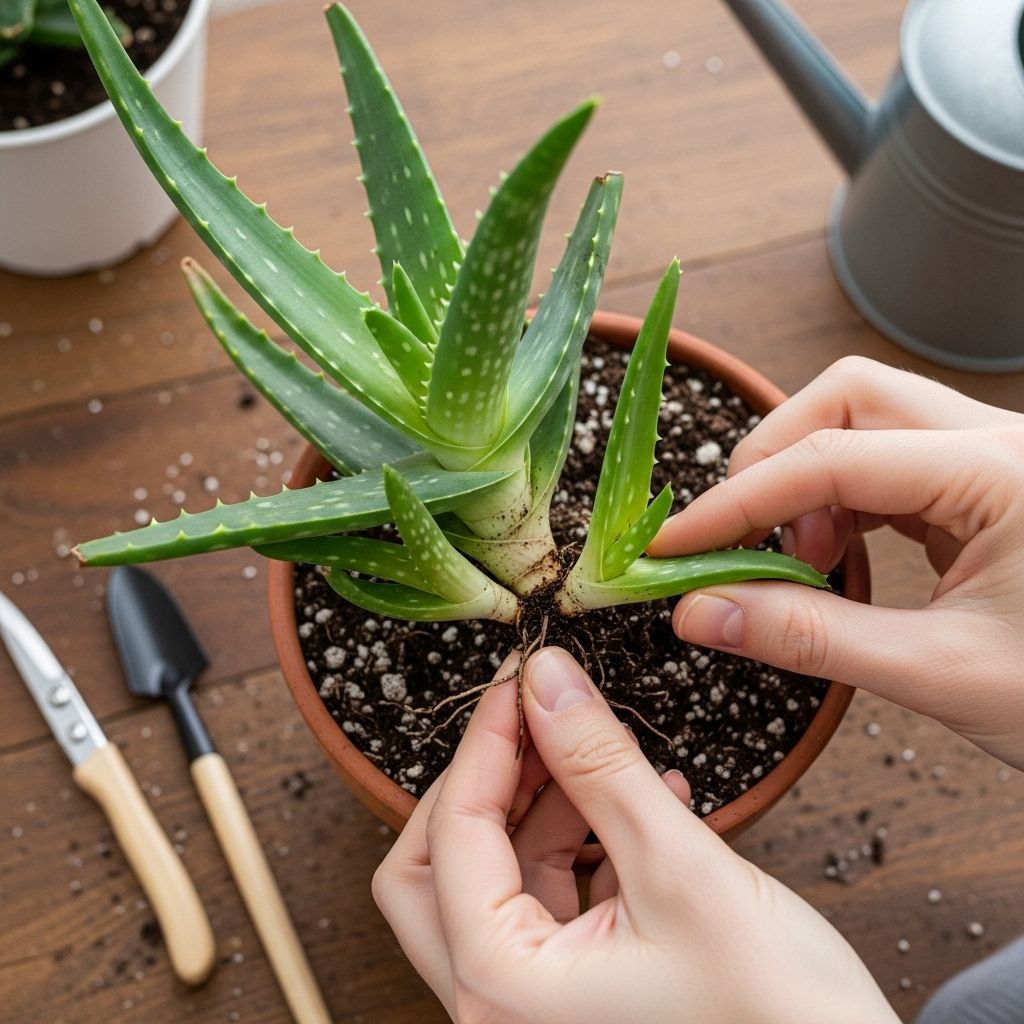
Aloe vera and related aloes are among the most beloved succulents for beginner and experienced gardeners alike. Thanks to their medicinal, cosmetic, and ornamental value, many plant enthusiasts wish to expand their aloecollections quickly and affordably. This comprehensive guide covers all the core topics you need—from identifying propagation opportunities to ensuring your new plants thrive for years to come.
Understanding Aloe: Nature’s Practical Succulent
Aloe is a genus of fleshy succulents native to hot, arid environments. These hardy plants store water within their thick leaves, making them drought-tolerant and easy to care for indoors or outdoors. While there are many species, aloe vera is the most commonly grown for its medicinal leaf gel and ornamental rosette shape.
Can You Grow Aloe from Leaf Cuttings?
One persistent question among aloe fans is whether they can propagate aloe plants from leaf cuttings. Unfortunately, aloes rarely root from leaf cuttings. The high water content in their leaves causes them to rot before new roots ever form. Unlike other succulents or cacti that can be grown from a single leaf, aloe vera is best multiplied through another route.
- Do not use leaf cuttings for aloe propagation; success rates are extremely low and typically result in rot.
- The best method is to divide and transplant pups (offsets) that grow around the base of mature plants.
Where Do Aloe Offshoots (Pups) Come From?
As aloe plants mature, they often produce small, independent shoots around their base. These are commonly referred to as pups, offspring, or baby aloes. Each pup develops its own roots while remaining attached to the mother plant. Over time, these offsets compete for life essentials—water, nutrients, and light—making it beneficial to separate and repot them.
- Pups usually emerge near the base of a healthy mother aloe, sometimes slightly buried in the soil.
- Once pups reach 2–5 inches in size, they are typically robust enough to survive separation.
Best Time to Propagate Aloe
The ideal time to propagate aloe by dividing pups is during the spring or early summer. This timing allows new transplants the full growing season to establish strong roots before cooler months slow their growth.
- Spring to early summer is optimal; avoid periods of dormancy or intense heat waves.
- Propagation after watering, when the soil is slightly moist, helps minimize root damage to both mother and pups.
What You’ll Need to Propagate Aloe
- Healthy mother aloe with visible pups
- Clean, sharp knife or pruning shears
- Gloves (optional, to protect hands from sticky sap or leaf spikes)
- Small pots (terracotta recommended for breathability and stability)
- Succulent or cactus potting mix (fast-draining, gritty)
- Optional: Rooting hormone (to encourage faster root establishment)
Step-by-Step: How to Propagate Aloe via Pups
- Prepare Your Tools and Workspace
Wash your hands, sterilize your knife/pruners, and select clean pots with fast-draining soil. This helps prevent infection or rot in new plants.
- Remove the Mother Plant from Its Pot
Gently loosen the main plant and pups from the soil. Tip the pot and tap softly to minimize root breakage. If needed, use your fingers or a small tool to brush away soil and expose the base of the pups.
- Separate the Pups
Identify pups with their own root systems. Grip the base of a pup and firmly—but gently—wriggle it apart from the main plant. Use your clean knife/pruners if the pup does not easily break away. Try to retain as many roots as possible attached to each pup.
- Allow Cut Surfaces to Callus
Do not immediately plant freshly separated pups. Leave pups with trimmed ends exposed for 1–2 days (up to a week in humid weather). This allows wounds to dry, forming a callus that protects against rot-causing bacteria and fungus.
- Pot Up the Pups
Place each callused pup into its own pot filled with well-draining cactus mix. Bury the roots fully and the base of the plant just above the soil line. Gently press down to stabilize, but do not compact the soil too tightly.
- Water Carefully
Wait 2–5 days before the first watering to reduce the risk of root rot. When ready, water lightly—just enough to settle the soil. Thereafter, water only once the soil dries out completely; overwatering is a common cause of failure.
- Provide Ideal Growing Conditions
Place new aloe pots in a bright, indirect light spot. Direct sun may scorch tender leaves, while dim sites result in lanky, weak growth. Maintain moderate household temperatures (60–80°F/15–27°C).
Aloe Propagation Methods: What Works and What Doesn’t
| Propagation Method | Success Rate | Notes |
|---|---|---|
| Dividing Pups/Offsets | Very High | Most reliable; each offset forms a new plant quickly. |
| Leaf Cuttings | Extremely Low | Leaves usually rot before rooting; not recommended. |
| Seed | Moderate | Can be done but is slow; best for enthusiasts or breeding. |
Best Soil and Pots for Aloe Propagation
Aloes thrive in soil that replicates their native arid habitat. This means a quick-draining, gritty mix is essential:
- Cactus or succulent potting mix is ideal. You can also blend your own with regular potting soil, coarse sand, and perlite or pumice (about 1:1:1 ratio).
- Terracotta pots are recommended over plastic. Their porous nature prevents excess moisture and protects roots from rot. They are also heavy, which stabilizes top-heavy mature aloes.
Essential Care Tips for New Aloe Plants
- Water sparingly: Only water when the soil is bone dry. Overwatering is the most common cause of aloe problems.
- Light: Give bright, indirect sunlight indoors. Outdoors, partial shade is best; too much direct sun will burn foliage.
- Temperature: Keep between 55°F–85°F (13°C–30°C). Avoid frost, as aloe is not cold hardy.
- Fertilizer: Feed lightly no more than once in spring and once in summer with a diluted succulent fertilizer.
- Repotting: Every 2–3 years, upgrade pots or refresh soil as plants outgrow containers.
Common Challenges and Troubleshooting Aloe Propagation
- Pups have no roots: These can be planted in moist soil and misted until roots form, but avoid overwatering. Give time—they should eventually root if kept warm and dry.
- Soft or mushy leaves after dividing: Usually a sign of too much water or failure to callus the wound before planting.
- Pups declining or dying shortly after planting: Possible causes include lack of roots, improper callusing, soaked soil, or too little light.
- Mother plant not producing pups: May be due to immaturity, overcrowding, or insufficient light. Provide optimal care and patience.
Harvesting Aloe Vera Leaves for Use
Once your aloe plant is thriving, you can harvest leaves for their soothing gel. Always use clean scissors or a sharp knife. Cut leaves from the lowest outer layer, leaving the core untouched to encourage continued growth. After harvest, allow the wound on the plant to air dry naturally.
Frequently Asked Questions (FAQs)
Q: Can you propagate aloe from a single leaf?
A: No, propagation from leaf cuttings is rarely successful. Leaves usually rot before developing roots. Offsets (pups) are the preferred method.
Q: How long does it take for divided pups to root and grow?
A: Most pups root within 2–3 weeks in optimal conditions. Growth will be noticeable in just a few months, with vigorous development during the active growing season.
Q: Why are my pups not surviving after separation?
A: Common reasons include not allowing wounds to callus before planting, overwatering (leading to rot), and providing too little light. Follow all aftercare steps carefully.
Q: My mother aloe doesn’t seem to produce offsets. What can I do?
A: Ensure your plant is mature (at least 3-4 years old), growing in a slightly root-bound pot, and receiving bright light. Patience is key, as not all aloes pup frequently.
Q: Should I use rooting hormone on pups?
A: Rooting hormone is optional; most aloes will root on their own. It may speed up initial root development but is not essential for success.
Summary: Easy Expansion for Your Aloe Family
Propagating aloe is a rewarding way to multiply your collection or share these resilient, beneficial plants with friends. Remember: propagation by dividing pups is nearly foolproof when proper techniques and aftercare are observed. With time, patience, and the right environment, even beginners can master the art of aloe propagation.
Similar Articles





Read full bio of medha deb