How to Prune and Harvest Basil for Abundant, Healthy Growth
Unlock maximum basil yields and vibrant flavor with expert pruning and harvesting techniques you can master.
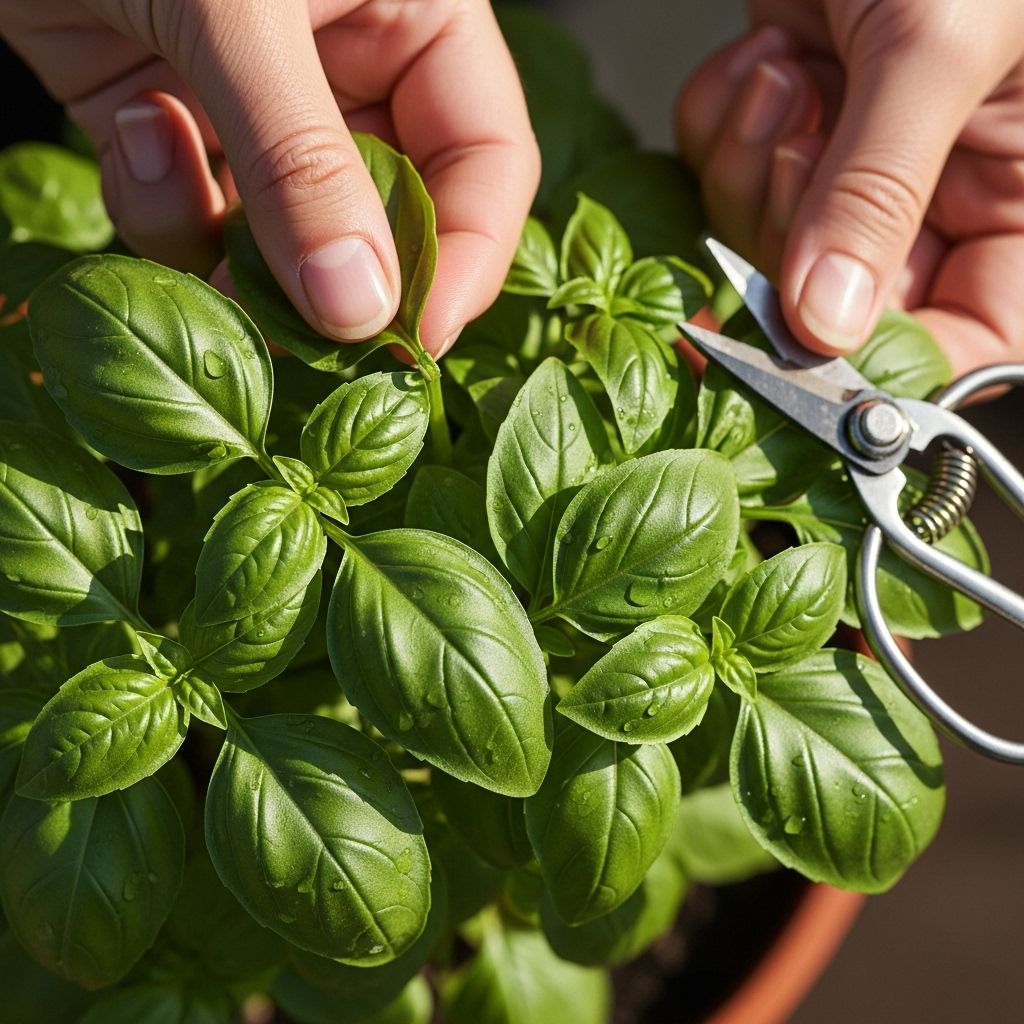
Basil (Ocimum basilicum) is prized in gardens and kitchens around the world for its aromatic leaves and fresh flavor. However, many gardeners do not realize that pruning and harvesting basil the right way is essential for encouraging a long, productive growing season and the tastiest leaves. Whether you’re growing just a few pots of basil or filling large garden beds, mastering a few simple techniques will help your plants thrive and reward you with continuous harvests all summer.
Why Proper Pruning and Harvesting Matters
Pruning is not just about shaping the plant; it is vital to basil’s health and productivity. When you pinch or cut basil back regularly, you:
- Encourage bushier, more robust growth by stimulating new stems and leaves.
- Prevent early flowering, which can reduce leaf quality and yield.
- Extend the harvest season by keeping your basil plants producing fresh leaves for months.
- Improve flavor by keeping leaves tender and sweet.
Understanding Basil Growth and Timing
Basil flourishes during warm, sunny weather and grows quickly through midsummer. Left unpruned, the plant develops a single tall stem (becoming ‘leggy’) and ultimately aims to flower and produce seed. Once flowering begins, leaf production slows and leaves can turn bitter. Pruning redirects energy back into foliage, giving you more of the delicious leaves you want.
Step-by-Step: How to Prune Basil
1. When to Start Pruning
Start pruning as soon as your basil plant is 6 to 8 inches tall and has developed at least two strong sets of true leaves. Beginning early discourages legginess and encourages the plant to branch out.
2. Where to Cut: The Pinch-Pruning Technique
Basil stems grow in pairs of leaves, with new tiny leaves or buds forming in the junction between the stem and each pair of leaves (the ‘leaf axil’). For best results:
- Use clean, sharp scissors or pinch with your fingers directly above a set of leaves or leaf nodes—not randomly in the middle of a stem.
- Pinch back the central stem just above a leaf pair. This removes the growing tip and encourages the two lower buds to branch into new stems, creating a bushier plant.
- Never remove more than one-third of the plant at a single pruning session. Too much at once can stress the plant and stunt regrowth.

3. How Often to Prune
Prune every two to four weeks during the growing season, or whenever the plant threatens to flower or grows too tall. Frequent, light pruning prevents the plant from becoming woody and maintains continual new growth.
4. Dealing With Flowers: Why and How to Remove Them
Basil puts most of its energy into producing flowers and seeds once blooming begins, which can stall leaf production and degrade flavor. To keep your plant productive:
- Pinch off flower stems as soon as you see them forming—ideally before they open.
- Cut flower spikes back to just above a pair of leaves, using the same technique as for pruning foliage.
Regular flower removal tricks the plant into “thinking” it hasn’t completed its life cycle, prolonging harvest time drastically.
Step-by-Step: How to Harvest Basil for Maximum Flavor
1. The Best Time to Harvest Basil
Basil leaves are most flavorful in the morning, just after dew dries and before the heat of the day. Harvest with clean scissors or by pinching.
- Focus on taking leaves from the top of stems to encourage bushy regrowth.
- Follow the same method as pruning: cut or pinch just above a leaf pair, always leaving at least two sets of healthy leaves per stem so the plant can recover quickly.
2. How Much Basil Can You Harvest at Once?
When harvesting:
- Harvest only up to one-third of the plant at a time
- Give the plant a week or two to bounce back between heavy harvests.
- If you want a large harvest for pesto, consider staggering cuts over several weeks for continued health and productivity.
3. Tips for the Longest and Most Abundant Harvest
- Start pruning early and prune often—this yields the most basil per plant through the season.
- Never let plants flower for culinary use (unless you are ready to harvest seeds or attract pollinators).
- Use sharp tools to avoid bruising stems or tearing leaves.
- Pruned basil can yield 15 to 25 cups of leaves per season per plant in ideal conditions.
Common Mistakes When Pruning and Harvesting Basil
- Cutting too far down the stem, leaving no leaves below the cut: Always leave leaf pairs on stems to support regrowth.
- Harvesting too much at once: This can shock the plant, leading to slow recovery.
- Allowing plants to flower: This significantly reduces quality and yield for culinary basil.
- Not pruning at all: Unpruned basil gets spindly and soon stops producing new leaves.
Table: Pruning and Harvesting Dos and Don’ts
| Do | Don’t |
|---|---|
| Start pruning early and maintain regular pruning all season | Let the plant grow tall and leggy before pruning |
| Pinch above a healthy pair of leaves or nodes | Cut randomly or too close to the soil |
| Remove flower spikes as soon as they appear | Allow flowers or seeds to form for culinary basil |
| Harvest no more than one-third of the plant at one time | Strip all leaves or harvest too aggressively |
| Use clean, sharp scissors or pinch with fingers | Use dull tools or tear leaves by hand |
Storage and Preservation After Harvest
Basil is surprisingly sensitive to cold and improper handling. After harvesting:
- Keep basil leaves at room temperature for several days. Store in a glass of water like fresh flowers, with a loose plastic bag over the top for longer freshness.
- Avoid refrigeration—the cold causes leaves to blacken quickly.
- For long-term storage, consider drying, freezing, or making basil pastes or pestos that can be kept for months.
Bonus Tips for Healthy, Abundant Basil
- Grow in full sun for at least 6–8 hours daily.
- Water consistently but avoid overwatering; basil likes moist, well-drained soil.
- Feed with balanced organic fertilizer every 4–6 weeks during active growth.
- Monitor for pests such as aphids or Japanese beetles, and treat promptly if found.
- Sow seeds indoors early or buy vigorous transplants to get a head start on the season.
Frequently Asked Questions (FAQs)
Q: Why does my basil plant get tall and spindly?
A: Basil grows tall and leggy when not pruned often enough, or when grown in low light. Regular pruning and full sun will encourage a bushy, compact plant.
Q: Can I prune basil too much?
A: Yes. Never remove more than one-third of the plant at a time. Over-pruning can stress the plant and delay new growth.
Q: What happens if basil flowers?
A: Flowering signals the end of the plant’s life cycle. Leaves can turn bitter and growth slows. Remove flower spikes as soon as they appear to keep your plant productive.
Q: What is the best way to store fresh basil?
A: Keep cut basil in a glass of water at room temperature and use within a week or two. Refrigerators are usually too cold, causing leaves to turn black. For long-term preservation, freeze or make into herb pastes.
Q: How can I get bushier basil plants?
A: Always pinch the central stem above a set of leaves whenever the plant is 6–8 inches tall, and repeat every few weeks. This encourages lateral branches to develop for a fuller plant.
Q: When is the best time of day to harvest basil?
A: Mornings, after the dew has dried and before the sun gets too hot. This ensures the leaves are at their most flavorful and least wilted.
Q: Should I cut basil with scissors or pinch by hand?
A: Both methods are effective if done cleanly. For larger harvests or thicker stems, sharp kitchen scissors or nippers are preferred to avoid tearing stems.
Basil is one of the easiest and most rewarding herbs to cultivate when you follow proper pruning and harvesting methods. With just a few thoughtful snips every couple of weeks, you’ll enjoy lush, flavorful leaves for pesto, salads, sauces, and more, from the first hint of summer until the first fall frost.
Similar Articles


Read full bio of Sneha Tete