Hyacinth Houseplant Care: Indoor Growth and After-Flowering Tips
Master indoor hyacinth care and enjoy vibrant blooms year after year with these comprehensive tips.
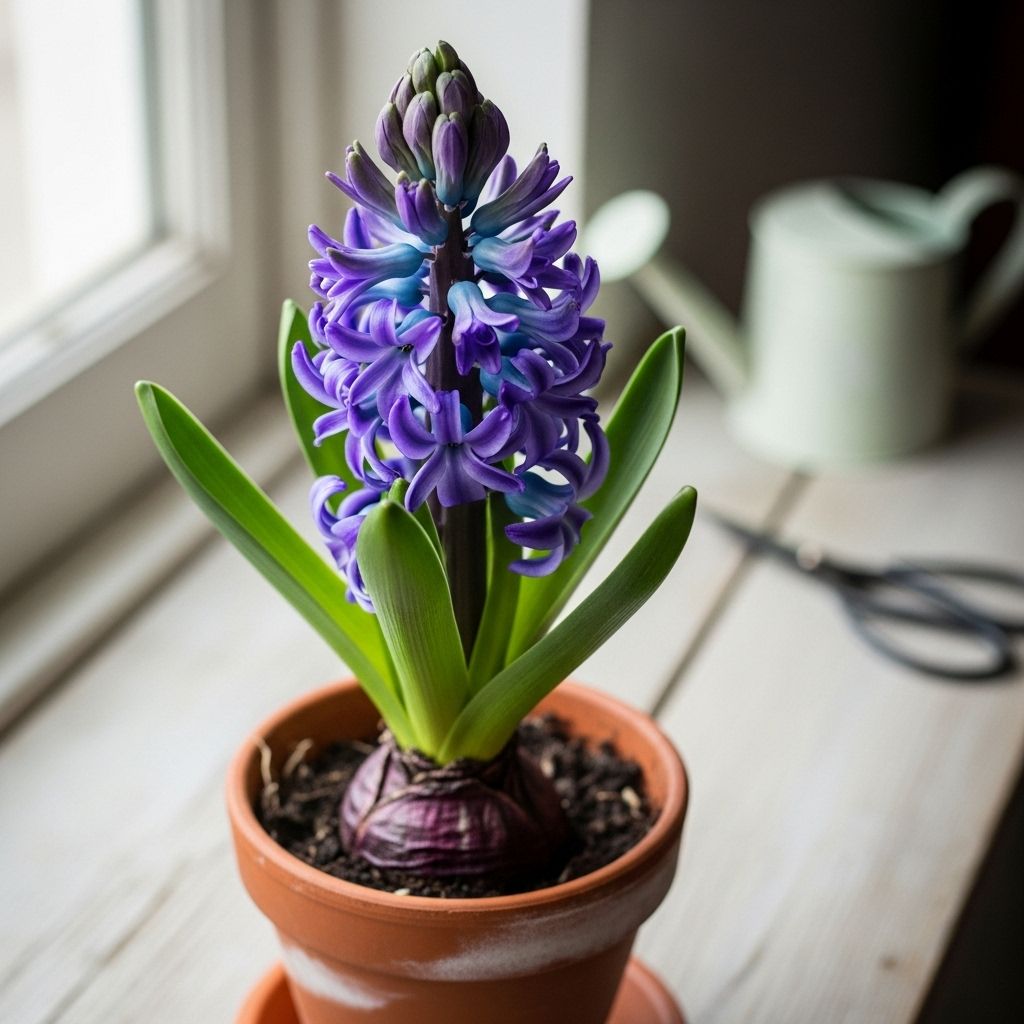
Hyacinths bring a burst of vibrant color and an inviting fragrance to indoor spaces, making them a cherished addition to any collection of houseplants. Whether you’ve just received a blooming potted hyacinth as a gift or want to grow these bulbs for year-round enjoyment, understanding their care needs—both during and after flowering—ensures healthy plants and repeat blooms. This guide covers everything from basic planting, maintenance, and the dormancy period, to tips for reblooming and troubleshooting common issues with indoor hyacinths.
Table of Contents
- Overview of Hyacinth as Houseplants
- Caring for Hyacinth Indoors
- Hyacinth Care Indoors After Flowering
- How to Encourage Reblooming
- Common Problems and Troubleshooting
- Frequently Asked Questions
Overview of Hyacinth as Houseplants
Hyacinths (Hyacinthus orientalis) are renowned for their classic springtime flowers, producing dense spikes studded with gem-like blossoms in blue, pink, white, purple, or yellow. Known for their heady fragrance, hyacinths are often given as gifts and frequently grown indoors for winter color. Their visual and aromatic appeal makes them a top choice for brightening winter homes or celebrating holidays like Christmas.
- Popular indoor bulb plant
- Produces vivid flowers and rich fragrance
- Gifted frequently during wintertime
- Ideal for forcing blooms out of season
- Adaptable to pots, soil-less culture, or traditional garden beds
Caring for Hyacinth Indoors
Growing hyacinths inside requires attention to potting, light, water, and especially post-bloom maintenance. Follow these steps for robust indoor growth:
Choosing Bulbs
- Purchase large, healthy bulbs—these yield the biggest and most fragrant blooms.
- For winter forcing, select pre-chilled or heat-treated bulbs so you can induce early flowering with minimal setup.
- Check for any signs of rot or softness; only firm bulbs should be used for indoor culture.
Planting Hyacinths Indoors
- Plant in autumn to enjoy winter-to-early-spring blooms.
- Use a shallow, well-draining container with adequate drainage holes.
- Set bulbs so that their tips are just visible (about 1″ above compost or soil).
- Bulbs can be placed close together but should not touch each other—this prevents rot and ensures better air circulation.
- Use peat-free multi-purpose or loam-based compost (e.g., John Innes No.2).
- Lightly water after planting; avoid soggy conditions.
Forcing and Chilling Requirements
- Most hyacinths require cold treatment to bloom indoors: chill for 6–10 weeks at 40–50°F (4–10°C) in a dark place such as a refrigerator, unheated garage, or basement.
- Prepared bulbs skip this step.
Growth and Blooming Conditions
- Once shoots are 2″ tall, move the pots into a cool but bright location—avoid direct hot sun.
- Optimum temperatures for flowering are 60–65°F (15–18°C).
- Keep soil lightly moist but never soggy. Overwatering causes bulb rot.
- Do not fertilize until active growth begins; then, feed with a balanced indoor plant fertilizer every two weeks.
Growing Hyacinths in Water
- Hyacinths can be grown hydroponically using special glass vases.
- Set the bulb above the water so only the roots touch it. Replace and clean water regularly to prevent stagnation.
- Chill like soil-grown plants; keep in darkness until roots and shoots develop, then bring to light.
Displaying Hyacinths Indoors
- Place the flowering plants in bright, cool locations for longest bloom.
- Turn pots regularly so shoots grow straight.
- Enjoy their scent but avoid placing them right next to heat sources, which will shorten the bloom period.
Hyacinth Care Indoors After Flowering
Once hyacinths have flowered, the post-bloom process is critical for the bulb’s health and its potential to rebloom next season.
Post-Flowering Steps
- Deadheading: As flower spikes die back (usually 8–12 weeks from initial bloom), cut off the spent stalk. This process directs the plant’s energy back into the bulb.
- Leave Foliage Intact: Allow the green leaves to continue growing and photosynthesizing. The plant needs to recharge and store energy.
- Provide Adequate Light: Keep the plant in a sunny spot so leaves can absorb as much energy as possible before going fully dormant.
- Fertilize: A balanced, diluted indoor fertilizer helps the bulb recover strength. Avoid overfeeding to prevent salt buildup.
- Watering: Water moderately, never allowing the bulb to sit in water. Hyacinth bulbs are prone to rot if the medium is constantly wet.
Going Dormant
- After a few weeks, the green leaves will yellow and die back naturally.
- Once leaves are brown and shriveled, cut them off at the base.
- The bulb is now dormant and should be removed from its pot, cleaned of old soil, and stored in a cool, dry, and dark place until replanting time in autumn.
Compost and Repotting
- If you intend to keep the bulb for reblooming, replace old compost with fresh, fertile soil at the start of the next growing cycle.
- Mix in slow-release fertilizer for better growth during the following season.
Planting Outdoors Post-Bloom
- If you live in a temperate area, consider moving forced hyacinth bulbs outside after flowering.
- Plant in garden beds or outdoor pots in late spring or early autumn, following the same depth and spacing guidelines as for new bulbs.
How to Encourage Hyacinths to Rebloom Indoors
Hyacinths grown indoors sometimes fail to bloom robustly in their second season unless meticulously cared for. Although they are often discarded after one season, with proper treatment, you can maximize the possibility of future blooms.
Encouraging Rebloom
- Feed the plant well during the post-flowering phase so the bulb stores enough nutrients.
- Keep the bulb in a dormancy period for at least 10–12 weeks in low temperatures (ideally around 40°F/4°C).
- Replant in fresh soil before the next chill or forcing cycle.
- If flowering remains weak, consider buying new bulbs. Indoor-forced bulbs tend to lose vigor over subsequent years.
Common Problems and Troubleshooting
| Problem | Cause | Solution |
|---|---|---|
| Mushy Bulbs/Rotted Base | Overwatering or poor drainage | Allow soil to dry between watering; use well-draining mix; avoid waterlogged pots |
| No Flowers or Stunted Shoots | Insufficient chilling; weak bulbs | Chill bulbs adequately before planting; choose larger/prepared bulbs |
| Yellow, Floppy Leaves During Active Growth | Lack of light; post-blooming stress | Move to a brighter (but not hot) spot; ensure regular but moderate feeding |
| Leaves Breaking or Bending | Rough handling or cramped conditions | Handle carefully; space bulbs properly at planting |
Frequently Asked Questions (FAQs)
1. Can I force hyacinths to bloom indoors every year?
Hyacinths can be forced to bloom indoors more than once, though their performance tends to decline over time. By fully feeding and resting the bulbs after flowering and chilling them appropriately, you have a reasonable chance of reblooming. However, indoor-forced bulbs usually flower best the first year and may have fewer blooms later.
2. What is the best way to store hyacinth bulbs after flowering?
After the foliage dies back, clean the bulb of excess soil and allow it to air-dry for a day or two. Store in a mesh bag or breathable paper bag in a cool, dry, and dark place. Never store bulbs in plastic bags, which trap moisture and encourage rot.
3. Why should I avoid watering hyacinths too much?
Hyacinth bulbs are highly susceptible to rot in wet conditions. Water only to keep the soil lightly moist, and ensure excess water can drain away. Let the top inch of the mix dry out before watering again.
4. Can indoor hyacinth bulbs be moved outside after blooming?
Yes, if your climate permits. Once finished flowering indoors, the bulbs can be planted outdoors in prepared garden beds. They will adapt to the outdoor seasonal cycle and, with care, will often bloom annually like any other garden hyacinth.
5. Are hyacinth bulbs poisonous?
Yes, all parts of the hyacinth plant, especially the bulb, are toxic if ingested and may cause skin irritation. Always wear gloves when handling bulbs and keep them away from pets and children.
6. How long will a potted hyacinth bloom indoors?
The flowering period for indoor hyacinths lasts approximately 2–3 weeks. Cooler room temperatures and indirect light extend the bloom’s longevity.
7. What should I do if my hyacinth produces only leaves?
This typically means the chilling period was too short, or the bulb lacked stored nutrients. Ensure adequate chilling and nutrition for future bulbs, and use fresh, healthy bulbs for best results.
Quick Tips for Successful Indoor Hyacinths
- Wear gloves when handling bulbs to prevent skin irritation.
- Rotate pots during the bloom period for even growth.
- Avoid placing pots in direct heat or air vents to prolong flower life.
- Cut off spent blooms promptly but let foliage remain.
- Use well-draining soil or specialized hyacinth vases for hydroponic growth.
- Give bulbs a full period of dormancy before replanting the next season.
By following these guidelines, your hyacinth houseplants will reward you with splendid color and fragrance, winter after winter.
Similar Articles


Read full bio of Sneha Tete