Indiana Planting Zones: Understanding the USDA Map for Gardening Success
Master Indiana gardening with a comprehensive breakdown of USDA planting zones, from cold-hardy northern regions to lush southern climates.
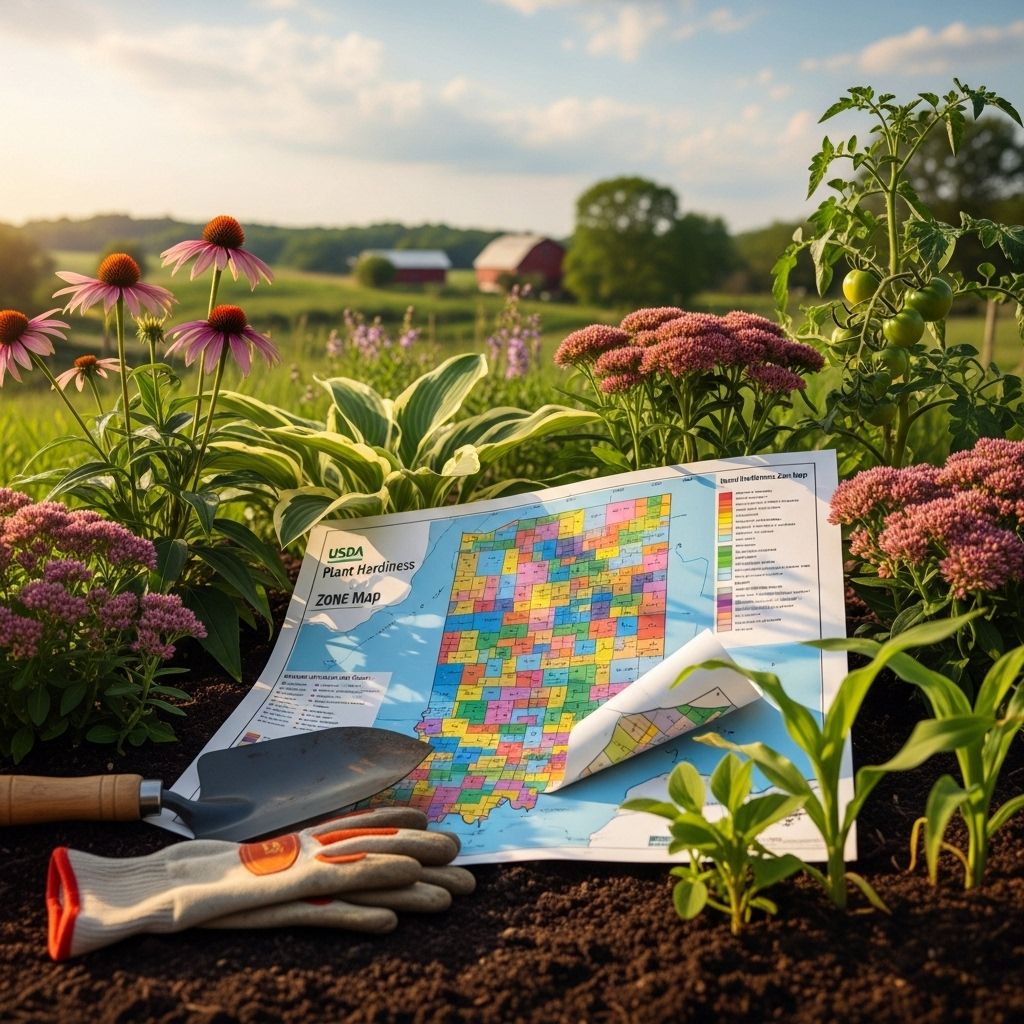
Indiana USDA Planting Zones Map
Indiana’s climate offers a rich tapestry for gardening enthusiasts, stretching from cold northern borders to warmer southern counties. Understanding the state’s USDA Plant Hardiness Zones is the first step toward a thriving Hoosier garden. The USDA divides Indiana into several planting zones based on average minimum winter temperatures. These zones guide gardeners in selecting plants most likely to survive local weather.

What Are Planting Zones?
The USDA Plant Hardiness Zone Map segments the United States into 13 zones, each reflecting a range of average annual minimum temperatures. Zones are numbered from 1 (coldest) to 13 (warmest), and Indiana spans several of these, primarily from zone 5b in the north to zone 7a in the far south. Knowing your zone helps you:
- Select cold-hardy or heat-tolerant plants for your landscape.
- Plan sowing and transplanting dates based on frost probabilities.
- Assess plant survival chances against extreme weather conditions.
Indiana’s Planting Zones: A Regional Guide
Indiana falls under several planting zones due to its north-south orientation and slightly varied seasonal extremes. The 2023 update to the USDA Plant Hardiness Zone Map produced slight shifts in boundaries due to recent climate trends.
The state’s primary zones are:
- Zone 5b: Northwestern regions, with minimum temperatures -15°C to -10°F
- Zone 6a: A large swath from northeast to central Indiana, -10°F to -5°F
- Zone 6b: Central to southern counties, -5°F to 0°F
- Zone 7a: Portions of extreme southern Indiana, 0°F to 5°F
Let’s explore each Indiana region in detail:
Northern Indiana Planting Zones
Northern Indiana features the most frigid environments in the state. Gardening here requires plants with strong winter hardiness. According to the latest maps:
- Counties north of State Road 18 belong to either zone 5b or 6a.
- Northwest Indiana (counties like Starke, Pulaski, Jasper, Benton) sits solidly in zone 5b.
- Minimum winter temperatures can drop to -15°F, so choose perennials and trees that are tough enough for these extremes.
- Northeast Indiana (e.g., Allen, Noble, Whitley, Elkhart counties) is classified as zone 6a, with temperatures ranging from -10°F to -5°F.
This region encompasses urban centers like South Bend, Fort Wayne, and Warsaw. Plant choices should be informed by these challenging, though slightly milder, winters compared to the far northwest.
Central Indiana Planting Zones
Occupying the space between State Road 18 and US Highway 50, Central Indiana displays more moderate, but still variable, winter lows.
- The predominant zone here is 6a (minimum temperatures down to -10°F), allowing for a greater range of plant options than the far north.
- Montgomery County: Split between zone 5b and 6a. Notably, Crawfordsville sits within 5b, so choose plants accordingly.
- Marion County (Indianapolis): Central Indiana’s capital region is rated zone 6b, supporting a more diverse array of ornamentals, vegetables, and trees.
- Counties bordering US Highway 50, including Decatur, Bartholomew, Brown, and Monroe, are all zone 6b.
This central portion is Indiana’s gardening heartland, enjoying milder winters and a longer growing season than the north.
Southern Indiana Planting Zones
Further south, winter temperatures moderate further, expanding your gardening palette.
- Most of Southern Indiana lies in zone 6b (-5°F to 0°F), encompassing Evansville, Bloomington, and surrounding counties.
- Recent USDA updates now place several counties below I-64—including Posey, Vanderburgh, Warrick, Spencer, and southern Perry—in zone 7a (0°F to 5°F).
This corridor is popular for heat-loving crops and turfgrasses (such as Zoysiagrass) that are challenging further north. Local specialties like watermelons benefit from the region’s longer, warmer growing season.
Indiana Planting Zones by Region
| Region | Zone(s) | Example Counties | Typical Winter Low (°F) | Major Cities |
|---|---|---|---|---|
| Northwest | 5b | Benton, Jasper, Pulaski, Starke | -15 to -10 | Crawfordsville, Crown Point |
| Northeast | 6a | Allen, Noble, Whitley, Elkhart | -10 to -5 | Fort Wayne, South Bend |
| Central | 6a/6b | Marion, Brown, Monroe, Bartholomew | -10 to 0 | Indianapolis |
| South | 6b/7a | Vanderburgh, Posey, Warrick, Perry | -5 to +5 | Evansville, Bloomington |
How to Use USDA Hardiness Zones for Gardening in Indiana
Now that you know your Indiana planting zone, here are best practices for putting this knowledge to work:
- Select Plants Compatible with Your Zone: Always choose perennials, trees, and shrubs that can withstand your region’s minimum winter temperatures. Check plant tags or nursery catalogs for zone ratings.
- Time Your Planting: Use your zone to determine safe sowing and transplanting dates, particularly for frost-tender crops and flowers.
- Try Regional Specialties: Take advantage of Indiana’s long and diverse growing season to experiment with local favorites, from sweet corn in central counties to watermelons down south.
- Monitor Weather Trends: The 2023 USDA map update confirms slow warming trends, but extremes can still occur. Always account for late spring or early fall frosts, especially in zone edges.
- Adjust for Microclimates: Urban areas, river valleys, or zones near large bodies of water may offer milder winters than neighboring rural spots. Adjust your plant selections accordingly.
Indiana Frost Dates and Their Importance
Frost dates are crucial for planning seed starting, transplanting, and harvest schedules. The following data provides guidance for Indiana’s typical frost periods:
- Last Spring Frost: Generally occurs from mid-April in the south to mid-May in the north. For example, Indianapolis: last frost ~ May 9.
- First Fall Frost: Occurs from early October (north) to late October (south). For example, Indianapolis: first frost ~ October 7.
- If you live in a border zone or at high elevation, expect frosts slightly earlier or later than your county average.
Vegetable Planting Calendar for Central Indiana (Zone 6a/6b)
| Crop | Start Seeds Indoors | Direct Sow/Transplant Outdoors |
|---|---|---|
| Tomatoes | March 21 | May 16 |
| Cucumbers | – | May 9 |
| Corn | – | May 16 |
| Lettuce | February 16 | April 11 |
| Peppers | March 14 | May 16 |
| Beans | – | May 9 |
| Carrots | – | April 18 |
| Broccoli | March 14 | April 25 |
Note: Adjust dates for your specific Indiana region using local frost date information for optimal yields.
Frequently Asked Questions (FAQs) about Indiana Planting Zones
Q: Why are planting zones important for Indiana gardeners?
A: Planting zones indicate the coldest temperatures a region can expect. They help gardeners choose plants that will survive and thrive through local winters.
Q: How can I find out my exact Indiana planting zone?
A: You can use the USDA’s interactive Plant Hardiness Zone Map by entering your ZIP code, or consult local county extension office publications.
Q: What are the main planting zones in Indiana?
A: Indiana spans zones 5b (cold, northwest) through 6a and 6b (central and southern state), and down to 7a (warmest, southernmost counties).
Q: Can plants from warmer zones survive Indiana winters?
A: Usually not without special protection. Only plants rated for your zone’s minimum temperature range will overwinter successfully in Indiana.
Q: How often does the USDA Plant Hardiness Zone Map change?
A: The map is updated periodically, usually every 10-15 years, reflecting weather data trends and climate shifts.
Tips for Successful Gardening in Indiana’s Planting Zones
- Select native and well-adapted species to minimize winter loss and maximize bloom or crop yields.
- Start seeds indoors early, especially for slower crops, to make the most of relatively brief growing windows in zones 5b and 6a.
- Consider frost protection (row covers, cold frames) for early spring or late fall plantings.
- Plan for succession planting to extend your harvest throughout Indiana’s variable growing season.
- Monitor local extension services for up-to-date planting guides and pest management advice.
Further Resources
- Consult the USDA Interactive Zone Map for precise zone data by address or zip code.
- Check your local Purdue County Extension office for region-specific planting calendars and workshops.
- Browse local gardening groups and online communities to exchange zone-specific plant successes and challenges.
Understanding your Indiana planting zone is the gateway to a successful and rewarding gardening journey, whether you’re sowing spring vegetables, establishing a perennial border, or trying new fruit trees. Use your zone as a foundation for plant selection, timing, and year-round care for optimum results.
Similar Articles




Read full bio of medha deb