13 Indoor Ficus Tree Varieties for Home and Office
Explore 13 indoor ficus tree varieties, their features, care tips, and FAQs for thriving houseplants.
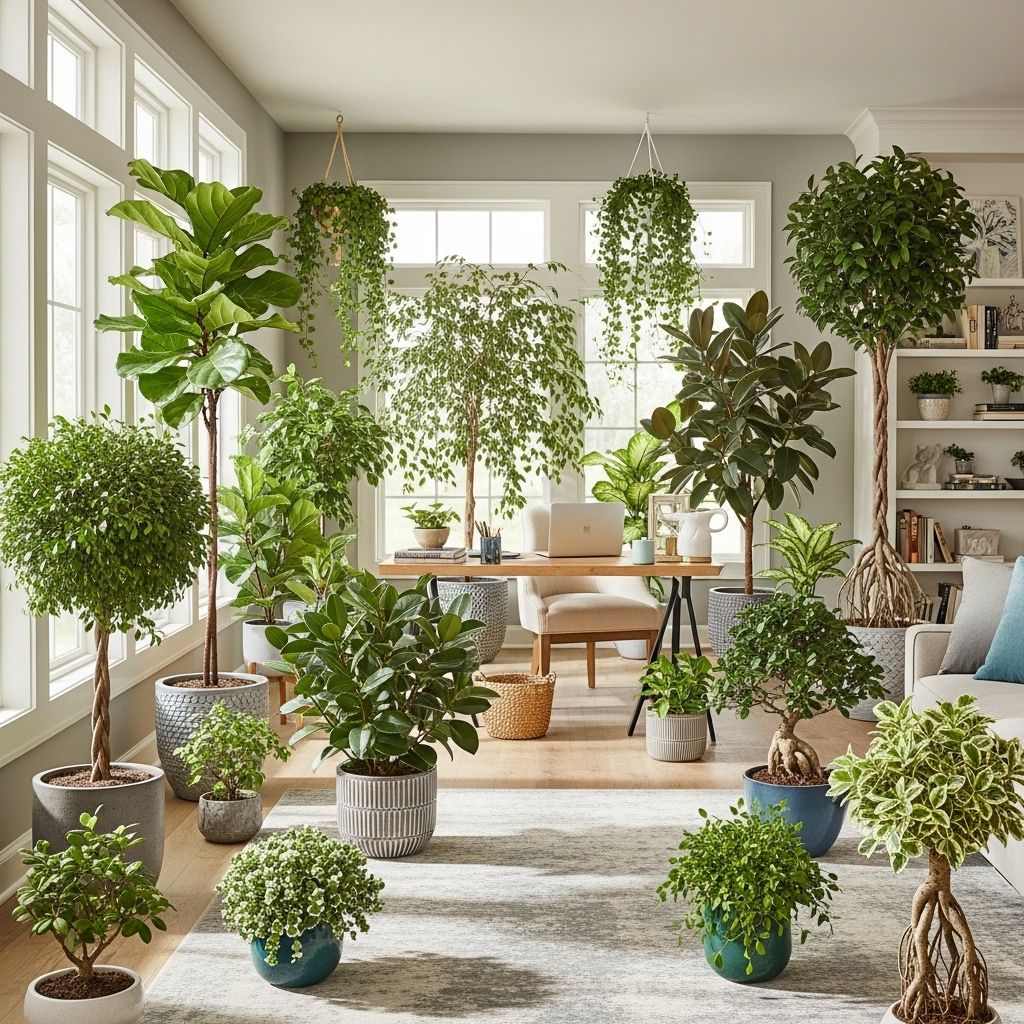
13 Indoor-Friendly Ficus Trees: Complete Guide
Ficus trees are among the most versatile and visually striking houseplants available. Popular for their lush foliage, adaptability, and variety of shapes and sizes, these trees can brighten any room, serve as organic décor, and contribute to air purification. This guide explores thirteen types of indoor ficus trees, detailing their characteristics, care needs, and suitability for various indoor environments.
Why Choose an Indoor Ficus?
- Air-Purifying Qualities: Many ficus varieties filter indoor air, improving your home’s health.
- Decorative Impact: Ficus trees add height, texture, and vibrant greenery to any room.
- Adaptability: With options for small apartments or large office spaces, there’s a Ficus for every space.
- Easy to Maintain: Most indoor ficus trees thrive with basic care and regular attention.
Table: Overview of 13 Top Indoor Ficus Varieties
| Ficus Variety | Plant Height | Leaf Features | Light Requirements | Special Notes |
|---|---|---|---|---|
| Fiddle Leaf Fig (Ficus lyrata) | Up to 6 feet | Large, violin-shaped leaves | Bright, indirect | Iconic, dramatic; sensitive to change |
| Bambino Ficus (Ficus lyrata Bambino) | 2–3 feet | Compact, leathery leaves | Low–medium | Great for small spaces |
| Weeping Fig (Ficus benjamina ‘Wintergreen’) | Up to 6 feet | Glossy, arching foliage | Bright, indirect | Classic office tree; varieties available |
| Burgundy Rubber Tree (Ficus elastica ‘Burgundy’) | Up to 8 feet | Deep burgundy leaves | Medium–bright | Fast-growing air purifier |
| Audrey Ficus (Ficus benghalensis ‘Audrey’) | Up to 10 feet (indoor) | Large, fuzzy green leaves | Bright, indirect | Sturdy, upright growth |
| Ruby Rubber Tree (Ficus elastica ‘Ruby’) | Up to 8 feet | Bright red to burgundy foliage | Bright, indirect | Striking, new hybrid |
| Altissima Ficus (Ficus altissima) | Up to 10 feet | Variegated green-yellow leaves | Bright, indirect | Unique foliage, easy care |
| Tineke Rubber Tree (Ficus elastica ‘Tineke’) | Up to 6 feet | Cream-green variegation | Bright, indirect | Colorful and easy |
| Alii (Ficus maclellandii) | Up to 6 feet | Long, narrow leaves | Medium–bright | Braided trunk option |
| Moclame (Ficus microcarpa) | 4–5 feet | Thick, rounded leaves | Bright, indirect | Easy, low-maintenance |
| Moonshine Variegated Ficus | Up to 6 feet | Silvery variegated foliage | Bright, indirect | Rare, ornamental |
| Little Fiddle (Ficus lyrata dwarf) | Up to 3 feet | Small violin-shaped leaves | Medium light | Very compact |
| Golden Gem (Ficus altissima ‘Golden Gem’) | Up to 6 feet | Pale green veins, yellow-green | Bright, indirect | Striking color pattern |
In-Depth: The 13 Popular Indoor Ficus Varieties
1. Fiddle Leaf Fig (Ficus lyrata)
The Fiddle Leaf Fig tree is known for its large, violin-shaped leaves and upright growth. It thrives in bright, indirect sunlight and prefers well-draining soil. Though sensitive to overwatering and rapid changes in environment, its dramatic silhouette makes it a favorite for modern interior spaces. Regular rotation helps maintain even growth and leaf symmetry.
2. Bambino Fiddle Leaf Fig (Ficus lyrata Bambino)
Compact and ideal for table tops or small floor spaces, the Bambino features all the striking characteristics of its larger relative, but rarely grows beyond three feet. It is well-suited for low to medium light and can tolerate less frequent watering. Its dense foliage delivers bold green color in a smaller package.
3. Weeping Fig (Ficus benjamina ‘Wintergreen’)
The Weeping Fig tree’s graceful, arching branches and glossy slender leaves create a classic look that fits formal or casual décor. The ‘Wintergreen’ cultivar stays evergreen during cold periods and grows steadily when placed in bright, indirect light. It is highly adaptable and available in tree, bush, and braided forms.
4. Burgundy Rubber Tree (Ficus elastica ‘Burgundy’)
This variety is prized for deep burgundy, near-black leaves with high-gloss textures. Fast-growing and robust, the Burgundy rubber tree cleans indoor air effectively and adds dramatic contrast to plant groupings. Care includes bright light and moderate watering, allowing the soil to dry slightly between waterings.
5. Audrey Ficus (Ficus benghalensis ‘Audrey’)
A versatile, space-filling option, the Audrey ficus has broad, fuzzy leaves with pale veining. Its upright, sturdy growth makes it suitable for large rooms or as a centerpiece plant. It is less prone to leaf drop than the Fiddle Leaf Fig and tolerates pruning to control height.
6. Ruby Rubber Tree (Ficus elastica ‘Ruby’)
The Ruby Rubber Tree displays leaves tinged with burgundy to bright red, often with subtle variegation. Newly developed hybrids offer vibrant color and resilience. Like other rubber trees, it prefers well-draining soil, regular but moderate watering, and bright, indirect light.
7. Altissima Ficus (Ficus altissima)
Known as the council tree, Ficus altissima offers variegated foliage ranging from emerald green to yellow. It quickly becomes a statement plant, reaching up to ten feet indoors, with strong upright growth. Place in bright light and monitor for root crowding in containers.
8. Tineke Rubber Tree (Ficus elastica ‘Tineke’)
With striking variegated foliage—deep green leaves marked by creamy white veins—the Tineke ficus is both colorful and easy to care for. It enjoys bright, indirect light and likes the soil to remain evenly moist (but not soggy). Its compact growth and decorative patterns make it popular in both homes and offices.
9. Alii Ficus (Ficus maclellandii, ‘Banana Leaf Fig’)
Distinguished by slender, banana-shaped leaves, the Alii ficus brings a graceful, tropical vibe indoors. Often grown with braided trunks for added visual appeal, it tolerates moderate watering and indirect sunlight well. Its upright growth habit and non-drooping leaves suit a minimalist décor.
10. Moclame Ficus (Ficus microcarpa ‘Moclame’)
Also called the Laurel Fig, the Moclame features thicker, rounded, and shiny leaves. Renowned for being easy to grow, it’s ideal for beginners seeking a lush, green addition to desks or shelves. Water consistently but avoid waterlogged soil.
11. Moonshine Variegated Ficus
One of the more ornamental varieties, the Moonshine ficus is known for silvery variegation across its broad leaves. Rare and highly sought after, it demands brighter light and can make a fantastic focal point in eclectic interior designs.
12. Little Fiddle (Ficus lyrata dwarf)
With petite, violin-shaped leaves, this dwarf variety stays compact and is perfect for windowsills, side tables, or grouped arrangements. Its growth habits mimic its larger cousin but with a much smaller footprint, making it a choice companion for tight spaces.
13. Golden Gem Altissima (Ficus altissima ‘Golden Gem’)
This ficus dazzles with leaves that display vibrant yellow-green and pale green veins. It’s best grown in bright, indirect light and consistently moist soil that drains well. The Golden Gem is an attention-getting plant for those seeking maximum visual impact.
General Tips for Growing Indoor Ficus Trees
- Light: Most ficus varieties prefer bright, indirect light. Avoid direct sunlight, which can scorch leaves, especially for variegated types.
- Watering: Allow the top inch of soil to dry between waterings. Overwatering and poor drainage are common causes of ficus stress and leaf drop.
- Humidity: Increase humidity with misting or pebble trays, particularly in winter or dry climates.
- Pruning: Regular pruning helps control height and promotes bushier growth. Remove any yellow or spent leaves promptly.
- Feeding: Fertilize monthly during active growth (spring and summer) using a balanced, diluted houseplant fertilizer.
- Repotting: Repot every 2–3 years or when root-bound. Use well-draining, peat-based potting mixes.
Common Problems and Solutions
- Leaf Drop: Sudden changes in temperature, watering routines, or light can trigger leaf drop. Restore stable conditions and avoid overwatering.
- Pests: Watch for spider mites, mealybugs, and scale. Treat with neem oil or insecticidal soap, and quarantine infested plants.
- Yellowing Leaves: Often due to overwatering, poor drainage, or low humidity. Assess root health and water less frequently.
- Stunted Growth: May result from too little light, crowded roots, or nutrient deficiency. Move plant to brighter spot and consider feeding or repotting.
Frequently Asked Questions (FAQs) About Indoor Ficus Trees
Q: Are ficus trees toxic to pets?
A: Yes, many ficus species—including Fiddle Leaf Fig and Rubber Tree—are mildly toxic if ingested by pets, causing irritation or gastrointestinal upset. Always keep plants out of reach of cats and dogs.
Q: Why do my ficus plant’s leaves keep falling off?
A: Leaf drop is usually due to environmental stress such as sudden moves, overwatering, or exposure to cold drafts. Stabilize care routines and ensure proper light and humidity.
Q: How often should I water my ficus?
A: Most ficus trees prefer to dry out slightly between waterings. Water when the top inch of soil is dry, and adjust frequency for season and indoor climate.
Q: Can ficus trees grow in low light?
A: Some varieties such as Bambino and Little Fiddle tolerate lower light, but growth will be slower and color less vibrant. Bright indirect light is ideal for most types.
Q: How big do indoor ficus trees get?
A: Depending on species and care, ficus trees can range from compact table-top varieties under 3 feet to large statement plants over 10 feet tall. Regular pruning helps maintain desired size.
Quick Care Reference for Popular Ficus Varieties
- Fiddle Leaf Fig: Bright, indirect light, sensitive to overwatering.
- Rubber Trees: Moderate moisture, tolerates lower light.
- Weeping Fig: Flexible and adaptable, likes stable conditions.
- Altissima: Demands light, rewards with vibrant foliage.
- Audrey: Upright grower, benefits from periodic pruning.
Summary
With a wide array of shapes, leaf colors, and growth habits, ficus trees offer solutions for any indoor space. Whether you seek a dramatic centerpiece or a subtle accent plant, careful selection from these thirteen varieties ensures years of stunning foliage and healthy growth. Follow species-specific care guidelines and monitor for common issues to enjoy thriving indoor ficus trees throughout the year.
Similar Articles






Read full bio of medha deb