Iowa Planting Zones: Understanding the USDA Map and Growing Success
Unlock the secrets of Iowa’s planting zones—choose the right plants, maximize garden productivity, and adapt to climate with expert tips.
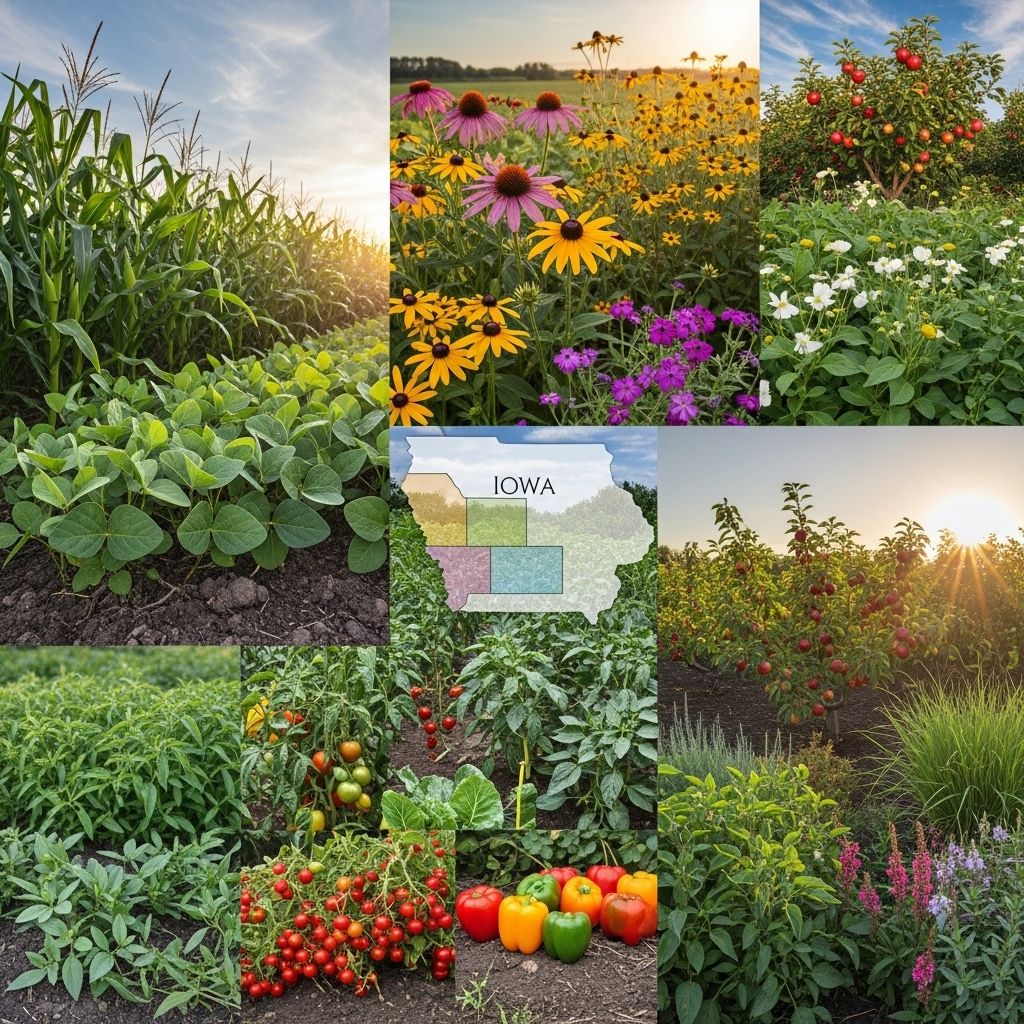
Iowa Planting Zones: Navigating the USDA Map for Gardening Success
Iowa’s rich agricultural history and strong gardening traditions are rooted in its unique climate. Whether you are a beginner or an experienced gardener, understanding Iowa’s USDA plant hardiness zones is essential for selecting the right plants, planning your garden, and ensuring gardening success through every season.
What Are Plant Hardiness Zones?
Plant hardiness zones, established by the United States Department of Agriculture (USDA), provide gardeners with a scientifically-based method to understand the coldest average winter temperatures in a given area. These zones help you determine which perennial plants, trees, and shrubs are most likely to survive and thrive in your region.
- The USDA map divides the US and Canada into zones based on 10°F increments of minimum winter temperature.
- Iowa’s landmass straddles several of these zones, making local knowledge invaluable for every gardener.
By using the USDA plant hardiness zone map, Iowa gardeners can confidently select ornamentals, edibles, and landscape plants matched to the state’s climate.
Reading the Iowa Planting Zone Map
The latest USDA plant hardiness zone map, revised in 2023, reflects ongoing climate changes, leading to subtle shifts in Iowa’s gardening regions. This map uses color-coding to illustrate the various zones. Find your county and match it to the color legend on the side to determine your planting zone.
- Iowa’s zones range from Zone 4b in the northwest and northeast up to Zone 6b at the state’s southernmost tip.
- This small difference in average minimum temperature can make a significant impact on plant survival, especially through harsh winters.
For the most accurate results, reference the USDA map online, or check with your local garden center for guidance based on recent data.
Overview of Iowa’s USDA Growing Zones
| Zone | Temperature Range (°F) | Typical Locations in Iowa |
|---|---|---|
| 4b | -25 to -20 | Small patches in northwest, some northeast areas |
| 5a | -20 to -15 | Much of northern and central Iowa |
| 5b | -15 to -10 | Large portions of central and southern Iowa |
| 6a | -10 to -5 | Southern sections, especially river valleys |
| 6b | -5 to 0 | Extreme southern tip (rare) |
This variation is primarily due to topography, proximity to major water bodies, and urban effects that offer slightly warmer local conditions.
Understanding and Using Iowa Growing Zones
Once you have identified your planting zone on the map:
- Select hardy plants: Choose varieties marked as being hardy to your zone or one zone lower for best winter survival chances.
- Use caution with marginally hardy or non-hardy plants: These will likely need additional winter protection, mulching, or indoor relocation.
- Consult reputable nurseries: Local branches will typically stock plants suitable for your zone and often mark their hardiness range clearly.
- Reference the plant tag: Look for ‘hardy to zone X’ labels for at-a-glance information.
Why the Zone Map Matters
Knowing your USDA zone allows you to:
- Reduce plant loss from unexpected frosts or cold snaps
- Streamline seasonal garden planning by focusing on regionally adapted plants
- Save money and effort on annual replacements or expensive protection methods
Remember, the zone map is a guideline, not an absolute rule. Microclimates—modifications from fences, stone walls, or buildings—can slightly alter your actual garden conditions.
The 2023 USDA Map Revision: Climate Change and Gardening in Iowa
The USDA regularly updates its plant hardiness map to reflect shifts in average annual temperatures. The 2023 revision has observed that some areas of Iowa have warmer minimum temperatures than in previous years.
- Many Iowa gardeners now reside in zones a half-step warmer than before.
- This change results from both long-term climate trends and short-term weather variability.
For gardeners, the new map helps ensure you are growing the plants best suited for current conditions and long-term shifts.
Implications for Iowa Gardeners
- Warmer zones may offer the opportunity to trial new plant varieties previously considered too tender for Iowa winters.
- Some traditional cold-requiring perennials may need more care or altered planting dates.
Plant Selection Tips for Iowa’s Growing Zones
Matching your plant choices to your local hardiness zone is a fundamental step to garden success:
- Perennial Flowers: Coneflower, black-eyed Susan, peony, and daylily perform well statewide, while more tender perennials may suit only the southernmost zones.
- Shrubs & Trees: Maple, serviceberry, American cranberrybush, and crabapple trees are resilient picks for all Iowa gardens.
- Vegetable Gardens: Cool-season vegetables like peas, spinach, carrots, and broccoli thrive in all Iowa zones; warm-season crops (tomatoes, peppers, melons) may require season extension methods or protection in the coldest areas.
Where to Find Zone Information
- Plant tags at nurseries and garden centers
- Extension service resources: Iowa State University Extension offers advice tailored to each region
- Garden clubs and local plant societies
Adjusting Gardening Practices in Challenging Zones
Zone 4b gardeners, in particular, should be ready to:
- Start seeds indoors to lengthen the growing season
- Use protective measures like floating row covers or cold frames
- Select cold-hardy varieties for both ornamentals and edibles
Zone 6a/6b gardeners can:
- Experiment with longer-season crops
- Try overwintering select perennials or biennials that would not survive farther north
When to Plant in Iowa: Key Frost Dates and Growing Windows
Frost dates vary across the state. Understanding these is essential for timing your planting and protecting vulnerable crops.
| City | Last Spring Frost | First Fall Frost |
|---|---|---|
| Ames | April 26 | October 6 |
| Cedar Rapids | May 8 | September 29 |
| Council Bluffs | April 21 | October 12 |
| Davenport | April 13 | October 19 |
| Des Moines | April 25 | October 6 |
| Dubuque | April 29 | October 6 |
| Iowa City | April 25 | October 6 |
| Sioux City | May 2 | September 29 |
| Waterloo | April 27 | October 4 |
On average, Iowa has about 160 frost-free days between late April and early October, but this window narrows in the north and widens slightly in the south.
Practical Frost Date Guidelines
- Plant cool-weather crops immediately after the last frost
- Transplant warm-weather crops only once all danger of spring frost has passed and soil temperatures have warmed
- Harvest or protect frost-sensitive plants before the first fall freeze
Microclimates: Making the Most of Your Space
Even within a small Iowa backyard, subtle differences in exposure, soil drainage, and shelter can create microclimates. Savvy gardeners can take advantage of these by:
- Planting frost-tender species along south-facing walls for warmth
- Starting seeds indoors and transplanting outside once safe
- Using row covers or mulch to buffer against temperature swings
Enhancing Your Iowa Garden: Greenhouse and Protection Strategies
For gardeners seeking to push the limits of their zone, season extension and protection tools are invaluable:
- Greenhouses: Permit starting crops as early as late February and extending harvests into November or December.
- High tunnels and cold frames: Provide affordable season extension and increased plant variety options.
- Mulching and frost cloths: Insulate perennials and tender seedlings from the effects of unexpected cold spells.
Best Practices for Planting in Iowa
- Always match your plant choices to your zone for reliable overwintering.
- Experiment carefully with plants marginally outside your zone, offering them extra winter protection.
- Support biodiversity by selecting native plants adapted to Iowa’s climatic swings.
Frequently Asked Questions (FAQs)
Q: Can I grow plants from a warmer or cooler zone in Iowa?
A: You can try, but expect extra winter loss or need for protection if you select plants rated for higher (warmer) zones. Cooler zone plants may suffer if not enough chill hours are present in your winter, though this is rare for Iowa’s conditions.
Q: Where can I find zone information for specific plants?
A: Check plant labels at local nurseries, consult university extension resources, or reference the official USDA Plant Hardiness Zone Map online.
Q: What should I do if my garden straddles two zones?
A: Select plants based on the colder of the two zones for greatest survivability, and use microclimate or protection strategies (like planting near walls) to experiment with higher-zone species.
Q: How can a greenhouse help Iowa gardeners?
A: Greenhouses extend both the start and end of the growing season, allow for a wider variety of crops (especially warm-season vegetables), and enable cultivation of plants otherwise unsuited to Iowa’s climate.
Q: Do planting zones affect annual vegetables?
A: Indirectly. While annual vegetables do not overwinter, frost dates dictated by your zone determine optimal sowing, transplant, and harvest times for varieties like tomatoes, beans, and cucumbers.
Key Takeaways for Successful Gardening in Iowa
- Identify your USDA zone and frost dates before buying plants.
- Select varieties recommended for your region—these will perform best with the least intervention.
- Monitor local weather, use season extension methods, and take advantage of microclimates for higher yields.
- Stay informed of climate trends; as zones shift, new opportunities and challenges may arise for Iowa gardeners.
For more in-depth advice, consult the Iowa State University Extension, local garden clubs, and trusted plant nurseries. Understanding your Iowa planting zone empowers you to build a sustainable, beautiful garden that flourishes through seasonal changes year after year.
Similar Articles


Read full bio of Sneha Tete