Irises for North Carolina Zone 7b: A Comprehensive Growing Guide
Discover which irises thrive in North Carolina's Zone 7b and learn how to cultivate bearded, Siberian, Dutch, Japanese, and native varieties successfully.
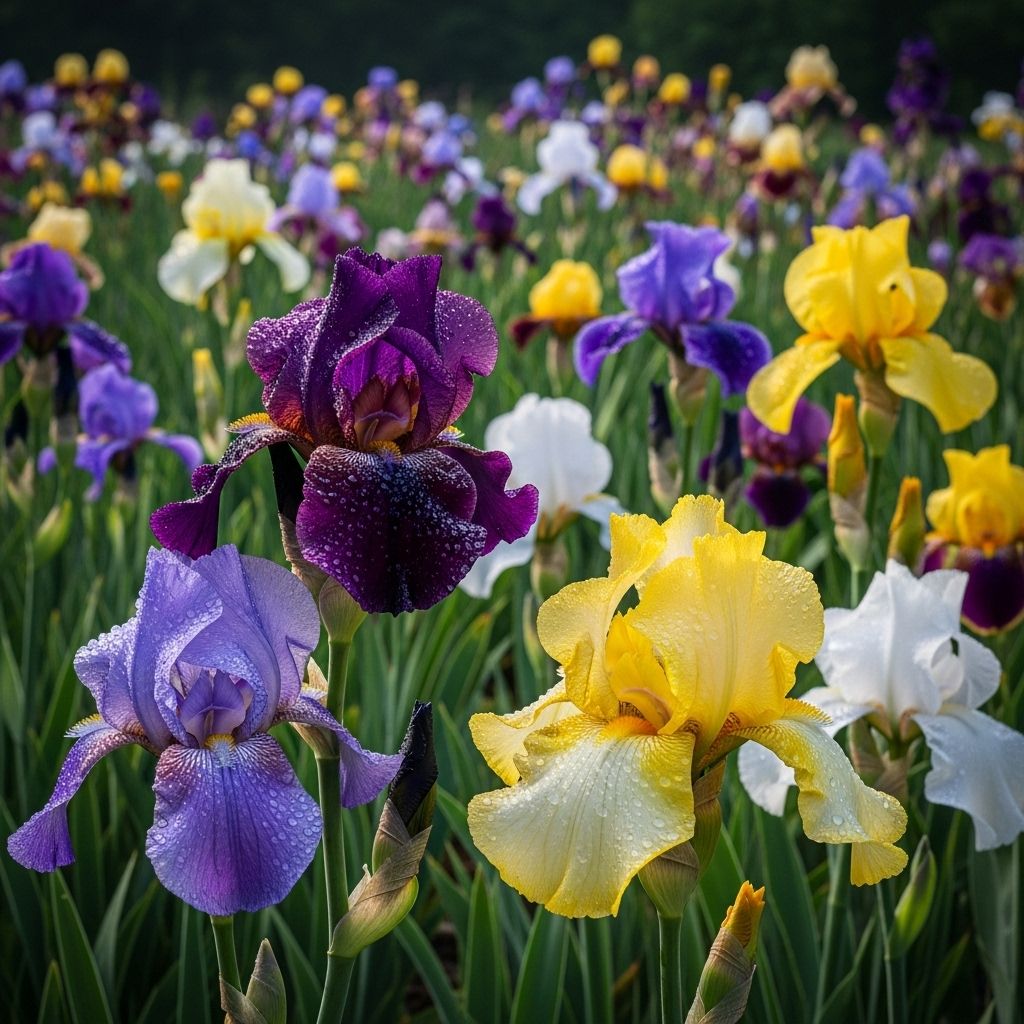
Irises for North Carolina Zone 7b: A Comprehensive Guide
North Carolina’s Zone 7b, covering much of the Piedmont and stretching from Raleigh to Charlotte, offers diverse growing conditions for gardeners. While bearded irises are commonly seen in local gardens and nurseries, many enthusiasts wonder about the suitability and success of Siberian, Dutch, Japanese, and other iris varieties. This guide will cover essential iris choices, optimal planting strategies, ideal growing conditions, and native recommendations for North Carolina’s unique climate.
Understanding USDA Zone 7b
Zone 7b features mild winters and hot, humid summers, with average annual low temperatures between 5°F and 10°F. The region includes areas with variable elevation, rainfall, and soil types. Knowing your specific microclimate within Zone 7b allows for tailored planting approaches and better results for your irises.
Popular Iris Types for North Carolina Zone 7b
While bearded iris is most often seen in gardens, several other irises thrive in the area. Below, we detail the principal iris varieties and their adaptability to North Carolina’s climate.
- Bearded Iris (Iris germanica): Most commonly grown due to availability and proven reliability.
- Siberian Iris (Iris sibirica): Well-adapted to the zone, valued for its low maintenance and tolerance to varied soil conditions.
- Dutch Iris (Iris x hollandica): Offers reliable bulbs and spring color; prefers loamy soil and good drainage.
- Japanese Iris (Iris ensata): Grows well in moist locations and can enhance ponds or water gardens with its large, showy blooms.
- Louisiana Iris: Tolerant of wetter sites and adds interest late in the iris season.
- Native Dwarf Crested Iris (Iris cristata): Excellent for shady locations and naturalistic plantings.
Comparison Table: Key Iris Varieties for Zone 7b
| Iris Variety | Sun/Shade Tolerance | Soil Requirements | Water Needs | Bloom Time |
|---|---|---|---|---|
| Bearded Iris | Full Sun | Well-Drained | Low-Medium | Late Spring |
| Siberian Iris | Full Sun to Partial Shade | Moist, Rich, Well-Drained | Medium | Late Spring |
| Dutch Iris | Full Sun | Sandy-Loam, Well-Drained | Medium | Spring |
| Japanese Iris | Full Sun | Moist, Acidic, Organically Rich | High | Early Summer |
| Louisiana Iris | Full Sun to Partial Shade | Moist to Wet, Acidic | High | Late Spring |
| Dwarf Crested Iris | Partial Shade | Moist, Well-Drained | Medium | Spring |
Do Siberian, Dutch, and Japanese Irises Thrive in North Carolina?
Siberian, Dutch, and Japanese iris species can do well in North Carolina Zone 7b, provided that their cultural requirements are met. Gardeners have reported excellent results with Iris tectorum (Japanese roof iris), Iris sibirica (especially the cultivar ‘Cesar’s Brother’), and Louisiana irises. These species add diversity and resilience to gardens that otherwise feature mostly bearded irises.
Native options, such as Dwarf Crested Iris (Iris cristata), are particularly valued for performance in shaded situations and naturalized garden styles.
Best Siberian Iris Cultivars for North Carolina
- ‘Cesar’s Brother’: Deep blue-violet flowers, robust growth habit.
- ‘Lavender Bounty’: Lavender blooms, adaptable to moist and well-drained soils.
Japanese Iris Varieties for Moist Sites
- ‘Carol Johnson’: Large, colorful blooms; thrives in pond edging.
- ‘Dixie Iris’ (Iris hexagona): Native to the Southeast, suitable for wet ground.
Louisiana Iris
- Iris fulva ‘Copper Iris’: Rusty orange color, handles waterlogged conditions.
Dutch and Dwarf Crested Iris
- ‘Casablanca’ (Dutch Iris): Crisp white blooms for spring display.
- Iris cristata: Compact growth, lavender-blue flowers, shade tolerant.
Optimal Planting Seasons for Irises in Zone 7b
- Best planting time: Early to mid-October for all iris types, timed so roots can establish before frost.
- If planting rhizomes, avoid times of extreme heat; bulbs should be installed in autumn to meet dormancy requirements.
- Japanese and Louisiana irises, which prefer moist soils, can be planted from late summer into early fall.
Ideal Soil and Site Preparation
Irises have straightforward but critical requirements for long-term performance:
- Light: Most irises require full sun for best blossoming. Dwarf Crested Iris tolerates partial shade, making it suitable for woodland gardens.
- Soil: Loamy, well-drained soils are ideal. Siberian and Japanese irises tolerate heavier, moist soils, while bearded and Dutch irises need drainage to avoid rot.
- pH: Neutral to slightly acidic (pH 6–7) for most varieties. Japanese and Louisiana irises prefer more acidic conditions.
- Drainage: Amend clay soils with organic matter or plant in raised beds/slopes. Standing water around rhizomes can quickly lead to rot.
Instructions for Amending Soil
- Mix in compost or pine bark to break up heavy clay.
- For bearded irises, shape raised beds or gentle slopes for optimal drainage.
- For water-loving irises (Japanese, Louisiana), plant near ponds or water gardens where roots stay consistently moist but not submerged.
How to Plant Different Iris Types
General Iris Planting Steps
- Timing: Plant in early to mid-October.
- Depth: Position rhizomes at soil surface; bury very shallowly so they are almost exposed. If planted too deep, irises may not bloom.
- Spacing: Allow 12–18 inches between rhizomes for air circulation and future growth.
- Watering: Water only after planting, then sporadically during dry spells—most iris types dislike soggy soils.
- Mulched beds: Mulch lightly in winter, but keep mulch from covering rhizomes directly.
Special Planting Tips for Moisture-Loving Irises
- Japanese and Louisiana irises require consistently moist soil and high organic matter; their rhizomes can be planted slightly deeper than bearded varieties.
- Dutch irises, grown from bulbs, should be set several inches below soil surface and only planted in fall.
Care and Maintenance of Irises
- Sunlight: At least 6 hours per day for maximum flowering.
- Watering: Regular soaks for Japanese/Louisiana irises; drought-resistant bearded and Siberian irises require only occasional water once established.
- Division: Divide iris clumps every 3–4 years in late summer to prevent overcrowding and promote flowering.
- Pest resistance: Most irises are resistant to deer, rabbits, and other pests.
Common Problems and Solutions
- Iris rot: Caused by excess moisture; avoid planting in soggy areas, allow good air circulation.
- Poor blooming: Check for overcrowded plants, deep planting, or excessive shade.
- Yellowed foliage: Indicates root rot or nutrient deficiency—improve drainage and test soil pH.
Native and Unusual Irises for North Carolina Gardens
Gardeners interested in native additions or unusual specimens may consider:
- Iris cristata: North Carolina native, does well in shady, woodland settings.
- Iris tectorum: Japanese origin, but proven adaptable to local conditions.
- Iris hexagona: Southeastern native, robust in wetland margins.
Designing with Irises
- Mass Plantings: Group multiples of a single variety for dramatic color swathes.
- Mixed Borders: Pair irises with peonies, daylilies, and ornamental grasses to extend seasonal interest.
- Pond Edging: Use Japanese and Louisiana irises to naturalize pond margins.
- Shade Gardens: Incorporate Dwarf Crested Iris among ferns and hostas.
Frequently Asked Questions (FAQs)
Q: Why do my irises fail to bloom?
Common causes include over-planting (rhizomes are too deep), excessive shade, overcrowding, or poor drainage. Lift and divide every few years and ensure good sunlight exposure.
Q: Which iris is best for wet areas or pond edges?
Japanese and Louisiana irises are ideal for consistently moist soils and will thrive in pond margins or low-lying garden zones.
Q: Can irises tolerate clay soil?
With amendments for drainage—such as compost and planting on mounds or slopes—most irises, especially Siberian and Japanese, perform well.
Q: Are irises deer-resistant?
Most iris varieties show good resistance to deer and rabbits, making them excellent choices in wildlife-prone gardens.
Q: When should irises be divided?
Division should be done every 3–4 years in late summer to maintain vigor and prevent clumping. Replant using recommended spacing.
Expert Advice: Summary of Success in North Carolina Gardens
- Gardeners routinely report success with bearded, Siberian, Japanese, and native irises when careful attention is paid to sunlight, drainage, and soil preparation.
- Iris tectorum, Iris sibirica (‘Cesar’s Brother’), Louisiana irises, and the native Dwarf Crested Iris (Iris cristata) are specifically recommended for North Carolina gardens.
Resources for Iris Enthusiasts
- American Iris Society: Variety recommendations, cultivation methods.
- North Carolina Extension Gardener Plant Toolbox: Detailed species profiles and troubleshooting tips.
- Local Master Gardener programs: Region-specific advice and plant swaps.
Conclusion
Irises offer North Carolina gardeners a rewarding palette of color, form, and adaptability. By selecting the right species—bearded, Siberian, Dutch, Japanese, Louisiana, and native—ensuring proper site preparation, and following recommended care practices, even novice gardeners can enjoy these perennials with minimal fuss and maximum impact.
Similar Articles




Read full bio of medha deb