Lamb’s Ears (Stachys byzantina): Planting, Growing, and Care Guide
Discover how to grow and maintain lamb’s ears—soft, silvery foliage plants perfect for ground cover and dry gardens.
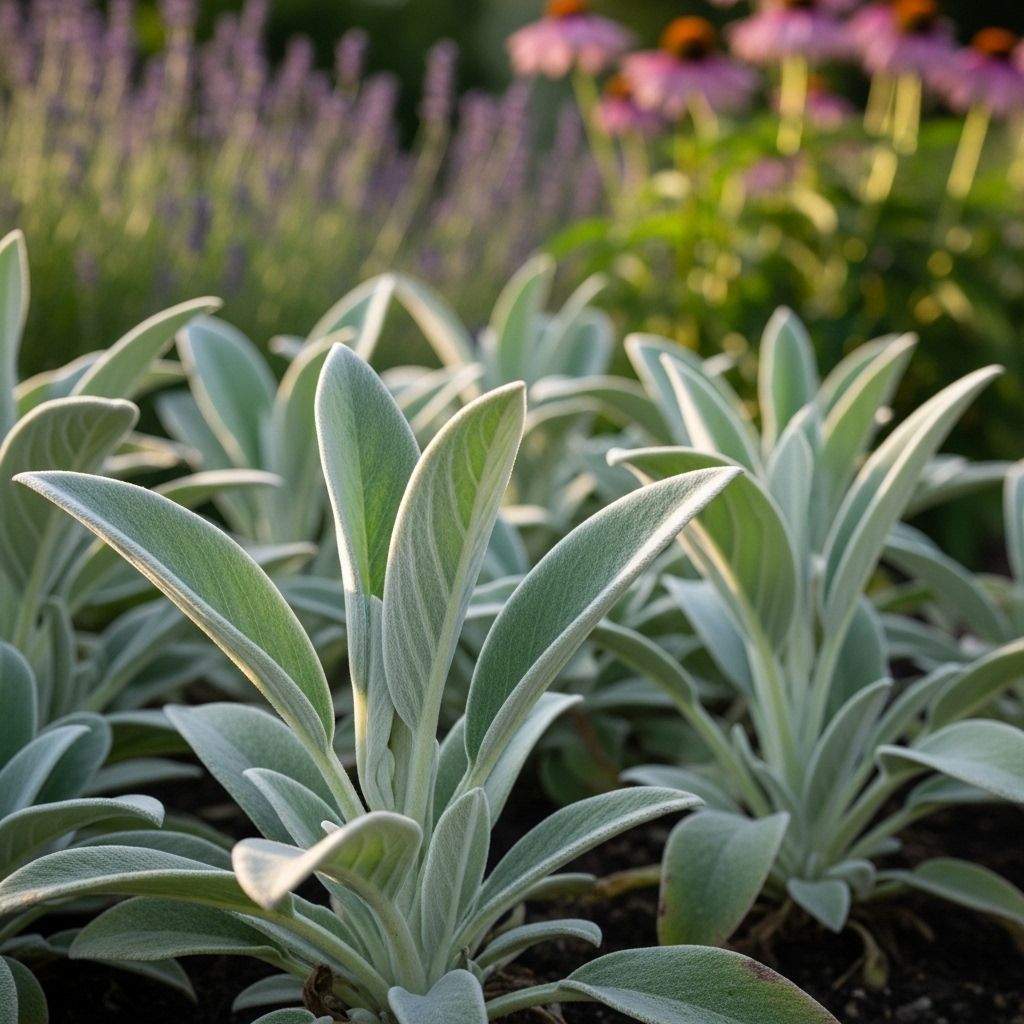
Lamb’s ears (Stachys byzantina) are widely recognized for their silvery-green, velvety foliage and adaptability, making them a favorite in dry gardens, gravel gardens, and as ornamental ground cover. With foliage that resembles the soft texture of a lamb’s ear, these perennials offer visual and tactile interest throughout multiple seasons. This guide explores their cultivation, maintenance, propagation, distinctive varieties, troubleshooting, and answers to frequently asked questions.
Overview and Key Features
- Botanical Name: Stachys byzantina
- Common Name: Lamb’s ears
- Type: Perennial ground cover
- Zones: USDA 4 – 9
- Height: 8–12 inches (typical) with flower spikes up to 1 meter
- Spread: 15–18 inches; dense mat-forming habit
- Foliage: Silvery-green, soft, tongue-shaped, evergreen in mild climates
- Flower Color: Purplish-pink (summer, typically May–July)
- Blooming: Some cultivars rarely flower; blooms are often pruned for aesthetics
Why Grow Lamb’s Ears?
Lamb’s ears are appreciated for much more than their appearance. Their fuzzy, moisture-conserving leaves make them excellent choices for dry conditions, while their low maintenance and rapid spread suit gardeners seeking reliable ground cover. Importantly, they are loved by beneficial pollinators like the wool carder bee, whose nesting habits are supported by the plant’s fibers. Deer, rabbits, and other garden pests tend to leave lamb’s ears alone, adding to their value for wildlife-friendly yet resilient landscapes.
Ideal for borders, rock gardens, edging, or containers, lamb’s ears can also be used as a companion plant to highlight more colorful or upright garden specimens.
Where and How to Plant Lamb’s Ears
Location and Soil
- Light Requirements: Full sun is preferred; partial shade is acceptable, particularly in hot climates where some afternoon shade benefits the foliage.
- Soil: Well-drained, sandy, or loamy soils are best. Heavy or compacted soils should be amended with compost or grit to improve drainage.
- Moisture: Once established, these plants are exceptionally drought-tolerant. Moist soil is beneficial during establishment but avoid prolonged wet conditions.
The robust spreading habit of lamb’s ears makes them ideal for covering bare ground, suppressing weeds, and protecting delicate soil structures. Plant them at the front or middle of borders, along garden paths, or in containers where their foliage enhances plant contrasts.
Planting Steps
- Choose a sunny to partly shaded site with good air circulation.
- Dig a planting hole to the depth of the rootball.
- Firm the soil around the roots and water well after planting.
- Space plants 12–18 inches apart to encourage mat-like growth and avoid competition.
Caring for Lamb’s Ears
One of the defining attributes of lamb’s ears is minimal care. Their robust constitution suits gardeners of all experience levels.
Watering
- Water well during establishment, then only as needed during extended dry periods.
- Avoid overhead watering—direct water at soil level to prevent fungal diseases and leaf rot.
- In humid climates or rainy spells, allow soil to dry out between waterings to discourage rot and mildew.
Fertilizing and Soil Amendments
- No regular feeding is required; lamb’s ears thrive in lean soils.
- Amend heavy soils with organic matter or sand to improve drainage if necessary.
Pruning and Grooming
- Deadhead spent flower stalks in late summer or remove flower stems as soon as they appear to focus energy on the foliage and maintain a uniform mat of leaves.
- Thin dense clumps in midsummer to improve sunlight exposure and air movement.
- Remove wilting, discolored, or rotting leaves promptly—especially after rain—to contain disease and preserve plant health.
Routine grooming prevents rot, supports vigorous new growth, and keeps plants looking tidy. Some cultivars will die back in harsh winters; rake away dead foliage in early spring.
Overwintering
- Cold-hardy in USDA zones 4–9.
- In mild climates, foliage may remain evergreen; in harsh winters, leaves die back and regrow in spring.
- Remove dead foliage after cold periods to encourage new growth.
Propagation and Division
Lamb’s ears propagate easily, either by division or from seed.
Dividing Mature Plants
- Divide every 3–4 years, ideally in spring or autumn, to prevent center die-back and reinvigorate growth.
- Dig up the rootball and cut into two or three healthy sections, ensuring each part has a good network of roots.
- Replant new sections immediately and water thoroughly for several weeks to help them establish.
Seed Propagation
- Lamb’s ears can be grown from seed, though certain cultivars rarely flower or produce viable seed.
- Start seed indoors or sow outdoors after last frost. Lightly cover seeds and keep moist until seedlings emerge.
Popular Lamb’s Ears Varieties and Cultivars
| Name | Traits | Flowering | Unique Features |
|---|---|---|---|
| Helene Von Stein | Large, robust foliage; Zone 4–9 | Rarely | Excellent summer foliage; superb ground cover; fewer flower stems |
| Silver Carpet | Dense, mat-forming, silver-gray leaves | Rarely | Specialized for ground cover; very drought-tolerant |
| Fuzzy Wuzzy | Soft, dense foliage; Zone 4–9 | Sparse, subtle blooms | Tolerates heat and dry conditions; excellent texture |
Most garden cultivars have improved foliage retention and rarely flower, making them ideal for ground cover purposes. Helene Von Stein is particularly known for its robust leaves and resistance to harsh summer weather.
Troubleshooting: Pests, Diseases, and Common Problems
Lamb’s ears are resilient—but not entirely problem-free, especially in less-than-ideal conditions.
Pests
- Generally pest-resistant; not favored by deer or rabbits.
- Can host beneficial insects such as wool carder bees, which use leaf fibers for nesting.
Disease and Rot
- Leaf rot: Occurs in persistently wet soils or humid conditions. Remove affected leaves and improve drainage to prevent spread.
- Powdery mildew: Fungal disease promoted by overhead watering—avoid wetting leaves.
Preventive Measures
- Plant in well-drained locations; amend heavy soils as needed.
- Water at ground level; avoid splashing water on foliage.
- In problematic sites, add gravel or grit beneath roots and a mulch layer under leaves to reduce direct contact with moist soil.
Lamb’s Ears in Design and Landscape
- Ground Cover: Suppresses weeds and covers bare areas efficiently.
- Edging: Distinctive texture for border plantings.
- Rock Gardens/Gravel Gardens: Thrives with minimal moisture and enhances xeriscapes.
- Containers: Contrasts beautifully with vivid flowering plants.
- Wildlife Gardens: Supports solitary bee nesting and deters herbivores.
Whether cultivated for ornamental value or practical ground coverage, lamb’s ears offer versatility and charm.
Frequently Asked Questions (FAQs)
Q: How much sun do lamb’s ears require?
A: Lamb’s ears thrive in full sun (at least 6 hours daily) but will tolerate partial shade, especially helpful in regions with intense afternoon sun.
Q: Are lamb’s ears evergreen?
A: In warm climates, lamb’s ears remain evergreen. In colder regions, foliage dies back during winter but regrows in spring.
Q: How do I prevent leaf rot?
A: Avoid watering leaves directly, improve soil drainage, and remove any wilting or rotting foliage promptly. Amend clay soils and consider mulching beneath the leaves.
Q: How often should I divide lamb’s ears?
A: Every 3–4 years, especially when plants appear sparse or the center dies out. Division maintains vigor and promotes healthy growth.
Q: Are lamb’s ears safe around pets and children?
A: Lamb’s ears are non-toxic and have a soft texture, making them safe in gardens frequented by children or pets.
Q: Can lamb’s ears grow in containers?
A: Yes, they grow well in properly drained containers and can serve as an attractive foil for more colorful companion plants.
Q: How do I propagate lamb’s ears?
A: Division is the easiest method—dig up mature clumps, separate healthy sections, and replant them. Some varieties may also be grown from seed.
Seasonal Care Calendar
| Month | Tasks |
|---|---|
| March–May | Plant new divisions, sow seed, fertilize if needed, begin watering as plant emerges |
| May–July | Flowers appear; deadhead as desired; monitor for rot/mildew |
| August–October | Thin clumps; water moderately |
| September–November | Cut back dead flower stalks; tidy foliage |
| December–February | Remove dead foliage in cold climates; minimal activity |
Summary: Lamb’s Ears at a Glance
- Unparalleled ground cover for challenging sites.
- Silvery, soft foliage offers aesthetic appeal and tactile reward.
- Drought-tolerant and low maintenance once established.
- Few pests or diseases, though some risk of rot in wet conditions.
- Easy to divide and propagate; accommodates large or small gardens.
With minimal effort and thoughtful site selection, lamb’s ears can bring year-round texture and enduring beauty to gardens everywhere—making them a staple for sustainable, wildlife-friendly, and visually appealing landscapes.
Similar Articles




Read full bio of medha deb