A Guide to Growing Lemon Basil
Cultivating the Flavorful World of Lemon Basil
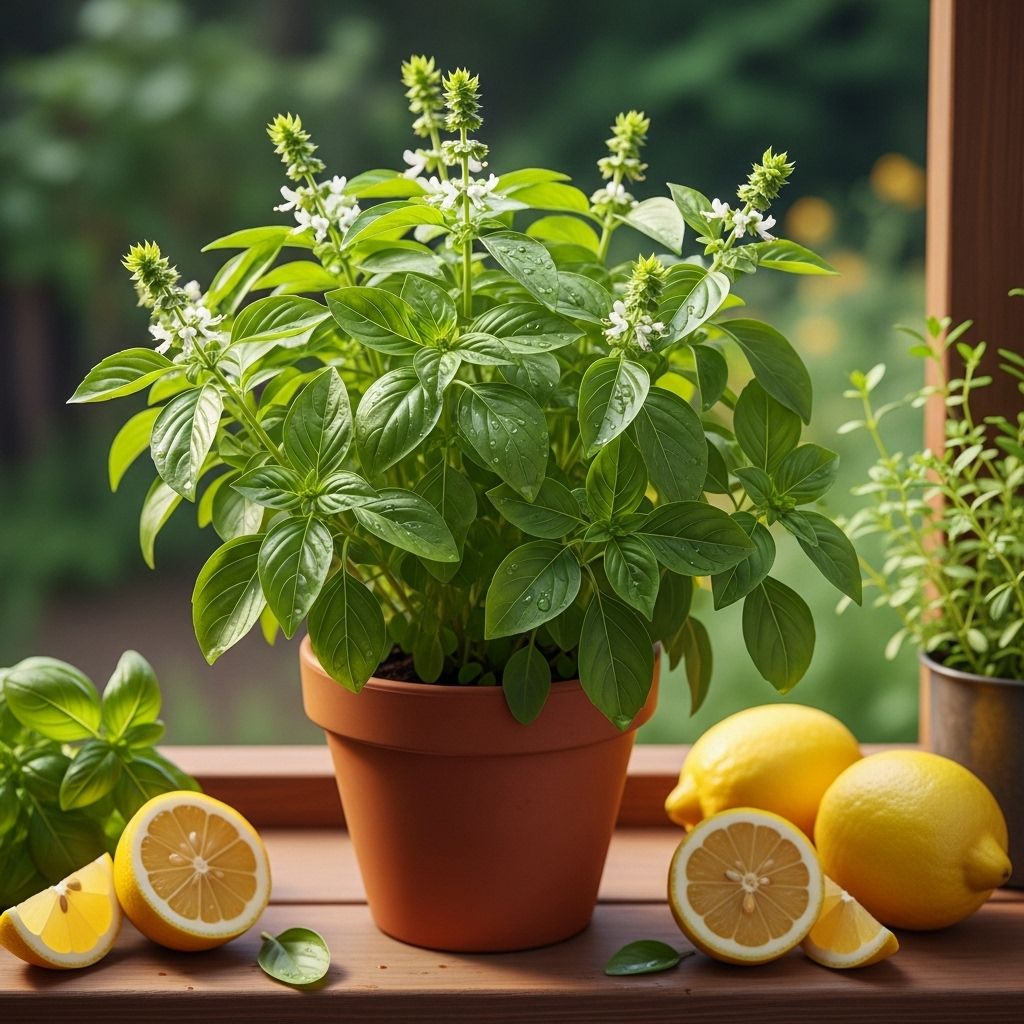
Introduction to Lemon Basil
Lemon basil (*Ocimum x citriodorum*) is a vibrant and aromatic herb renowned for its citrusy flavor and fragrance. It combines the freshness of traditional basil with the zesty taste of lemon, making it a delightful addition to a variety of dishes. Whether you’re a seasoned gardener or just starting out, growing lemon basil is relatively straightforward and rewarding.
Choosing the Right Variety
There are several varieties of lemon basil, each offering unique characteristics that may suit different preferences or climates. Some popular varieties include:
- Hybrid Lemon Basil: Known for its robust, lemony flavor and is often used in Southeast Asian cuisine.
- Mrs. Burns Lemon Basil: Heirloom variety, cherished for its intense lemon flavor and resilience in temperate climates.
- Maenglak Thai Lemon Basil: Offers a complex aroma with notes of spice and musk, ideal for stir-fries and salads.
Growing Lemon Basil
Similar to other basil varieties, lemon basil thrives in warm, sunny conditions. It requires:
- Full Sun: At least 6 hours of direct sunlight per day.
- Warmth: Ideally grown in temperatures between 65°F and 90°F (18°C and 32°C).
- Well-Draining Soil: A peat-free, multi-purpose compost or potting mix works well.
Planting Methods
Lemon basil can be grown in several settings:
- Indoor Containers: On a sunny windowsill or under grow lights.
- Outdoor Containers: Choose a spot with full sun and adequate drainage.
- Herb Garden or Vegetable Garden: Plant alongside tomatoes, peppers, and eggplants for a beneficial companion effect.
Sowing Seeds
Start seeds indoors 4-6 weeks before the last frost date. Plant them about 6mm deep in seed trays or small pots at a temperature of around 21°C (70°F) for optimal germination.
Transplanting and Care
Once seedlings have developed 3-4 sets of true leaves, they can be hardened off and transplanted into larger containers or directly into a garden bed. Maintain moist but not soggy soil, and ensure there is adequate air circulation around the plants.
Common Challenges
Common issues with basil plants include:
- Black Spots: Fungal infections that thrive in moist conditions.
- White Spots: Possible signs of powdery mildew.
- Brown Patches: Often due to excessive moisture or root rot.
Using Lemon Basil in Recipes
Lemon basil is incredibly versatile and can be used in a variety of dishes:
- Salads: Add fresh leaves to salads for a burst of citrus flavor.
- Cocktails: Use it as a garnish or to infuse flavor in drinks.
- Thai and Southeast Asian Dishes: Ideal for stir-fries, curries, and soups.
Frequently Asked Questions (FAQs)
Q: How often should I water my lemon basil?
A: Keep the soil consistently moist but not saturated. Water when the top inch of the soil feels dry to the touch.
Q: Can lemon basil be grown indoors year-round?
A: Yes, with proper lighting and warmth, lemon basil can thrive indoors throughout the year.
Q: How does lemon basil compare to regular basil in terms of flavor?
A: Lemon basil has a pronounced citrus flavor compared to the more traditional sweet or spicy taste of regular basil.
Similar Articles



Read full bio of Sneha Tete